
The Novel’s Moral Frame
JustineThis flow follows the novel’s framing argument from its promise to expose triumphant vice to its final appeal for virtue beyond worldly outcomes.
increasing Bearing strength in each event
 decreasing
Bearing strength in each eventdecreasingA Deliberate Reversal
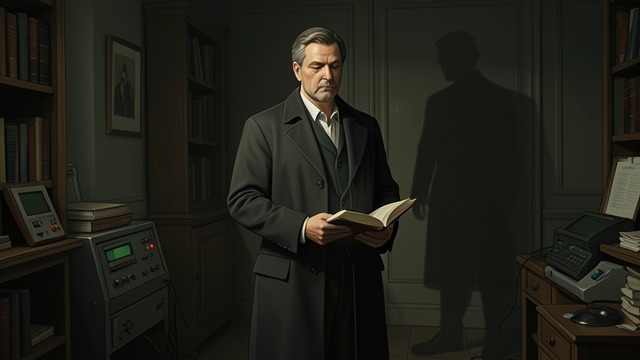
A Deliberate Reversal
An unusual moral design
The narrator announces a story in which vice prospers and virtue becomes a victim, deliberately departing from conventional tales where goodness receives visible rewards.
The intended lesson
The framing voice claims that painful examples can strengthen readers’ attachment to virtue. The narrative therefore makes moral certainty a problem to be tested, not merely a lesson delivered without resistance.
A Sisterly Counterexample
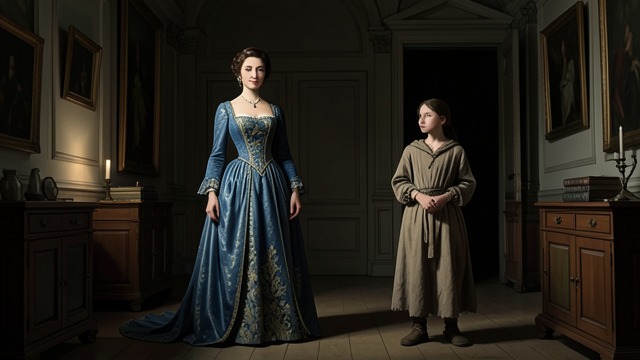
A Sisterly Counterexample
Visible success
Juliette’s wealth and social position seem to confirm that crime can prosper. Her life provides a sharp counterpoint to the opening promise that virtue has a higher value than worldly success.
A divided reading
The text insists that prosperity may be deceptive, yet repeatedly depicts its real comforts and protection. This tension prevents the reader from dismissing the libertines’ arguments as obviously contradicted by events.
Repeated Counterevidence
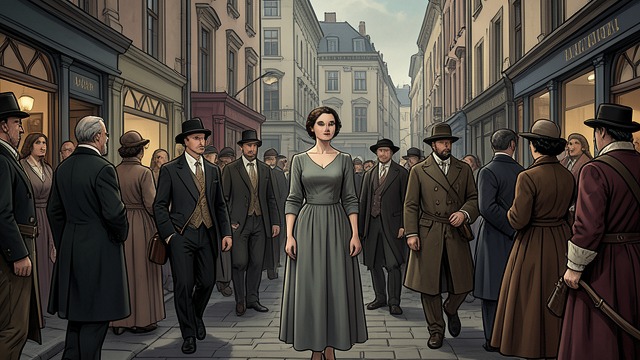
Repeated Counterevidence
A pattern of outcomes
Justine refuses theft, attempted murder, and criminal recruitment, but the people who make those proposals acquire wealth or avoid punishment. Her own position repeatedly worsens.
Pressure on the frame
The accumulation turns the plot into a sustained challenge to the idea that virtue is visibly rewarded in ordinary life. The opening narrator’s promised lesson must contend with the evidence the story itself supplies.
A Momentary Reversal
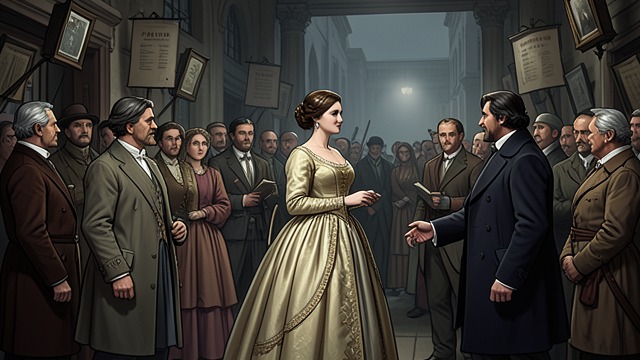
A Momentary Reversal
Public correction
Juliette and Monsieur de Corville use their standing to obtain Justine’s release and an official clearing of her name. For a brief interval, human institutions appear capable of repairing what earlier institutions helped destroy.
Fragile consolation
The change comes through personal influence, not through the consistent operation of justice. The novel offers relief without pretending that the long history of abuse has been made fair.
Lightning and Renunciation

Lightning and Renunciation
A sudden death
Justine is struck and killed by lightning shortly after being restored to comfort. Her death prevents worldly rescue from becoming a simple proof that goodness has finally prevailed.
The concluding interpretation
Juliette reads the disaster as a warning and renounces her former life. The narrator ends by asserting that true happiness belongs to virtue beyond earthly fortune, even though the plot has never made that claim easy to believe.
In the opening address to Constance
As Juliette’s fortune rises
From the first accusation through the provincial journeys
After the sisters reunite
At the final storm on Corville’s estate
