Bressac's Poison
JustineBressac's Poison is the instrument at the center of the Count's scheme to kill the Marquise de Bressac and secure her inheritance. It briefly becomes evidence that could expose the conspiracy: Therese shows it to the Marquise, whose test of the substance confirms its danger. Yet the test also alerts the Count that something has gone wrong, and the poison's disclosure does not prevent the Marquise's death or the false accusation that follows.
Role in the Murder Plot
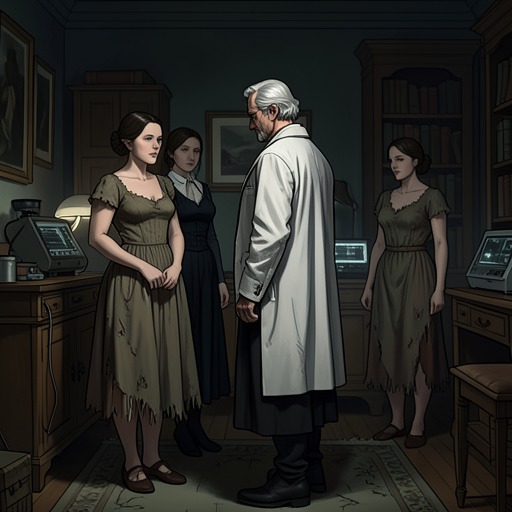
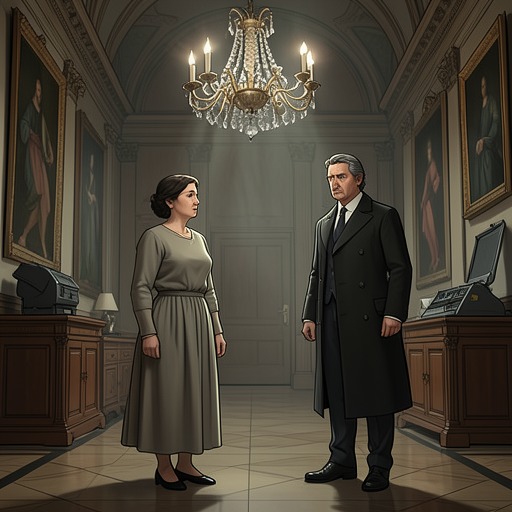
The Count gives Therese a package of poison and instructs her to put a dose into the chocolate the Marquise customarily drinks in the morning. He promises Therese immunity from the consequences and offers an annuity of two thousand crowns once she has carried out the deed. The arrangement makes the poison more than a weapon: it is the material proof of the bargain by which the Count tries to make Therese both accomplice and scapegoat.
The scheme proceeds despite an unexpected change in the Count's finances. Two days after making the pact, he learns that an uncle has left him an income of eighty thousand pounds. He nevertheless insists that the murder go forward, pressing Therese to act before the first quarterly payment on her promised annuity. His new inheritance does not loosen his hold on the plan; rather, his continued urgency makes the danger of the poison and the conspiracy more apparent.
Test and Exposure
Unwilling to carry out the murder and fearing the Count's reaction if she refuses, Therese chooses to warn the Marquise rather than seek legal help. She first secures the Marquise's promise not to retaliate against her nephew, then reveals the plot and produces the poison as evidence. The Marquise does not rely on the disclosure alone: she has a dog swallow a small dose, and the animal dies after two hours. The test confirms that the substance is deadly and dispels her remaining doubts about the accusation.
The Marquise sends a courier to the Duc de Sonzeval, asking him to approach the Secretary of State in secret, obtain a lettre de cachet, and come quickly to protect her from her nephew. But the animal's reaction draws the Count's attention. Hearing it and learning that his aunt is fond of it, he becomes suspicious; the Marquise's attempt to conceal the courier's mission cannot restore the secrecy the test has broken.
Consequences and Significance
The Count intercepts the courier, takes the dispatches, and pays him a hundred louis to disappear. Therese does not yet know that the warning has been compromised. After she leaves the château, the Marquise falls seriously ill and dies the following morning. The Count claims that a chambermaid poisoned her and fled, redirecting suspicion toward Therese and leaving the murder unpunished in the account related to the frame audience.
The poison thus produces a sharp reversal: it gives Therese and the Marquise concrete proof of the Count's intention, but exposing it also alerts him and fails to secure protection in time. In Therese's testimony to Madame de Lorsange and Monsieur de Corville, the object links a private criminal bargain to the wider pattern of her story, in which evidence and truthful warning do not reliably protect the innocent. The later account of the Marquise's death and the Count's fortune underscores the gulf between proof of danger and the achievement of justice.