
Ana’s Art and Identity
MayaAna’s resemblance to Goya’s portrait becomes a burden she cannot escape, while the family legend makes her identity appear caught between art, history, and fatal prophecy.
increasing Bearing strength in each event
 decreasing
Bearing strength in each eventdecreasingThe Recognizable Dancer
The Recognizable Dancer
A face seen before
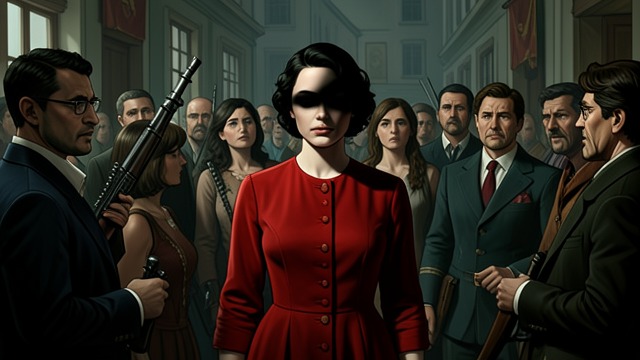
Frank repeatedly feels that Ana is familiar, and John independently reports the same impression. Ana’s appearance creates recognition without memory, leaving observers unable to say where they have seen her.
A public identity
Ana is both a flamenco dancer and a woman who dislikes being recognized. The mystery that fascinates Frank is therefore also an unwanted burden for Ana, whose face has already attracted too many comparisons.
The Heart’s Restriction
The Heart’s Restriction
A dancer’s illness
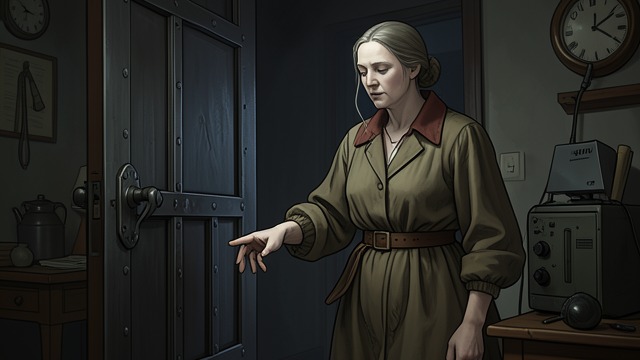
Ana has a heart condition that sometimes makes her lose color and eventually causes a serious collapse onstage. Doctors advise her to stop dancing and warn against pregnancy because exertion may be dangerous.
A life narrowed
Flamenco is central to Ana’s identity, so the restriction takes away more than a profession. The possibility of motherhood is also denied, intensifying the couple’s need to find meaning and pleasure in the time they have.
The Niña del Prado
The Niña del Prado
Resemblance becoming public
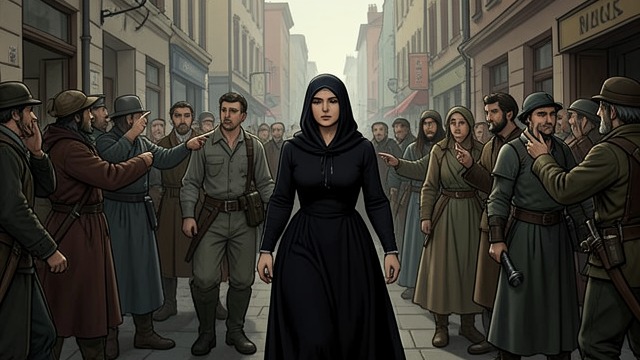
People tell Ana that she resembles the woman in Goya’s paintings. Over time, the likeness seems to grow stronger, and she is increasingly identified with the figure even when she changes her makeup or hairstyle.
A face that cannot hide
The name La Niña del Prado captures the pressure of being seen as an image before being seen as oneself. Ana’s discomfort is especially acute in Madrid, where strangers point her out and the portrait follows her into everyday life.
The Chase and Collapse
The Chase and Collapse
Bells in the garden
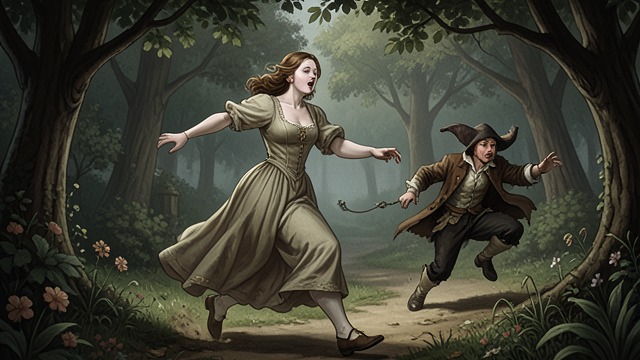
Ana sees the jester she associates with her family’s stories and pursues him through the gardens. Her conviction that she has heard his bells makes the legends feel immediate and personally addressed.
The body’s limit
She collapses after the chase and is taken to hospital. The event gives the family story a physical cost, although José later learns that Ana was pregnant and that the collapse may not have had the explanation he first feared.
A Death That Was a Ruse
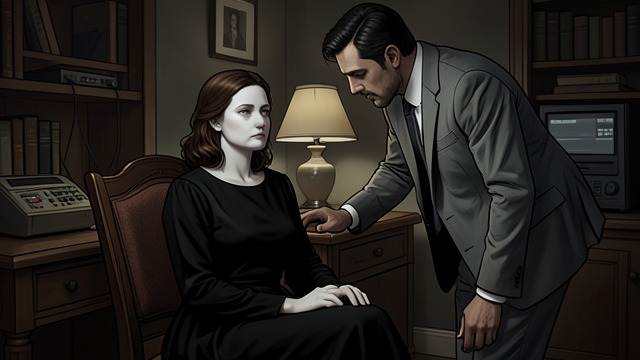
A Death That Was a Ruse
A false conclusion
Frank believes Ana has died after José tells him that she collapsed and then reports her death. The narrative’s elegiac account makes her absence appear final and shapes the meaning of the manifesto and funeral.
The living dancer
In John’s later account, Ana appears in person at the Seville gathering and performs flamenco. The apparent death is exposed as part of the story’s layered deception, leaving the reader to reconsider how much of Frank’s account was invented or misdirected.
Ana’s first days with Frank on Taveuni
Several years before the Taveuni journey
Ana’s adolescence and later years in Spain
The morning of Ana’s visit to the Alcázar gardens in 1998
During the Seville gathering, after the supposed funeral
