
Interzone’s Political Contest
Naked LunchThis thread follows the factions of Interzone as they compete over bodies, information, and the power to define social reality.
increasing Bearing strength in each event
 decreasing
Bearing strength in each eventdecreasingA City of Interests
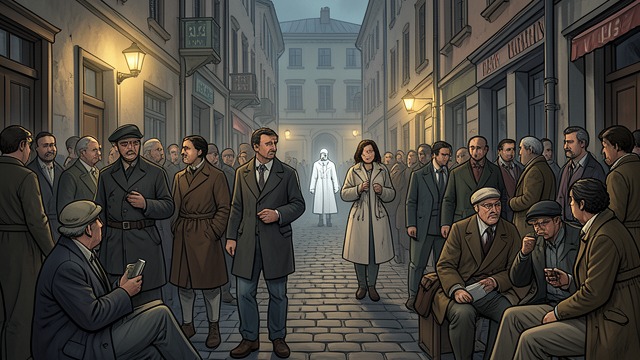
A Divided Field
Uncertain allegiance
Interzone is crowded with agents and rival interests, and even powerful figures conceal their affiliations. A person’s public identity offers little assurance of loyalty.
Politics as exposure
The city’s competing parties make ordinary life a field of surveillance and recruitment. Its political disorder is not an absence of control but a struggle to possess it.
The Factions Defined
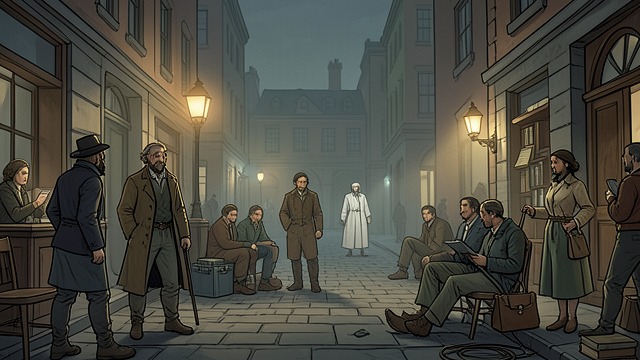
Competing Futures
Three ambitions
The Liquefactionists seek absorption, the Divisionists multiply replicas, and the Senders pursue unilateral influence. Their programs offer different routes toward eliminating independent difference.
A fragile opposition
The Factualists oppose coercive control and the other parties’ simplifying solutions. Their position is a defense of individual change rather than a promise to perfect society.
Islam Inc. Organizes
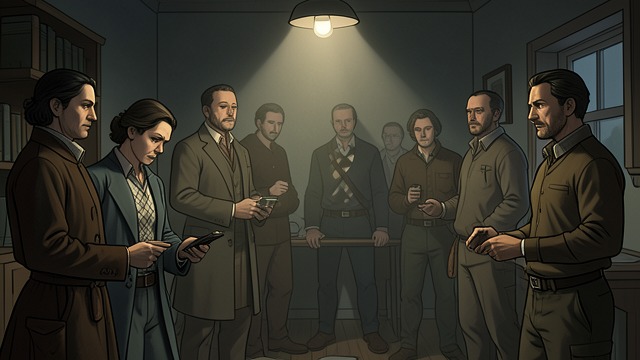
An Unstable Coalition
A common banner
Islam Incorporated gathers figures whose motives diverge, including A.J., Hassan, and Clem and Jody. Their participation is transactional, and no shared objective can be trusted at face value.
Built-in conflict
The organization’s meetings tend toward violence, while senior figures avoid the gatherings. Coalition becomes a cover for private schemes rather than a reliable political program.
The Sender’s Threat
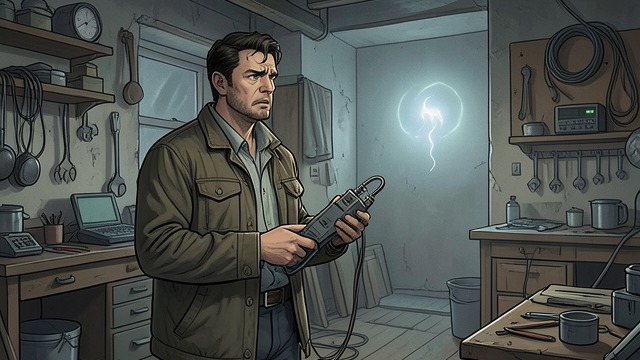
One-Way Influence
A proposed apparatus
A conference speaker describes a biocontrol apparatus capable of injecting signals into a subject’s nervous system. The proposal turns technical research into a plan for direct command.
Control reproduces itself
The warning argues that a Sender cannot use control as a means to any end except more control. The danger lies not only in a tyrant but in a system that expands by its own logic.
The Human Virus
A Systemic Diagnosis
The damaged image
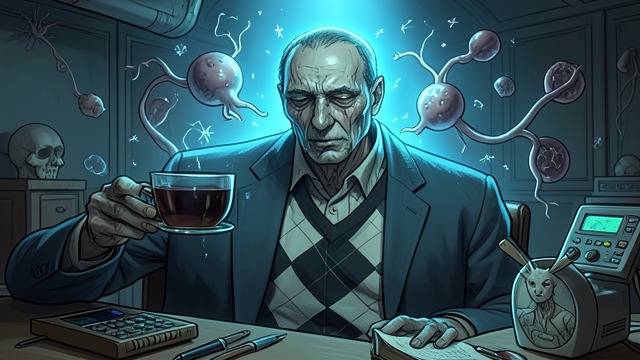
The book identifies the Sender as a human virus: a deteriorated form that survives parasitically by using its host. Poverty, war, bureaucracy, and hatred appear as symptoms of a wider condition.
Treatment remains uncertain
Naming the virus does not provide an easy cure. The diagnosis sharpens the stakes by making political control a threat rooted in human organization itself.
At the opening of the Interzone political material
During the account of Interzone’s parties
After the company’s leadership is introduced
During the account of technological psychiatry
Near the political material’s theoretical conclusion
