
The Unfinished Conflict with Death
NauseaThis flow traces Roquentin’s encounters with death as a feared future, a social narrative, and a fact that offers no guaranteed meaning.
increasing Bearing strength in each event
 decreasing
Bearing strength in each eventdecreasingDeath as an Unseen Boundary
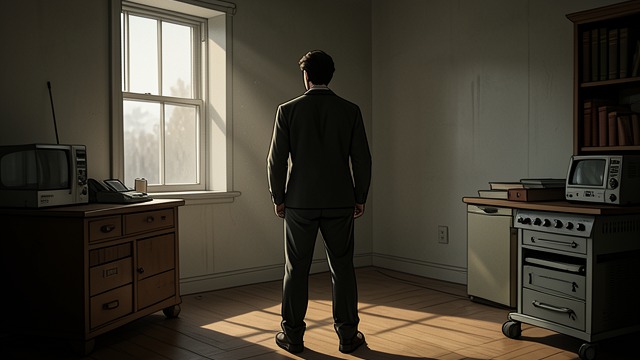
Death as an Unseen Boundary
The self looks beyond itself
Roquentin’s reflections on existence include the void beyond birth and death. The possibility of nonexistence does not explain why anything presently exists.
No stable consolation
Neither reason nor memory supplies a secure answer to the boundary of life. The thought intensifies his nausea, while leaving him unable to turn death into a purposeful conclusion.
The Gallery’s Civilized Death
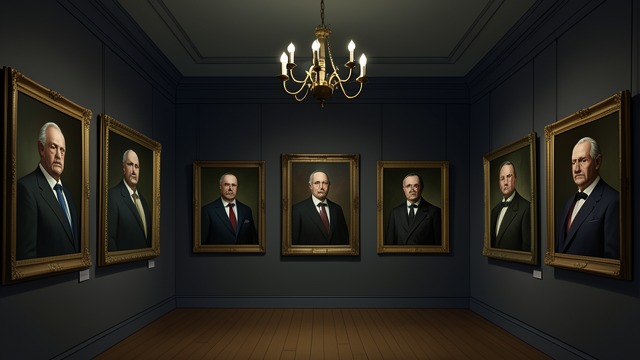
The Gallery’s Civilized Death
Death arranged as respectability
The portrait gallery presents prominent citizens as men whose family ties, work, and last rites protected them from disgrace. Their deaths appear to complete lives already authorized by society.
A social answer, not an existential one
Roquentin recognizes the gallery’s comfort as a civic narrative. It cannot establish that a well-ordered life is necessary or that death itself grants the meaning those portraits claim.
The Future Remains Open
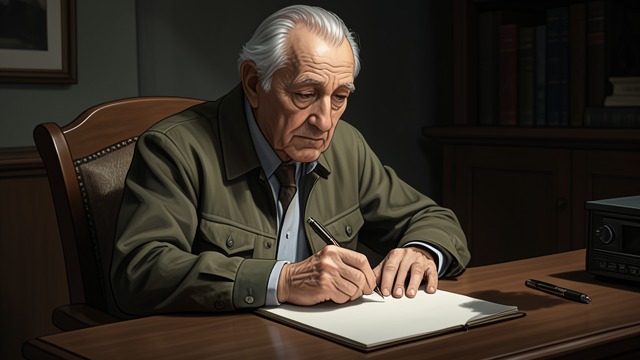
The Future Remains Open
An ending is not supplied
Roquentin imagines growing old and dying without finding a final justification in work, love, or travel. The recognition is bleak but does not compel a single action.
A possible beginning
The idea of writing a novel offers a limited response: a chosen form of work, not a victory over death. His future remains uncertain, and the novel ends before that possibility is tested.
During the early diary entries
During the Saturday museum visit
At the end of the novel
