Bishop's Anathema
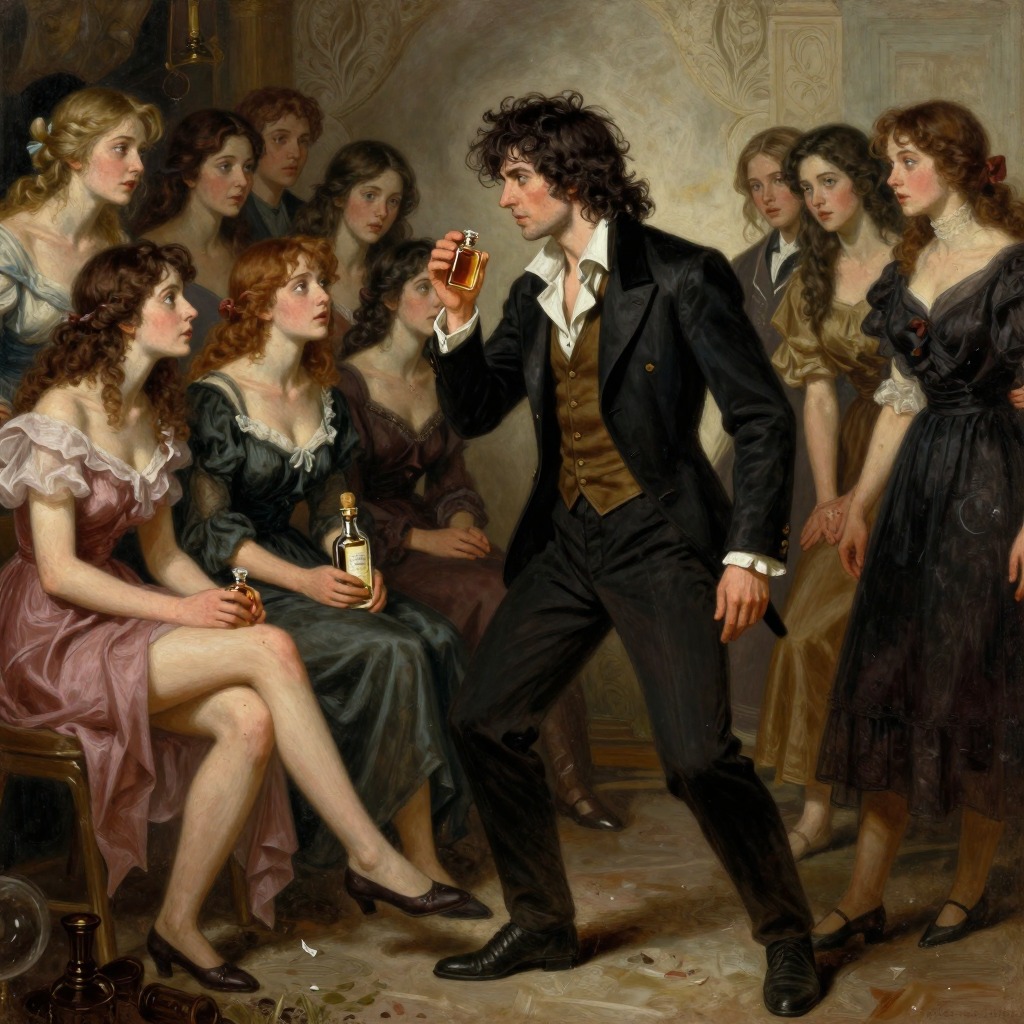
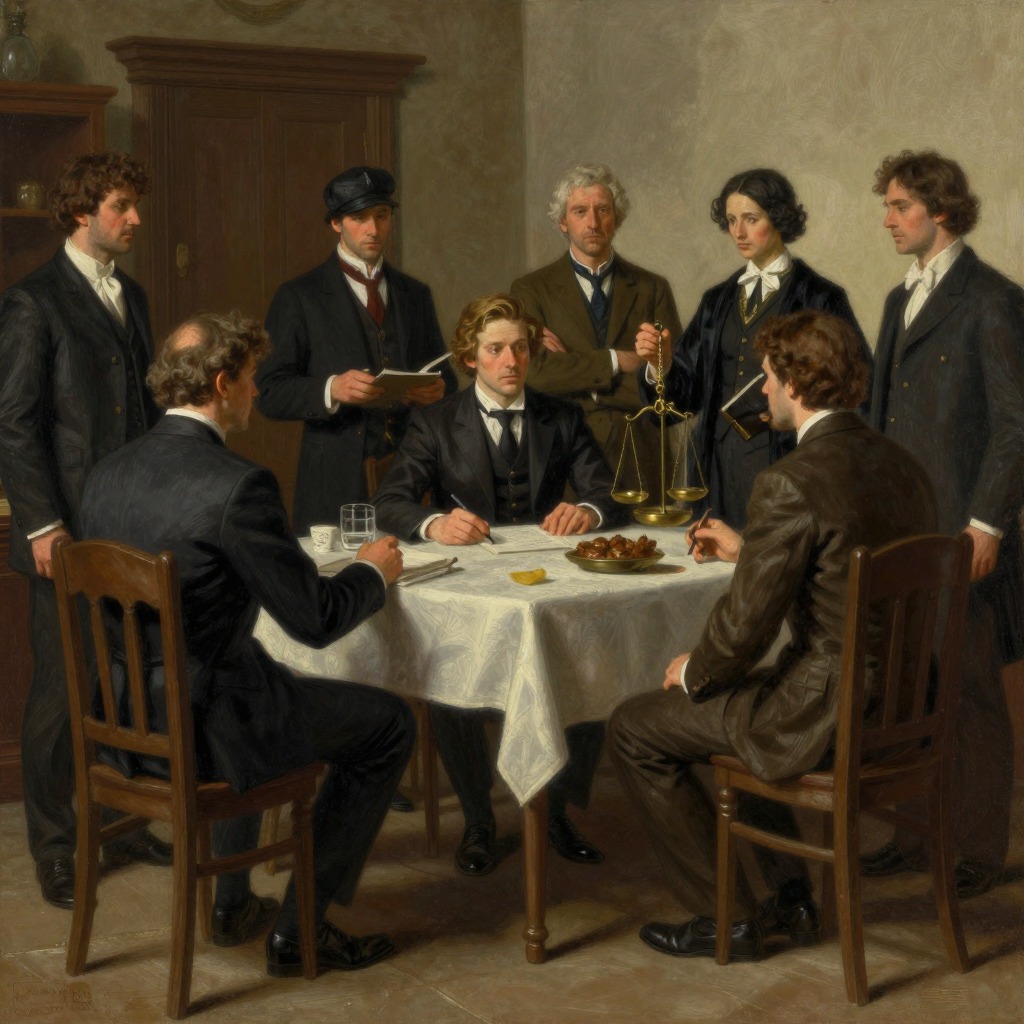
PerfumeThe Bishop's Anathema was the most dramatic institutional response to the wave of murders that terrorized Grasse throughout 1765. By September of that year, twenty-four young women—all virgins, all beautiful, all found naked and shorn with their skulls bludgeoned—had been killed. The town council, a committee of thirty of the richest and most influential commoners and nobles, had exhausted every secular measure: reinforced gate controls, nightly patrols, a curfew for women, the removal of the police lieutenant, and even an examination of the victims' bodies by the college of medicine. None of these steps produced a suspect or halted the killings. In their distress, these proud, anti-clerical men—who ordinarily paid no attention to the bishop and would have preferred to turn cloisters into warehouses—condescended to write an abject petition begging the bishop to curse the monster, just as his illustrious predecessor had done in 1708 when terrible locusts had threatened the land.
The Proclamation and Its Immediate Effect
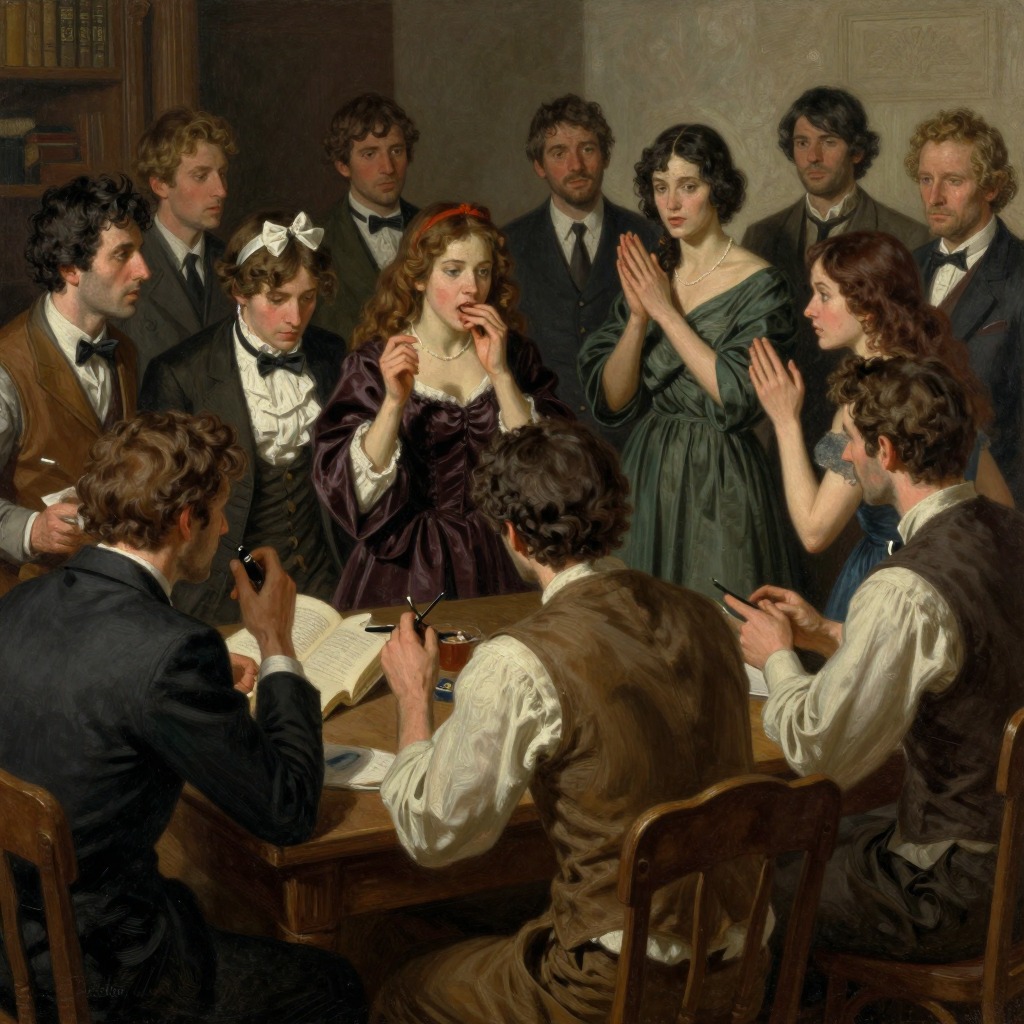
At the end of September 1765, the bishop complied. The murderer of the young women of Grasse was made anathema and excommunicated both in writing and from all the pulpits of the city, including a ban spoken by the bishop himself from the pulpit of Notre-Dame-du-Puy. The result was conclusive: from one day to the next, the murders ceased. October and November passed with no corpses. When reports came in from Grenoble that a murderer there was strangling young girls, tearing their clothes to shreds, and pulling their hair out by the handfuls, the citizens of Grasse—despite the coarse methods that in no way squared with the cleanly executed local crimes—were convinced it was the same person. In their relief that the beast was no longer among them, they organized a torchlight procession in honour of the bishop, celebrated a mass of thanksgiving on 24 December, and by 1 January 1766 relaxed the security measures and lifted the night-time curfew for women. Fear melted into thin air; no one spoke of the terror that had ruled both town and countryside. It was as if the bishop's curse had not only banned the murderer but every memory of him.
The Anathema's Failure and the Bishop's Reversal
The peace was an illusion. Antoine Richis, the second consul and the wealthiest citizen in Grasse, did not trust it. He had seen several of the murdered girls and recognized that the killer possessed exquisite taste and a systematic method; he concluded that the murderer was a careful collector of beauty, and that the most precious component needed for his picture—Laure, Richis's own daughter—remained the keystone. Richis attempted to smuggle Laure to the monastery of Saint-Honorat on the Îles de Lérins, but Grenouille tracked them to La Napoule and murdered her on the night of the new moon in March 1766. The anathema had not driven the killer away; he had never left. The bishop himself, during the execution scene on the parade grounds, was among those overwhelmed by Grenouille's perfume. As the condemned man stepped from the carriage, the bishop slumped forward, banged his forehead against his knees, and sent his little green hat rolling—not from illness, but from religious rapture. He believed a miracle had occurred: the Lord God had personally stayed the executioner's hand by disclosing as an angel the very man who had appeared a murderer. He felt splendid humiliation, sweet abasement, and the grace of being a bishop thus chastised by God. The anathema, which he had spoken without himself believing, merely to pacify the populace, was retrospectively contradicted by his own ecstatic submission to the man it had cursed.
Narrative and Thematic Significance
The Bishop's Anathema functions as a pivotal institutional failure in the novel. It represents the collapse of both ecclesiastical and secular authority before a threat that operates in a domain—scent—that these systems cannot perceive or counter. The curse works only as a placebo: it stops the murders not because it has any power over Grenouille, but because the killer chooses to pause his campaign while perfecting his techniques. The bishop's later rapture at the execution completes the irony: the same religious authority that excommunicated Grenouille later worships him, mistaking his stolen perfume for divine grace. The anathema thus becomes a symbol of the impotence of traditional power structures—church, state, law—against a genius who has learned to manipulate the one sense they ignore. The town's rapid forgetting of both the murders and the curse underscores how easily collective memory is erased when fear is replaced by relief, and how readily institutions are forgiven their failures when order is superficially restored.