
The Theme of Pride and Prejudice in Social Class
PersuasionExplores the novel's critique of class snobbery and its celebration of merit over birth.
increasing Bearing strength in each event
 decreasing
Bearing strength in each eventdecreasingThe Elliot Pride
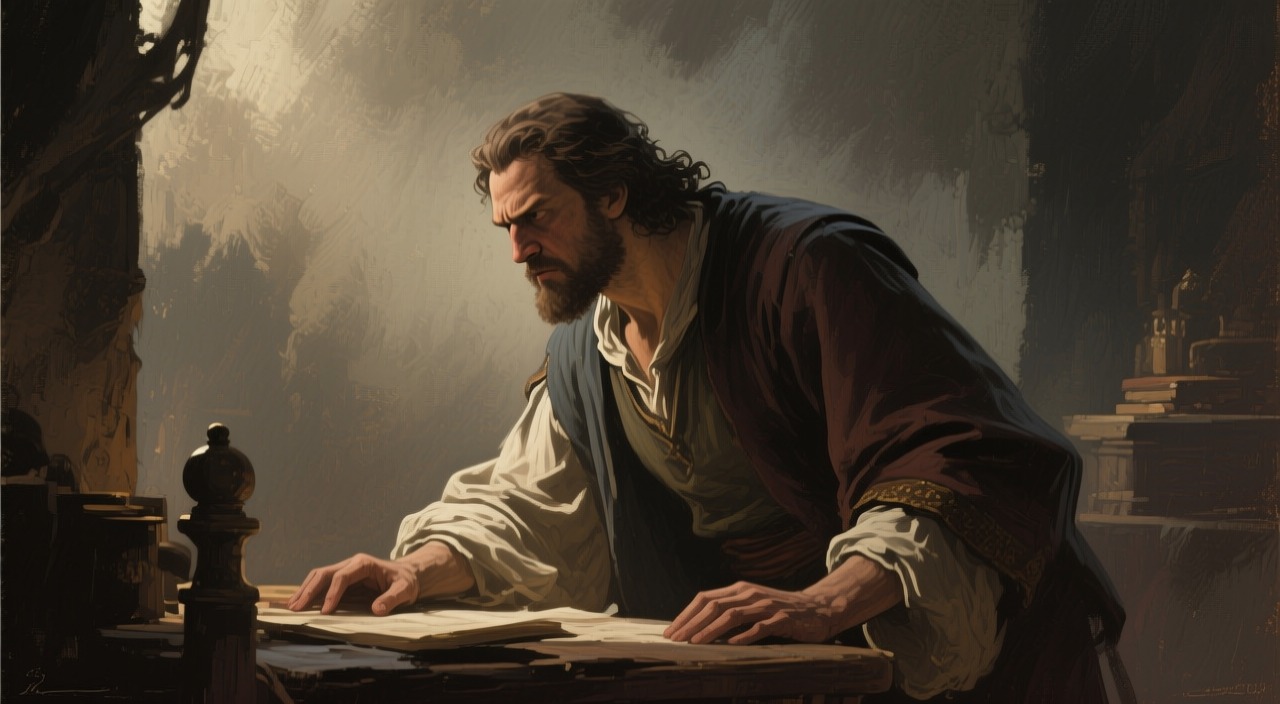
The Elliot Pride
A Flawed Family
Sir Walter and Elizabeth are obsessed with rank and appearance. They look down on the navy and on anyone of lower birth. Their pride makes them ridiculous and blind to their own faults.
The Consequences
Sir Walter's pride leads to his financial ruin. Elizabeth's pride prevents her from forming genuine connections. The novel satirizes their snobbery.
The Navy's Meritocracy
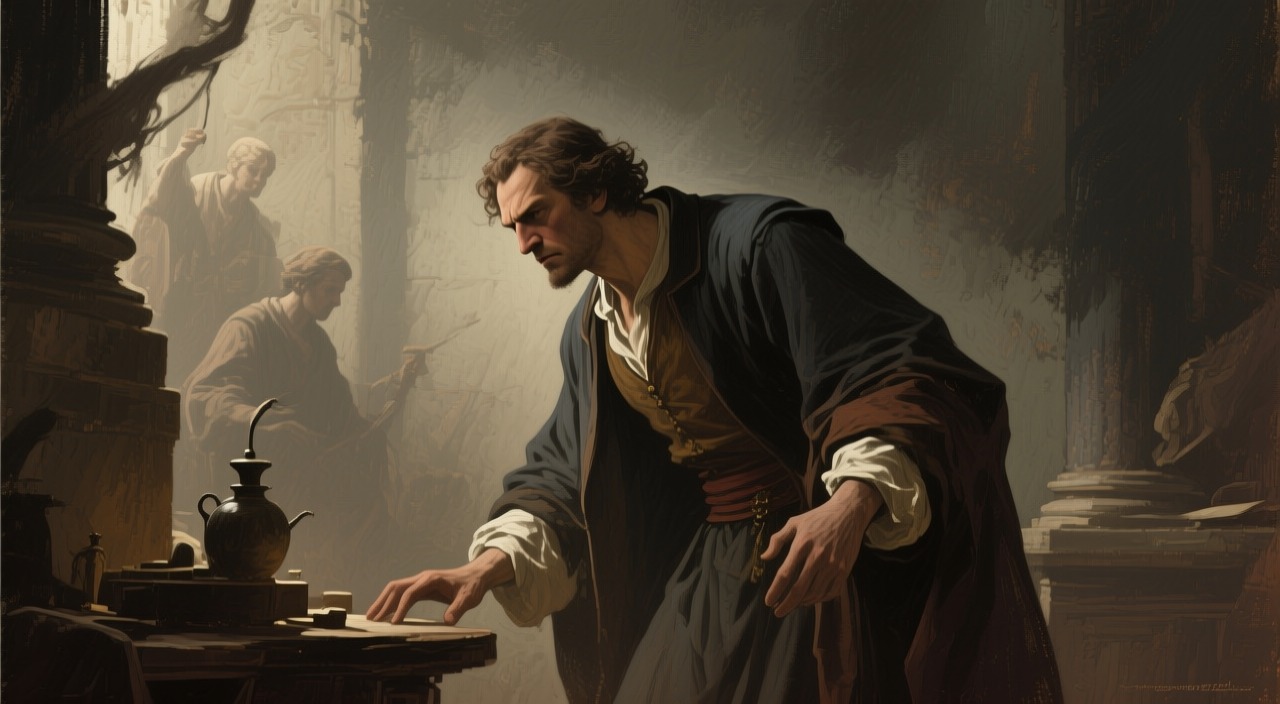
The Navy's Meritocracy
A New Elite
The naval officers, such as Wentworth, Croft, and Harville, have earned their wealth and status through hard work and bravery. They are practical, generous, and loyal. They represent a new social order based on merit.
The Superiority of Character
The novel argues that character is more important than birth. The naval heroes are shown to be more deserving of respect than the titled but foolish Sir Walter. The marriage of Anne and Wentworth symbolizes the union of old aristocracy and new merit.
The Rejection of Snobbery
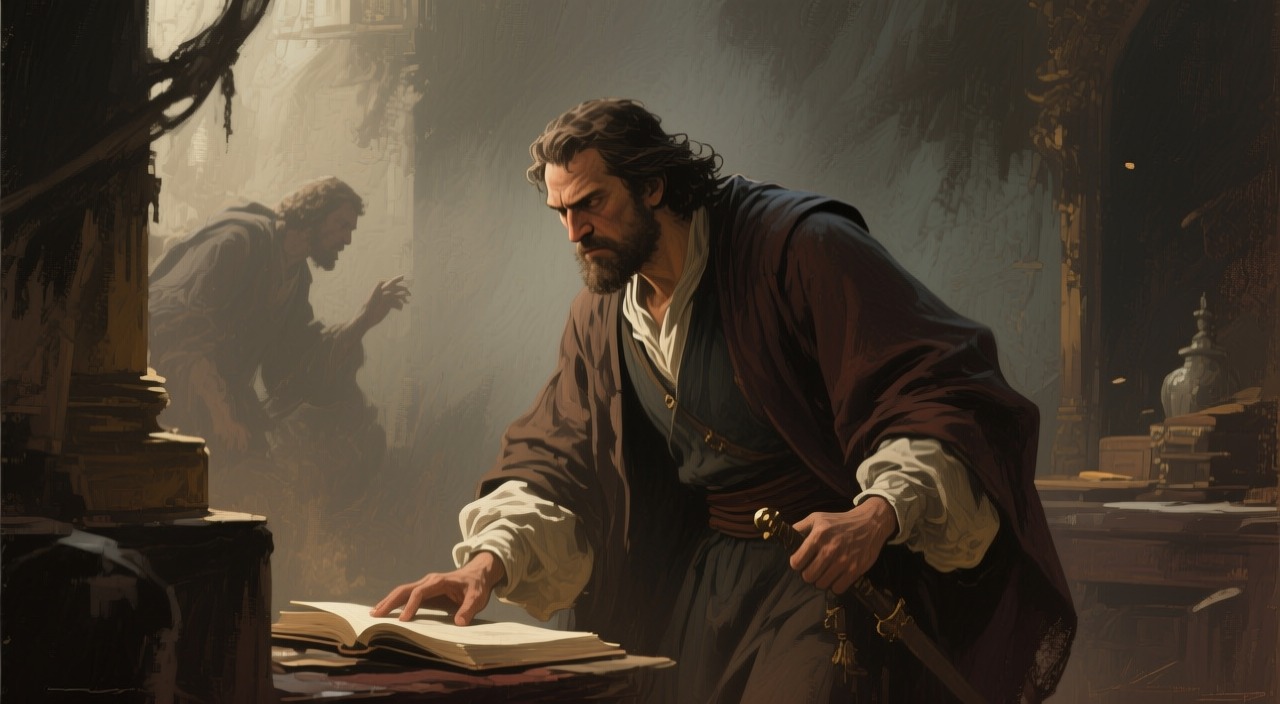
The Rejection of Snobbery
Anne's Choice
Anne chooses Wentworth, a sailor, over Mr. Elliot, a gentleman of birth. She values love and character over social position. This choice is a vindication of the novel's values.
A Happy Ending
The novel ends with the triumph of love over prejudice. The Elliots' pride is humbled, and the naval heroes are rewarded. The theme is resolved with a hopeful vision of a more just society.
Throughout the novel
Throughout the novel
1815
