Mr. Musgrove
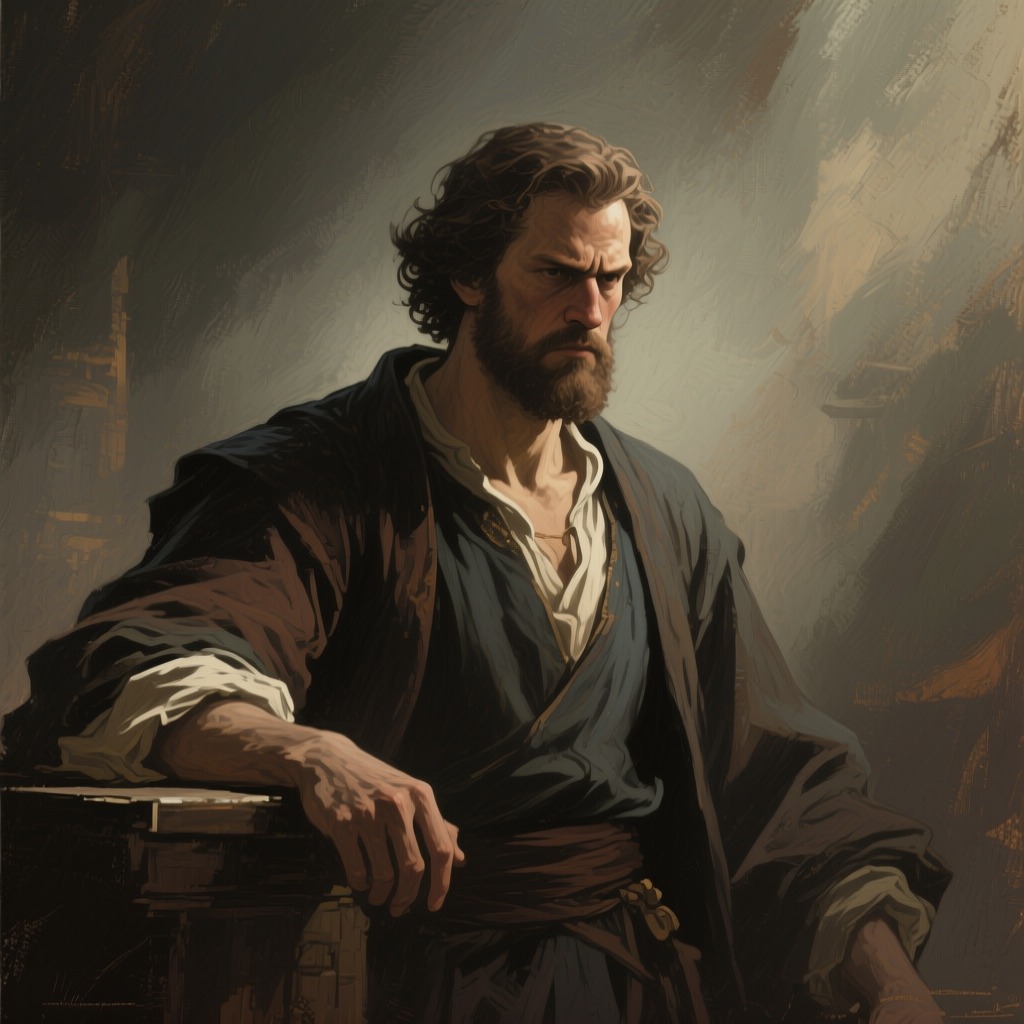
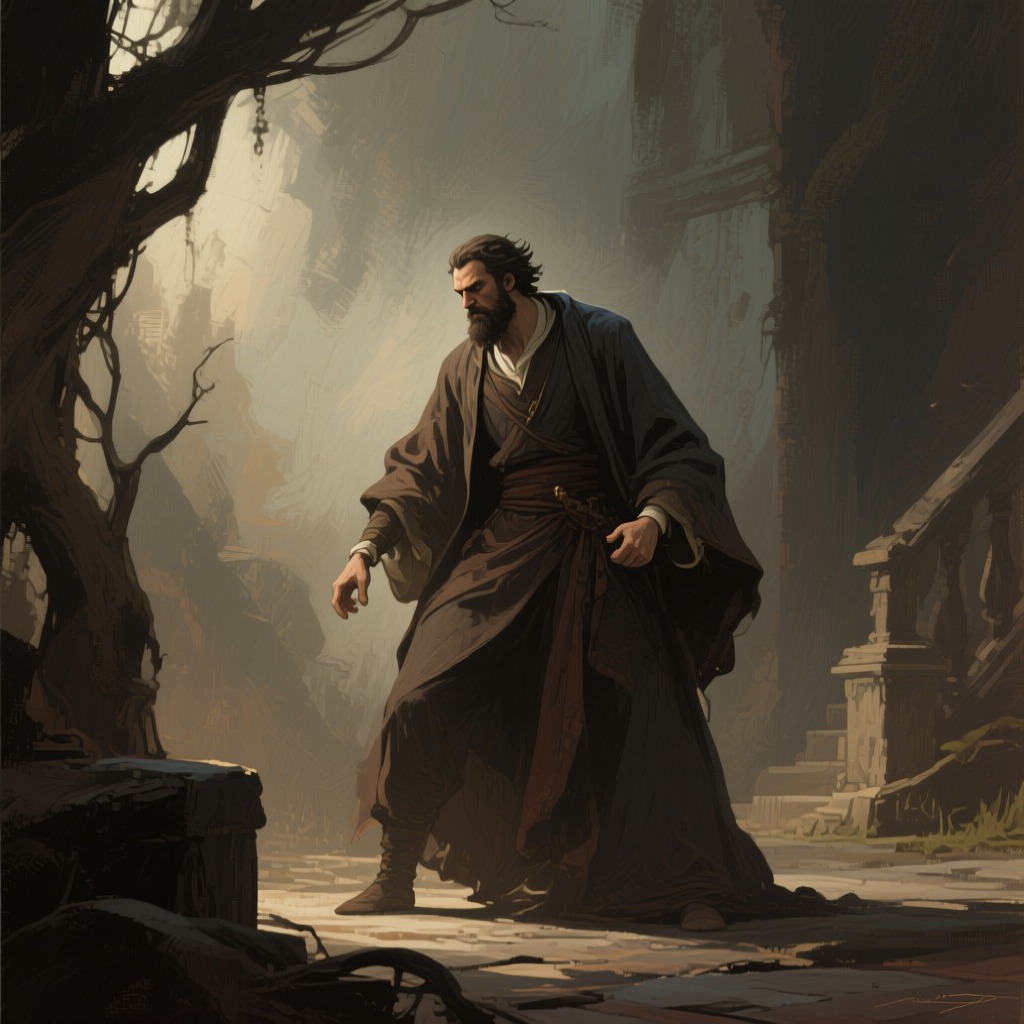
Mr. Musgrove, the elder Charles Musgrove, is the squire of Uppercross, a man of substantial landed property and general importance second in the county only to Sir Walter Elliot. He is a thoroughly good-natured, friendly, and hospitable man, not much educated and not at all elegant, but possessed of a warm heart and a generous disposition. His household at the Great House is the center of social life in the neighborhood, and he presides over it with an easy, unpretentious authority that stands in marked contrast to the cold formality of Kellynch Hall.
Character and Domestic Life
Mr. Musgrove is a creature of habit and simple pleasures. His time is occupied with his own game to guard and destroy, his horses, dogs, and newspapers. He is a devoted father, though his parenting style is indulgent and somewhat passive, leaving the management of his grown daughters largely to their own discretion. He is also a loving husband, sharing with Mrs. Musgrove a comfortable, if not particularly refined, domestic partnership. Their home is a place of constant bustle, filled with the noise of children, the chatter of young people, and the warmth of a roaring Christmas fire. Mr. Musgrove's contentment with this lively, unpolished domestic scene underscores his fundamental decency and his distance from the Elliot family's obsession with rank and appearance.
Role in the Plot
Mr. Musgrove's primary function in the narrative is as a foil to Sir Walter Elliot and as a source of uncomplicated goodwill. He is the first to welcome Captain Wentworth back to the neighborhood, eager to show his gratitude for the kindness the captain showed his late, troublesome son, Richard. He presses Captain Wentworth to dine at Uppercross and is genuinely delighted by his company. When his daughter Louisa is injured at Lyme, Mr. Musgrove is deeply distressed but defers to the practical arrangements made by others. His most significant act is his ready and ungrudging consent to both of his daughters' marriages: Henrietta's to Charles Hayter and Louisa's to Captain Benwick. He raises no objections based on fortune or rank, concerned only with his children's happiness, a generosity that Anne Elliot deeply admires.
Thematic Significance
Mr. Musgrove embodies the novel's celebration of genuine, unpretentious domestic affection over the cold calculations of social ambition. His easygoing nature and lack of vanity highlight the emptiness of Sir Walter's pride. His willingness to accept his daughters' choices, even when they are not financially brilliant, affirms the value of personal happiness over worldly advantage. In a novel where the central conflict revolves around the tension between prudence and feeling, Mr. Musgrove stands as a figure of instinctive, unreflective goodness, a reminder that a warm heart and a generous spirit are worth more than a baronetcy.