
The Theme of Domestic Happiness vs. Worldly Status
PersuasionContrasts the empty pursuit of social status with the genuine contentment of domestic life, exemplified by the Crofts and the Musgroves.
increasing Bearing strength in each event
 decreasing
Bearing strength in each eventdecreasingThe Elliots' Empty Pursuit
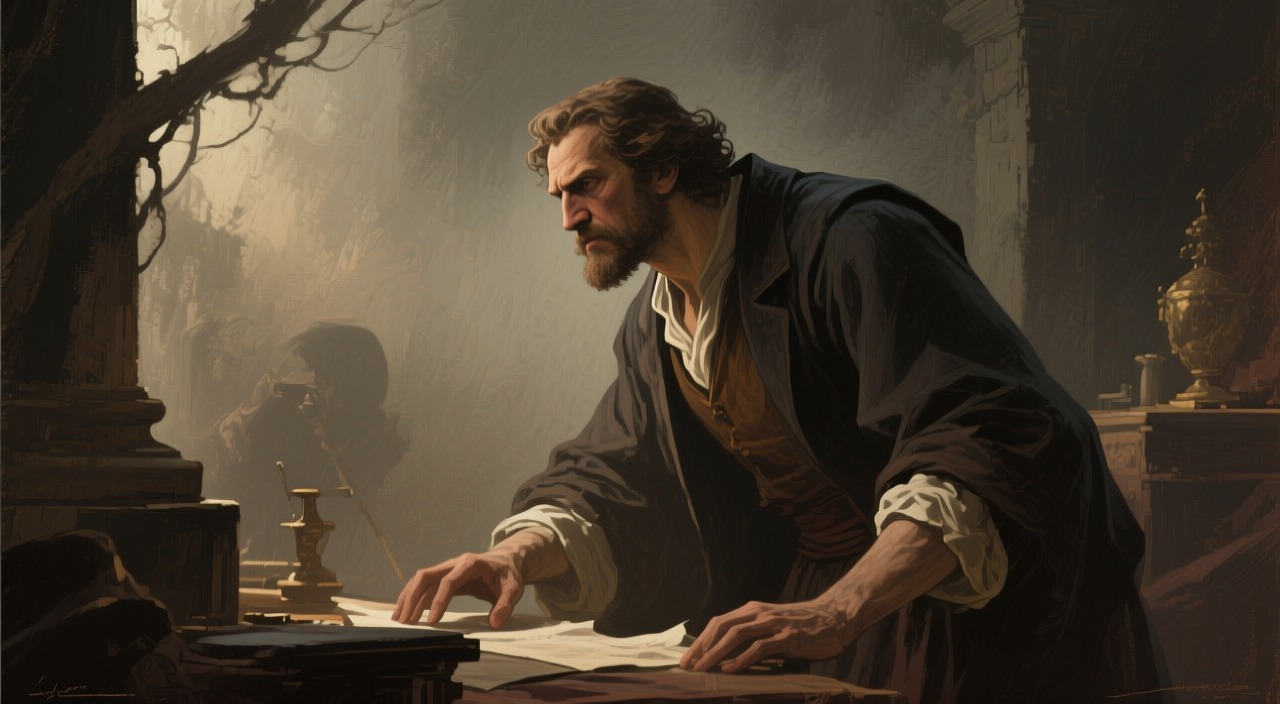
The Elliots' Empty Pursuit
A Life of Appearances
Sir Walter and Elizabeth are obsessed with their social standing. They are vain and shallow. They seek happiness through status, but they are never truly content.
The Cost of Vanity
Their pursuit of status leads to financial trouble and social embarrassment. They are isolated and unhappy. The novel criticizes their values.
The Genuine Happiness of the Navy Families

The Genuine Happiness of the Navy Families
The Crofts' Example
Admiral and Mrs. Croft are a happy couple. They enjoy each other's company, they are content with simple pleasures, and they are generous and kind. Their home is a place of comfort and warmth.
The Musgroves' Cheerful Home
The Musgrove household, though noisy and chaotic, is full of genuine affection. The family is hospitable and loving. The novel suggests that true happiness is found in domestic life, not in social ambition.
Anne's Choice
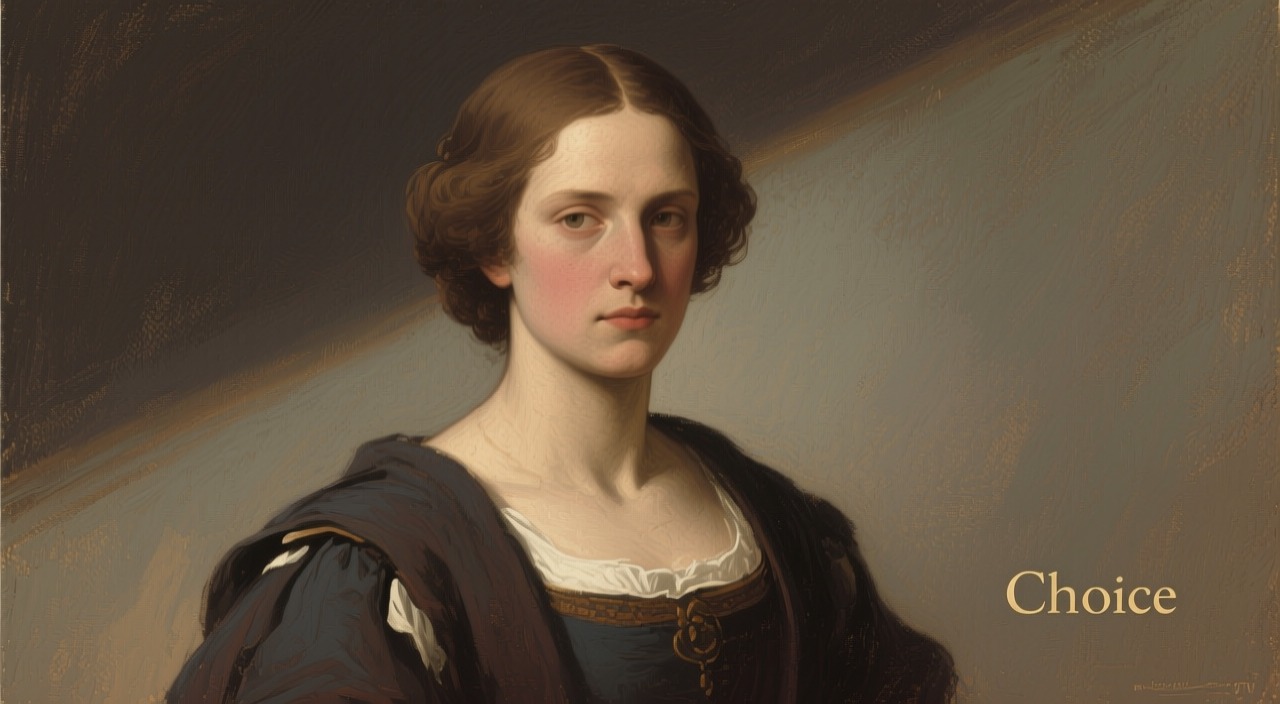
Anne's Choice
A Life of Love
Anne chooses to marry Wentworth, a man who offers her a life of companionship and affection, not a life of wealth and status. She finds happiness in being a sailor's wife, despite the anxieties it brings.
The Novel's Conclusion
The novel ends with a celebration of domestic happiness. Anne's marriage is the culmination of the theme. The novel argues that love and family are the true sources of contentment, far more valuable than the world's esteem.
1814-1815
Throughout the novel
1815
