
Desire and Desirelessness
PossessionCharacters repeatedly seek relief from desire while discovering that detachment can become another form of longing or self-protection.
increasing Bearing strength in each event
 decreasing
Bearing strength in each eventdecreasingLaMotte’s Solitude

The Pleasure of Seclusion
A Protected Life
LaMotte describes her quiet household as a chosen refuge, not an unfortunate confinement. She values writing and independence more than the social life Ash assumes she might want.
A Desire Underneath
Her repeated defense of solitude suggests that she is already negotiating a temptation to leave it. The novel treats autonomy as a real good that can still be vulnerable to desire.
The Affair’s Necessity
A Brief Happiness
Choosing the Moment
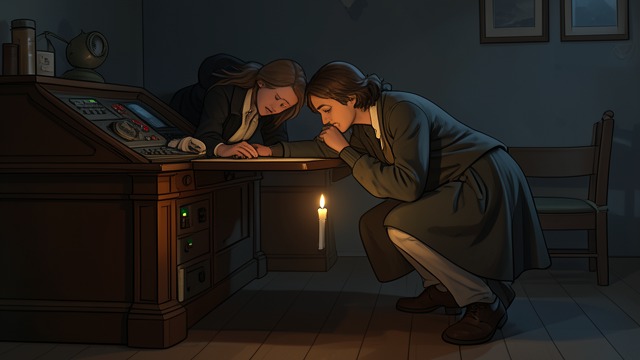
LaMotte and Ash accept the intensity of their time together while knowing that it cannot become an ordinary shared life. Their language of necessity makes desire feel both unavoidable and temporary.
The Cost of Fulfillment
The affair produces joy but also pregnancy, secrecy, and the prospect of separation. Desire does not dissolve social consequences; it makes them more immediate.
The Scholars’ Empty Bed
A Wish for Nothing
Shared Fatigue
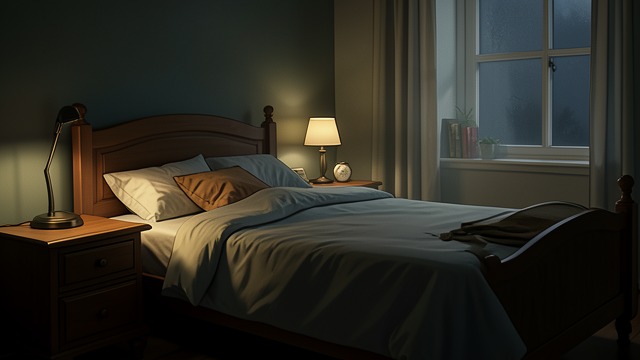
Maud and Roland admit that they both imagine an empty white bed and a life without demands. Their confession reveals exhaustion beneath their intellectual confidence.
A Temporary Refuge
The image lets them connect without naming desire directly. Their need for rest is real, but the stillness they seek cannot permanently replace relationship or work.
Brittany’s Quiet Intimacy
Contact Without Escalation
Separate Rooms
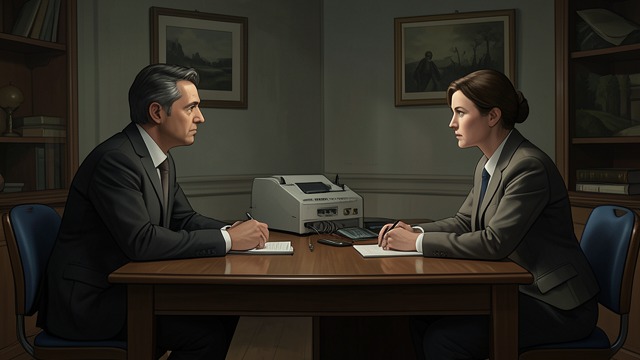
Maud and Roland live as companions on a shared holiday but maintain separate rooms and avoid naming their attachment. They touch lightly and spend long periods together without forcing a decision.
Desire Held Open
Their restraint protects the possibility of intimacy from familiar scripts of conquest. It also makes their relationship uncertain, leaving each afraid to ask what the other wants.
A Chosen Physical Union
Moving Beyond Abstention
Speaking Plainly
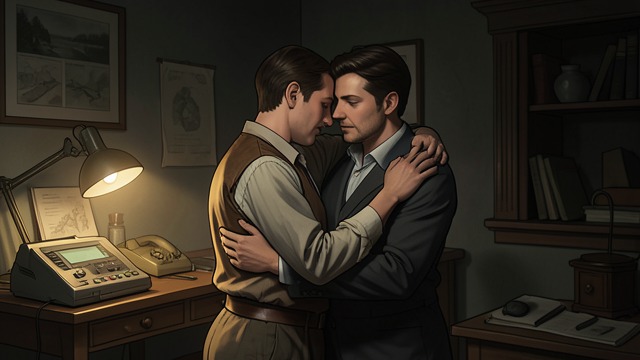
Maud and Roland acknowledge that they love each other and discuss her fear of being possessed. Their decision is made with explicit awareness of risk and difference.
A New Form of Desire
Their physical union is not presented as a cure or a final claim. It is a chosen encounter between two people who remain uncertain about the future but no longer pretend that nothing is wanted.
In her first letters to Ash
During the Yorkshire summer
Beside Thomason Foss
During the three-week stay in Brittany
After the box is opened
