
Mystery and the Limits of Reason
PossessionFrom séances to archives and storms, the novel tests reason without treating mystery as proof of the supernatural or as an excuse to stop thinking.
increasing Bearing strength in each event
 decreasing
Bearing strength in each eventdecreasingThe First Spirit Debate
Evidence and Belief
A Public Question
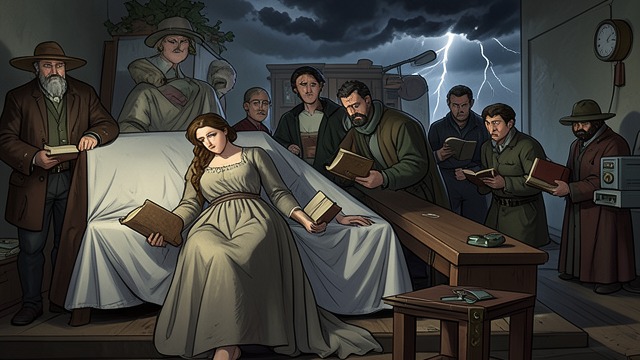
Guests debate spiritual manifestations, and Ash calls for reliable experimental proof. LaMotte declines a simple position, leaving her beliefs deliberately hard to classify.
The Imagination’s Role
Ash admits that historical writing requires a temporary poetic belief in another person’s mental universe. The novel begins by complicating any clean line between skepticism and imaginative participation.
The Séance as a Rupture
A Mystery Made Personal
The Message
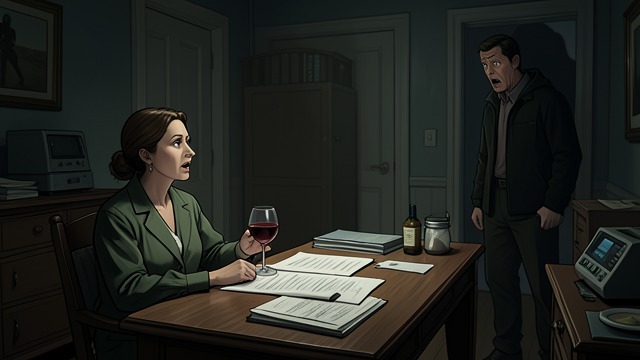
At Hella Lees’s séance, voices mention a child and ask who owned the stones. Ash responds with anger, apparently hearing an accusation connected to his own hidden life.
Unsettled Meaning
The event may combine fraud, grief, and some unexplainable perception. Its meaning cannot be settled by Ash’s certainty or Lees’s account alone.
The Novel’s Many Archives
Documents as Clues
Partial Records
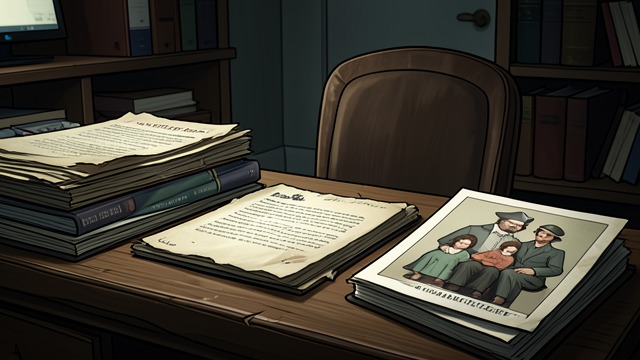
Letters, diaries, poems, wills, and family memories provide different accounts of the past. Each record has an author, an audience, and a reason for its omissions.
Reason Under Pressure
The scholars compare evidence instead of trusting a single voice. Mystery remains, but it becomes a disciplined question rather than a license for invention.
The Storm at Hodershall
Nature as an Uncontrolled Force
The Storm
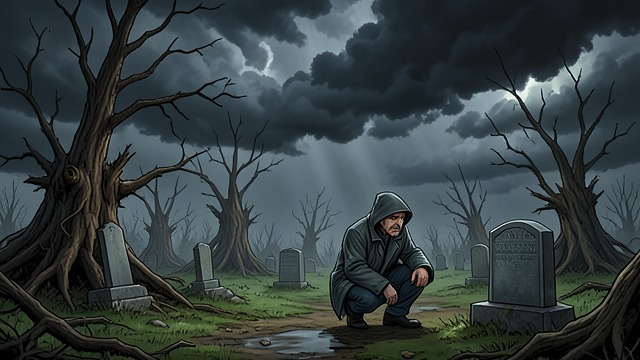
Wind tears through the churchyard as Cropper works. Trees split and fall, while the excavation becomes a physical danger to the men and the surrounding graves.
No Easy Explanation
The storm seems almost purposeful but is never declared supernatural. It interrupts human plans and exposes how little control scholarship, money, or confidence can exercise over the material world.
The Mystery That Remains

Knowledge Without Total Mastery
The Family Truth
LaMotte’s letter explains Maia’s parentage and the concealment that shaped several lives. The central factual mystery is answered.
Remaining Uncertainty
The letter cannot settle every question about motive, spiritual experience, or emotional memory. The novel ends with a truth recovered, not with the world reduced to a single explanation.
At Crabb Robinson’s breakfast party
After the 1859 affair
During the contemporary investigation
The night Cropper digs
At the novel’s close
