
Beauty, Art, and Moral Blindness
Quo VadisThis thread contrasts Petronius’s aesthetic ideals, Nero’s self-dramatization, and the human suffering that art cannot redeem.
increasing Bearing strength in each event
 decreasing
Bearing strength in each eventdecreasingThe Arbiter’s Standard
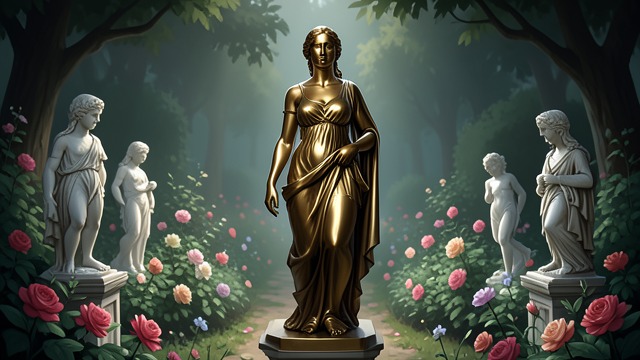
The Arbiter’s Standard
Beauty as a discipline
Petronius judges bodies, objects, poetry, and manners with refined attention, treating aesthetic distinction as a central value.
Ethical limits of taste
His polish does not initially prevent him from participating in a system that treats people as possessions.
Nero as Artist
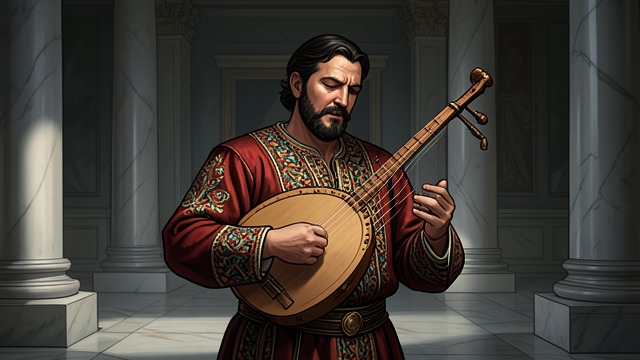
Nero as Artist
Performance seeks validation
Nero wants his singing and writing to be recognized as supreme achievements. Petronius manages his vanity with clever praise.
Art serves the ruler
The court’s aesthetic language conceals coercion, flattery, and fear rather than challenging them.
A City as Material
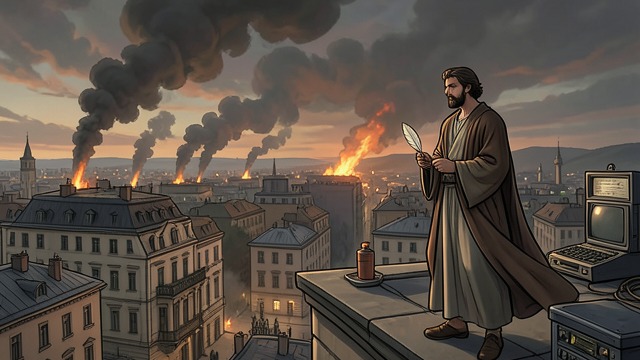
A City as Material
Catastrophe imagined as spectacle
Nero regards the burning city as a chance to complete a poem and experience a scene he has never witnessed.
Human cost dismissed
The destruction of homes and lives becomes subordinate to his artistic self-image.
Beauty in Sacrifice

Beauty in Sacrifice
Different visions of life
Petronius values beauty, sensation, and cultivated pleasure; Vinicius increasingly finds meaning in love that survives loss.
Art cannot settle the question
Petronius respects Christian courage but cannot surrender the life he has shaped around aesthetic pleasure.
The Artist’s Last Gesture
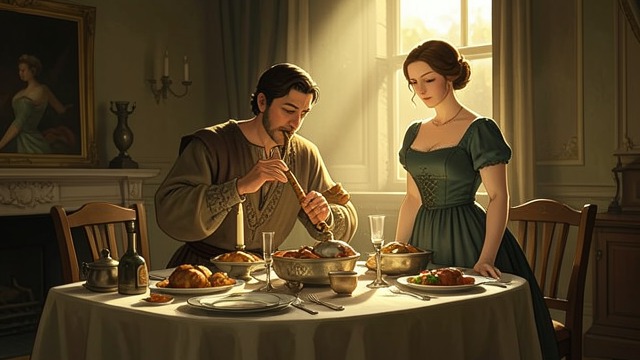
The Artist’s Last Gesture
Style becomes self-authorship
Petronius arranges his death with music, a feast, and Eunice beside him, shaping the ending as carefully as a performance.
Beauty meets mortality
The scene preserves his aesthetic identity but cannot erase the political violence that forces his choice.
At the beginning of the story
At the palace feast before the Great Fire
At the outbreak of the Great Fire
During Petronius’s final conversations with Vinicius
At the final banquet in Cumae
