Spring yell
Ronja, the Robber's DaughterSpring yell is Ronia’s bird-sharp cry of joy, sounded in the forest as winter gives way to spring. Its final return gathers together the story’s seasonal pattern: after hardship, exile, and the knowledge that summer cannot last, Ronia and Birk come back to Bear’s Cave and greet the renewed wilderness as home.
Spring’s Return
Spring first arrives around Matt’s Fort as a force heard and felt across the landscape. Snow melts down the cliffs into the river, which roars, foams, and sings through its waterfalls. After the long winter, Matt’s robbers ride out through Wolf’s Neck, splashing through the stream and singing as their life on the road begins again. For Ronia, the season also means a return to the woods she has missed: Matt had kept her at home during winter, insisting the spring forests were dangerous until he set out.
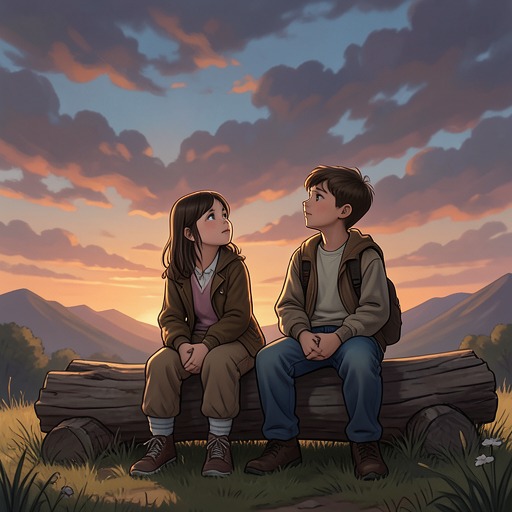
That opening associates spring with movement and release, but the season’s promise is not uncomplicated. In Bear’s Cave, Ronia and Birk recognize that their difficult life there has not broken their spirits: warm and fed, they feel free, and Ronia calls the cave their kingdom. Later, when Birk tells her that summer has come, she feels the truth of it and says she will carry the summer in her memory for as long as she lives. Their delight is shadowed by what they know about time. Summer will end, so they try to inhabit every hour and gather its sweetness against the coming winter.
A Cry at Home
The seasons turn despite that wish to hold summer. Noddle-Pete’s saying links the Unearthly Ones’ lamenting songs in the forest with autumn’s arrival and the approach of winter. The summer fades, and stubborn autumn rains unsettle even Ronia, who usually likes rain. Against this cycle, the spring yell is not a claim that hardship has vanished forever; it is a bodily expression of joy at being alive in the renewed woods.
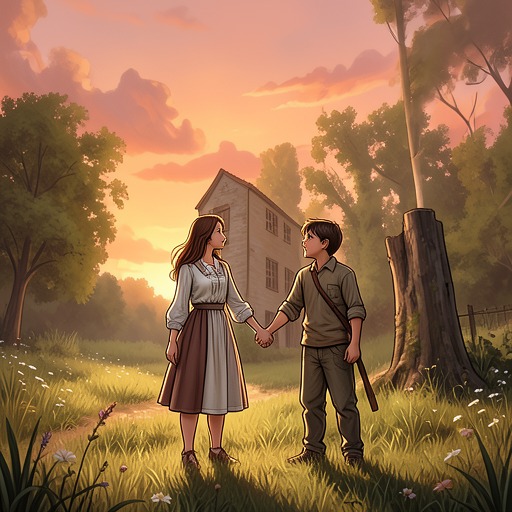
At the story’s end, Ronia and Birk stroll through their woods on an early spring morning. Trees, water, thickets, and the surrounding wilderness teem with birdsong, rushing, buzzing, and murmuring. They arrive at Bear’s Cave, their home in the wilderness, and find it safe and familiar: the river still runs below, the woods remain in the morning light, and spring is new while also being, in a deeper sense, the same as ever. Ronia tells Birk not to be scared because her spring yell is coming, then cries out, shrill as a bird, so that the sound carries far through the forest.
Meaning and Recurrence
The yell joins renewal to continuity. It answers the spring song of the river and echoes the earlier season’s shout of joy, but its final setting gives that joy an intimate destination: the cave shared by Ronia and Birk. The wilderness is not merely a place they have escaped to; it is the home to which they return, familiar without being frozen in the past. Ronia’s cry marks their renewed belonging there and gives audible form to a freedom grounded in the living forest.
The seasonal imagery also distinguishes present pleasure from any promise of permanence. Ronia and Birk have known that summer must end and have tried to preserve it inwardly, while the arrival of spring at the close offers a fresh beginning rather than an escape from time. The spring yell therefore carries both exhilaration and recurrence: it celebrates this morning’s life in the woods, and it makes the return to the cave feel like entering a world that can be renewed again.