
The Transformation of Service
Serve the People!The novel follows service from an ethical ideal into a career formula and erotic code, then returns to the original speech that gives the principle a more demanding meaning.
increasing Bearing strength in each event
 decreasing
Bearing strength in each eventdecreasingA Political Ideal
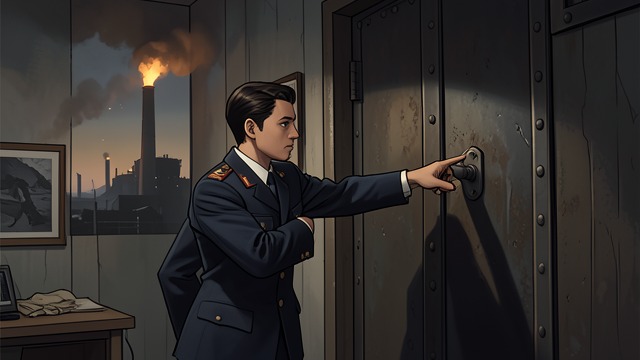
Service and Sacrifice
The speech’s claim
Mao Zedong’s address honoring Zhang Side distinguishes deaths by the cause they serve and argues that the revolutionary ranks should correct shortcomings and care for one another.
An ethical standard
The speech describes service as more than obedience to a superior. Its ideals of criticism, solidarity, and useful sacrifice create a standard against which the novel’s later uses of the slogan can be measured.
The Soldier’s Formula

Service as Practice
A lesson learned
Wu Dawang argues that people must serve others in practice as well as in theory. His conduct wins approval from the Political Instructor and helps advance his career.
A double meaning
The principle gives him a sincere ethic of useful work, but also becomes a vocabulary through which he pursues honors and official status. Ideals and ambition begin to coexist.
Household Service
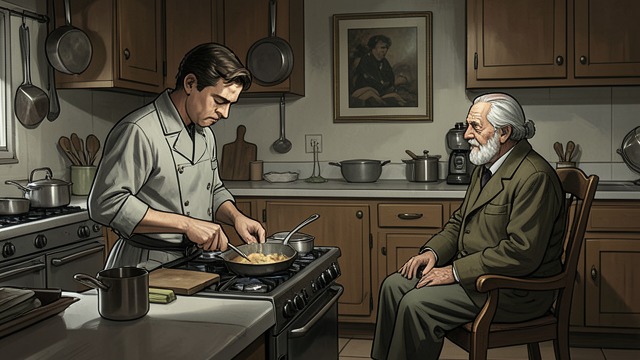
Political Language at Home
Duty extended
Wu Dawang is told that serving the Commander and his family is service to the people. His cooking and cleaning are given the weight of public service.
Hierarchy legitimized
The formula makes domestic labor politically meaningful while placing the orderly beneath the senior household. The slogan carries both an ethical promise and an institutional convenience.
The Lovers’ Code
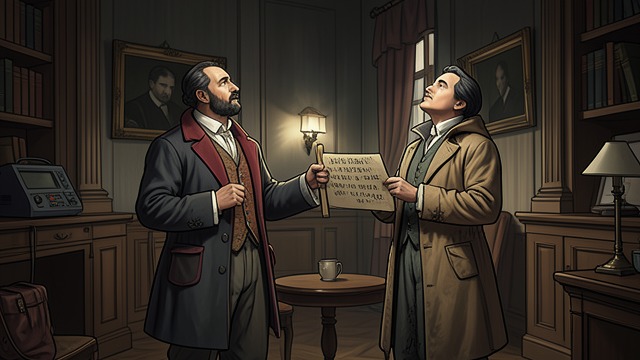
Service Recast
Private summons
The sign’s political message becomes a signal for Liu Lian to call Wu Dawang upstairs. The lovers use service language to give erotic desire a comic public disguise.
Ideal emptied and revived
Their game makes the slogan ridiculous, yet it also gives the two characters a language for reciprocal care. Political meaning is neither wholly erased nor left intact.
The Final Test
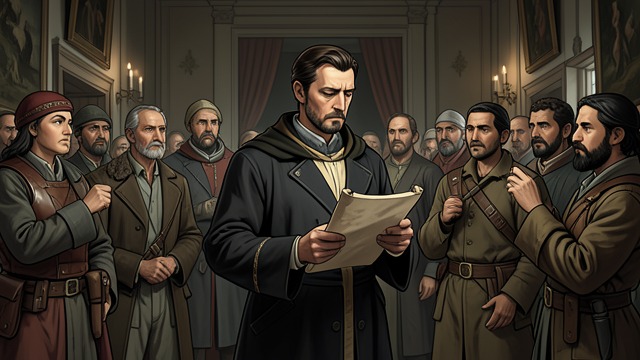
Principle Restored
A speech returns
The novel concludes with the full political address about Zhang Side, recalling solidarity, criticism, and devotion to the people. Its serious tone follows the lovers’ comic and destructive uses of doctrine.
A question for the reader
The juxtaposition asks whether officials and institutions have served the people they invoke. The speech does not excuse the characters but makes the gap between principle and practice unmistakable.
In the closing speech’s historical setting
During Wu Dawang’s early service
At the start of Wu Dawang’s orderly posting
During the affair’s early weeks
In the book’s last pages
