Siddhartha's Departure from Home
SiddharthaSiddhartha, the handsome and beloved son of a Brahman, had grown up in the shade of the Sal-wood forest and the fig tree, partaking in the discussions of the wise men and practising the art of meditation. Yet despite the joy he brought to his father, his mother, and his friend Govinda, he himself was not a source of joy; he found no delight in himself. Dreams and restless thoughts came into his mind, and he started to nurse a deep discontent, feeling that the love of his family and the teachings of the Brahmans would not bring him lasting satisfaction. The ablutions were good, but they were water; they did not wash off the sin, nor heal the spirit's thirst. He suspected that his venerable father and the other wise men had already revealed to him the most and best of their wisdom, but the vessel was not full, the spirit was not content, the soul was not calm. The question burned in him: where was the Atman to be found, if not in one's own innermost self? And nobody showed this way, not the father, not the teachers, not the holy sacrificial songs. They knew everything, but was it valuable to know all of this without knowing the one and only thing, the solely important thing?
The Decision and the Vigil
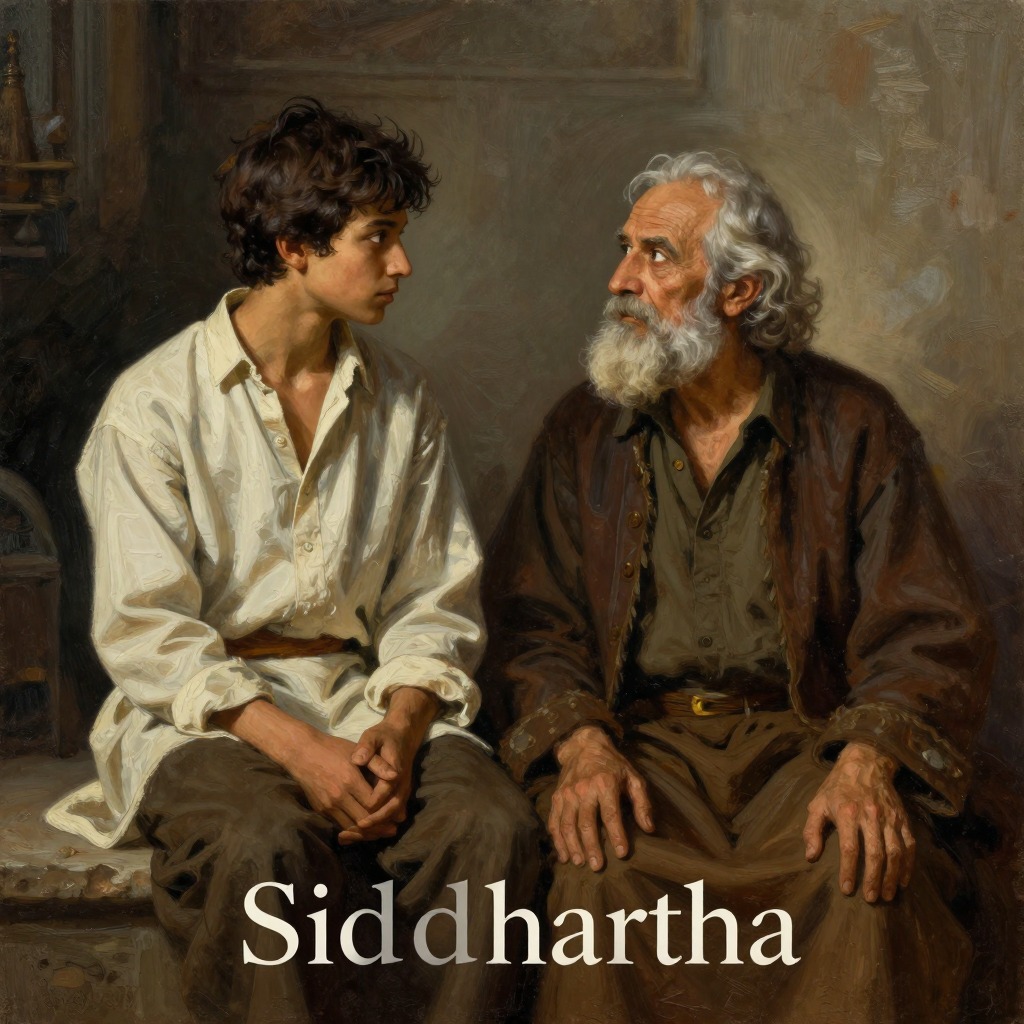
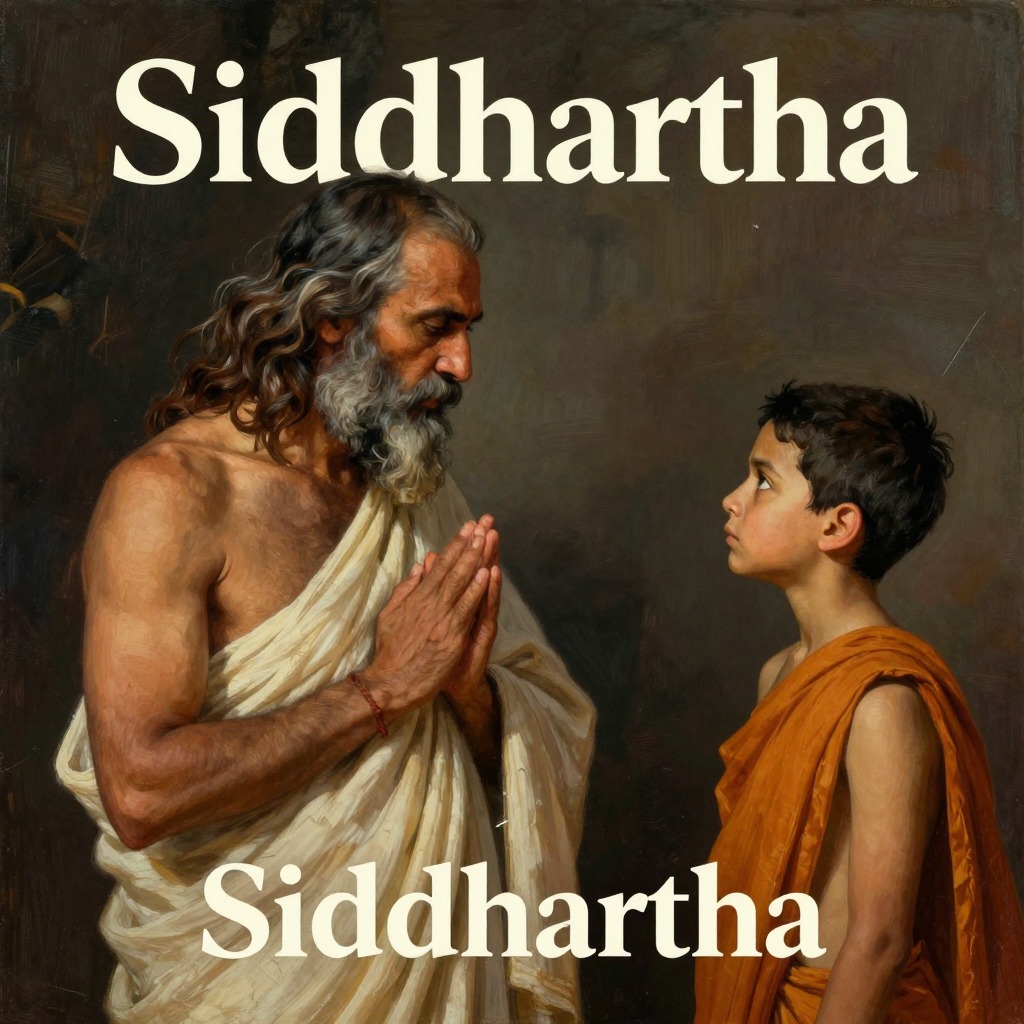
When Samanas—ascetics on a pilgrimage, three skinny, withered men with dusty and bloody shoulders, almost naked and scorched by the sun—passed through the town, Siddhartha's resolve crystallized. After the evening's hour of contemplation, he told Govinda: "Early tomorrow morning, my friend, Siddhartha will go to the Samanas. He will become a Samana." Govinda turned pale, realizing that now Siddhartha was taking his own way and that his own fate was beginning to sprout. Siddhartha then entered his father's chamber, where the Brahman sat on a mat of bast. He stood behind his father until the old man felt his presence. Siddhartha spoke: "With your permission, my father. I came to tell you that it is my longing to leave your house tomorrow and go to the ascetics. My desire is to become a Samana. May my father not oppose this." The Brahman fell silent and remained silent for so long that the stars in the small window wandered and changed their relative positions. Then he spoke, his heart filled with indignation: "Not proper it is for a Brahman to speak harsh and angry words. But indignation is in my heart. I wish not to hear this request for a second time from your mouth." Slowly, the Brahman rose; Siddhartha stood silently, his arms folded. When his father asked what he was waiting for, Siddhartha replied, "You know what." Indignant, the father left the chamber and went to his bed, but no sleep came. He returned hour after hour, looking through the small window, and each time saw Siddhartha standing motionless, his arms folded, first in the moonlight, then by the light of the stars, then in the darkness. The father's heart filled with anger, unrest, anguish, and sadness. In the night's last hour, before the day began, he stepped into the room and saw the young man standing there, who seemed tall and like a stranger to him. He asked again what he was waiting for, and Siddhartha answered, "You know what." The father asked if he would stand and wait until morning, noon, and evening; Siddhartha said he would. When his father warned that he would become tired, fall asleep, and die, Siddhartha accepted each consequence without wavering. "And would you rather die, than obey your father?" the Brahman asked. Siddhartha replied, "Siddhartha has always obeyed his father." The first light of day shone into the room, and the Brahman saw that Siddhartha was trembling softly in his knees, though his face showed no trembling and his eyes were fixed on a distant spot. Then his father realized that even now Siddhartha no longer dwelt with him in his home, that he had already left him.
The Father's Blessing and the Departure
The father touched Siddhartha's shoulder and spoke: "You will go into the forest and be a Samana. When you'll have found blissfulness in the forest, then come back and teach me to be blissful. If you'll find disappointment, then return and let us once again make offerings to the gods together. Go now and kiss your mother, tell her where you are going to. But for me it is time to go to the river and to perform the first ablution." He took his hand from his son's shoulder and went outside. Siddhartha wavered to the side as he tried to walk, then put his limbs back under control, bowed to his father, and went to his mother to do as his father had said. As he slowly left on stiff legs in the first light of day the still quiet town, a shadow rose near the last hut—Govinda, who had crouched there, joined the pilgrim. "You have come," said Siddhartha and smiled. "I have come," said Govinda. In the evening of that day, they caught up with the ascetics, the skinny Samanas, and offered them their companionship and obedience. They were accepted.
Consequences and Narrative Significance
This departure is the foundational event of Siddhartha's entire life-journey, the first of many ruptures that define his path. It establishes the pattern of leaving behind the known—home, family, caste, and teachings—in pursuit of a direct, unmediated experience of the self. The silent vigil, in which Siddhartha's immovable will overcomes his father's authority, prefigures the later scene by the river where he will again stand motionless, this time on the brink of suicide, and be saved by the sound of Om. The father's blessing, conditional on Siddhartha's eventual return with either bliss or disappointment, echoes throughout the novel: Siddhartha never returns to his father, but the cycle of a son leaving a father is repeated when his own son, Siddhartha the younger, runs away from him. The departure also initiates the lifelong friendship with Govinda, who follows as his shadow, a relationship that will be tested and transformed over decades. In the final meeting with Govinda, Siddhartha will reflect on this very departure, telling his old friend that he had to leave his father and his teachers because he had grown distrustful of teachings and learning. The departure from home is thus not merely a biographical incident but the archetypal act of the seeker who must abandon all external authority to find the truth within himself.