
The Caine Mutiny Trial as Institutional Conflict
The Caine MutinyThe trial turns an emergency decision into a conflict between individual judgment, medical authority, and the Navy’s need for an unbroken chain of command.
increasing Bearing strength in each event
 decreasing
Bearing strength in each eventdecreasingA Difficult Charge
A Difficult Charge
Legal Framing
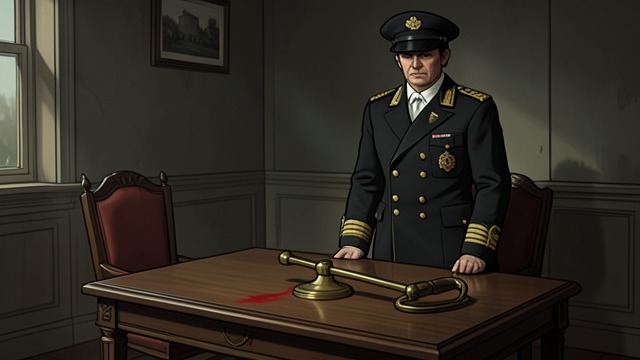
The Navy does not pursue a straightforward mutiny charge. The case is framed as conduct prejudicial to good order and discipline after an investigation recommends trial.
Stakes
The phrasing makes the dispute about whether Maryk had authority and just cause, not whether the ship’s command changed.
The Prosecution’s Case
The Prosecution’s Case
Argument
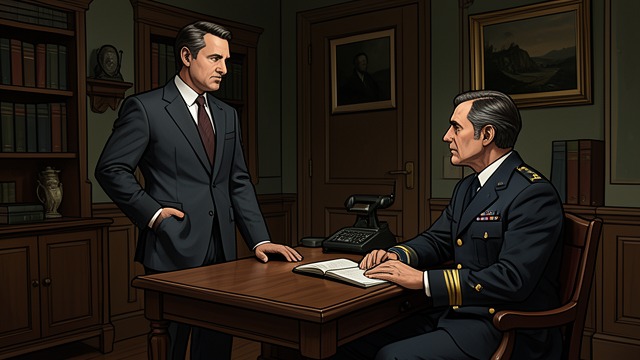
Challee presents Queeg’s clean record, witnesses who saw no obvious madness, and psychiatrists who find him fit for command.
Risk
Maryk’s reliance on a lay diagnosis and the officers’ hostility to Queeg threaten to make necessary action look like insubordination.
The Word Paranoid
The Word Paranoid
Examination
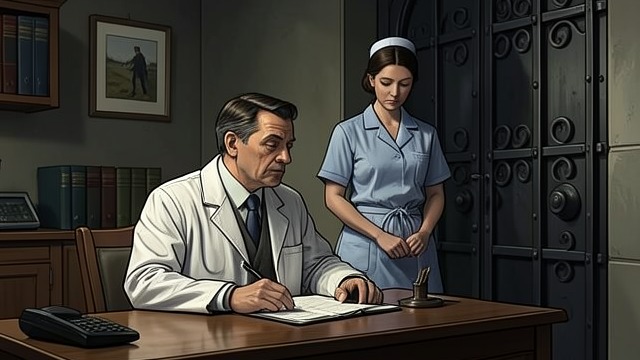
Greenwald elicits that Queeg has paranoid and obsessive features, while the medical board insists they are not disabling.
Ambiguity
The testimony exposes how a psychiatric label can clarify behavior without settling the practical question of fitness under extreme command stress.
The Captain’s Own Testimony
The Captain’s Own Testimony
Contradictions
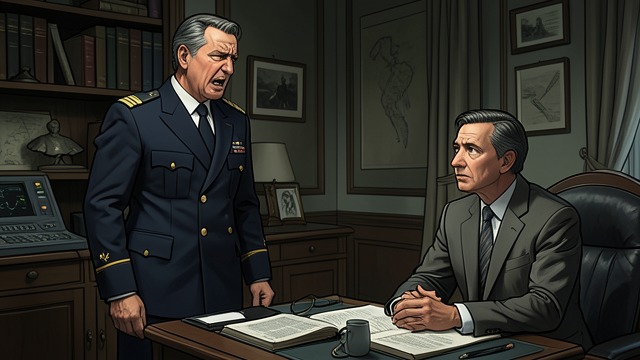
Queeg first presents a coherent account, then rambles through grievances and changes his recollection about the lost liquor crate, the towline, and combat episodes.
Effect
The court sees conduct that does not prove a diagnosis by itself but undermines the confidence of his polished official narrative.
A Precedent Disputed
A Precedent Disputed
Verdict and Review
Maryk is acquitted, but the reviewing authorities disapprove the verdict and reprimand Willie for his role.
Conflict Continues
The institution reasserts that command cannot be displaced casually, even as the novel leaves open how an officer should act when obedience may sink the ship.
Before the trial in San Francisco
The first day of the court-martial
The second day, during Dr. Lundeen’s cross-examination
The later trial session, after the medical witnesses
After the verdict is reviewed
