
The Meaning of Home
The Giving TreeThis thread contrasts the childhood refuge of The Tree’s shade, The Tree’s forest home, and The Boy’s later desire for a house.
increasing Bearing strength in each event
 decreasing
Bearing strength in each eventdecreasingShade as Refuge
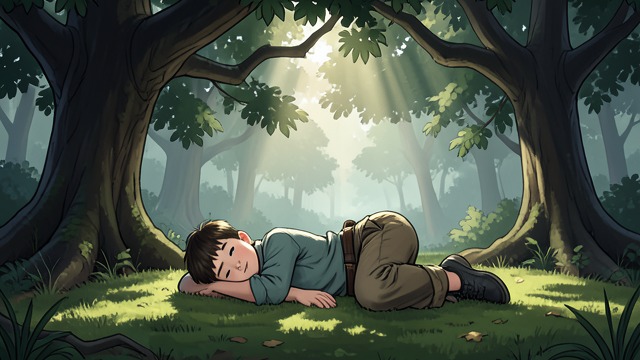
Shade as Refuge
When tired, The Boy sleeps in The Tree’s shade, making the tree a place of comfort.
Shelter Without Walls
The shade protects and welcomes him without becoming a built house.
Early Security
This quiet use of The Tree establishes a form of home rooted in their closeness.
Forest as Home
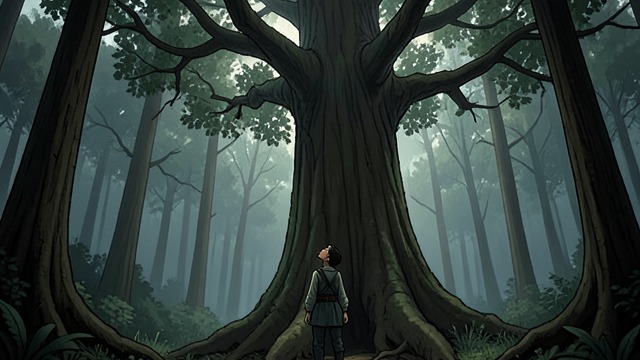
Forest as Home
The Tree says the forest is her house when The Boy asks for a house of his own.
Different Definitions
The Tree’s home is an environment, while The Boy seeks a structure to keep him warm.
Diverging Needs
Their exchange reveals that closeness does not mean they want the same kind of shelter.
House for The Boy
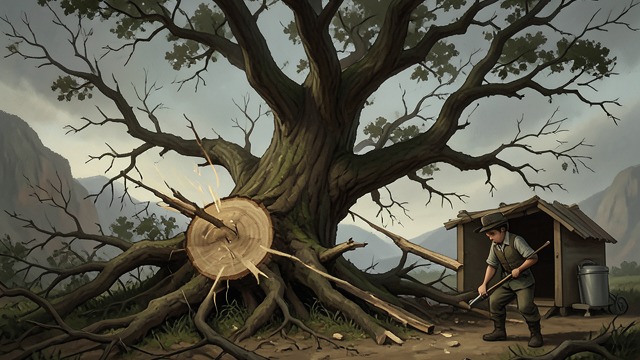
House for The Boy
The Tree lets The Boy cut off her branches so he can build a house.
Shelter Acquired
The branches provide the material for the home he says he needs.
Home at a Cost
The solution establishes a contrast between The Boy’s built shelter and The Tree’s bodily loss.
Leaving Home Behind
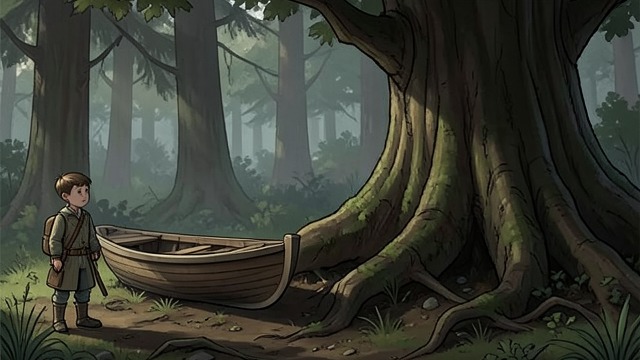
Leaving Home Behind
The Boy asks for a boat to take him far away, even after the house-building episode.
Shelter Does Not Settle Him
The story moves from the desire for a home to the desire to leave.
A New Departure
The Tree offers her trunk, and the boat carries The Boy beyond the forest.
Home as Rest
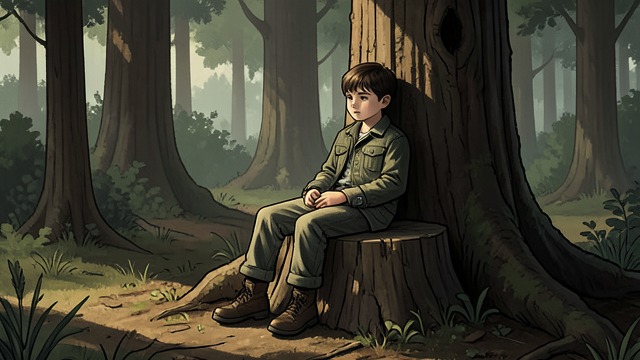
Home as Rest
The Boy returns asking only for a quiet place to sit, and The Tree’s stump receives him.
Shelter Reimagined
The final comfort is neither a house nor a voyage, but a place to pause.
Return to Nearness
The story ends with The Boy resting where his relationship with The Tree began: in her presence.
During childhood
During the house conversation
After The Boy asks for shelter
At The Boy’s later request for a boat
At the ending
