
The Theme of Racism and Injustice
The Green MileThe novel exposes the deep-seated racism of the 1930s South, which allows an innocent black man to be executed for a crime committed by a white man.
increasing Bearing strength in each event
 decreasing
Bearing strength in each eventdecreasingThe Trial of John Coffey
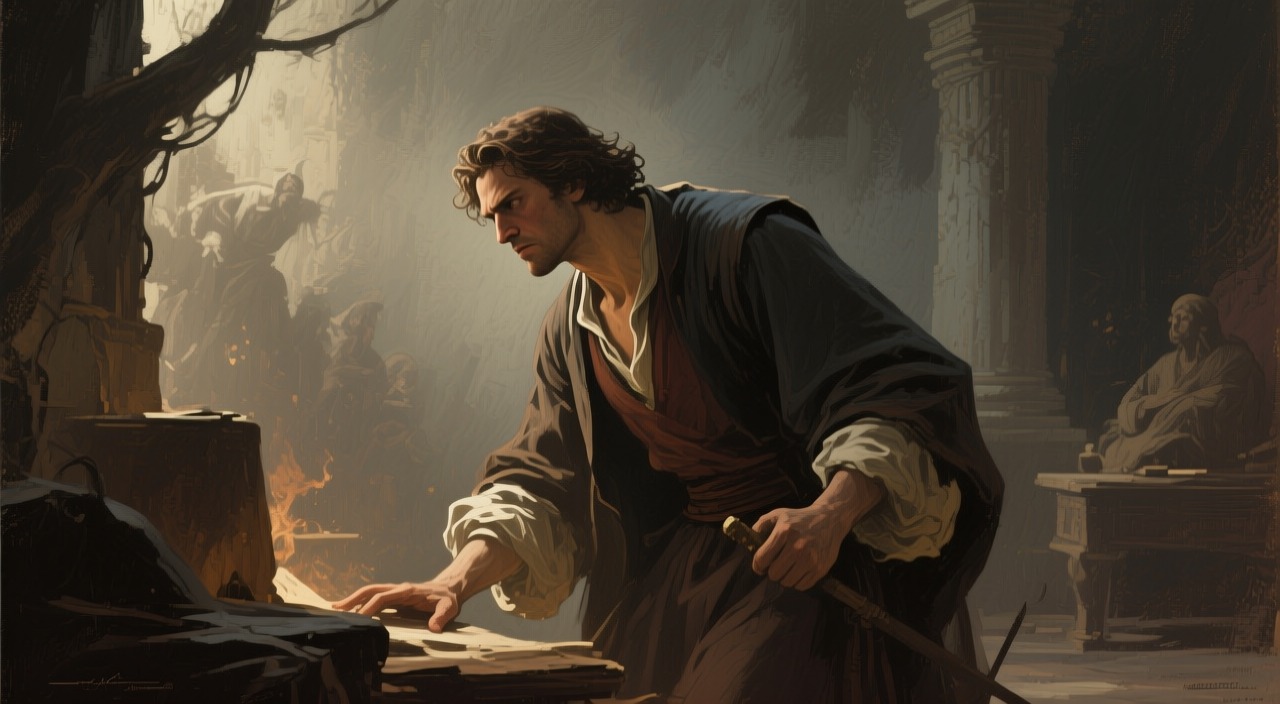
A Foregone Conclusion
The All-White Jury
Coffey is tried by an all-white jury in a segregated courtroom. His court-appointed lawyer is ineffective. The prosecution plays on racial fears.
The Verdict
After only forty-five minutes of deliberation, the jury returns a guilty verdict. The speed reflects their willingness to condemn a black man based on circumstantial evidence.
No Appeals
Coffey has no resources for appeals. The system is designed to process black defendants quickly. Paul later realizes that even if he had proof, it would not matter.
Hammersmith's Prejudice

The Reporter's View
Comparing Negroes to Dogs
Burt Hammersmith tells Paul that Negroes are like mongrel dogs: they can turn violent without warning. He uses his own dog's attack on his son as an analogy.
Paul's Disgust
Paul is repelled by Hammersmith's racism, but he understands that this attitude is common. It explains why Coffey was convicted so easily.
The Pervasive Bias
Hammersmith considers himself enlightened, yet he cannot see Coffey as fully human. This reflects the systemic racism of the era.
The Execution of an Innocent Man
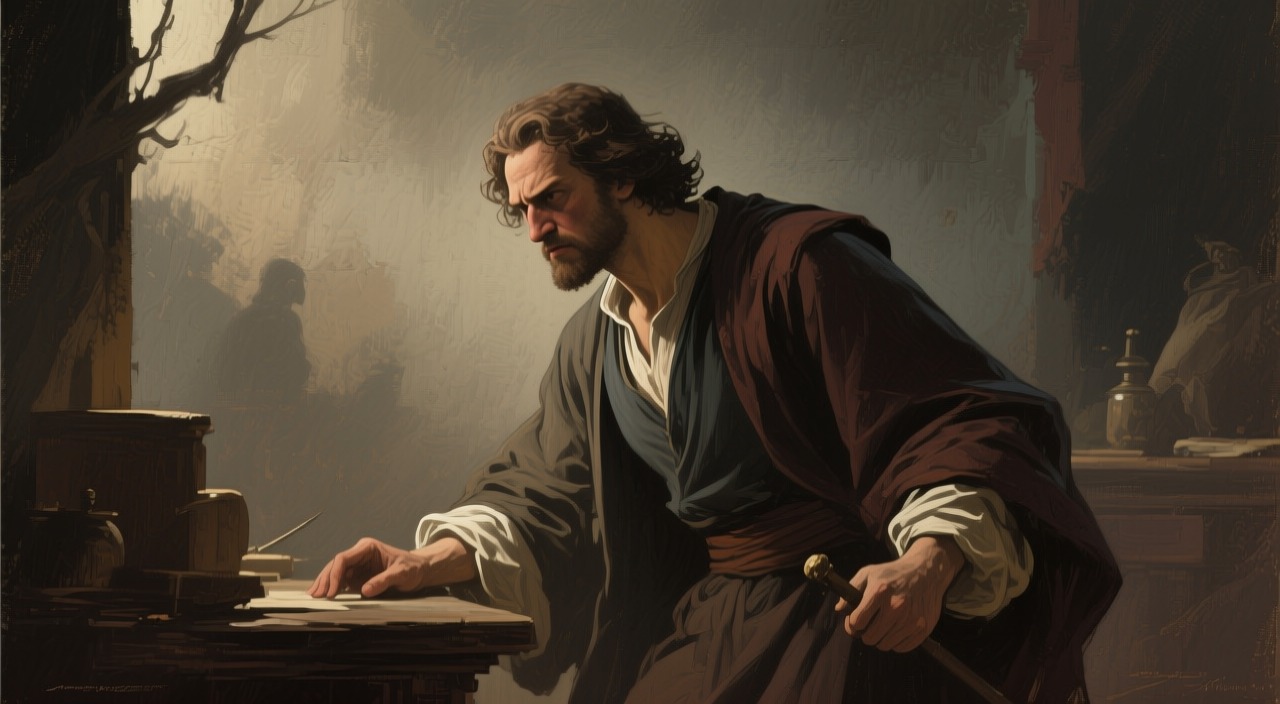
The Final Injustice
Knowing the Truth
Paul, Brutal, Dean, and Harry know Coffey is innocent, but they cannot stop the execution. The law is inflexible, and their jobs depend on following orders.
The Dettericks' Hatred
Klaus and Marjorie Detterick attend the execution, believing Coffey killed their daughters. Their grief is real, but it is directed at the wrong man.
The System's Failure
The execution proceeds despite Paul's knowledge. The novel condemns a system that values expediency over truth, especially when the condemned is black.
Summer 1932
Day after Coffey heals Paul, mid-October 1932
Night of November 20, 1932
