Harry Terwilliger
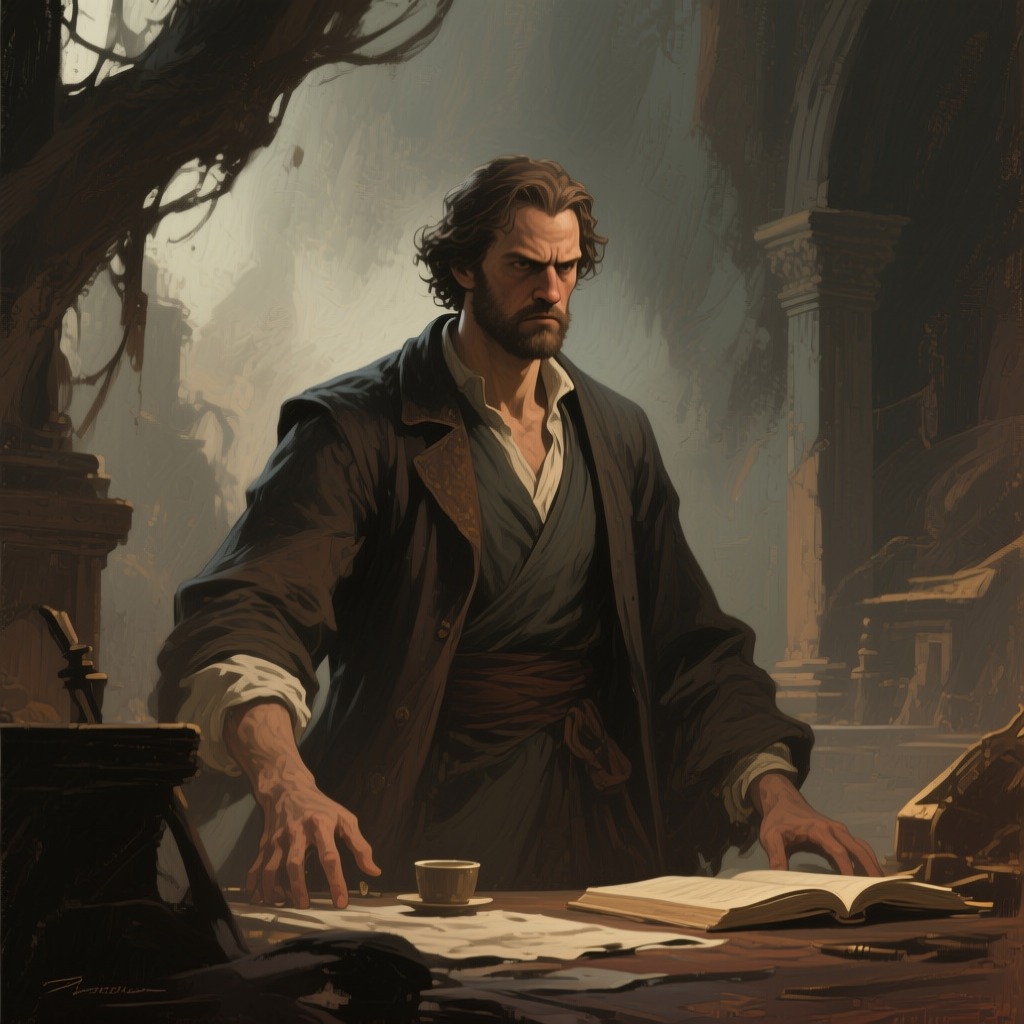
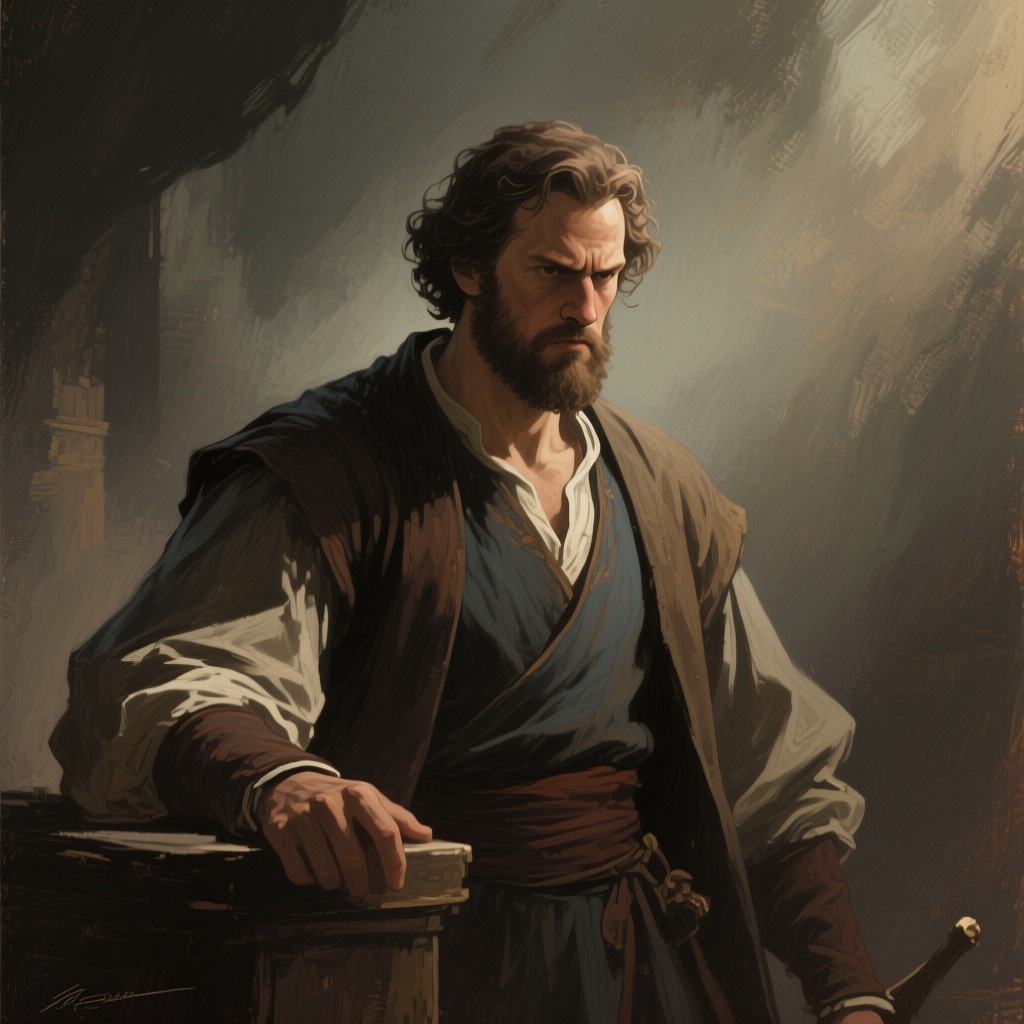
Harry Terwilliger is one of the core guards on E Block at Cold Mountain Penitentiary during the fall of 1932, a man whose surface nervousness belies a deep and tested courage. He is described as skinny, with a long, horsey face, and he often sounds nervous or hesitant, yet he has proven himself in the most dangerous moments—standing by Paul Edgecombe during the riots of six or seven years before, never wavering even when rumors circulated that some prisoners had guns. His loyalty and reliability make him an indispensable part of the team that manages the condemned men on the Green Mile.
Role on E Block and Relationship with Percy Wetmore
Terwilliger works alongside Paul Edgecombe, Brutus Howell, and Dean Stanton as one of the regular guards, in contrast to the floaters who cycle through. He is acutely aware of the political danger posed by Percy Wetmore, who is related to the governor by marriage. When Edgecombe sends Percy off the block to help move the infirmary, Terwilliger warns him, "He knows people. He's connected. You'll have to answer for sending him off the block, and you'll have to answer even harder for expecting him to do some real work." He understands that Percy's connections make him untouchable in ordinary ways, and he shares the general dislike of Percy's cruelty and incompetence. During the botched execution of Eduard Delacroix, Terwilliger is in the switch room with Jack Van Hay, and afterward, in the tunnel, he threatens Percy directly: "That would be for the best. Otherwise, you might get to know Wild Bill Wharton a whole lot better than you want to. We could see to it." This threat, invoking the terror Percy felt when Wharton grabbed him, shows Terwilliger's willingness to use psychological pressure to protect the team.
Key Actions and Participation in the Night Journey
Terwilliger is a full participant in the risky plan to take John Coffey out of the prison to heal Melinda Moores. He provides his Farmall truck for the transport, hiding it under pine boughs off a narrow dirt road. During the journey, he drives, and when they arrive at Warden Moores's house, he steps forward to shield Coffey from the warden's drawn gun, saying, "No, Warden Moores! It's all right! No one's armed, no one's going to get hurt, we're here to help!" This act of physical courage, placing himself between a potentially lethal weapon and the condemned man, demonstrates his commitment to the mission. After the healing, he helps get the exhausted Coffey back into the prison, and when Percy is released from the restraint room, Terwilliger is part of the group that confronts him. He later participates in the cover-up of Wharton's shooting, sticking to the agreed-upon story.
Change and Ending
Terwilliger's life after the events of 1932 is marked by the lingering impact of his experiences. He is one of the few who knows the full truth about John Coffey's innocence and the miracle of Melinda Moores's healing. He remains in contact with Edgecombe, writing to him after the prison moves to Brighton and after Arthur Flanders is killed in the laundry in 1944. He dies of intestinal cancer in 1982, at close to the age of eighty. His death, like those of his colleagues, leaves Edgecombe as the last survivor of the E Block team, a man who has outlived all his friends and carries the weight of their shared secrets.
Thematic Significance
Terwilliger represents the ordinary man of conscience who, when faced with an extraordinary moral crisis, chooses to act. His nervousness is never cowardice; it is the realistic fear of a man who knows the stakes—losing his job, going to prison—but who acts anyway. He is a foil to Percy Wetmore: where Percy uses his connections to avoid consequences and inflict cruelty, Terwilliger uses his position to protect the innocent and serve justice as he understands it. His quiet, unassuming courage is the bedrock upon which the more dramatic actions of Edgecombe and Howell rest, and his eventual death from natural causes, after a long life, underscores the novel's meditation on time, memory, and the slow erosion of the past.