StoryFlow
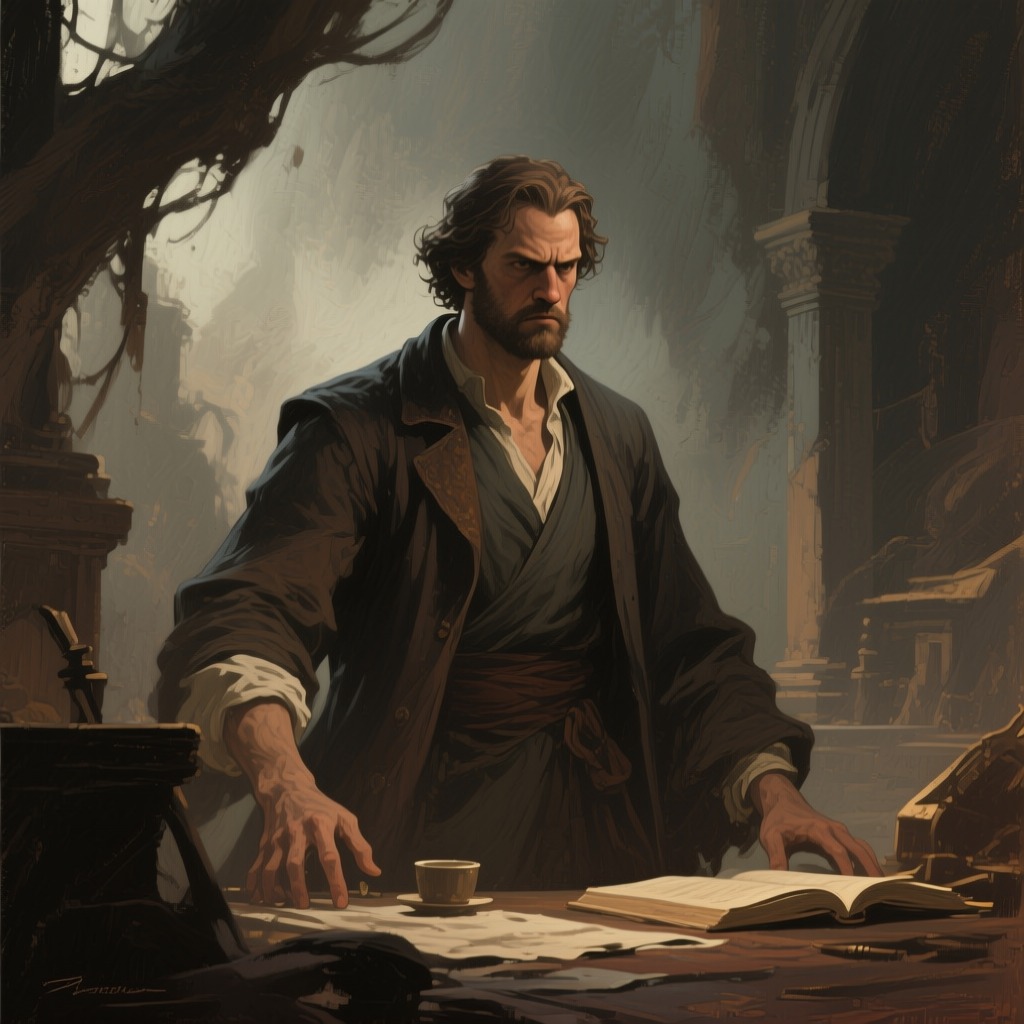
John Coffey's Arrival and Imprisonment
The giant black man John Coffey is brought to E Block, condemned for the rape-murder of the Detterick twins, and his strange, gentle nature begins to unsettle the guards.
The Mouse on the Mile
The arrival of a clever mouse, later named Mr. Jingles, brings unexpected joy and conflict to E Block, culminating in Percy's cruelty and John Coffey's miraculous healing.
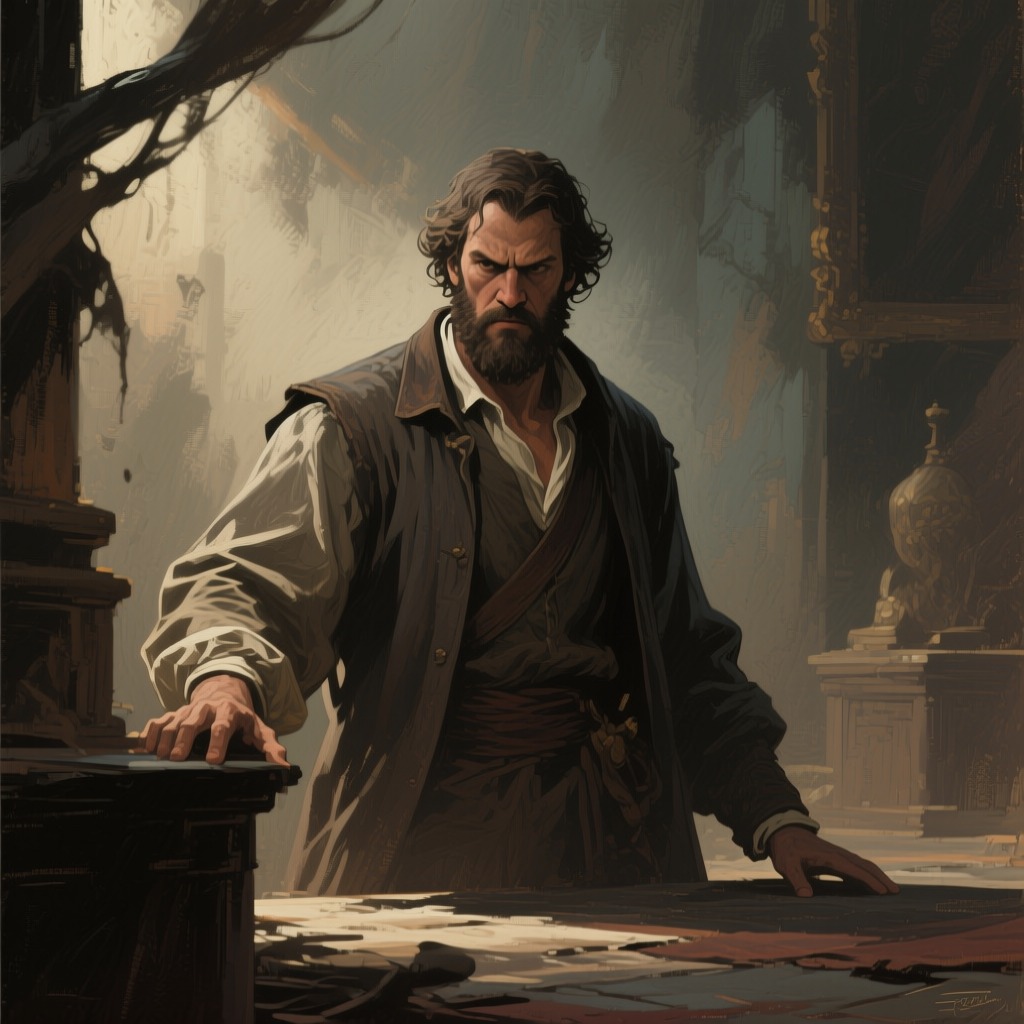
Percy Wetmore's Downward Spiral
Percy Wetmore, the cruel and connected guard, moves from petty sadism to murderous insanity, driven by his own cowardice and the supernatural transfer of Melinda's tumor.
The Conflict Between Guards and Prisoners
The constant struggle for control on E Block, from routine discipline to violent confrontations, tests the guards' humanity and the prisoners' desperation.

The Bond Between Paul and John Coffey
Paul Edgecombe's growing belief in John Coffey's innocence and his supernatural gift creates a deep emotional connection that challenges Paul's role as an executioner.
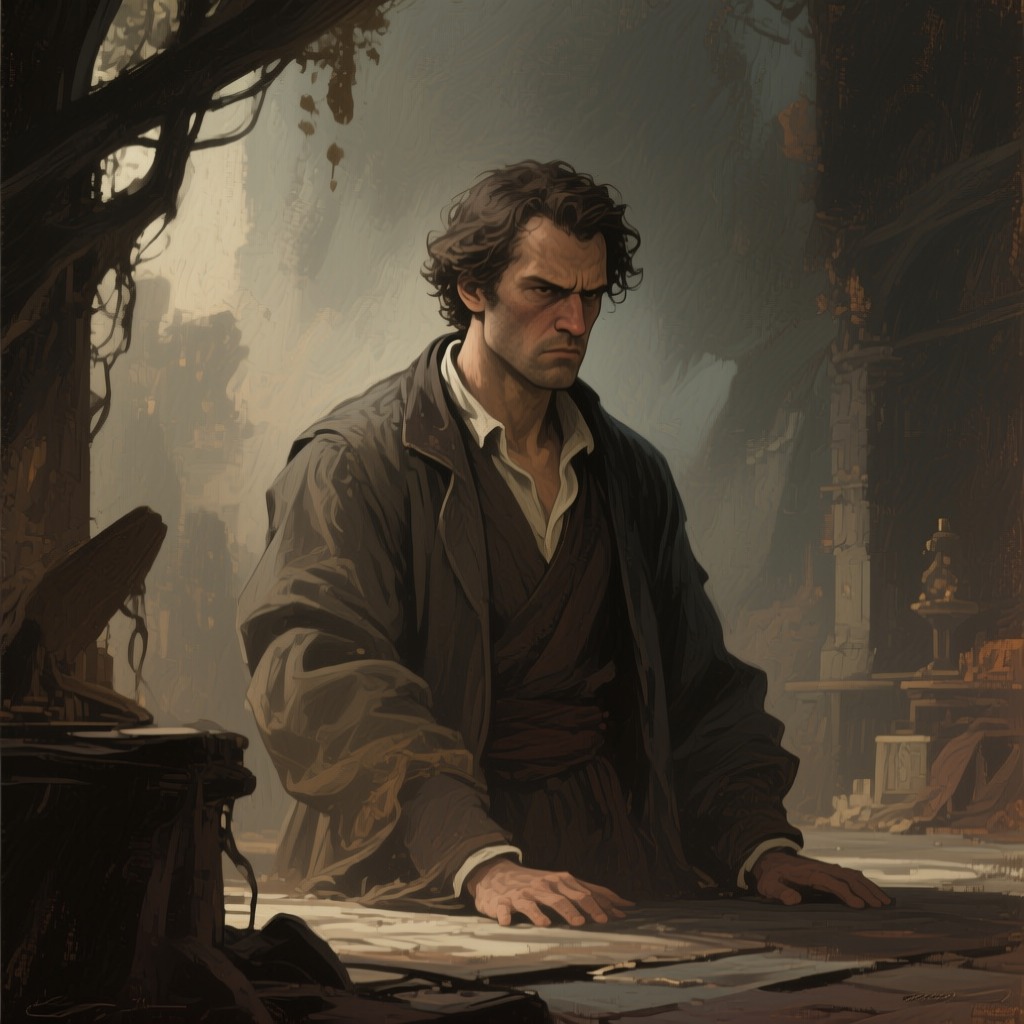
The Nature of Justice and Mercy
The novel explores the tension between legal justice and divine mercy, questioning the morality of capital punishment and the possibility of redemption.

The Fate of Eduard Delacroix
Eduard Delacroix, a Cajun murderer, finds brief happiness with his pet mouse before suffering a horrific execution at the hands of Percy Wetmore.

The Investigation into Coffey's Innocence
Paul Edgecombe's quest to prove John Coffey innocent of the Detterick murders, uncovering evidence that points to William Wharton.
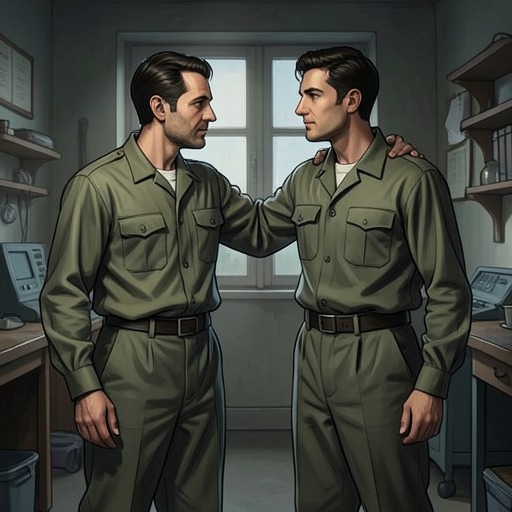
The Friendship Between Paul and Brutal
The deep bond between Paul Edgecombe and Brutus Howell, forged through years of shared duty and tested by the moral crises of the Green Mile.
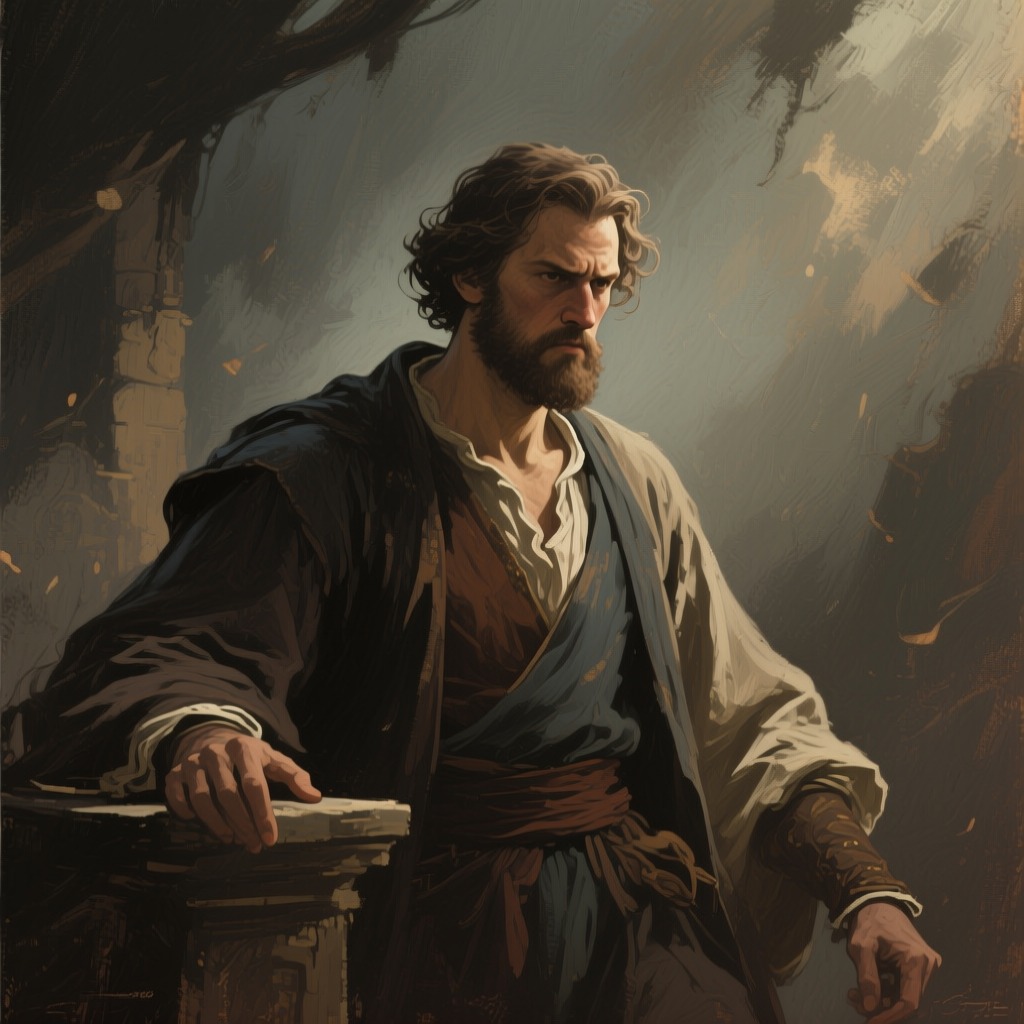
The Theme of Racism and Injustice
The novel exposes the deep-seated racism of the 1930s South, which allows an innocent black man to be executed for a crime committed by a white man.
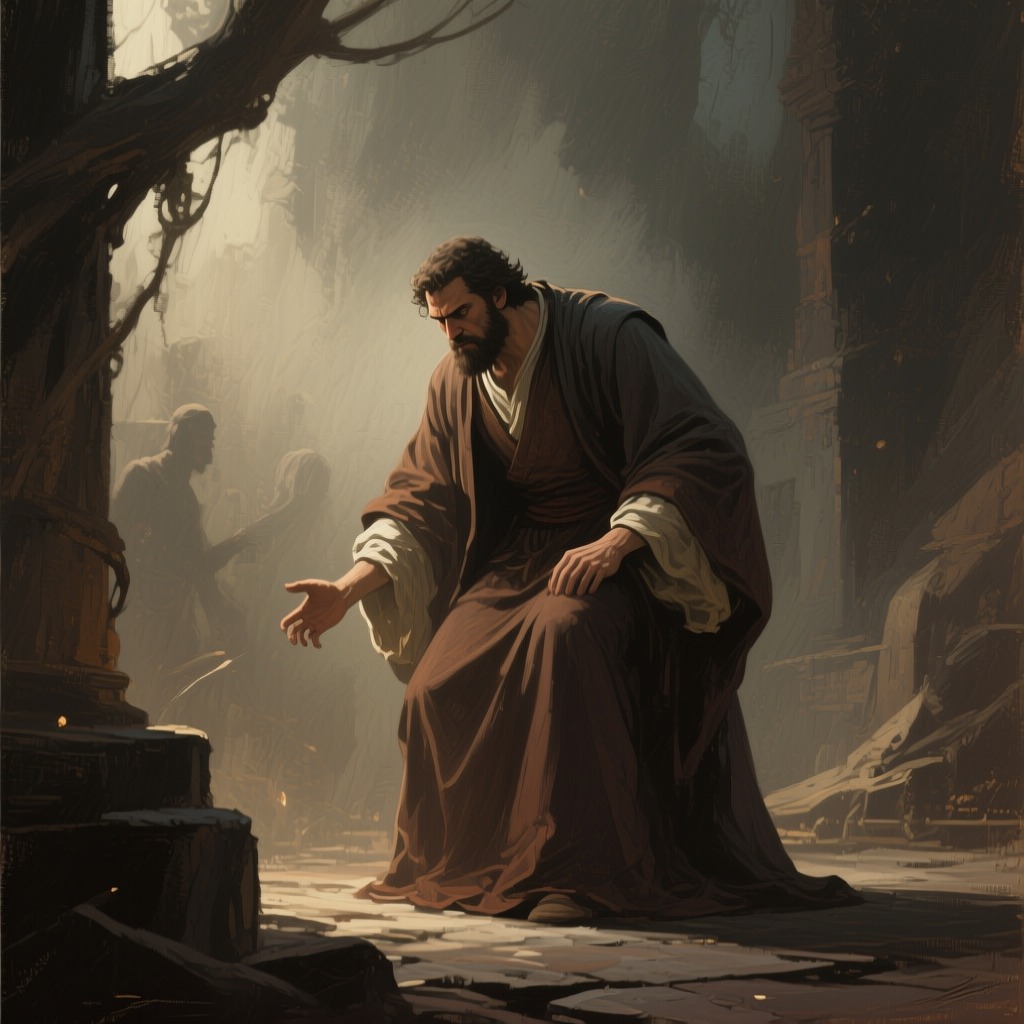
The Story of Mr. Jingles
The life and death of the remarkable mouse who becomes Delacroix's pet, is healed by Coffey, and later lives on as a symbol of enduring life.
The Warden's Wife's Illness and Cure
Melinda Moores's brain tumor and her miraculous healing by John Coffey, which deepens the moral crisis for Paul and the other guards.

The Execution of Arlen Bitterbuck
The first execution depicted in detail, showing the ritual and the humanity of the condemned man, setting the stage for later events.
The Aftermath of Coffey's Execution
The long-term effects on Paul and the other guards, including their transfers, deaths, and Paul's century-long life.
The Conflict Between Duty and Morality
Paul and the other guards struggle with their roles as executioners, especially after witnessing Coffey's miracles and learning of his innocence.
The Love Between Paul and Janice
Paul's enduring love for his wife Janice, which sustains him through the horrors of his work and is shattered by her sudden death.
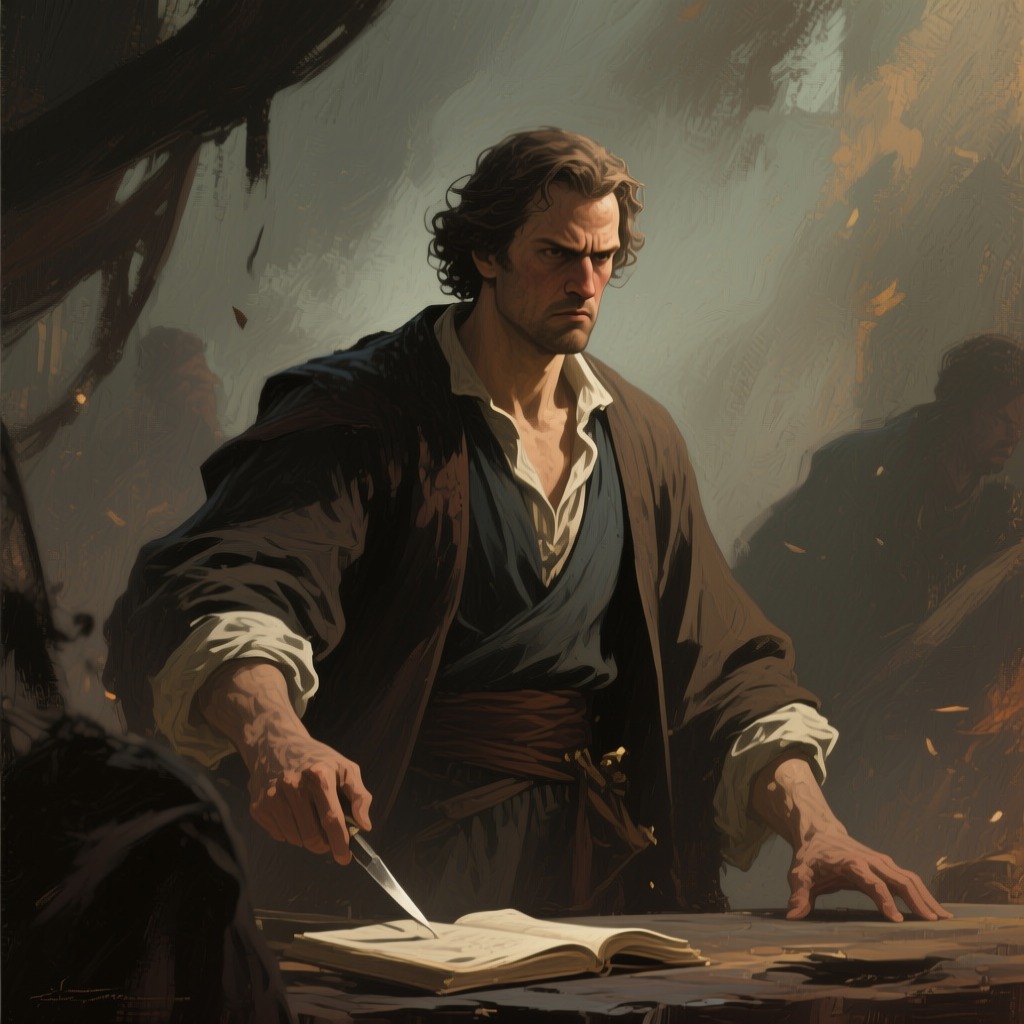
The Theme of Memory and Storytelling
The act of writing the memoir becomes a way for Paul to confront his past, preserve the truth, and find meaning in suffering.

The Character of William Wharton
William 'Wild Bill' Wharton, a psychopathic killer, terrorizes E Block until he is shot dead by Percy, revealing the true murderer of the Detterick twins.
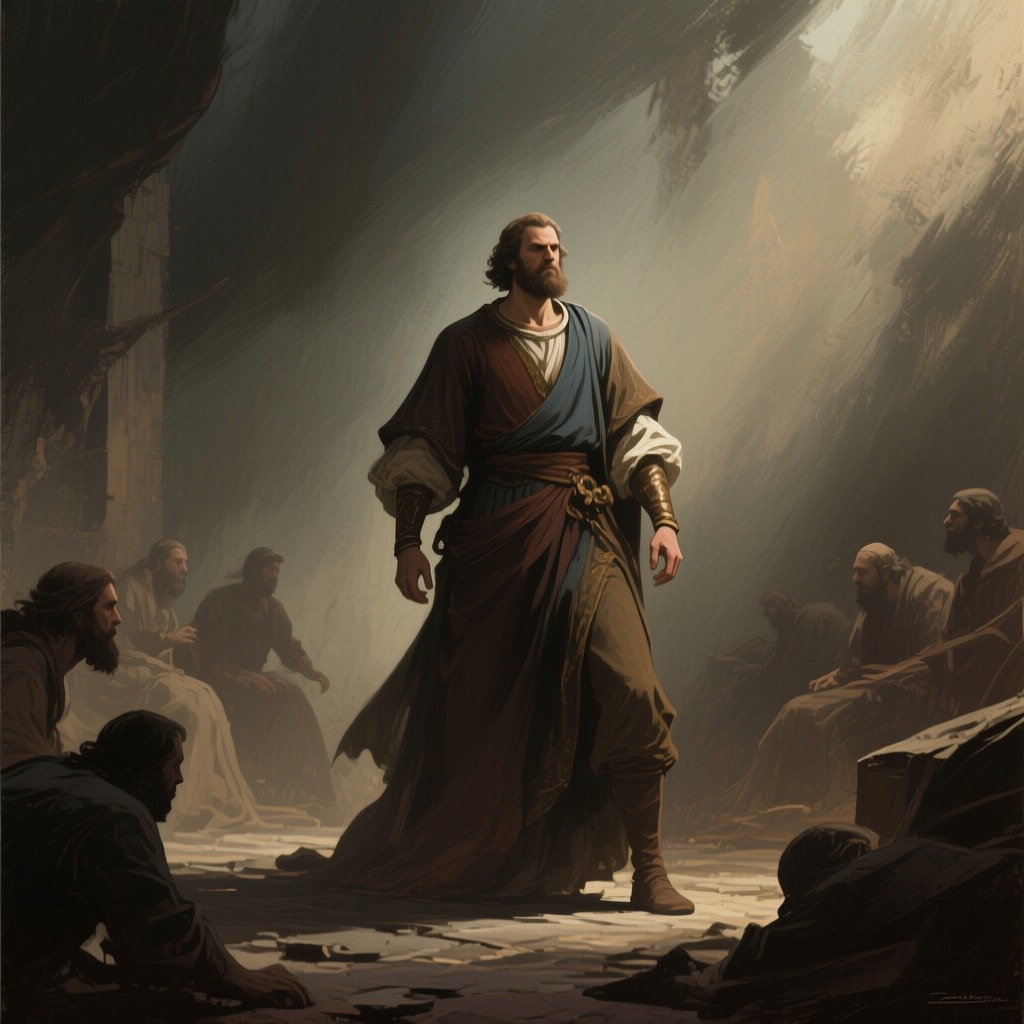
The Role of the Electric Chair
Old Sparky, the electric chair, is a central symbol of state-sanctioned death, its presence looming over every event on E Block.
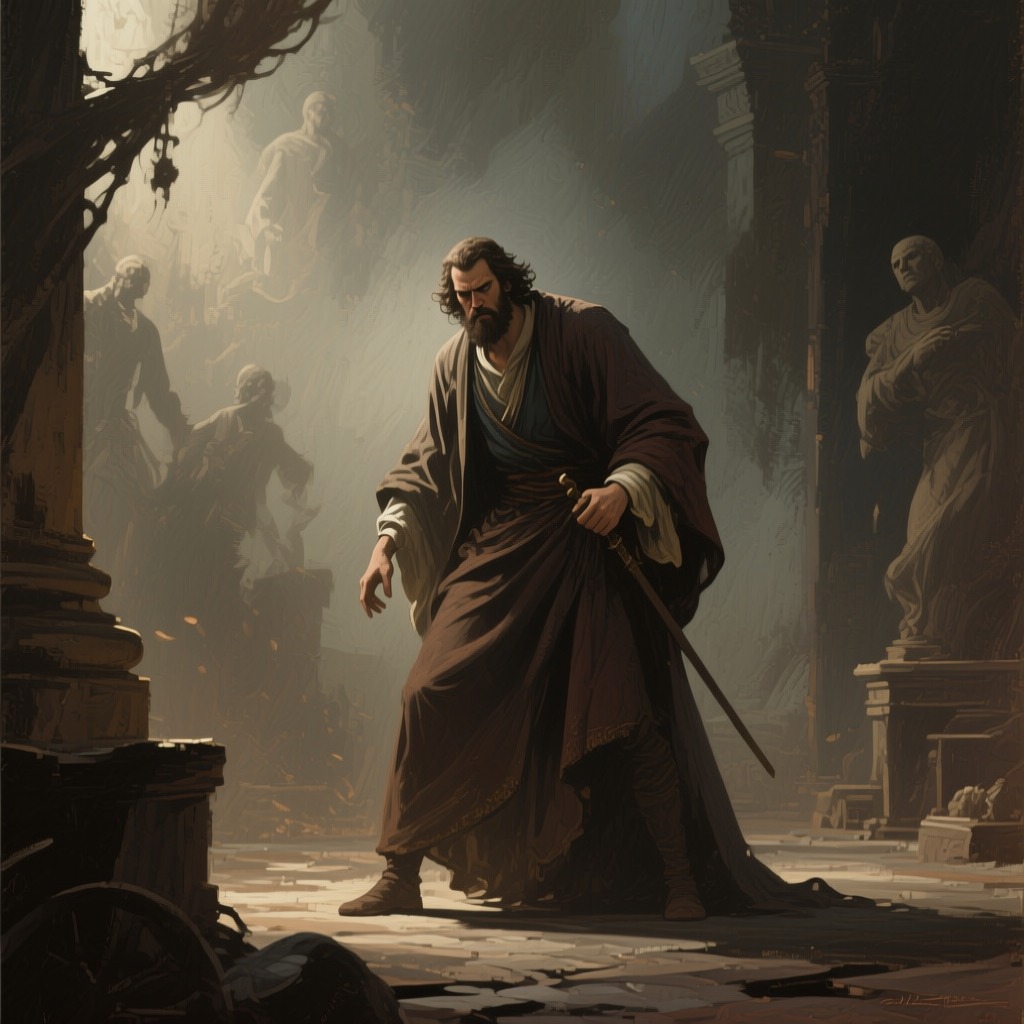
The Friendship Between Delacroix and Mr. Jingles
The unlikely bond between a condemned murderer and a mouse, providing a brief respite from the horrors of death row.
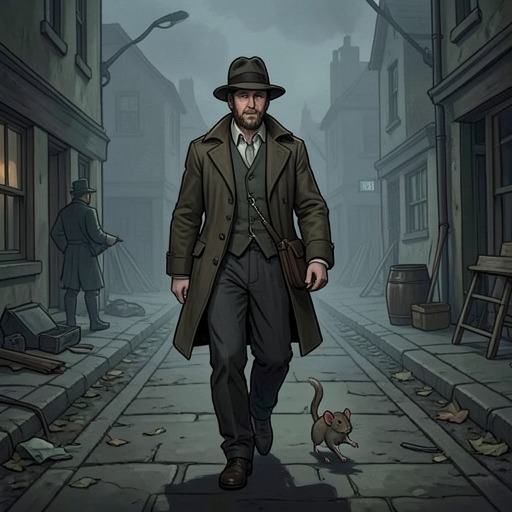
The Theme of Suffering and Redemption
The novel explores how suffering can lead to redemption, but also how it can be meaningless, as seen in the fates of Coffey, Delacroix, and Paul.
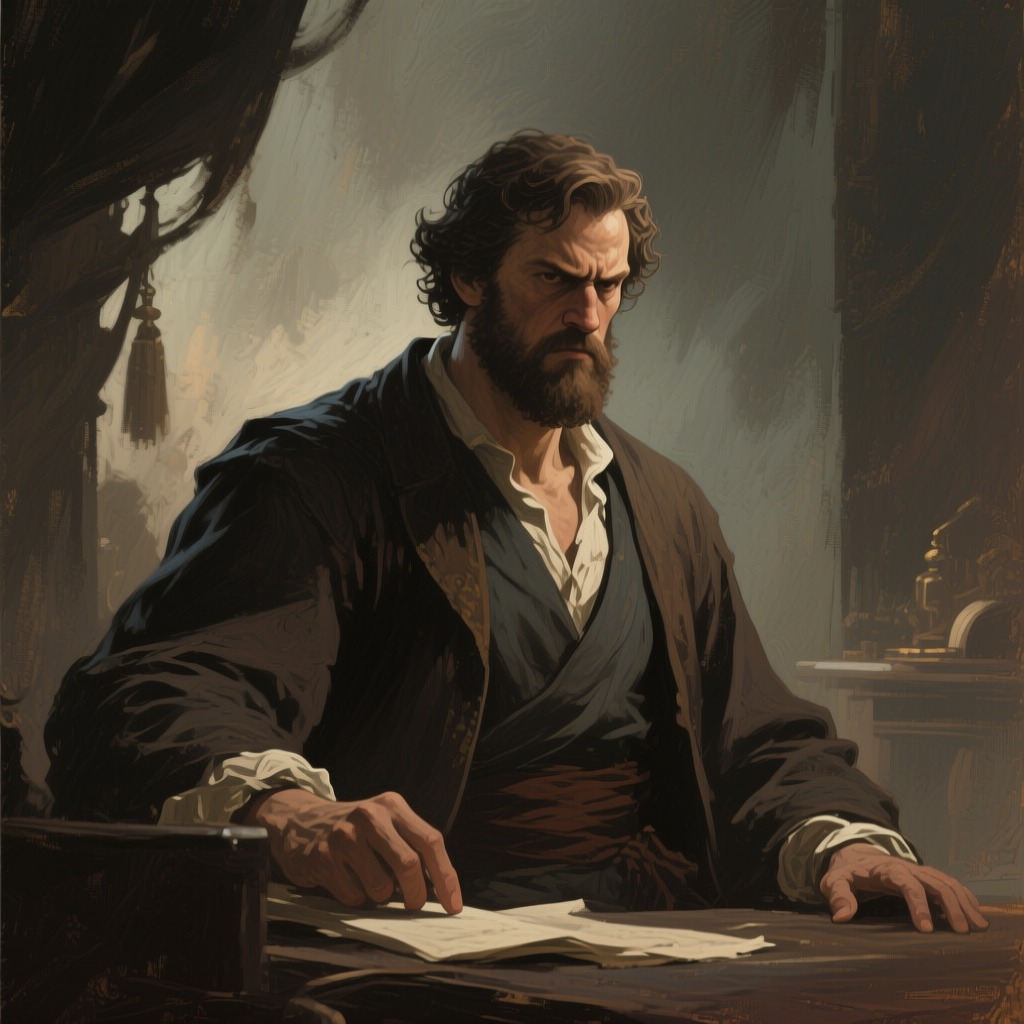
The Conflict Between Percy and the Other Guards
Percy Wetmore's arrogance and cruelty create constant tension with Paul, Brutal, and the others, leading to a final confrontation.
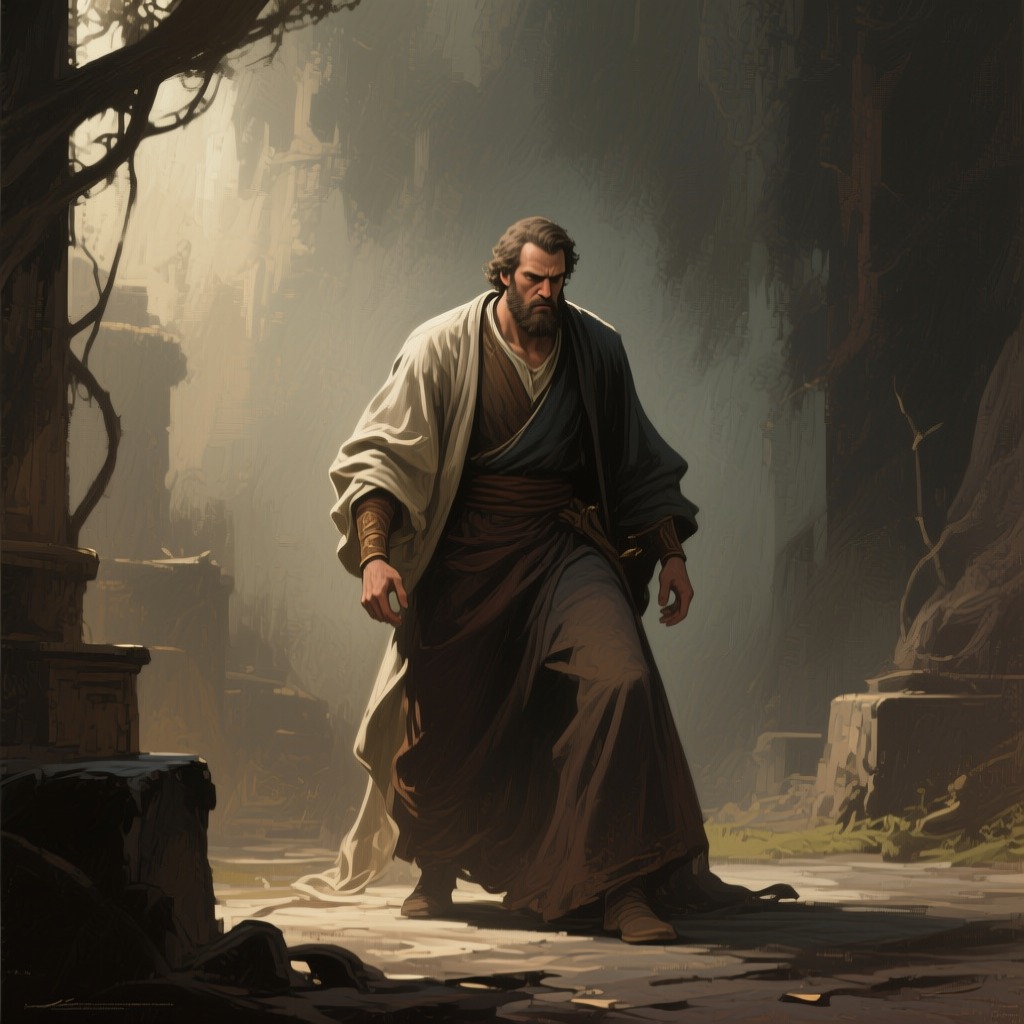
The Character of Brutus Howell
Brutus 'Brutal' Howell, a gentle giant of a guard, is Paul's closest friend and a moral compass, struggling with the ethics of his job.
The Theme of Time and Memory
The novel's structure, with Paul writing from a nursing home, emphasizes how time distorts memory and how the past never truly passes.
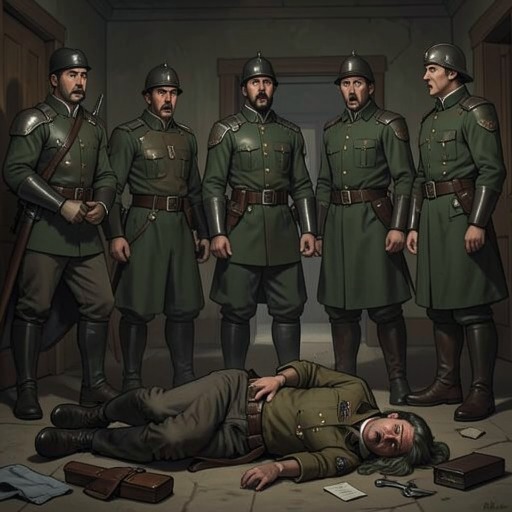
The Character of Dean Stanton
Dean Stanton, a loyal guard, is nearly killed by Wharton and later dies a senseless death, highlighting the dangers of the job.
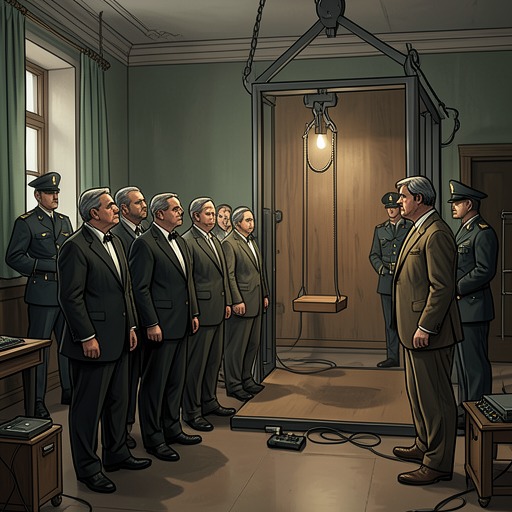
The Theme of the Death Penalty
The novel offers a powerful critique of capital punishment, showing its brutality, fallibility, and dehumanizing effects.

The Relationship Between Paul and Hal Moores
Paul's friendship with Warden Hal Moores is tested by the moral dilemmas surrounding Coffey and Melinda's healing.
The Character of Harry Terwilliger
Harry Terwilliger, a loyal guard, participates in the night journey and later dies of cancer, representing the ordinary men caught in extraordinary circumstances.
The Theme of the Supernatural
John Coffey's healing powers and the miraculous events challenge the naturalistic world of the prison, introducing elements of the divine.
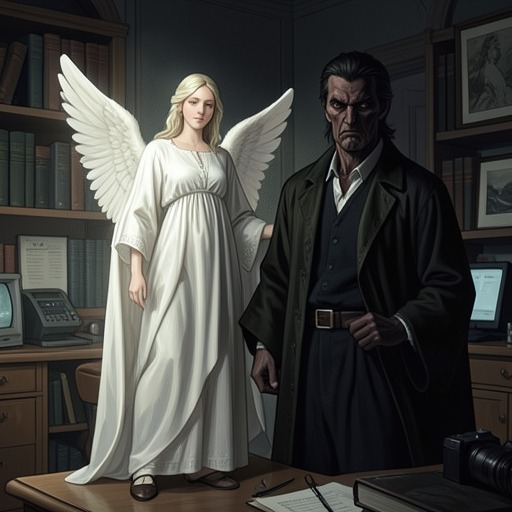
The Conflict Between Good and Evil
The novel presents a stark contrast between the inherent goodness of John Coffey and the evil of characters like Percy and Wharton, yet blurs the lines.
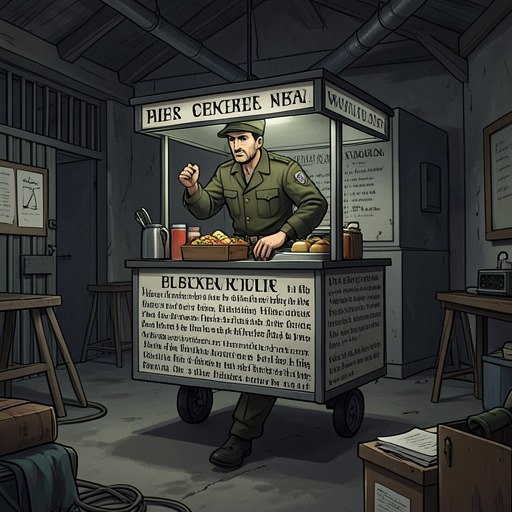
The Character of Old Toot-Toot
Old Toot-Toot, the trusty who runs the snack cart, provides comic relief but also represents the macabre fascination with death.
The Theme of Hope in Despair
Despite the grim setting, moments of hope—the mouse's tricks, Coffey's healings, the night journey—shine through the darkness.
The Relationship Between Paul and Elaine Connelly
In his old age, Paul finds a companion in Elaine, who helps him bear the weight of his memories and shares his final days.
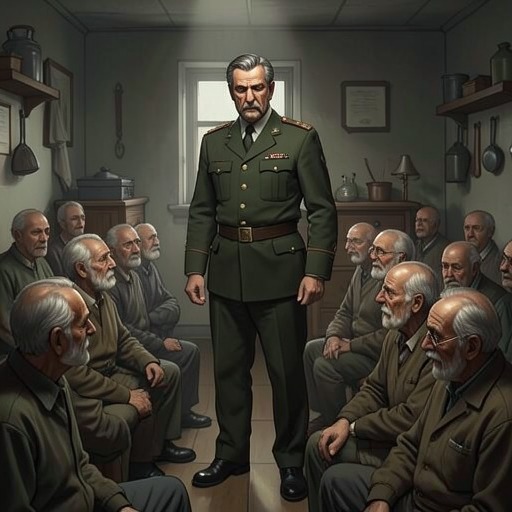
The Character of Brad Dolan
Brad Dolan, the cruel orderly at Georgia Pines, mirrors Percy Wetmore, representing the persistence of petty evil.
The Theme of the Serial Novel Format
The novel's original publication in six installments influences its structure, with cliffhangers and episodic pacing.