
The Theme of the Death Penalty
The Green MileThe novel offers a powerful critique of capital punishment, showing its brutality, fallibility, and dehumanizing effects.
increasing Bearing strength in each event
 decreasing
Bearing strength in each eventdecreasingThe Ritual of Execution
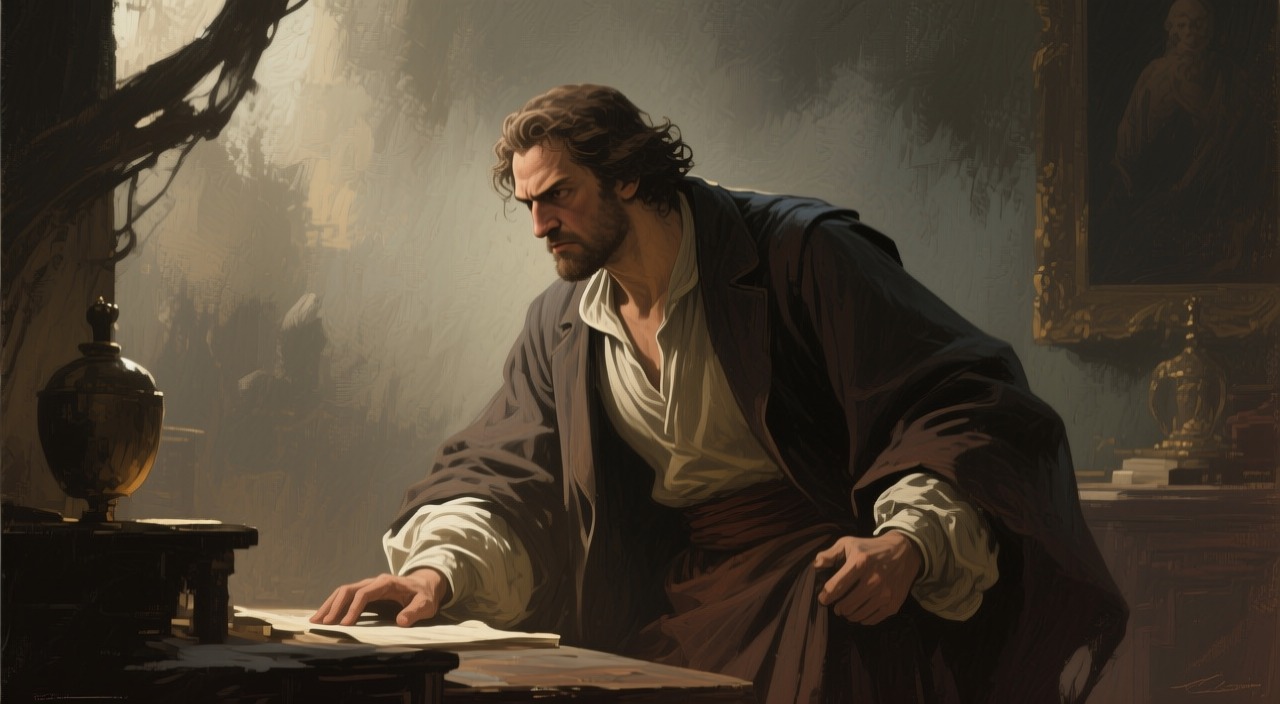
The Machinery of Death
The Procedure
Executions are carefully choreographed. The guards follow a script. The goal is to make killing orderly.
The Witnesses
Witnesses are supposed to find closure, but many are traumatized. The ritual fails to provide catharsis.
The Dehumanization
Prisoners are referred to as "clients" or "problem children." The language distances the guards from the act.
The Botched Execution
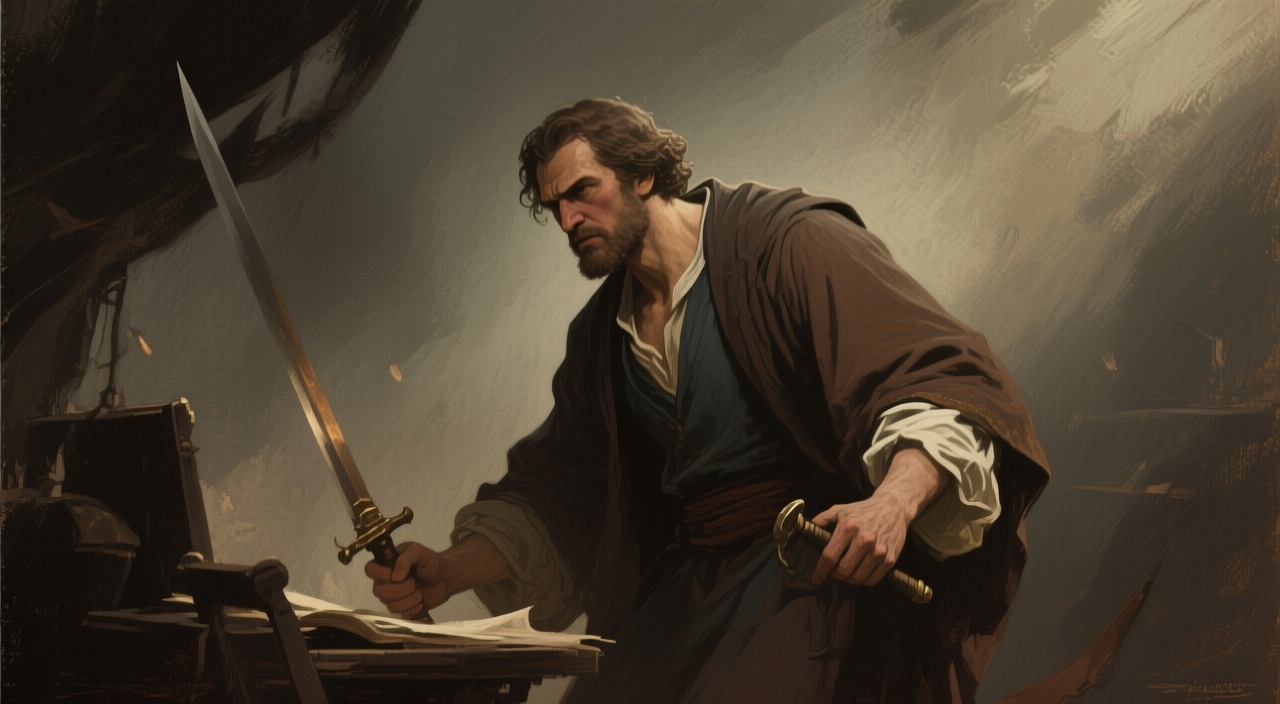
A Horrible Failure
The Dry Sponge
Percy's sabotage causes a prolonged, agonizing death. Delacroix burns alive. The system fails to be humane.
The Cover-Up
The guards lie to protect themselves. The truth is hidden. The system prioritizes appearances over justice.
The Impact
Paul is deeply affected. He realizes that the death penalty is not clean or just. It is a human institution prone to error and cruelty.
The Execution of an Innocent Man
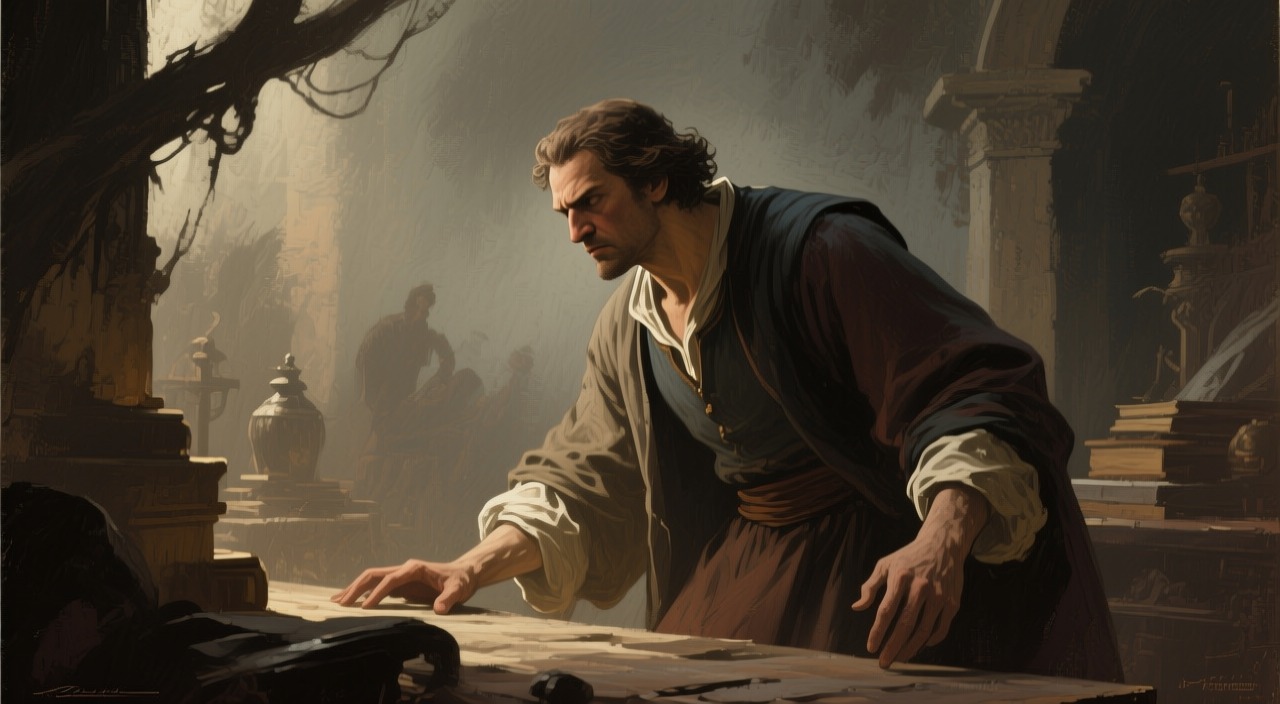
The Ultimate Injustice
Knowing the Truth
Paul knows Coffey is innocent, but he must participate in the execution. The system is inflexible.
Coffey's Acceptance
Coffey is tired of suffering. He wants to die. His willingness does not make the execution just.
The Aftermath
Paul is haunted by guilt. The novel argues that capital punishment is irredeemably flawed.
Throughout the novel
Night of October 24-25, 1932
Night of November 20, 1932
