
Fate, Coincidence, and Moral Responsibility
The HummingbirdThis thematic thread follows the novel’s repeated collisions between chance and choice, from improbable survival to guilt, loss, and a claimed life purpose.
increasing Bearing strength in each event
 decreasing
Bearing strength in each eventdecreasingThe Accidental Death of Aldino
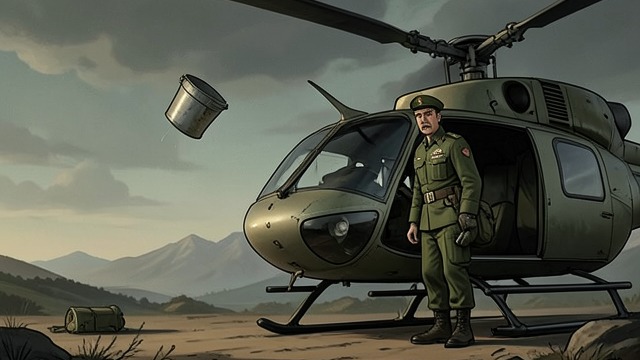
The Accidental Death of Aldino
A calculation of chance
Probo describes how a helicopter’s falling bucket killed Aldino because of a tiny difference in timing. A fraction of a second could have placed the bucket elsewhere and left his friend unharmed.
Guilt enters the calculation
Probo wonders whether a brief earlier impulse to shoot Aldino makes him morally implicated in the later accident. His arithmetic cannot prove guilt, but it shows how grief searches for responsibility inside randomness.
The episode establishes the novel’s tension between events nobody controls and choices people continue to judge.
The Flight That Vanished
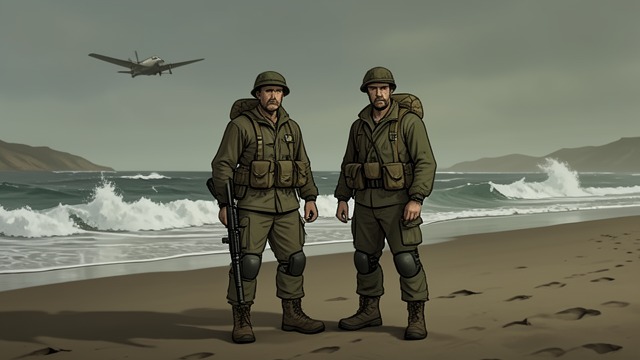
The Flight That Vanished
A narrow escape
Marco and Duccio leave the aircraft before it departs. Later, the flight crashes into the sea, killing all aboard.
Consequences without explanation
The news never connects the two survivors to the disaster. They do not reveal their role, leaving chance to determine not just who survives but what the survivors can bear to say.
The escape becomes a defining example of luck that produces obligation rather than uncomplicated gratitude.
An Omen Made Social Fact
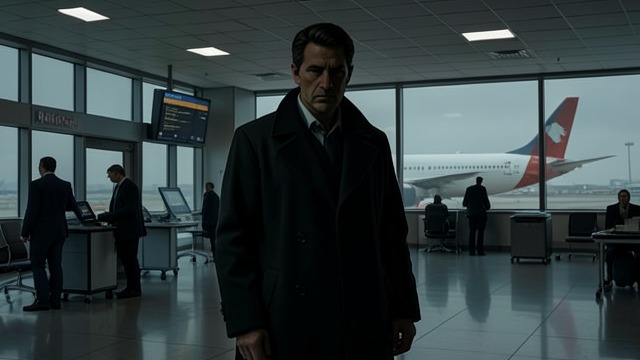
An Omen Made Social Fact
A supernatural story repeated
Duccio’s warning aboard the plane seems to acquire meaning after the crash. Marco tells friends, emphasizing the words that make Duccio appear to have foreseen the deaths.
Belief gains consequences
The account strengthens Duccio’s reputation as a bearer of misfortune. Marco does not believe in the curse, yet his own actions help make the belief socially powerful.
The novel distinguishes supernatural fate from human responsibility: the rumor harms Duccio because people act as though it is true.
A Life Re-read as Preparation
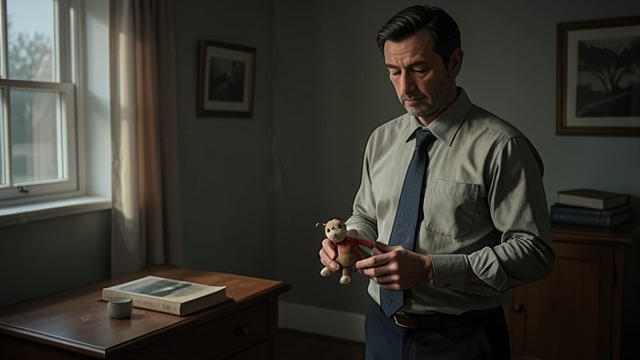
A Life Re-read as Preparation
A question of purpose
Marco considers the events that have marked him: survival, family deaths, divorce, and his daughter’s loss. He begins to see them not as unrelated accidents but as the painful history that brought him to Miraijin.
Meaning without proof
His new conviction offers direction, but it cannot establish that suffering was necessary or deserved. The idea of destiny comforts him while also carrying the danger of turning other people’s pain into a design.
Purpose emerges as Marco’s interpretation of survival, not as an explanation that erases chance.
A Future Forecast
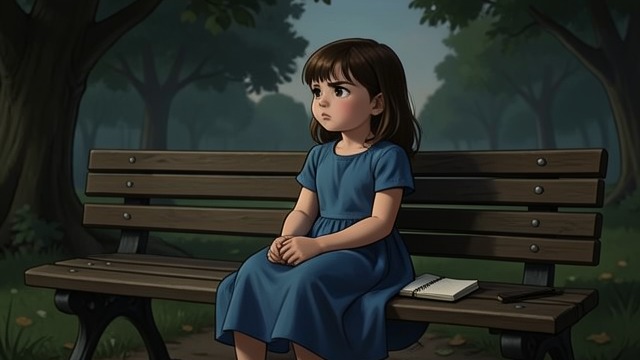
A Future Forecast
A child projected forward
Marco imagines Miraijin growing into a public figure whose example helps young people defend truth, culture, and care during a social collapse. The future is written in the voice of confident anticipation.
Forecast as devotion
His vision expresses love and hope, but it also risks burdening a child with the task of redeeming history. The predicted future blends political fear, personal grief, and a grandfather’s desire to give meaning to loss.
The projection reveals how strongly Marco needs the next generation to make his endurance worthwhile.
August 23, 1981, as Probo explains the old accident
May 1979, after Marco and Duccio return to Florence
Summer 1979, after Marco tells his friends
2016, after Marco gives up the poker winnings
2016–2029, in Marco’s imagined account of Miraijin’s future
