
The Pursuit of Death
The Life and Opinions of Tristram Shandy, GentlemanThis thread traces Tristram’s recurring effort to outrun Death through writing, speed, and travel.
increasing Bearing strength in each event
 decreasing
Bearing strength in each eventdecreasingA Threat at the Door
Mortality Becomes Personal
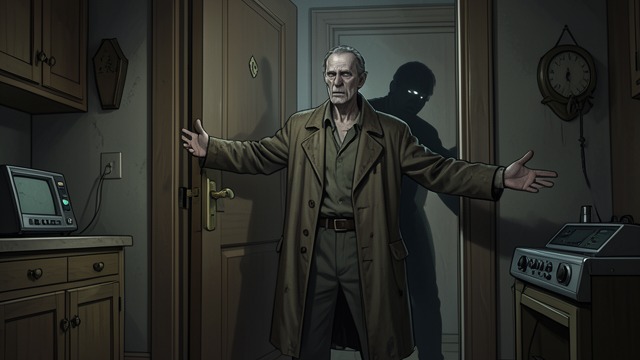
A visit imagined
Tristram pictures Death finding his lodgings. His illness makes mortality an immediate presence rather than an abstraction.
A choice to flee
Eugenius advises him to leave. Tristram turns movement into a temporary answer to fear.
The Escape to Dover
Flight by Carriage
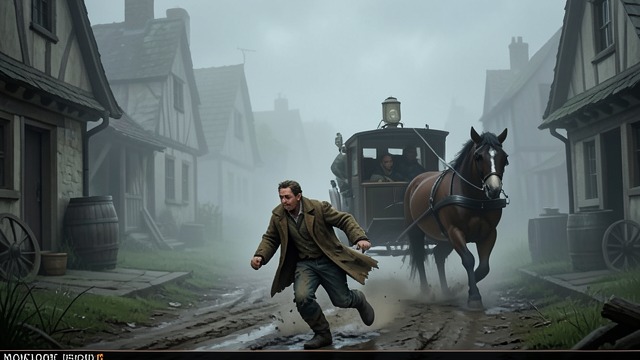
A rapid departure
Tristram rushes toward Dover, moving with the speed of his imagination. The journey is framed as flight from Death and interruption.
Life in motion
The narrator’s energy rises even as his body remains frail. Speed provides vitality without guaranteeing safety.
The Sea Passage
The Body Resists
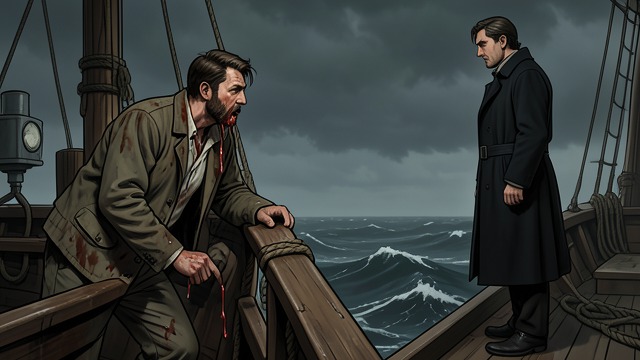
Seasickness
Tristram’s passage produces dizziness and physical distress. The captain’s reassurance proves useless when the body becomes sick.
Mortality nearby
He worries that the wind may turn him toward Death. Comic language and genuine fear coexist in the crossing.
A Restless Road
Escaping by Wandering
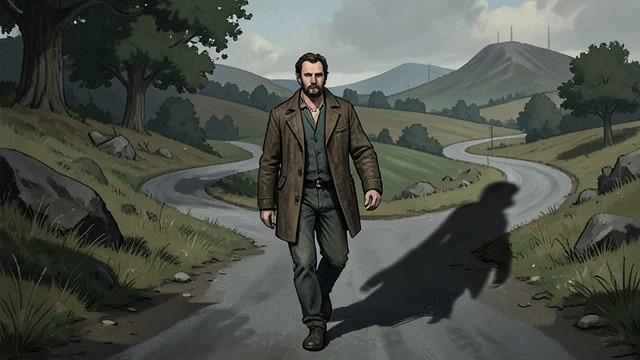
Continual movement
Tristram changes routes, stops, and travel modes. Each new arrangement postpones a final destination.
An uncertain bargain
He believes movement brings life and joy, yet repeatedly acknowledges Death’s presence. The journey cannot settle the conflict between motion and mortality.
The Chase Remains Open
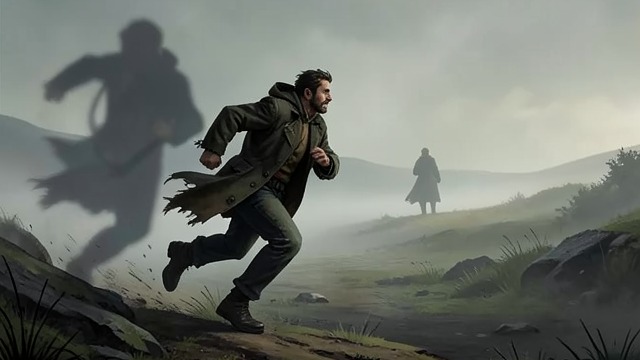
No Final Escape
A comic pursuit
Tristram imagines that Death is still behind him as he travels. The image turns anxiety into a chase with no visible finish.
An unfinished life
He plans many more volumes and acknowledges that time may not allow them. His fate remains open along with the narrative.
During Tristram’s later illness
At the beginning of the French journey
Crossing from England to France
During the ride through France
Near the end of the fourth volume
