“The best hearts are ever the bravest”
The Life and Opinions of Tristram Shandy, Gentleman“The best hearts are ever the bravest” is Uncle Toby’s compact statement of faith in the connection between goodness and courage. He speaks it while urging Walter Shandy to consider Le Fever’s son as a tutor for Tristram, giving the recommendation an ethical weight beyond a list of qualifications: a good heart, Toby insists, is itself evidence of bravery.
The occasion of the phrase
The recommendation arises as Walter describes the sort of preceptor he wants for Tristram. Le Fever is already strongly present in Uncle Toby’s thoughts, but Toby initially holds back his name because he suspects that his brother’s requirements may be too fanciful. When Walter’s description unexpectedly culminates in a preference for someone gentle-tempered, generous, and good, it brings Le Fever vividly to Toby’s mind. He rises from his chair, lays down his pipe, and takes Walter’s hands to ask that Le Fever’s son be considered.
Toby’s argument about character
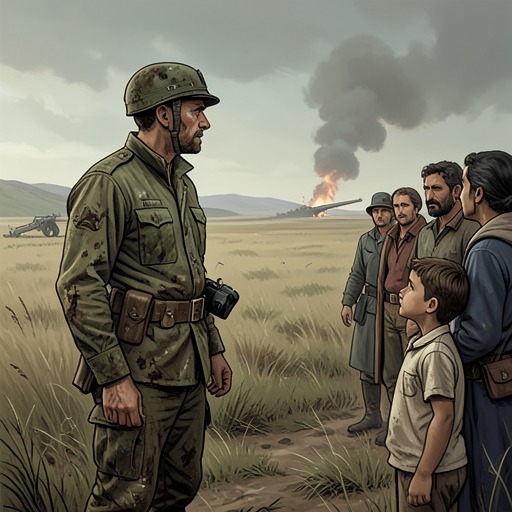
Yorick joins the appeal, and Uncle Toby says that the young man has a good heart. Corporal Trim adds that he is brave as well. Toby’s reply—that the best hearts are always the bravest—makes goodness and courage mutually confirming qualities rather than separate credentials. The line presents Toby’s judgment as affectionate but not merely sentimental: he is recommending a soldier’s son within a conversation shaped by the character of a military man whom he respects.
Military experience and interruption
Trim supports the claim from the harsher evidence of regiment life, observing that the greatest cowards in their regiment were also its greatest rascals. He begins to name examples, including Sergeant Kumber and an ensign, but Walter cuts the recollection short, saying they will discuss them another time. The scene thus sets Toby’s affirmative maxim beside Trim’s recollection of cowardice and misconduct, while leaving the promised examples undeveloped.
Role in the passage
The phrase crystallizes why Uncle Toby, rather than Walter, is the force behind this recommendation: his attachment to Le Fever becomes an effort to secure a place for the son, and he enlists Yorick and Trim to support it. Walter’s interruption redirects the talk before Trim can elaborate, but the central judgment remains clear. In the novel’s conversation about a tutor’s desirable qualities, Toby makes moral character—not cleverness or elaborate accomplishment—the ground on which courage and trustworthiness can be recognized.