
Expression as Existence
The Reason I JumpThis flow deepens the book's central theme that communication is not merely information exchange but a condition of being recognized as a person.
increasing Bearing strength in each event
 decreasing
Bearing strength in each eventdecreasingThe Silent Doll
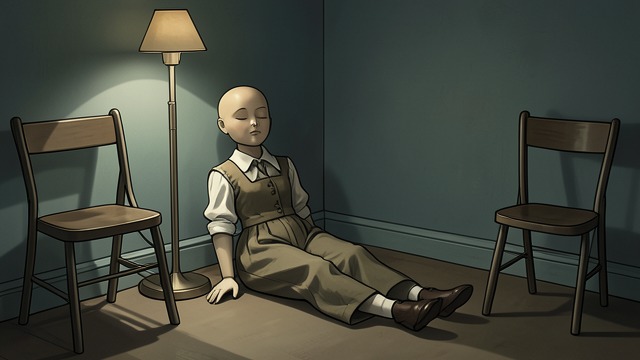
The Silent Doll
Isolation without expression
Naoki Higashida compares life without communication to being a doll cut off from others, without shared dreams or hopes. The image makes silence an experience of confinement rather than emptiness.
The need to be known
His words establish that thoughts can exist even when speech does not carry them. The problem is access between inner life and other people, not the absence of an inner life.
Writing as a Handrail
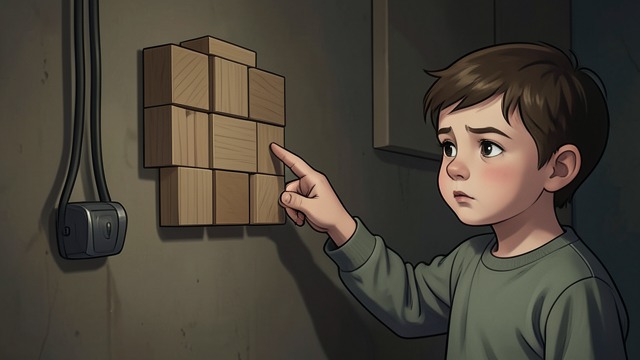
Writing as a Handrail
Words anchored
The Alphabet grid lets Naoki Higashida point to letters and keep his words from fluttering away. The method gives form to communication that speech cannot reliably sustain.
Meaning made shareable
A tool that looks simple becomes a route into relationships and self-expression. The book treats access to communication as a practical need with profound human consequences.
Speech Is Not Proof
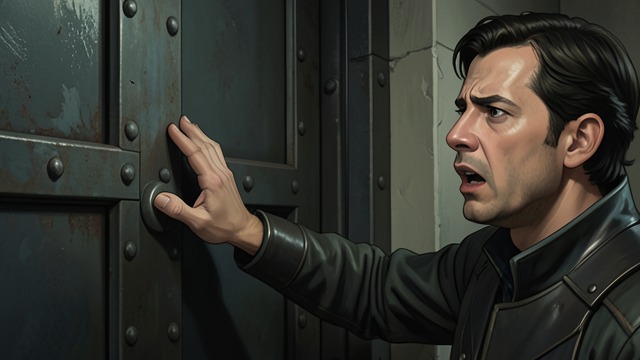
Speech Is Not Proof
Output can mislead
Naoki Higashida warns that a person who makes sounds may not be expressing the intended thought. Spoken fluency cannot be used as a reliable measure of understanding or intention.
Listening beyond form
The reader is asked to take account of delayed answers, errors, and words that do not fit the speaker's meaning. Communication requires interpretation and patience from both sides.
Fiction Makes the Plea Felt
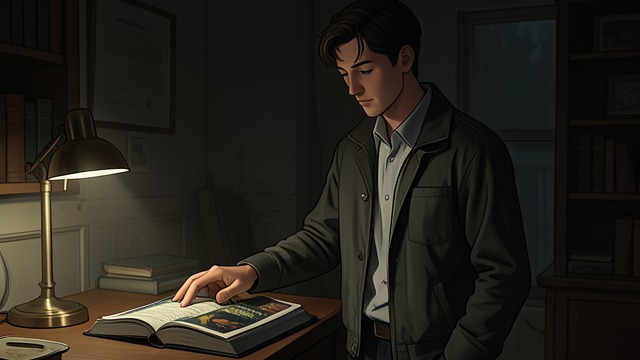
Fiction Makes the Plea Felt
A loved one unreachable
Shun remains near his parents after death but cannot make them see or hear him. His family story dramatizes the pain of having feelings that cannot be communicated.
Connection through storytelling
Naoki Higashida uses fiction to make readers experience the distance between intention and recognition. The story turns an abstract communication problem into a bond readers can feel.
Recognition as Hope

Recognition as Hope
A direct appeal
Naoki Higashida asks readers to see autistic obstacles as something other than selfishness or ego. Acknowledgment of the person beneath the behavior becomes a source of hope.
A future connected
His final wish is that autistic lives and other people's lives share a future. Expression matters because recognition can change how that future is built.
in the opening answer about communication
after Naoki's mother introduces the grid
in the answers about spoken words and conversation
in the story of Shun, after the answers
in the afterword
