
The Battle Against Isolation
The Rime of the Ancient MarinerThis flow charts the Ancient Mariner’s movement from human companionship into absolute isolation and toward renewed connection through prayer and storytelling.
increasing Bearing strength in each event
 decreasing
Bearing strength in each eventdecreasingA Shared Voyage
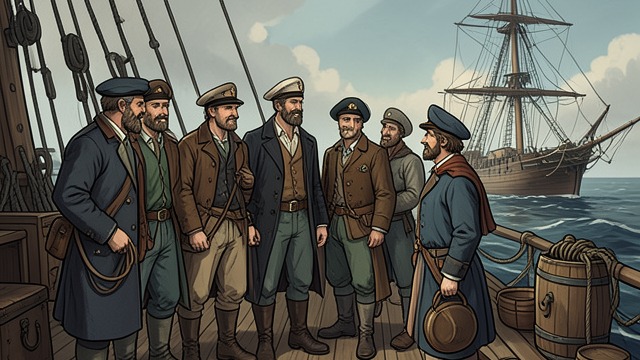
A Shared Voyage
Life Among Companions
The Ancient Mariner begins at sea with a crew and a common destination. The ship’s departure places him within a working human community.
The Contrast Ahead
This shared beginning gives force to his later solitude. His story becomes an account of losing the ordinary bonds that once surrounded him.
The Albatross as Companion
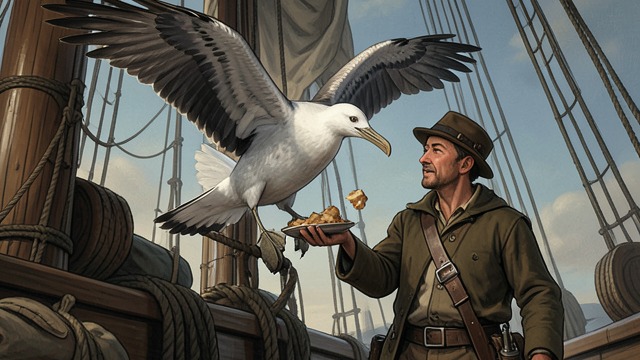
The Albatross as Companion
A Creature Joins the Crew
The Albatross visits the sailors for food or play and perches on the ship. The bird becomes a small but meaningful presence among the humans.
A Bond Broken
When the Ancient Mariner shoots it, he destroys a relationship the crew had welcomed. The act anticipates his later separation from both bird and companions.
The Crew Turns Away
The Crew Turns Away
Blame Among Sailors
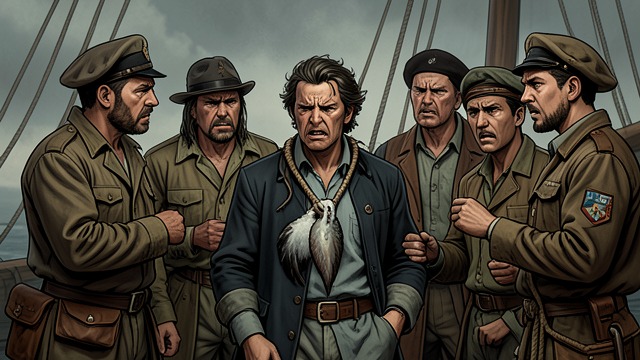
The crew’s response to the shooting alternates between condemnation and approval as the weather changes. The Ancient Mariner becomes the focus of their anger.
The Burden Becomes Visible
The Albatross hung around his neck embodies a rupture between him and the crew. Their shared voyage has become a relationship structured by accusation.
Alone Among the Dead
Alone Among the Dead
Company Without Comfort
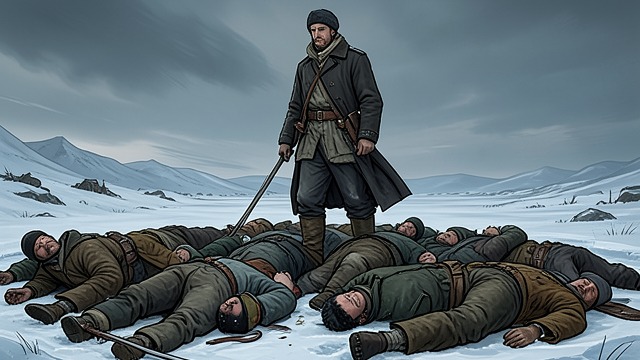
The Ancient Mariner survives while the crew lies dead. Their bodies remain near him, but their presence intensifies rather than relieves his solitude.
Lost Fellowship
The curse in the dead men’s eyes prevents ordinary mourning from becoming consolation. The Mariner is physically surrounded and emotionally abandoned.
A Listener at Last

A Listener at Last
Forced Attention
The Ancient Mariner stops the Wedding-Guest and makes him hear the voyage. His speech creates a temporary human connection after years of inwardly carried suffering.
Connection Through Warning
The listener does not share the experience, but he receives its moral meaning. The encounter converts isolation into a form of testimony and influence.
At the voyage’s departure
During the ship’s escape from the ice
After the wind fails
After the sailors fall dead
During the encounter at the wedding door
