The sanctuary rule that fallen angels must not cross its threshold
UnforgivenThe sanctuary rule that fallen angels must not cross its threshold makes sacred space physically dangerous: a fallen angel’s entry would set the sanctuary ablaze, threatening every mortal within. The rule is both a supernatural boundary and a practical constraint, one that Cam cannot safely explain away when his hidden identity collides with Lilith’s wish to marry in a temple.
The rule and its consequences
Fallen angels cannot enter sanctuaries of God. Crossing the threshold does not merely violate a religious boundary; it causes the entire place to go up in flames, incinerating the mortals inside. The consequence makes the prohibition absolute in practice: entry would endanger not only the angel but everyone sheltering in the sanctuary.
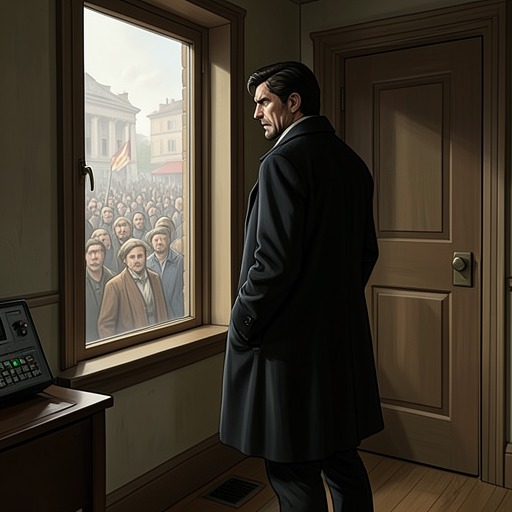
The rule also depends on a place’s consecrated status. The chapel where Cam appears has been desanctified since Miss Sophia moved in, so it is no longer protected by the sanctuary prohibition. Cam can spread his wings and enter through its broken window without triggering the catastrophe that entry into a consecrated sanctuary would bring. The contrast makes sacredness a condition with material force, not simply a label attached to a building.
The boundary within angelic life
The prohibition belongs to a larger world in which angels’ histories and allegiances leave visible marks. Before the Fall, their wings were made of empyreal light and were alike in their perfection. Since then, wings have expressed personality, mistakes, and impulses: fallen angels aligned with Lucifer bear gold, while those who have returned to Heaven bear a hint of silver. Lucinda’s and Daniel’s preserved white wings distinguish them from those altered histories. These differences do not themselves determine who may cross a sanctuary threshold, but they place the rule within a story where the Fall has lasting, legible consequences.
Cam’s marriage conflict
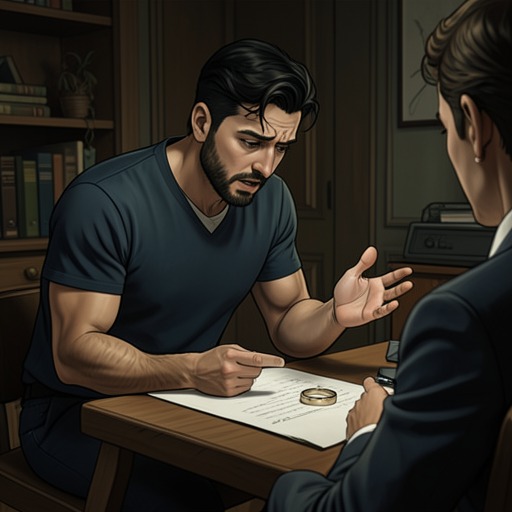
The rule becomes intimate when Lilith says she wants to marry in the temple, a tradition she respects. Cam knows he cannot set foot on consecrated ground because he is a fallen angel. Rather than disclose why the temple is impossible for him, he proposes a wedding beside the river, where they first fell in love. His objection that he would never have agreed to a temple marriage sounds to Lilith like an unexplained refusal; she asks what secret he bears, but he still cannot tell her that he is not human.
The sanctuary boundary therefore does more than restrict Cam’s location. His silence turns a supernatural danger into a breach of trust: he cannot satisfy Lilith’s request without risking the lives of those inside the temple, yet he will not explain the danger or his identity. The rule’s decisive force in their conflict lies in that double bind, where protecting others and protecting his place in Lilith’s eyes pull him toward concealment.