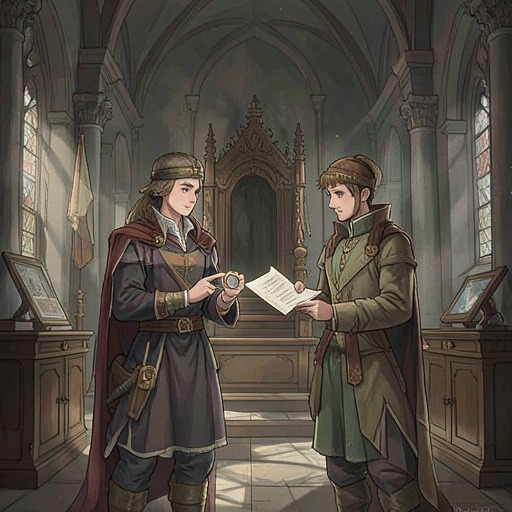
Areeth
VenomAreeth is introduced through its princess, Arianna Kinsley, and the royal marriage arrangement that threatens Lucian and Elena’s relationship. Although the story provides no description of the kingdom itself, its dynastic connection to Paegeia makes it a consequential presence: a distant political settlement reaches into the lovers’ private lives and defines the future they fear.
Royal Connection
Arianna is identified as the Princess of Areeth. Her marriage to Lucian is not presented as a personal choice between the two young royals, but as the consequence of a pact made when they were children between the two ruling kings of Paegeia. The rulers hoped the arrangement would reunite the kingdom under one ruling family. Areeth’s significance thus rests on its place in a wider dynastic design, with the princess serving as the human link in that plan.
The Pact and the Lovers
Elena learns that Lucian is expected to marry Arianna two years after graduating from Dragonia Academy. The prospect is especially painful because Elena cannot imagine a life without him, yet the political agreement seems to have already prescribed his future. Their separation is intensified by Lucian’s parents’ disapproval of their relationship, which makes it difficult for the couple to find time together during the summer.
In a conversation with Elena, Lucian rejects the necessity of alliances and says he would accept Arianna ruling Paegeia if that meant he did not have to marry her. Elena answers that Paegeia needs one ruler, but his response makes the conflict plain: the political purpose assigned to the marriage matters less to him than avoiding it. Later, Lucian maintains that his parents will change their minds once they meet Elena, while she voices her fear that he will marry Arianna. Areeth’s royal connection therefore remains bound to an unresolved tension between a planned alliance and the couple’s hope for a different future.
Narrative Significance
Areeth functions as a political presence rather than a place visited or described. Its princess embodies the consequences of a royal pact, while the kingdom’s association with the proposed marriage gives the lovers’ separation a cause beyond ordinary distance or parental disapproval. The arrangement also exposes a contrast between the rulers’ aim of unity and Lucian’s resistance to being made an instrument of that aim. The evidence establishes the marriage as an expected future, but does not show it taking place or explain how the pact will ultimately be resolved.