Sharp stake
The sharp stake is the central instrument of the vampire's destruction in Sheridan Le Fanu's Carmilla, the object that completes the legal and ritual execution of the undead Countess Mircalla Karnstein. Its use marks the climax of the narrative's movement from suspicion and terror to definitive, public action, and it is the tool that finally silences the creature who has preyed on the region for more than a century.
The Instrument of Execution
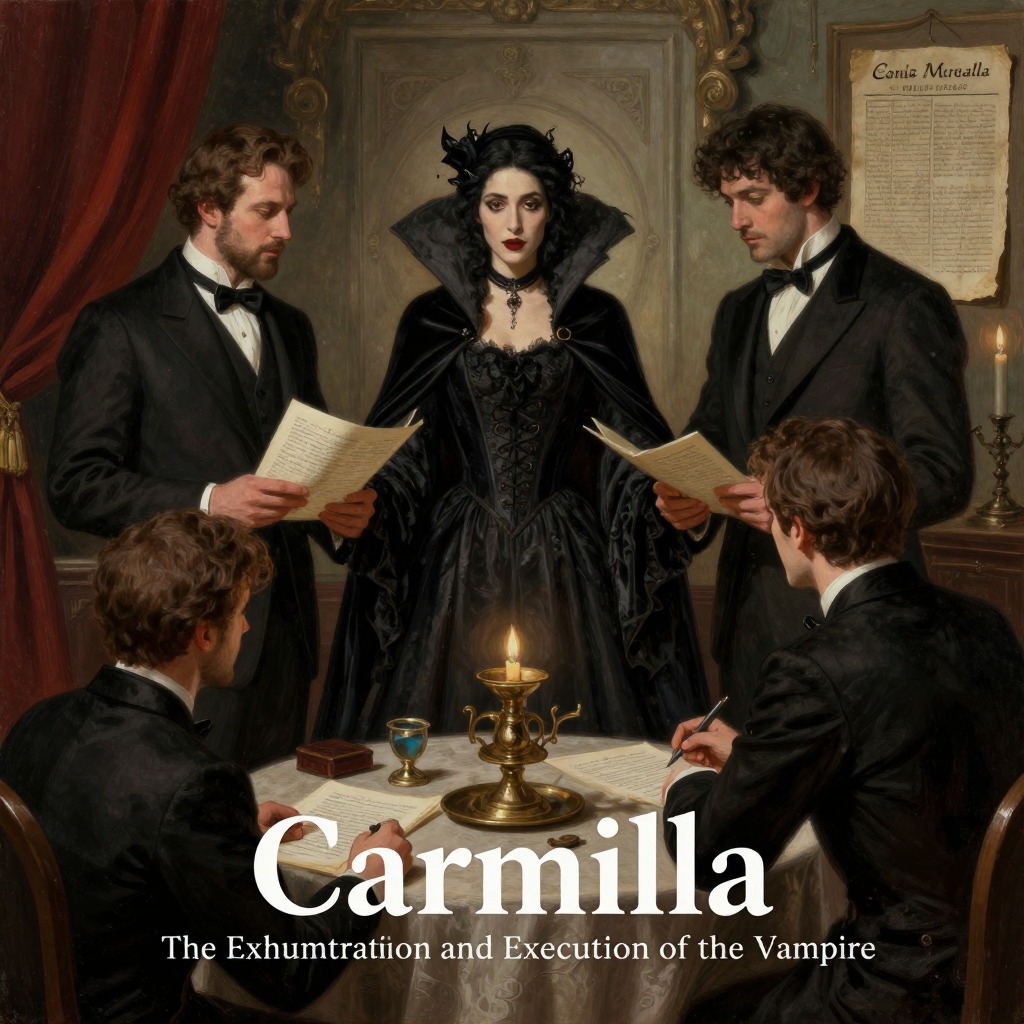
The sharp stake is not a weapon of improvisation but the prescribed implement in a formal legal procedure. When the grave of the Countess Mircalla is opened in the Chapel of Karnstein, the body is found exhibiting all the admitted signs of vampirism: the features, though a hundred and fifty years had passed since her funeral, were tinted with the warmth of life; her eyes were open; no cadaverous smell exhaled from the coffin; the limbs were perfectly flexible, the flesh elastic; and the leaden coffin floated with blood, in which to a depth of seven inches, the body lay immersed. In accordance with the ancient practice, the body was raised, and a sharp stake driven through the heart of the vampire. The act is performed not by a lone vigilante but within the framework of the Imperial Commission, whose report, signed by all present, verifies the proceedings.
The Stake's Effect and the Vampire's Final Agony
The sharp stake produces a response that collapses the distinction between the undead and the living. At the moment the stake is driven through her heart, the vampire uttered a piercing shriek, in all respects such as might escape from a living person in the last agony. This shriek is the final proof of the vampire's ambiguous state—neither fully dead nor fully alive, yet capable of a death-like suffering. The stake does not merely pierce flesh; it forces the creature into a final, unmistakable experience of mortality, confirming the horror that the vampire, though long dead, retains a form of consciousness that can feel pain.
The Complete Ritual of Destruction
The sharp stake is only the first step in a three-part ritual of annihilation. After the stake is driven through the heart, the head is struck off, and a torrent of blood flows from the severed neck. The body and head are then placed on a pile of wood and reduced to ashes, which are thrown upon the river and borne away. The stake thus initiates a sequence that ensures no trace of the vampire remains to regenerate or return. The territory has never since been plagued by the visits of a vampire, a consequence that retroactively justifies the violence of the procedure.
Narrative and Thematic Significance
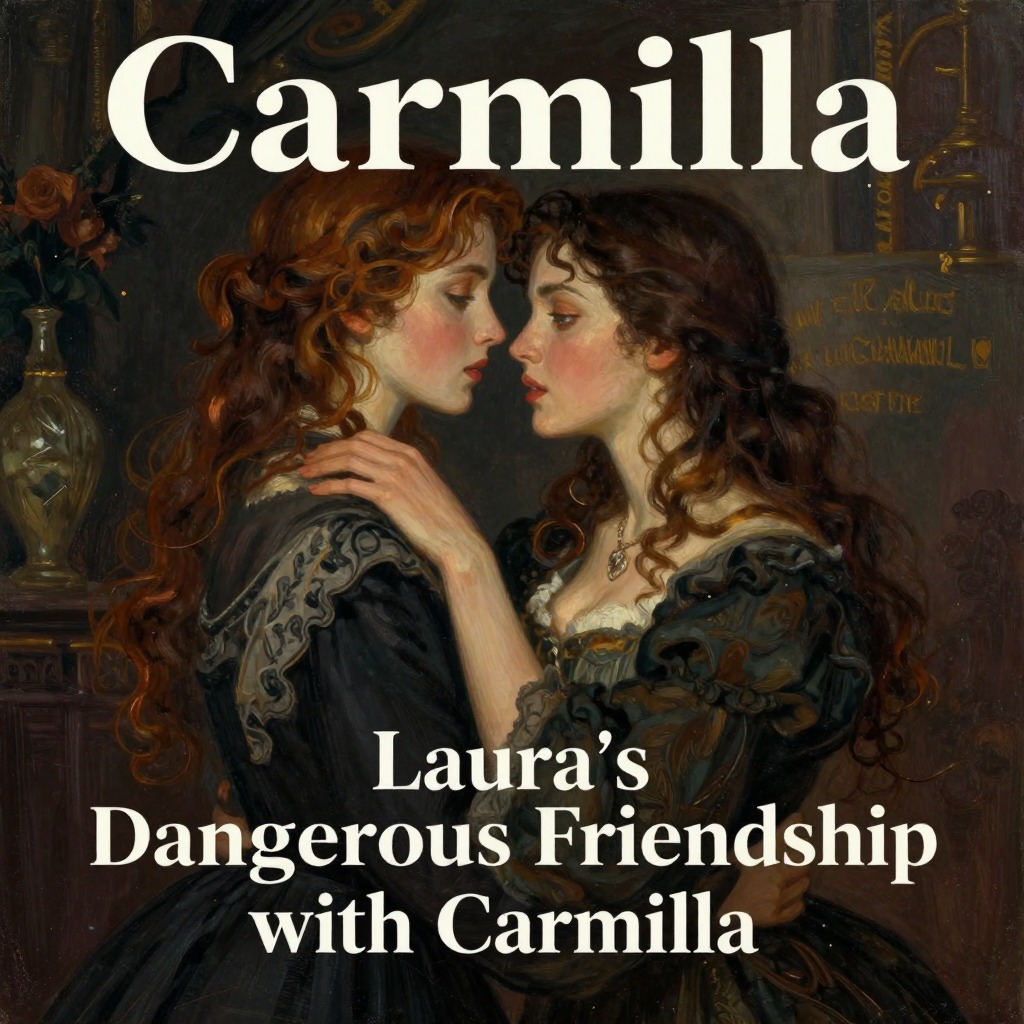
The sharp stake embodies the story's central tension between the rational and the supernatural. Laura's father, who earlier dismissed the doctor's vampire diagnosis as absurd, is present at the execution and recognizes in the coffin the face of his perfidious and beautiful guest. The stake is the object that forces the empirical world to acknowledge the reality of the vampire: the official report of the Imperial Commission, with its signatures and verification, transforms the stake's work from legend into documented fact. The instrument also carries a dark irony: the same hand that caressed Laura and whispered declarations of love is the body that the stake must pierce. The sharp stake is the final, irreversible answer to Carmilla's promise that "you and I are one for ever"—it severs that union with a violence that matches the intensity of the vampire's passion.