Hartfield
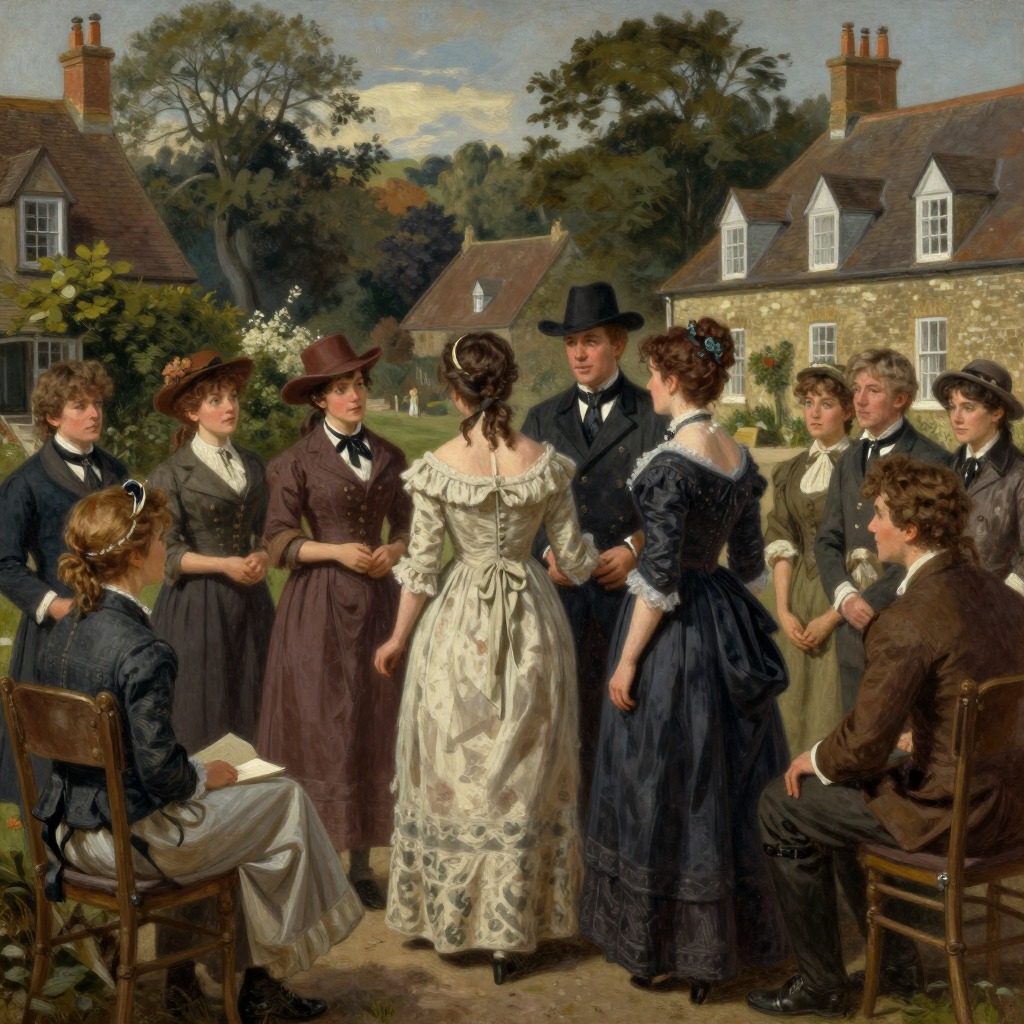
Hartfield, the Woodhouse family seat, stands as the physical and symbolic heart of the novel. Though it possesses its own lawn, shrubberies, and name, it is in fact part of the larger village of Highbury, a fact that underscores the Woodhouses' paradoxical position: they are first in consequence there, yet their home is not a separate estate but a superior residence within a community. The house is the stage for Emma Woodhouse's life, the locus of her power, her errors, and her eventual growth. It is the place she rules as mistress from a very early age, the home she refuses to leave, and the setting where her most significant relationships are tested and ultimately secured.
Identity and Social Position
Hartfield is defined less by architectural grandeur than by its status as the premier house in Highbury. The Woodhouses have been settled there for several generations, the younger branch of a very ancient family, and their fortune, from sources other than the modest landed property, makes them scarcely secondary to Donwell Abbey itself in every other kind of consequence. This preeminence gives Emma a sense of entitlement and a disposition to think a little too well of herself, as she has had rather too much her own way. The house is a realm of comfort and authority, where Emma does just what she likes, directed chiefly by her own judgment. It is also a place of intellectual solitude for her after her governess and companion Mrs. Weston marries, for her father, Mr. Woodhouse, is no companion for her in conversation, rational or playful.
Events and Social Life
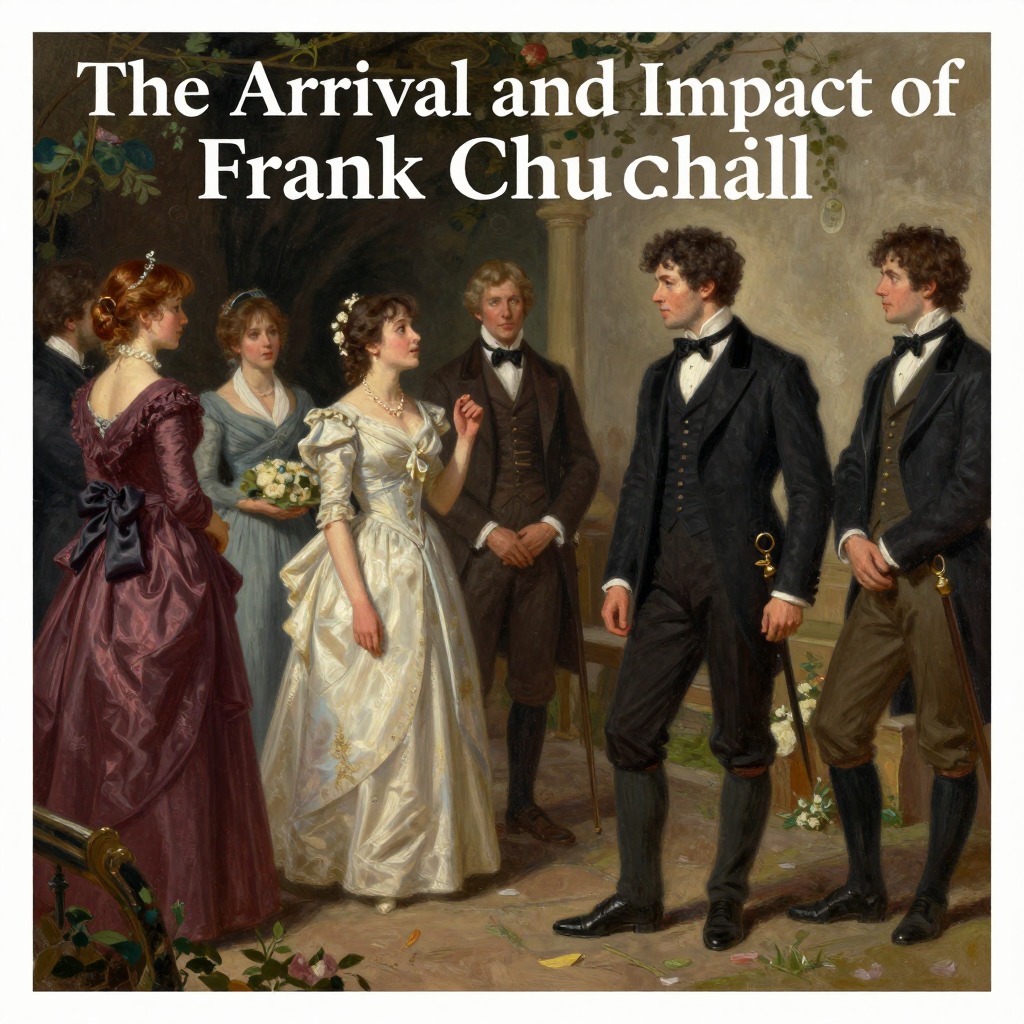
Hartfield is the venue for the novel's most important social gatherings and private conversations. It is where Emma first meets Harriet Smith and begins her ill-fated matchmaking schemes, where Mr. Elton pays his assiduous attentions (misinterpreted by Emma as directed at Harriet), and where Frank Churchill makes his first visit, immediately impressing Emma with his good looks and agreeable manners. The house hosts the dinner party for the Eltons, the Knightleys, and Jane Fairfax, a tense affair that reveals much about the characters' relationships. It is also the scene of Emma's painful self-examination after the Box Hill picnic, where Mr. Knightley reproaches her for her cruelty to Miss Bates, and the place where she finally realizes she loves him. The shrubbery at Hartfield is the setting for their mutual declaration of love, a moment that transforms the house from a symbol of her single life into the promise of a shared future.
Changes and Narrative Significance
Hartfield undergoes a subtle but profound transformation over the course of the novel. Initially, it represents Emma's unchallenged dominion and her resistance to change, particularly marriage, which she believes would require her to leave. She declares that few married women are half as much mistress of their husband's house as she is of Hartfield. The house is also a source of anxiety for Mr. Woodhouse, who hates change of every kind and dreads the loss of any member of his household. The novel's resolution hinges on a compromise that preserves Hartfield as the couple's home: Mr. Knightley agrees to move into Hartfield rather than requiring Emma to leave her father. This arrangement, which Emma finds more pleasing the more she contemplates it, transforms Hartfield from a bastion of her single independence into the foundation of her married happiness, symbolizing the integration of her past and future.