Weymouth
Weymouth, a fashionable seaside resort on the Dorset coast, serves as the hidden origin of the novel's most consequential secret. It is the place where Frank Churchill and Jane Fairfax first met and, before either of them arrived in Highbury, formed a clandestine engagement that would shape the emotional landscape of the entire narrative. The town's social season provided the cover under which their attachment began, and its waters witnessed the dramatic event that would later fuel Emma Woodhouse's suspicions and misunderstandings.
The Origin of the Secret Engagement
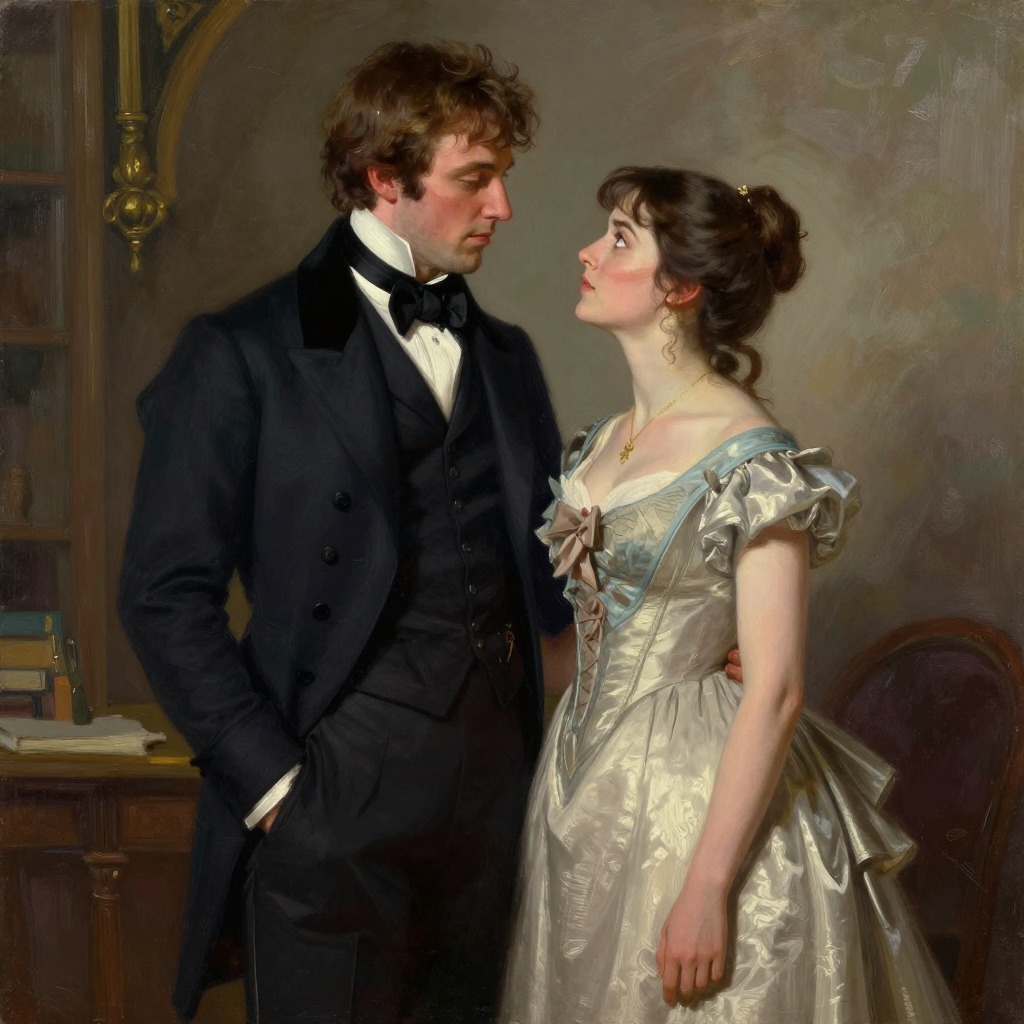
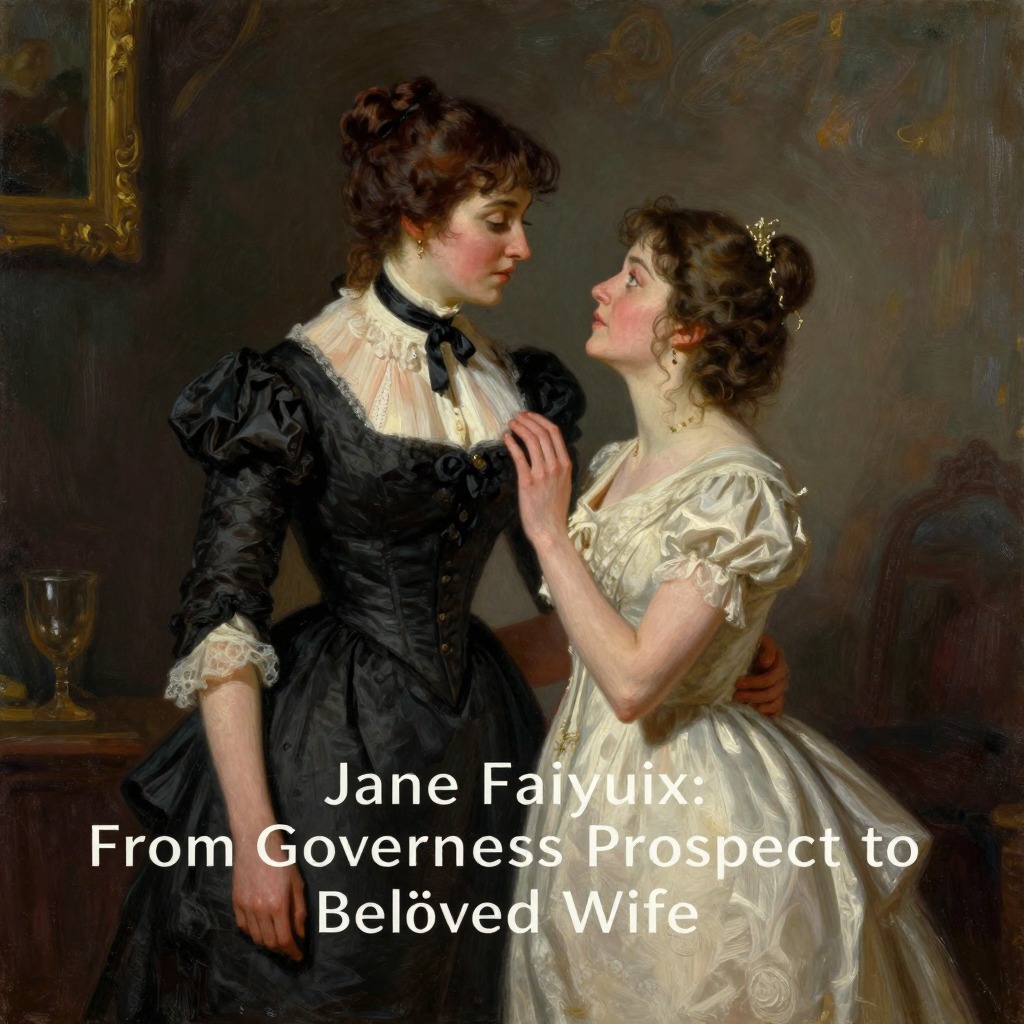
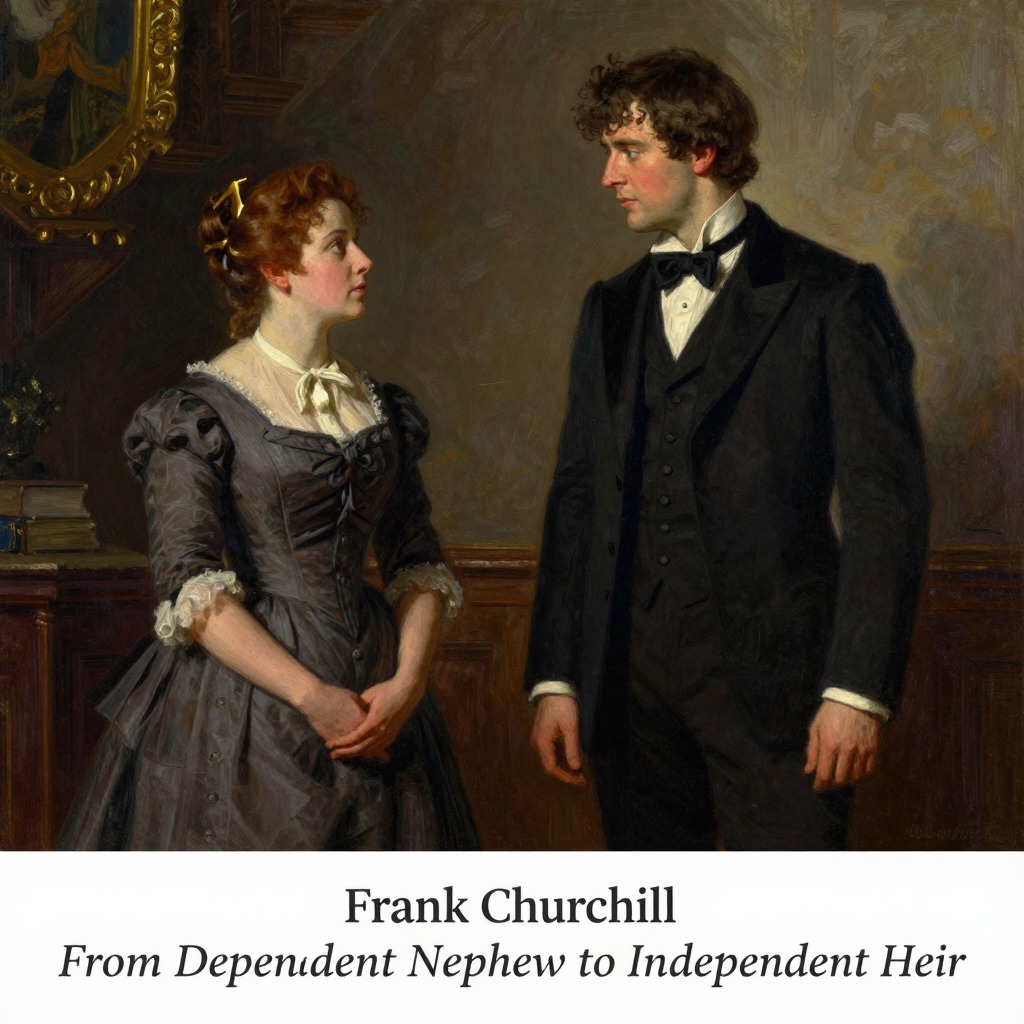
It was at Weymouth, during the autumn before the novel's main action, that Frank Churchill and Jane Fairfax became acquainted and, by October, had entered into a solemn, private engagement. The secrecy was absolute: not a single person—not the Campbells, not Jane's family, not Frank's father—knew of their bond. Frank later described his state of mind at the time, confessing that had Jane refused him, he "should have gone mad." The resort's social whirl, with its balls, promenades, and mixed company, offered the perfect environment for a young man dependent on his capricious aunt and a young woman destined for governess work to steal moments together away from the watchful eyes of Enscombe and Highbury.
The Drowning Incident and Mr. Dixon
Weymouth was also the scene of a dramatic water-party accident that became a subject of intense speculation. During an outing on the water, a sudden movement of the sails nearly dashed Jane Fairfax into the sea. Mr. Dixon, who was present with his new wife (Miss Campbell) and the rest of the party, caught her with great presence of mind, saving her life. Frank Churchill was also among the party and witnessed the rescue. This incident, which Miss Bates recalled with trembling, later led Emma to construct an elaborate and entirely false theory that Mr. Dixon was in love with Jane, and that this secret attachment was the real reason she chose to visit Highbury rather than accompany the Campbells to Ireland. Emma's imagination, fed by the romantic potential of the Weymouth story, became a source of unjust suspicion and, she later feared, of real distress to Jane's delicacy.
A Place of Shared Memory and Concealment
For Frank Churchill and Jane Fairfax, Weymouth remained a private reservoir of shared memory that they could never openly acknowledge. When Frank visited Highbury, he and Emma discussed the resort, and he revealed that he had heard a great deal there about Colonel Campbell's musical taste. He also spoke of the dancing at Weymouth, and when Jane played a waltz they had danced at the Coles' party, he remarked, "What felicity it is to hear a tune again which has made one happy!—If I mistake not that was danced at Weymouth." Jane coloured deeply at the recollection. The town thus functioned as a silent witness to their bond, a place whose very name carried the weight of a concealed promise that could not be spoken aloud in Highbury's drawing-rooms.
Narrative Significance
Weymouth's role in the novel is that of a hidden foundation. It is the unseen location where the central secret of the plot was forged, and its remembered events—the rescue, the music, the dances—provide the raw material for Emma's most significant errors of judgment. The town represents the world outside Highbury, a place of greater social freedom and danger, where attachments could form beyond the supervision of the village. Its memory lingers throughout the story, a constant, unspoken presence that finally explains the strange behaviour, the mysterious piano, and the long-deferred visit that had kept Frank Churchill away from his father for so many years.