Florence
Florence is the crucible of the novel's action, the city where Robert Langdon's nightmare begins and where the first critical steps of the quest unfold. It is not merely a backdrop but an active participant, its art, architecture, and history providing the very clues Langdon must decipher. The city's identity as the birthplace of Dante Alighieri and the epicenter of the Renaissance makes it the inevitable starting point for a conspiracy rooted in the poet's vision of hell and a madman's plan to reshape humanity.
Identity and Introduction
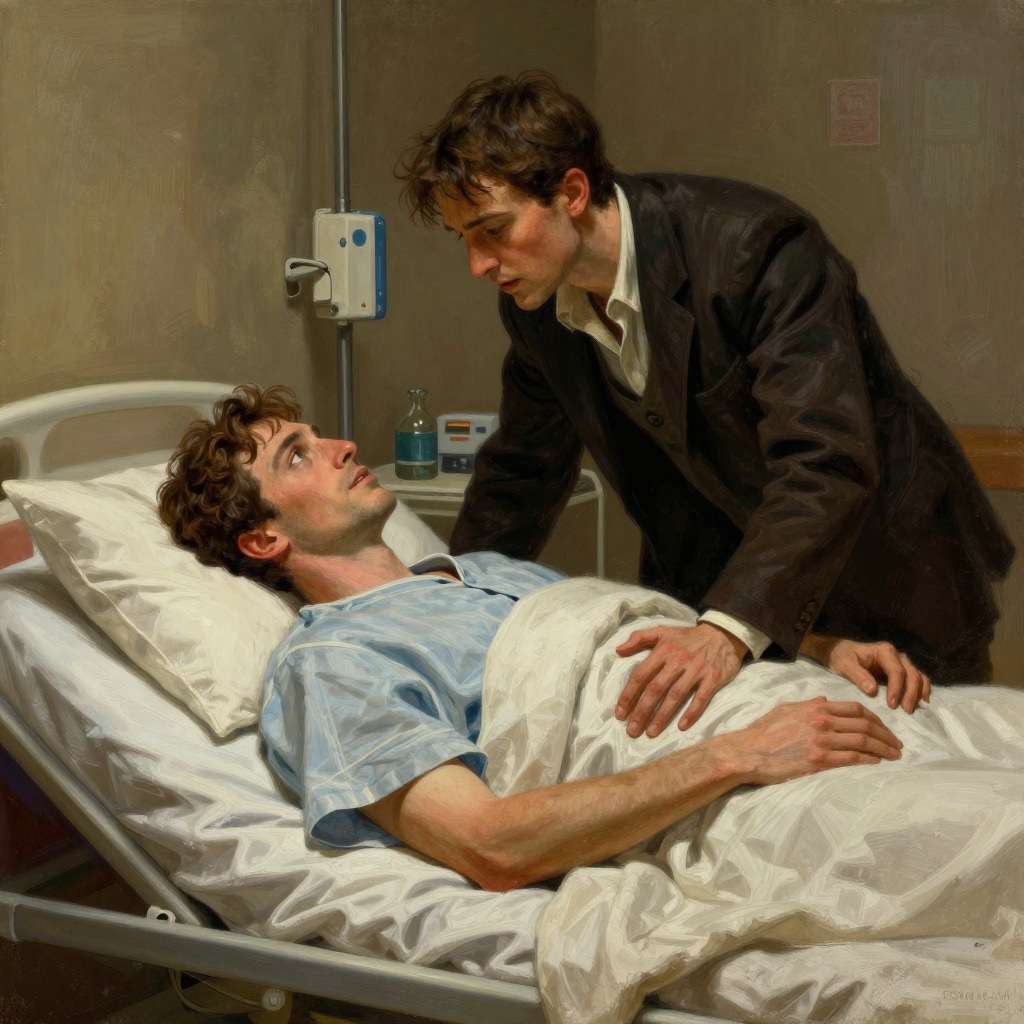
Florence is introduced as the shocking revelation that shatters Langdon's disorientation. Waking in a hospital bed, he believes he is in Massachusetts, only to recognize the distinctive silhouette of the Palazzo Vecchio outside his window, forcing him to confront the reality that he is in Italy. The city is immediately established as a place of danger and mystery, where Langdon has been shot and where a killer in black leather pursues him through the streets. The narrative emphasizes Florence's dual nature: a repository of sublime art and a labyrinth of ancient secrets where a modern, lethal conspiracy is unfolding.
Role in the Plot
Florence serves as the primary stage for the first half of the novel. It is the site of Langdon's escape from the hospital, the discovery of the biotube and its projector, and the frantic chase through the Boboli Gardens and the Vasari Corridor. The city's landmarks are not just scenery but functional elements of the plot. The Palazzo Vecchio houses the Vasari mural with the hidden message "cerca trova," which Langdon must decipher. The Baptistry of San Giovanni conceals Dante's death mask, the key to the next clue. The city's geography—from the Porta Romana roadblock to the secret passageways of the Pitti Palace—dictates the rhythm of the chase, forcing Langdon and Sienna Brooks to use their wits and knowledge of art history to evade their pursuers.
Thematic Significance
Florence embodies the novel's central tension between the glorious past and a terrifying future. It is the city of Dante, Michelangelo, and the Medici, a testament to human creativity and achievement. Yet it is also the city where Zobrist, a fanatical genius, chose to hide his creation, using the very symbols of the Renaissance to point toward a plan for mass sterilization. The city's beauty and history are juxtaposed with the brutal violence of the chase and the apocalyptic threat of the plague. Langdon's deep connection to Florence—his knowledge of its art and his love for its culture—is both his greatest asset and the source of his vulnerability, as he is forced to navigate a city that has become a deadly puzzle box. The novel uses Florence to explore the idea that the same civilization that produced the Renaissance could also produce the tools for its own undoing, and that the wisdom of the past must be urgently applied to the crises of the present.
Change and Ending
Langdon's journey begins and ends in Florence. He leaves the city in a state of confusion and fear, pursued by forces he does not understand. He returns after the climactic events in Istanbul, having regained his memory and his purpose. The final act of the novel takes place in Florence, where Langdon, now in control, quietly returns Dante's death mask to its display case in the Palazzo Vecchio. This act of restoration is a symbolic conclusion to his personal ordeal. Florence, which was the scene of chaos and violence, becomes the place of quiet resolution. The city is no longer a labyrinth of danger but a sanctuary of art and history, where a small, meaningful act of restitution can take place, offering a fragile sense of closure after the global crisis.