Harry Meadows
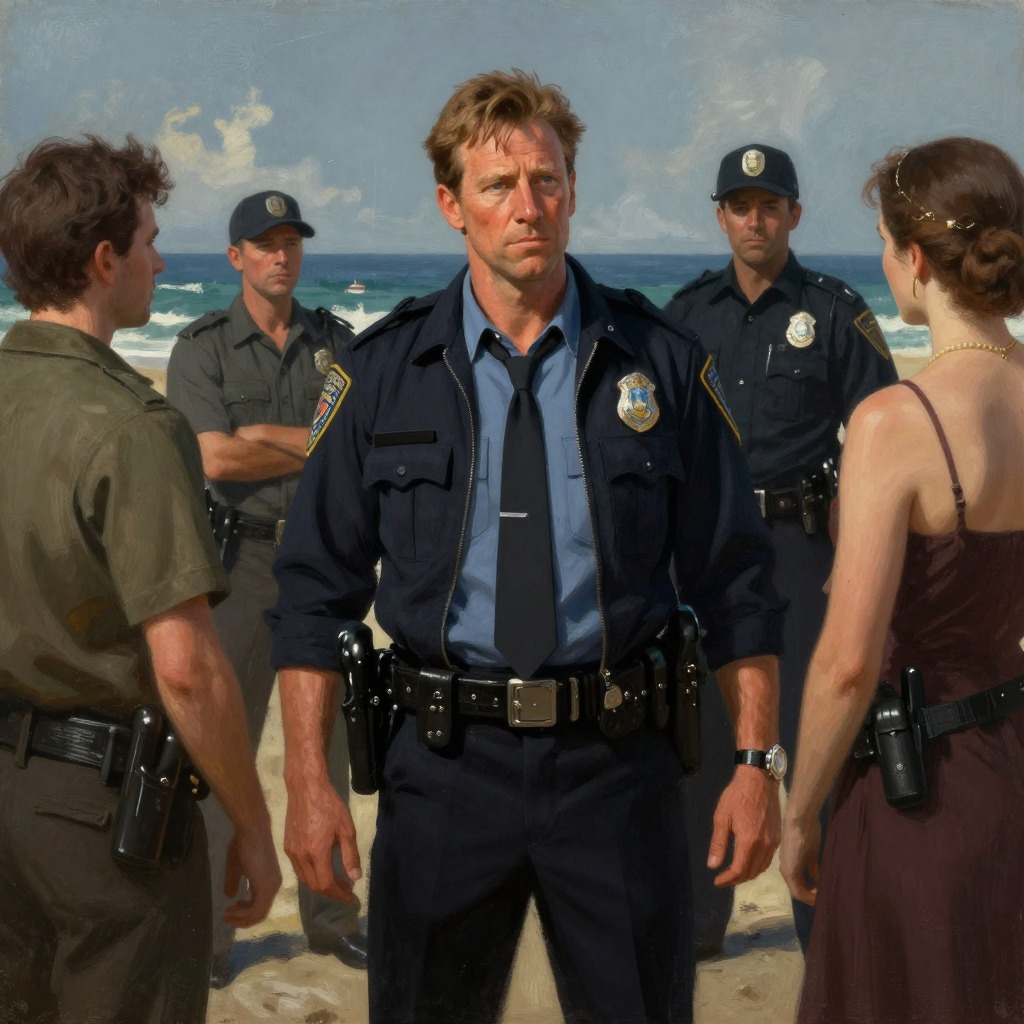
Harry Meadows is the editor and part-owner of the Amity Leader, the town's newspaper, and a central figure in the political and social machinery of Amity. A man of immense physical presence—described as being in his late forties, eating too much, chain-smoking cheap cigars, and drinking bonded Bourbon—Meadows is also a shrewd journalist with unusually keen reportorial antennae. His relationship with Police Chief Martin Brody is the novel's most important friendship, a bond built on mutual respect, shared secrets, and a delicate balance of power that is tested to its breaking point by the shark crisis.
Role in the Amity Understanding
Meadows is a key participant in the 'Amity understanding,' the town's tacit, survival-driven agreement to suppress information that could harm the summer tourist economy. His contribution, in consultation with Brody, consists of 'keeping a certain perspective on the rare unfortunate occurrences that qualified as news.' This practice is illustrated by the previous summer's rapes, which were reported in the Leader only as 'molestations' because Brody and Meadows agreed that the specter of a black rapist would not help the tourist trade. Similarly, when wealthy summer residents are arrested for drunk driving, Meadows agrees to book them on lesser charges, reporting only the minor offense. This system of managed news is a pragmatic, if ethically fraught, strategy for ensuring the town's economic survival through the critical twelve-week summer season, upon which the fortunes of Amity's one thousand permanent residents depend.
The Suppression of the First Attack
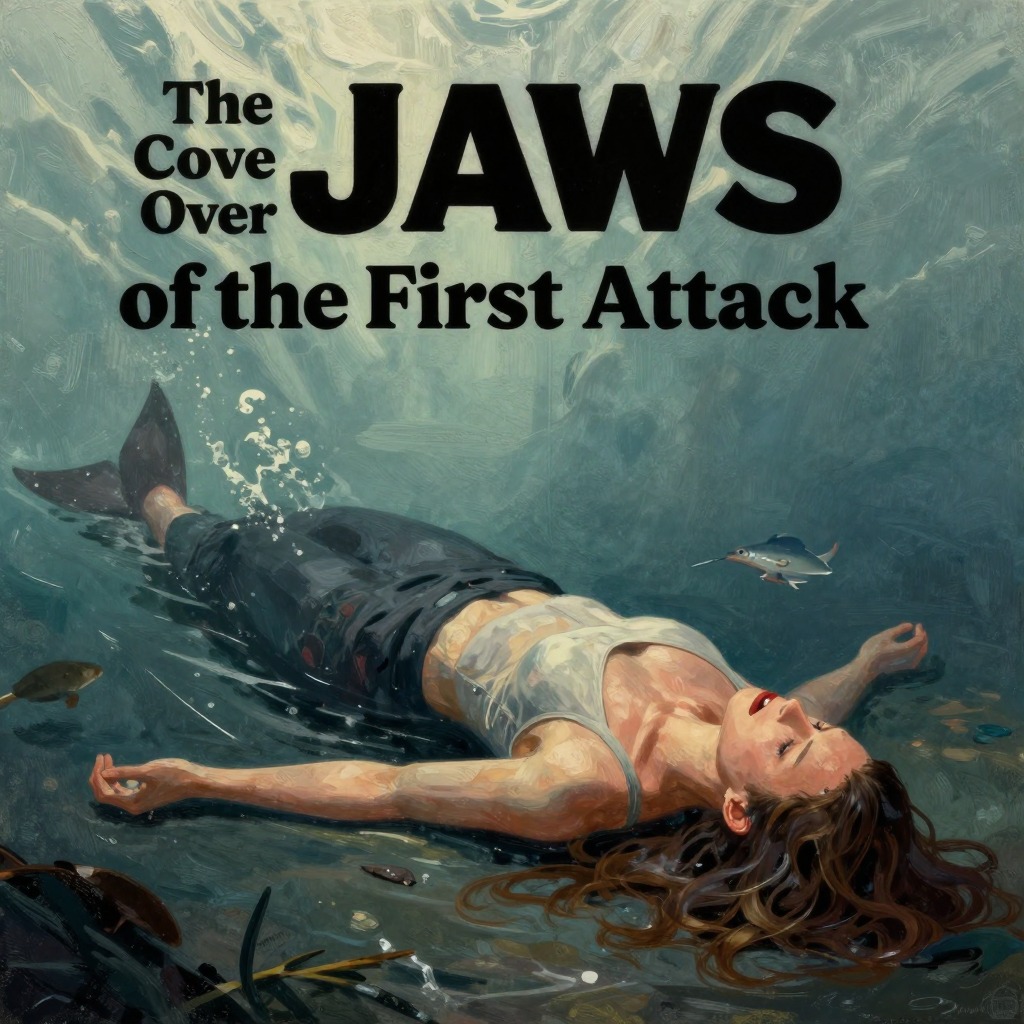
When Christine Watkins is killed by a shark, Brody wants to close the beaches and publicize the attack. Meadows initially argues against it, citing the expert opinion of Matt Hooper from the Woods Hole Oceanographic Institute that the attack was a freak accident and the shark was likely long gone. Meadows warns Brody that a story about a 'monster shark' would be disastrous for real estate, as 'sharks are like ax-murderers' and people react to them 'with their guts.' He reveals that he has already received six phone calls from advertisers and one from Mr. Coleman, the majority owner of the Leader, who has ordered him not to run the story. Meadows tells Brody, 'I think this is one of those times, Martin, when we have to forget the book and think of what's best for the people.' Brody reluctantly agrees, a decision that leads directly to the deaths of Alexander Kintner and Morris Cater.
The Shift to Full Disclosure
After the second and third attacks, Meadows is forced to publish the story to cover himself, as reporters from the New York Times and Newsday are already on the scene. He writes a front-page story that reveals the earlier suppression, quoting an unnamed selectman who says, 'We didn't want to start a panic.' In the article, Meadows quotes Brody's earlier, reluctant justification for not closing the beaches, making Brody appear to have argued a case he did not believe. Brody is furious, accusing Meadows of a 'pretty shitty trick,' but Meadows insists he had to have someone give the official line and saw no point in 'airing all the dirty laundry of private disputes.' This marks a turning point: Meadows is no longer a collaborator in the cover-up but is now reporting the full, damaging truth, even at the cost of his friendship with Brody.
Investigator and Defender
Meadows becomes Brody's most important ally in the fight against the shark and the political forces that oppose him. He is the one who brings Matt Hooper to Amity, calling him from Woods Hole to help assess the threat. He also acts as a private investigator, digging into the affairs of Mayor Larry Vaughan. Meadows discovers that Vaughan is deeply in debt to a known Mafia figure, Tino Russo, and that Vaughan has formed a shell company, Caskata Estates, to buy up depressed real estate. Meadows reveals that Vaughan's desperate push to reopen the beaches is driven by his need to raise property values to avoid financial ruin. When Vaughan overhears Meadows telling Brody this on the phone, he screams, 'You print one word of that crap and I'll sue you to death!' Meadows, however, is unable to print the story immediately, lacking the documentary proof to withstand a lawsuit.
Final Exoneration of Brody
After Matt Hooper is killed by the shark, Meadows publishes a powerful editorial in the Leader that serves as a public vindication of Brody. The editorial, 'A Note of Sorrow... and a Vote of Thanks,' states that after the first attack, Brody wanted to inform the public and close the beaches, but 'a chorus of less prudent voices, including that of the editor of this newspaper, told him he was wrong.' It acknowledges that 'it was we who were wrong' and praises Brody for his 'extraordinary fortitude and integrity' in risking his life on the expedition that killed Hooper. By taking public responsibility for his own role in the cover-up and by exposing the greed of Brody's critics, Meadows uses his newspaper to restore Brody's reputation and to offer a final, unambiguous moral judgment on the events that have torn the town apart.