Matt Hooper
Matt Hooper is a young, wealthy ichthyologist from the Woods Hole Oceanographic Institute whose arrival in Amity to investigate the series of fatal shark attacks sets him on a collision course with Police Chief Martin Brody. His scientific expertise, privileged background, and romantic entanglement with Ellen Brody make him a figure of both admiration and resentment, while his obsessive fascination with the great white shark ultimately leads to his death inside a shark cage.
Identity and Background
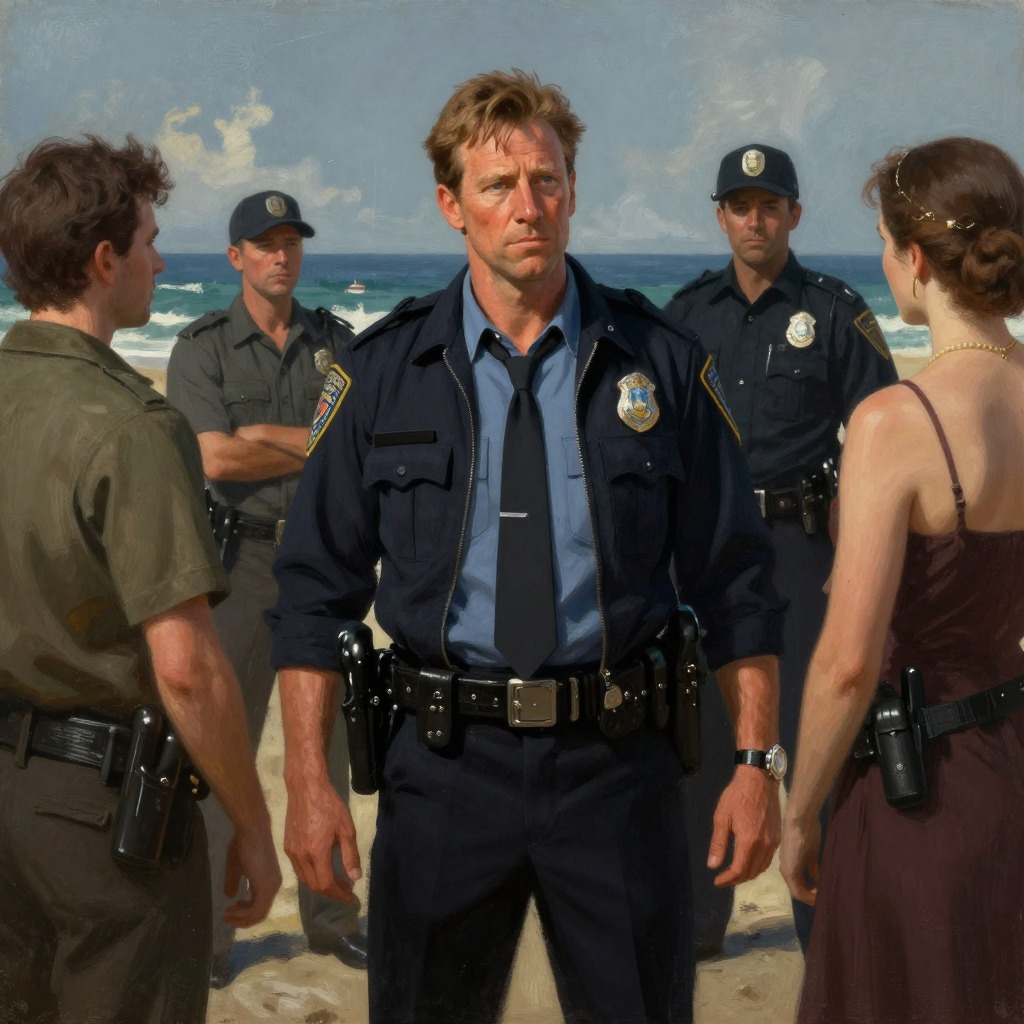
Hooper is introduced through a phone call from Harry Meadows to the Woods Hole Oceanographic Institute, where Meadows describes the remains of Christine Watkins to him. Hooper immediately identifies the likely culprit as a great white shark, noting that only a fish with a mouth roughly three feet across could have cut a woman in half. He explains that great whites are scarce and that the attack was probably a freak accident, with the shark likely long gone. When Brody first meets Hooper in person at the Amity dock, he sees a young man in his mid-twenties, handsome, tanned, with sun-bleached hair, about six feet one inch tall and 170 pounds. Brody's mental reflex scans Hooper for possible threat, and with what Brody recognizes as juvenile pride, he determines that if it ever came to a face-off, he could take Hooper because experience would make the difference. Hooper reveals that he grew up spending every summer in Southampton, from grade school through grad school, which immediately triggers Brody's reverse snobbism, an attitude common to year-round residents of resort communities that equates wealth with effeteness. Hooper testily responds, "You're picking nits. Okay, so I wasn't born here. But I've spent a lot of time in these waters, and I wrote a paper on this coastline." He explains that the Amity shoreline is not an environment that would normally support a long stay by a shark, but that sharks do so many uncharacteristic things that the erratic becomes the normal.
Life and Plot Trajectory
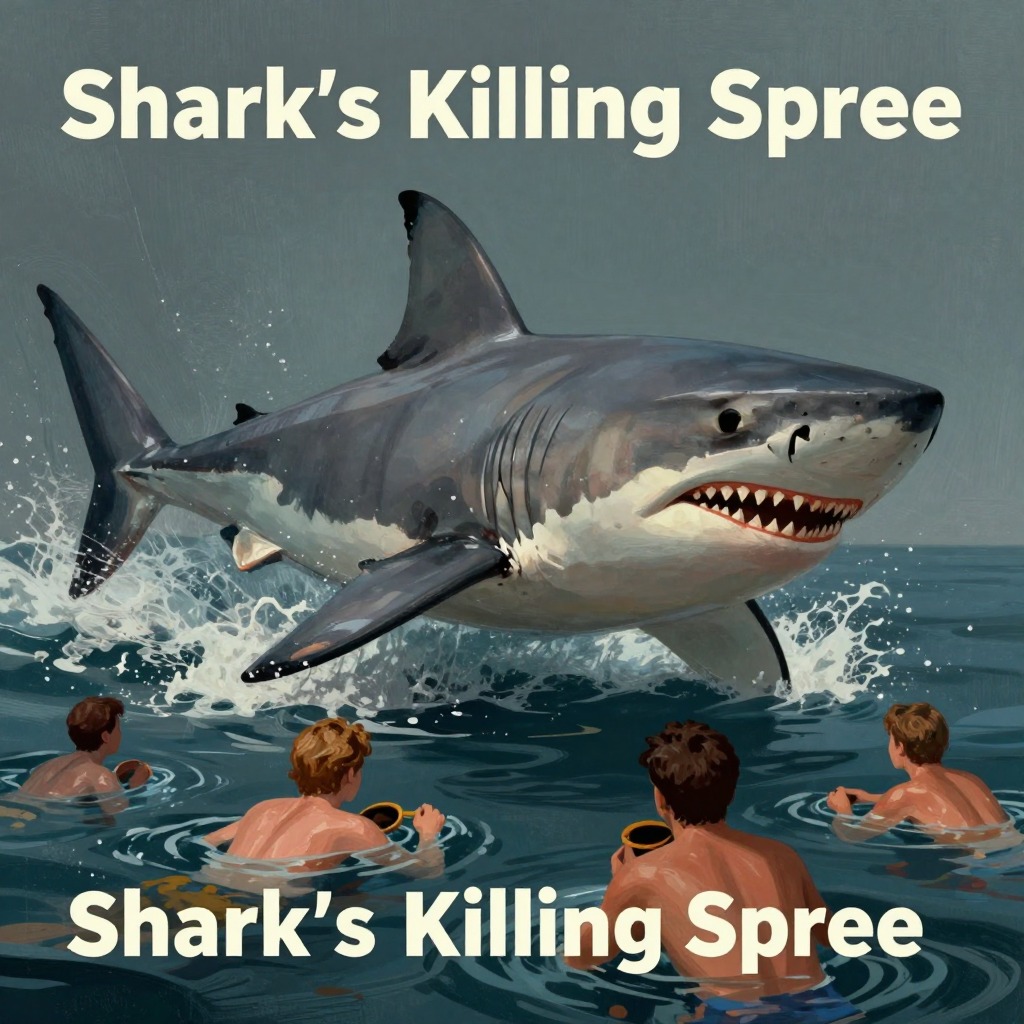
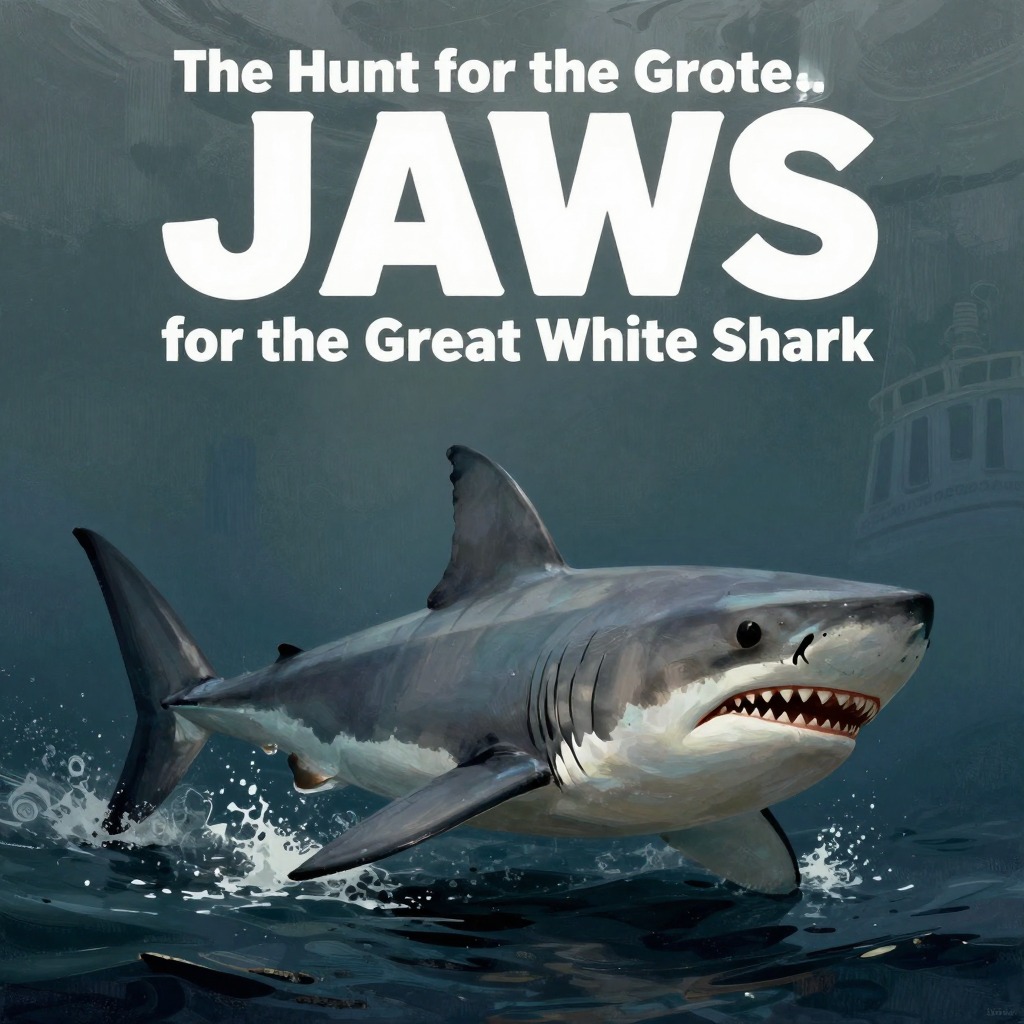
Hooper's role in Amity evolves from scientific advisor to active hunter. He cruises up and down the shore in Ben Gardner's boat, looking for signs of the shark, and by Sunday night he tells Brody he is ready to conclude that the fish has gone back to the deep, citing the absence of any sign of him and the presence of other fish, since when a big white is in the neighborhood everything else vanishes. Brody is not convinced enough to open the beaches. Hooper also takes water samples and tries to find out how other fish are behaving. When the beaches are opened for the Fourth of July weekend, Hooper patrols in the Flicka and spots the shark's fin, warning Brody to get the swimming boy out of the water. After the incident, Hooper joins Brody and Quint on the Orca to hunt the shark. On the second day of the hunt, Hooper argues with Quint about the use of an unborn porpoise as bait, calling the dolphin protected and expressing outrage that Quint killed the mother. Quint dismisses him, saying, "When I fish, son, I catch what I want." Hooper later decides to enter the shark cage with a movie camera and a bang stick, a device that fires a twelve-gauge shotgun shell on contact. Quint warns him that a fish that big could eat the cage for breakfast, but Hooper insists, saying, "This is a chance of a lifetime. No one's ever been able to photograph a fish this big before." Inside the cage, Hooper is mesmerized by the shark's colors: the top of the immense body a hard ferrous gray, bluish where dappled with streaks of sun, and beneath the lateral line, all creamy, ghostly white. The shark attacks the cage, ramming its snout between the bars and spreading them. The jaws close around Hooper's torso, and he jabs his fist into the black eye. The fish bites down, and the last thing Hooper sees before he dies is the eye gazing at him through a cloud of his own blood.
Key Actions and Objectives
Hooper's primary objective is to study and, if possible, kill the great white shark. He brings a shark cage from Woods Hole, intending to dive and take pictures, and he arms himself with a bang stick. He tells Brody, "First, I'm going to take some pictures of him. Then I'm going to try to kill him." He also attempts to use scientific reasoning to persuade Brody to open the beaches, arguing that the shark has likely moved on. His actions are driven by a combination of professional curiosity and personal obsession. He tells Ellen that sharks are "beautiful — God, how beautiful they are! They're like an impossibly perfect piece of machinery. They're as graceful as any bird. They're as mysterious as any animal on earth." He also reveals that he has tagged sharks in the Red Sea and dived with them off Australia, and that he dreams about Peter Gimbel's trip to film great whites.
Relationships and Conflict
Hooper's relationship with Brody is marked by class tension and mutual suspicion. Brody resents Hooper's wealth and education, and his suspicion that Hooper is having an affair with Ellen Brody leads to a violent confrontation on the dock. Brody grabs Hooper by the collar and rams his fists into Hooper's throat, demanding to know where he was on a rainy Wednesday afternoon. Hooper, choking, claims he was in a motel with Daisy Wicker, but Brody knows Daisy is a lesbian and calls him a liar. Hooper's relationship with Quint is also antagonistic. Quint mocks Hooper's scientific approach, calling him a virgin and dismissing his concerns about the unborn porpoise bait. Hooper, in turn, tells Quint, "I think this fish is more than you can handle." Despite the conflict, Hooper's death deeply affects both Brody and Quint, with Quint vowing to kill the fish even without payment.
Change and Ending
Hooper's arc ends in violent death. After the shark attacks the cage, Hooper is bitten in half. Brody sees Hooper's body protruding from each side of the shark's mouth, head and arms hanging limply down one side, knees, calves, and feet from the other. Brody, in a panic, shoots and hits Hooper in the neck. The fish sinks with Hooper's body still in its mouth. Hooper's death marks a turning point in the hunt, pushing Quint into a monomaniacal obsession and forcing Brody to confront his own guilt and fear.
Narrative Role and Evaluation
Hooper serves as a foil to both Brody and Quint. He represents scientific rationality and privileged detachment, in contrast to Brody's working-class pragmatism and Quint's rugged individualism. His death underscores the novel's theme that the shark is an uncontrollable force of nature that defies human understanding and mastery. Hooper's final act of entering the cage is both brave and foolhardy, a testament to his obsessive fascination with the shark and his desire to prove himself. His death also catalyzes Brody's final confrontation with the shark, as Brody, having witnessed Hooper's demise, is driven to see the hunt through to its end.