Clarice
Clarice is the daughter of somebody on the Manderley estate, engaged by Mrs Danvers to serve as the second Mrs de Winter's personal maid. She is a nice, quiet, well-mannered girl who, thank heaven, had never been in service before and had no alarming standards. The narrator feels at ease with her, not minding saying "Oh, Clarice, would you mend my stocking?" — a contrast to the superior housemaid Alice, who had examined the narrator's plain underclothes with an expression of shock, as though her own personal pride had received a blow. Clarice, by contrast, would never know real lace from false, and the narrator considers it considerate of Mrs Danvers to have engaged her, thinking she must have thought they would be fit company, one for the other.
Role in the Household and Relationship with the Narrator
Clarice is the only person in the house who stands in awe of the narrator. To her, the narrator is the mistress, Mrs de Winter, and the possible gossip of the others cannot affect her. She has been away for some time, brought up by an aunt fifteen miles away, and in a sense she is as new to Manderley as the narrator is. The narrator visits Clarice's mother, who says of Clarice: "It's not like being with a lady, Mum, it's like being with one of ourselves." The narrator asks Maxim whether this is meant as a compliment or an insult, and Maxim, remembering Clarice's mother's cottage as a shambles that smells of boiled cabbage, takes it as a direct insult. The narrator, however, feels that this is why Clarice does not disdain her underclothes as Alice had done, and that perhaps this is why she prefers calling on Clarice's mother to calling on people like the bishop's wife, who never said she was like one of themselves.
Involvement in the Fancy Dress Ball
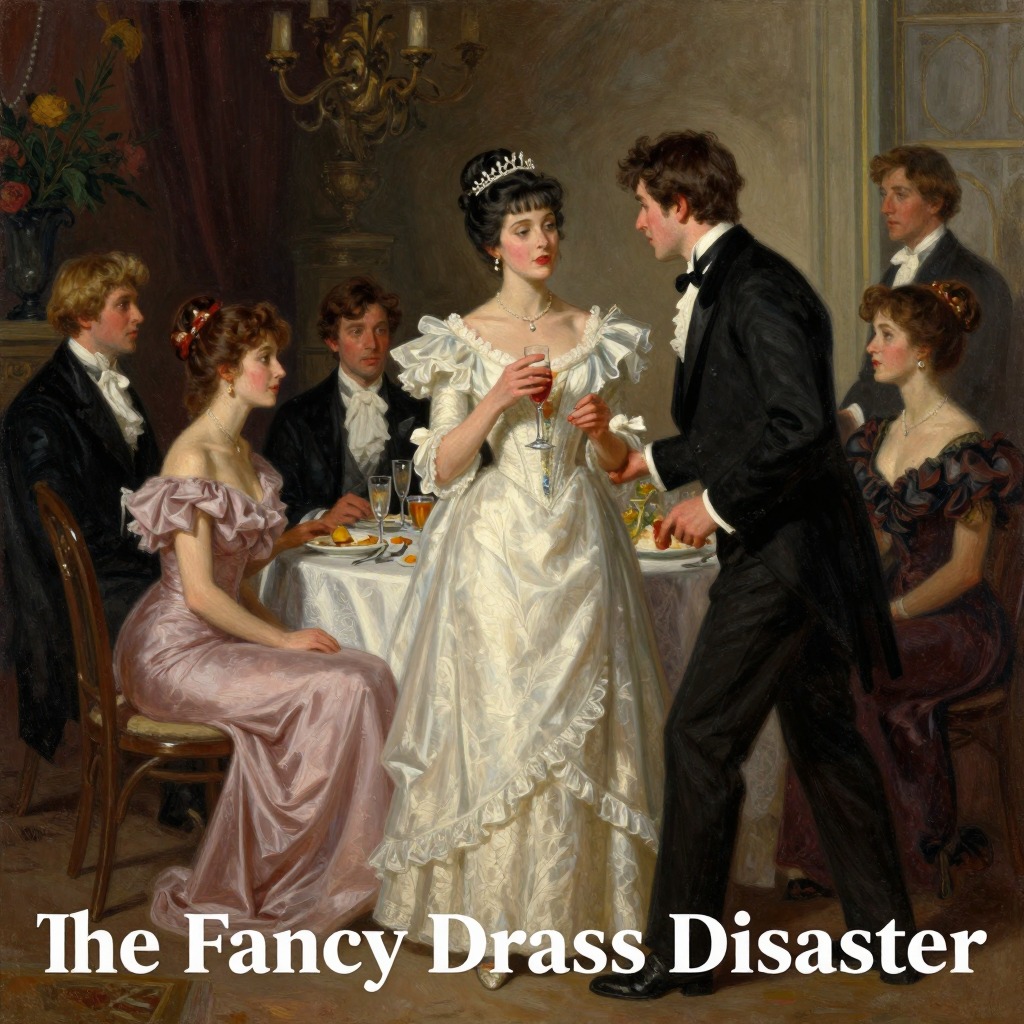
Clarice is the narrator's confidante regarding the costume for the Manderley fancy dress ball. The narrator tells Clarice that when she decides on her costume, she will tell her and nobody else, making it a dead secret between them both. Clarice can hardly contain herself for excitement, and the narrator, too, begins to get party fever as the great day approaches. On the night of the ball, Clarice waits for the narrator in her bedroom, her round face scarlet with excitement. They giggle together like schoolgirls, and the narrator bids her lock the door. Clarice helps the narrator into the white dress copied from the portrait of Caroline de Winter, hooking her up with fumbling fingers and exclaiming, "It's handsome, Madam, it's a dress fit for the Queen of England." When the narrator puts on the curled wig, Clarice stands behind her shoulder, her round face beyond the narrator's in the reflection of the looking-glass, her eyes shining, her mouth a little open. The narrator takes the skirt of her dress in her hands and curtseys to her, and Clarice giggles excitedly, rather embarrassed, flushed though, very pleased.
After the Ball's Disaster
When the costume proves to be a devastating repetition of what Rebecca had worn at the last ball, and Maxim orders the narrator to change, Clarice is waiting in the bedroom, pale and scared. As soon as she sees the narrator she bursts into tears. The narrator tells her it is not her fault, and Clarice shakes her head, the tears still running down her cheeks, crying, "Your lovely dress, Madam, your lovely white dress." She fumbles with the hooks of the dress, her hands trembling, making worse trouble with it than the narrator does herself, and all the while catching at her breath. The narrator asks her to leave, telling her not to worry and to enjoy the party. Clarice asks if she can press out a dress for the narrator, but the narrator refuses and asks her not to say anything about what has just happened. Clarice bursts into another torrent of weeping before leaving. Later, during the fireworks, the narrator sees little Clarice in a corner with some boy off the estate, smiling happily, squealing with delight as a squib splutters at her feet, having forgotten her tears.
Significance
Clarice represents a refuge of simplicity and genuine affection for the narrator within the oppressive atmosphere of Manderley. Her uncomplicated loyalty and lack of judgment provide the narrator with a rare moment of ease, contrasting sharply with the hostility of Mrs Danvers, the critical scrutiny of the other servants, and the constant, painful comparisons to Rebecca. Clarice's presence underscores the narrator's isolation and her longing for a world where she is accepted for herself, not measured against a ghost.