The Qhoyne is a tributary river of the Rhoyne, known as the Darkling Daughter, which joins the larger river at Dagger Lake and carries gold, amber, and pine from the Forest of Qohor.
Queenscrown is a ruined watchtower and village in the northern Gift, a site of both strategic significance and personal memory for Jon Snow, where he was saved by his brother Bran's direwolf Summer and where he later confronted the limits of his authority as Lord Commander of the Night's Watch.
Queensgate is one of the nineteen abandoned castles along the Wall that Jon Snow, as Lord Commander of the Night's Watch, plans to regarrison with free folk after Tormund Giantsbane's people pass through the Wall.
The River Gate is one of the principal gates of King's Landing, located on the southwestern side of the city where the Blackwater Rush meets the sea. It is the gate through which travelers and goods pass when arriving by ship or departing for the riverlands, and it serves as a critical chokepoint for the city's defenses. In A Dance with Dragons, the River Gate is the site of Barristan Selmy's dramatic escape from the city after being dismissed from the Kingsguard, an event that underscores both the gate's strategic importance and the old knight's resourcefulness.
Rosby is a modest but strategically significant holdfast in the crownlands, whose succession becomes a point of contention on the small council during the power vacuum following Cersei Lannister's arrest and the regency of Ser Kevan Lannister.
Rutting Meadow is a contested territory in the riverlands, claimed by House Bracken as part of the lands they argue were stolen by House Blackwood. It appears in the negotiations between Jaime Lannister and Lord Tytos Blackwood after the siege of Raventree Hall, where Bracken demands it as recompense for his support of the Lannisters.
Sable Hall is one of the abandoned castles along the Wall that Jon Snow, as Lord Commander of the Night's Watch, orders to be re-garrisoned with free folk under the command of his own officers, as part of his strategy to house the wildlings admitted through the Wall and to strengthen the Watch's defenses against the Others.
Seal Rock is a massive grey-green sea stone that dominates the approaches to the outer harbor of White Harbor, a strategic defensive position fortified during the War of the Five Kings.
The Shadow Tower is the westernmost fortress of the Wall, commanded by Ser Denys Mallister. It guards the Bridge of Skulls, a narrow crossing over the Gorge that wildling raiders have repeatedly tried to force. Throughout A Dance with Dragons, the Shadow Tower serves as a vital but undermanned outpost, its commander pleading for reinforcements while Jon Snow struggles to garrison the Wall's abandoned castles.
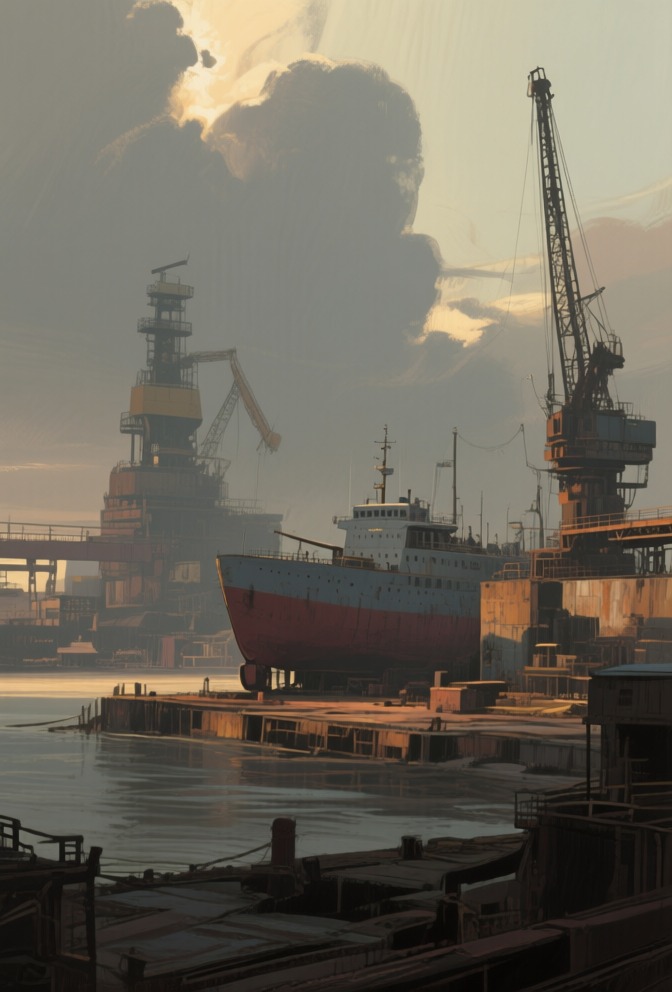
Shipbreaker Bay is the stormy, treacherous body of water that crashes against the shores of Cape Wrath in the stormlands, most famously against the base of the cliff on which Griffin's Roost is perched. Its violent reputation is established through the castle's history and the memories of its returned lord, Jon Connington, who hears its growl as he reclaims his ancestral seat.
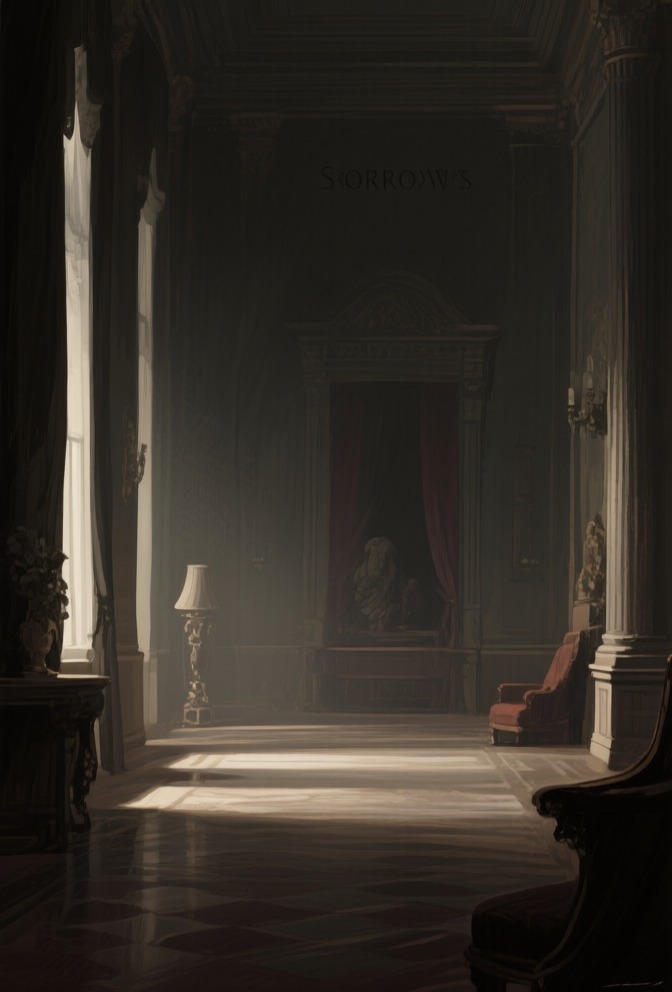
The Sorrows is a cursed, fog-shrouded stretch of the Upper Rhoyne where the drowned city of Chroyane lies in ruins, haunted by the stone men—victims of greyscale—and ruled by the legendary Shrouded Lord. It is a place where time and space warp, rivers run backward, and the dead whisper, serving as a threshold of terror and transformation for Tyrion Lannister and the crew of the Shy Maid.
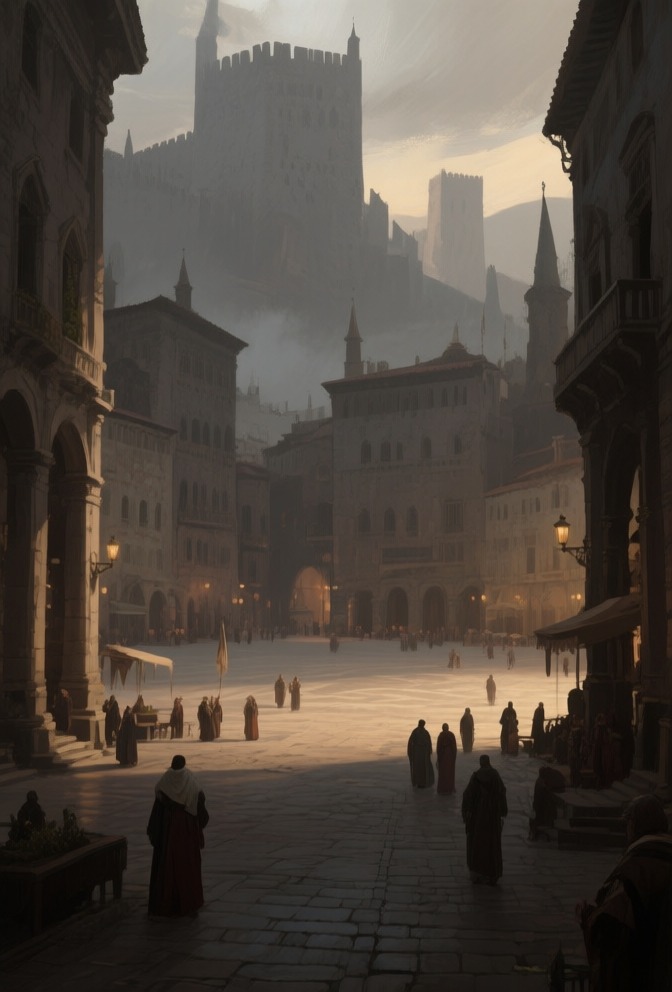
Stoney Sept is a market town in the riverlands of Westeros, best known as the site of the Battle of the Bells during Robert's Rebellion, where the rebel Robert Baratheon was nearly captured by the royalist forces under Lord Jon Connington. The town's narrow streets, brothels, and sept became the stage for a pivotal confrontation that shaped the war's outcome and left a lasting mark on Connington's psyche.
Torrhen's Square is a castle in the north, held by the ironborn under Dagmer Cleftjaw during the War of the Five Kings, and becomes a target for both the Boltons and Stannis Baratheon as the conflict for control of the north intensifies.
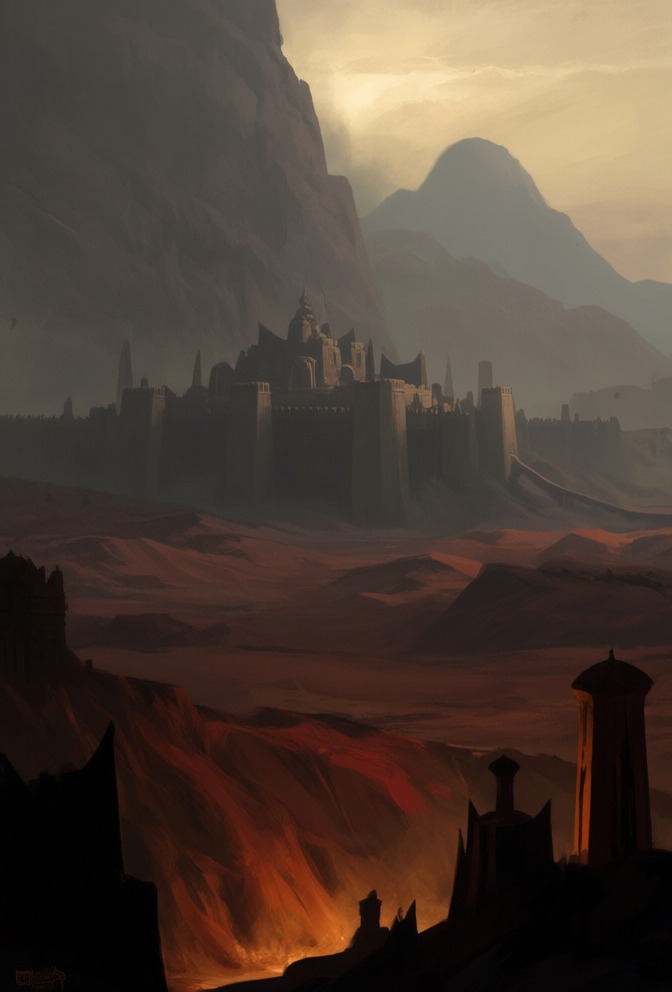
Vaes Dothrak is the sole city of the Dothraki people, a sacred place where the crones of the dosh khaleen dwell and where the laws of the horselords forbid the shedding of blood or the wearing of blades. It is the site of Daenerys Targaryen's first true test of power, where her brother Viserys met his end, and where the great sphinx of Valyria was dragged as a trophy.
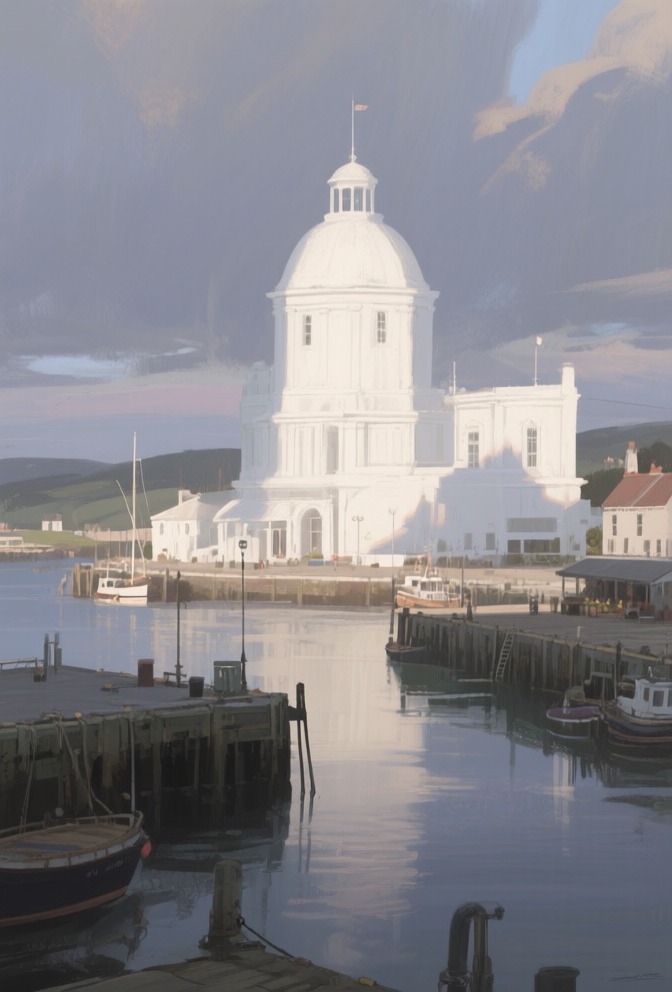
White Harbor is the principal city and only true port of the North, ruled by House Manderly. It serves as a crucial strategic and economic hub in the War of the Five Kings, and its allegiance is fiercely contested by Stannis Baratheon, Roose Bolton, and the Iron Throne.
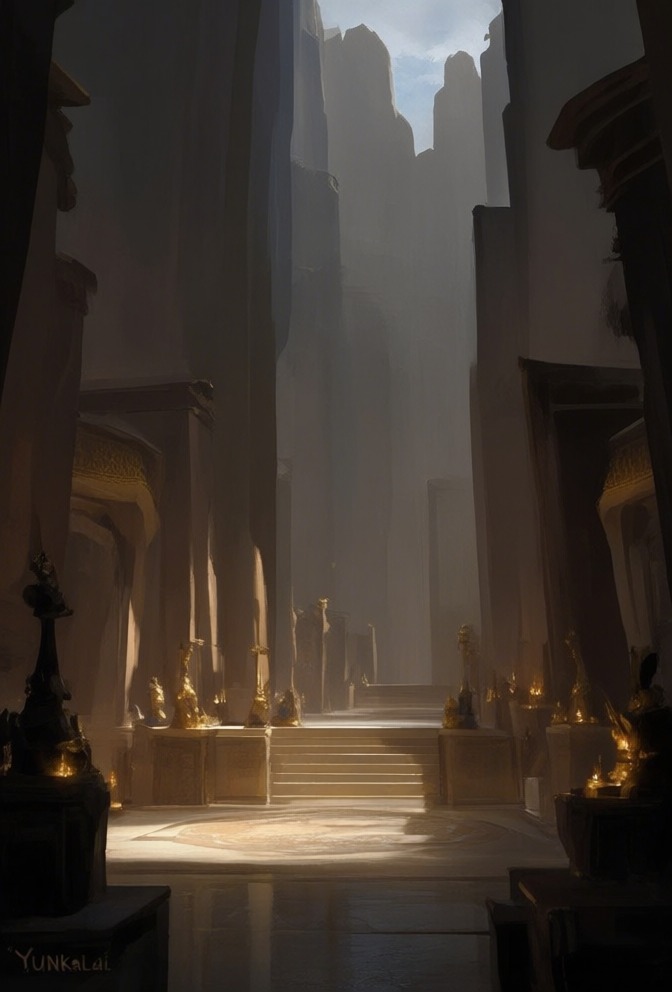
Yunkai is a Ghiscari slave city on Slaver's Bay, known as the Yellow City, whose Wise Masters are sworn enemies of Daenerys Targaryen's abolitionist rule and who, after their defeat in the field, return to slaving, raise armies, and form alliances to besiege Meereen.
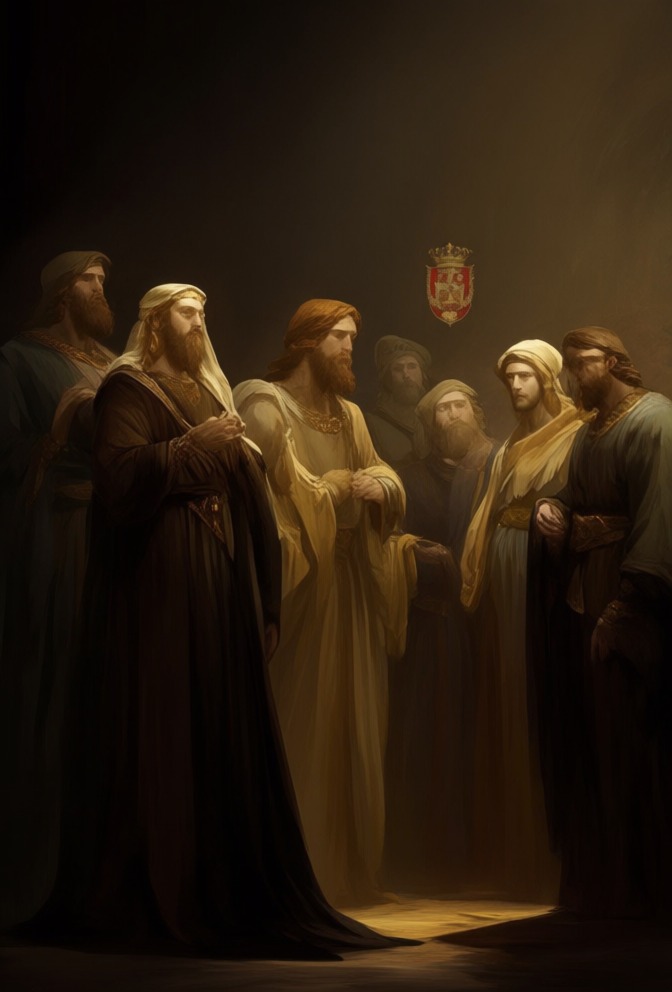
The Faith of the Seven is the dominant religion of the Seven Kingdoms of Westeros, a polytheistic faith centered on seven divine aspects. In A Dance with Dragons, the Faith undergoes a dramatic resurgence under the leadership of the High Sparrow, a zealous and ascetic figure who transforms the institution from a corrupt and worldly body into a powerful, militant, and politically independent force. The Faith's renewed authority is most starkly demonstrated through its imprisonment and trial of Queen Regent Cersei Lannister, whom it forces to undergo a humiliating walk of atonement, and its simultaneous prosecution of Queen Margaery Tyrell, asserting its power over the Iron Throne itself.
The Queen's Men are the faction of devout followers of R'hllor, the Lord of Light, who serve Stannis Baratheon and his queen, Selyse Baratheon. They are distinguished from the King's Men by their religious fervor, their loyalty to Melisandre, and their advocacy for burning unbelievers as sacrifices to their god. Throughout A Dance with Dragons, they act as a zealous, often disruptive presence at Castle Black, pressing for the conversion of the wildlings and the execution of Stannis's enemies, and they form a significant political and military force within Stannis's camp.
Cersei Lannister and Jaime Lannister are twin siblings whose incestuous relationship is a central secret of the series, producing three children—Joffrey, Myrcella, and Tommen—who are passed off as the offspring of King Robert Baratheon. The revelation of this incest, first publicly claimed by Stannis Baratheon, forms the legal basis for the War of the Five Kings and ultimately leads to Cersei's imprisonment and trial by the Faith of the Seven.
The Sack of King's Landing was the brutal climax of Robert's Rebellion, in which Lannister forces under Lord Tywin Lannister, ostensibly arriving to defend the city, instead sacked it and murdered the Targaryen royal family, including the infant Prince Aegon and his sister Princess Rhaenys, an act that cemented Lannister power and left a legacy of blood and vengeance that drives much of the subsequent conflict.
Joe Harper is Tom Sawyer's closest friend and fellow adventurer, serving as his loyal companion in childhood exploits ranging from pirate games on Jackson's Island to treasure hunts and schoolyard mischief. As a character, Joe embodies the universal boyhood desire for freedom and glory, yet his arc also reveals the pull of home and the limits of rebellion, making him a crucial foil to Tom's more daring and inventive nature.
Muff Potter is a hapless, alcoholic town drunkard in St. Petersburg who is framed for the murder of Doctor Robinson, a crime actually committed by Injun Joe. His wrongful arrest, trial, and near-execution form the central moral crisis of the novel, forcing Tom Sawyer and Huckleberry Finn to confront their oath of silence and ultimately testify, leading to Potter's exoneration and Injun Joe's exposure.
Rev. Mr. Sprague is the minister of the small church in St. Petersburg, a figure whose religious authority is consistently undercut by the irreverent, bored, and mischievous behavior of his congregation, particularly Tom Sawyer, and whose sermons and rituals are depicted as mechanical, tedious, and ultimately ineffectual against the vitality of boyhood.
Widow Douglas is a wealthy, generous, and socially prominent widow in St. Petersburg whose hilltop mansion serves as the town's only palace and whose hospitality is legendary; she becomes a pivotal figure in the latter part of the novel by adopting Huckleberry Finn, managing his fortune, and narrowly surviving a revenge attack by Injun Joe.
Willie Mufferson is the Model Boy of St. Petersburg, a paragon of virtue whom the other boys hate and whose mother he escorts to church with meticulous care, serving as a foil to Tom Sawyer's rebellious nature.
The cat in The Adventures of Tom Sawyer appears as a recurring creature whose encounters with Tom—from being resurrected from under a bed with a broom to being dosed with Pain-killer and used in wart-curing superstitions—serve as comic relief, a measure of Tom's mischief, and a reflection of the town's folk beliefs.
Jackson's Island is a long, narrow, wooded island in the Mississippi River three miles below St. Petersburg, chosen by Tom Sawyer, Joe Harper, and Huckleberry Finn as their pirate rendezvous and serving as the central setting for their escape from civilization, their experience of freedom and homesickness, and the staging of their own funeral.
Widow Douglas' House is the grand hilltop mansion of the wealthiest and most hospitable resident of St. Petersburg, serving as a symbol of social status, a site of perilous threat, and ultimately a place of refuge and transformation for Huckleberry Finn.
Religious observance in St. Petersburg is a pervasive, institutionalized force that structures communal life through Sunday-school, church services, family worship, and revival meetings, yet it is consistently subverted by the boys' pragmatic, superstitious, and rebellious attitudes, revealing a tension between official piety and lived experience.
Laila reads Jalil's letter, a handwritten confession of regret and a plea for forgiveness addressed to Mariam, which she discovers in a locked tin box during her visit to Herat after Mariam's execution.