Cersei Lannister and Jaime Lannister are twin siblings whose incestuous relationship is a central secret of the series, producing three children—Joffrey, Myrcella, and Tommen—who are passed off as the offspring of King Robert Baratheon. The revelation of this incest, first publicly claimed by Stannis Baratheon, forms the legal basis for the War of the Five Kings and ultimately leads to Cersei's imprisonment and trial by the Faith of the Seven.
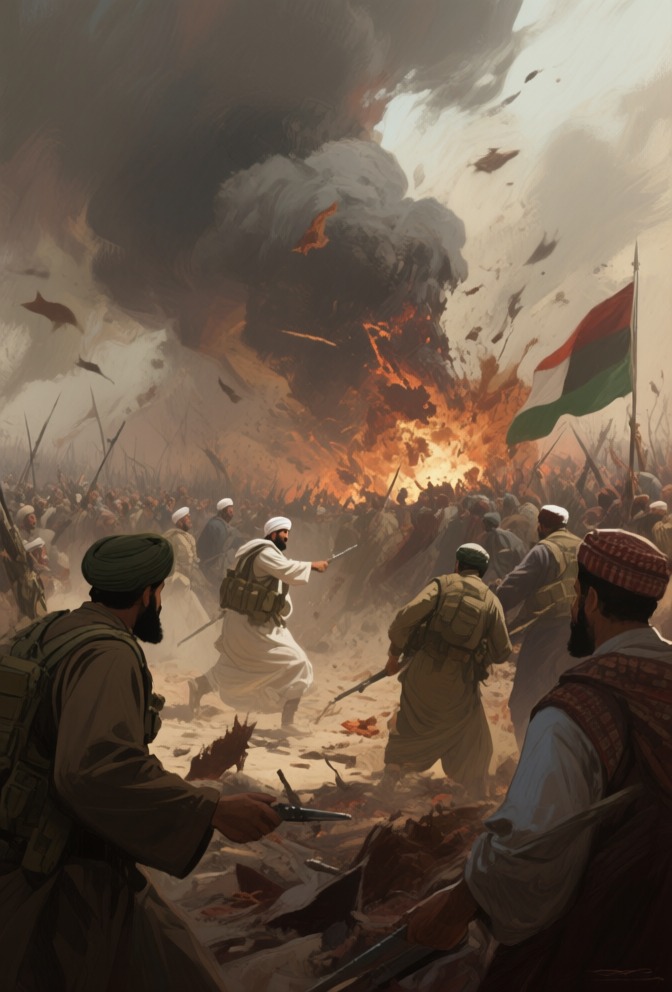
The Sack of King's Landing was the brutal climax of Robert's Rebellion, in which Lannister forces under Lord Tywin Lannister, ostensibly arriving to defend the city, instead sacked it and murdered the Targaryen royal family, including the infant Prince Aegon and his sister Princess Rhaenys, an act that cemented Lannister power and left a legacy of blood and vengeance that drives much of the subsequent conflict.
Joe Harper is Tom Sawyer's closest friend and fellow adventurer, serving as his loyal companion in childhood exploits ranging from pirate games on Jackson's Island to treasure hunts and schoolyard mischief. As a character, Joe embodies the universal boyhood desire for freedom and glory, yet his arc also reveals the pull of home and the limits of rebellion, making him a crucial foil to Tom's more daring and inventive nature.
Muff Potter is a hapless, alcoholic town drunkard in St. Petersburg who is framed for the murder of Doctor Robinson, a crime actually committed by Injun Joe. His wrongful arrest, trial, and near-execution form the central moral crisis of the novel, forcing Tom Sawyer and Huckleberry Finn to confront their oath of silence and ultimately testify, leading to Potter's exoneration and Injun Joe's exposure.
Rev. Mr. Sprague is the minister of the small church in St. Petersburg, a figure whose religious authority is consistently undercut by the irreverent, bored, and mischievous behavior of his congregation, particularly Tom Sawyer, and whose sermons and rituals are depicted as mechanical, tedious, and ultimately ineffectual against the vitality of boyhood.
Willie Mufferson is the Model Boy of St. Petersburg, a paragon of virtue whom the other boys hate and whose mother he escorts to church with meticulous care, serving as a foil to Tom Sawyer's rebellious nature.
The cat in The Adventures of Tom Sawyer appears as a recurring creature whose encounters with Tom—from being resurrected from under a bed with a broom to being dosed with Pain-killer and used in wart-curing superstitions—serve as comic relief, a measure of Tom's mischief, and a reflection of the town's folk beliefs.
Jackson's Island is a long, narrow, wooded island in the Mississippi River three miles below St. Petersburg, chosen by Tom Sawyer, Joe Harper, and Huckleberry Finn as their pirate rendezvous and serving as the central setting for their escape from civilization, their experience of freedom and homesickness, and the staging of their own funeral.
Widow Douglas' House is the grand hilltop mansion of the wealthiest and most hospitable resident of St. Petersburg, serving as a symbol of social status, a site of perilous threat, and ultimately a place of refuge and transformation for Huckleberry Finn.
Religious observance in St. Petersburg is a pervasive, institutionalized force that structures communal life through Sunday-school, church services, family worship, and revival meetings, yet it is consistently subverted by the boys' pragmatic, superstitious, and rebellious attitudes, revealing a tension between official piety and lived experience.
Laila reads Jalil's letter, a handwritten confession of regret and a plea for forgiveness addressed to Mariam, which she discovers in a locked tin box during her visit to Herat after Mariam's execution.
Hamza is the son of Mullah Faizullah, the elderly Koran tutor who taught Mariam in her childhood at the kolba near Gul Daman. He appears briefly in Mariam's early years and later, as an adult, becomes the custodian of a sealed tin box left by Jalil for Mariam, which he ultimately delivers to Laila after Mariam's death.
Khadim is a minor but memorable antagonist in the novel, a neighborhood bully in Deh-Mazang, Kabul, whose harassment of Laila provokes a violent confrontation with Tariq that cements their bond and reveals Tariq's fierce protectiveness.
Laila is a central protagonist of A Thousand Splendid Suns, whose life is shaped by war, loss, and resilience. Born on the night of the 1978 communist coup, she grows up in Kabul as a bright, beloved daughter, loses her parents and her childhood love Tariq to war, and is forced into a brutal marriage with Rasheed. Her friendship with Mariam, Rasheed's first wife, becomes a lifeline, and together they endure domestic violence, Taliban oppression, and the struggle to protect their children. Laila's journey from a hopeful girl to a survivor who returns to rebuild her homeland embodies the novel's themes of endurance, sacrifice, and the redemptive power of love.
Sayeed is a Pakistani hotel owner in Murree who employs Tariq after his release from prison, provides him with a new leg and full pay, and later facilitates Tariq and Laila's marriage by lending money for wedding bands and summoning a mullah.
The birth of Aziza, Laila's daughter by Tariq, is a pivotal event that deepens the bond between Laila and Mariam while exposing the fragility of their situation under Rasheed's volatile temperament and the Taliban's oppressive rule.
The Fall of Najibullah in April 1992 marked the end of the communist regime in Afghanistan and the triumphant entry of the Mujahideen into Kabul, a victory that briefly revived Fariba from years of grief before the city descended into factional civil war.
The line "Joseph shall return to Canaan" is a verse from a ghazal by the Persian poet Hafez, which Zaman, the director of the orphanage in Kabul, paints on a sign above the classroom door as an expression of hope and resilience in the face of despair.
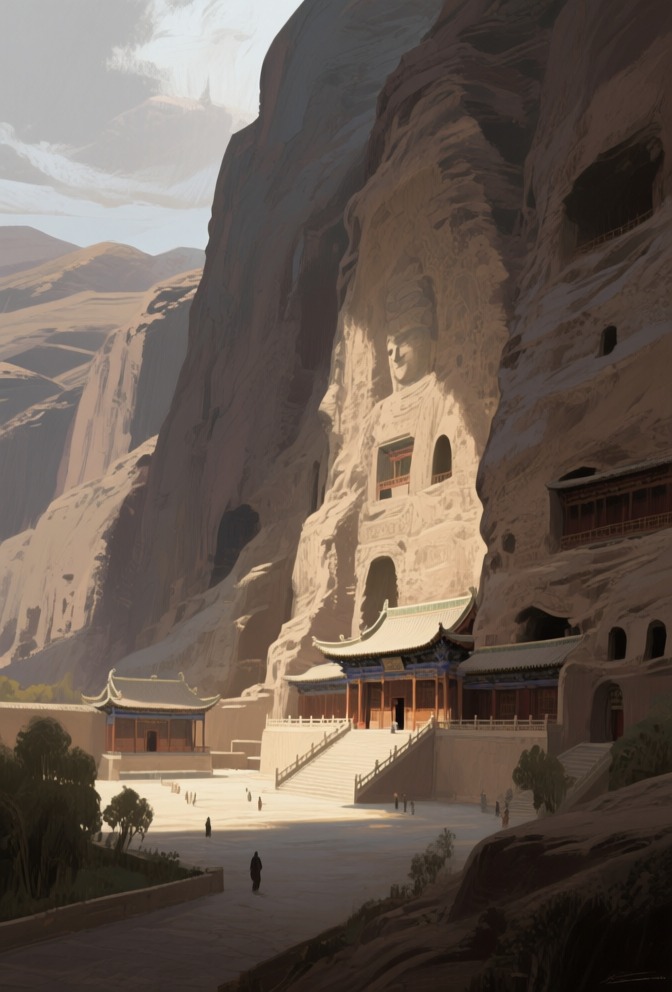
Bamiyan is a valley in central Afghanistan that serves as the setting for a pivotal journey in the novel, where Hakim takes Laila and Tariq to see the ancient Buddhas. The site represents Afghanistan's rich pre-Islamic heritage and a moment of peace and beauty before the characters' lives are shattered by war and loss.
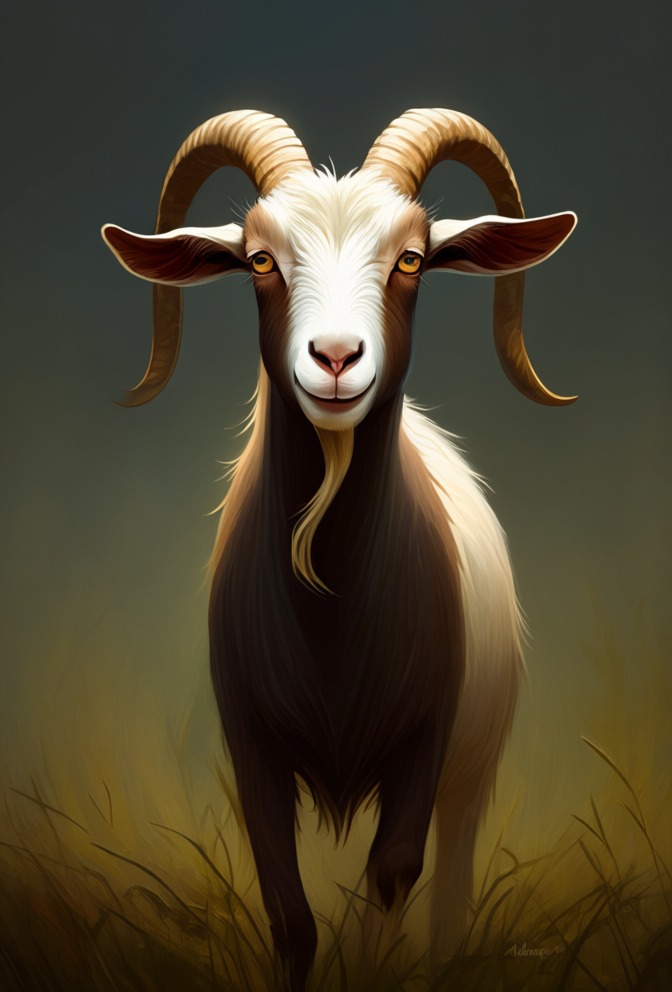
Alyona is Tariq's white goat, purchased with his first full month's salary after being released from a Pakistani prison and finding work in Murree. She becomes a symbol of the simple, peaceful life Tariq builds for himself in Pakistan, and her presence marks the contrast between the pastoral calm of Murree and the violence of Kabul. She is also a point of connection and tension within the new family, as Zalmai's attachment to her during their departure underscores the difficulty of leaving one life for another.
Rasheed's bicycle is a modest, practical object that appears throughout the novel as a marker of his daily routines, his declining fortunes, and the constrained domestic world he imposes on Mariam and Laila.
The bicycle spoke is a salvaged metal object that Laila briefly considers using to abort her pregnancy by Rasheed, before she rejects the act and later reflects on it with relief and gratitude that she did not go through with it.
The suede coat is a small, embroidered winter coat that Rasheed buys for the baby he is certain Mariam is carrying, a symbol of his premature and gendered hopes that becomes an object of grief after her miscarriage and is later buried in a makeshift funeral ritual.
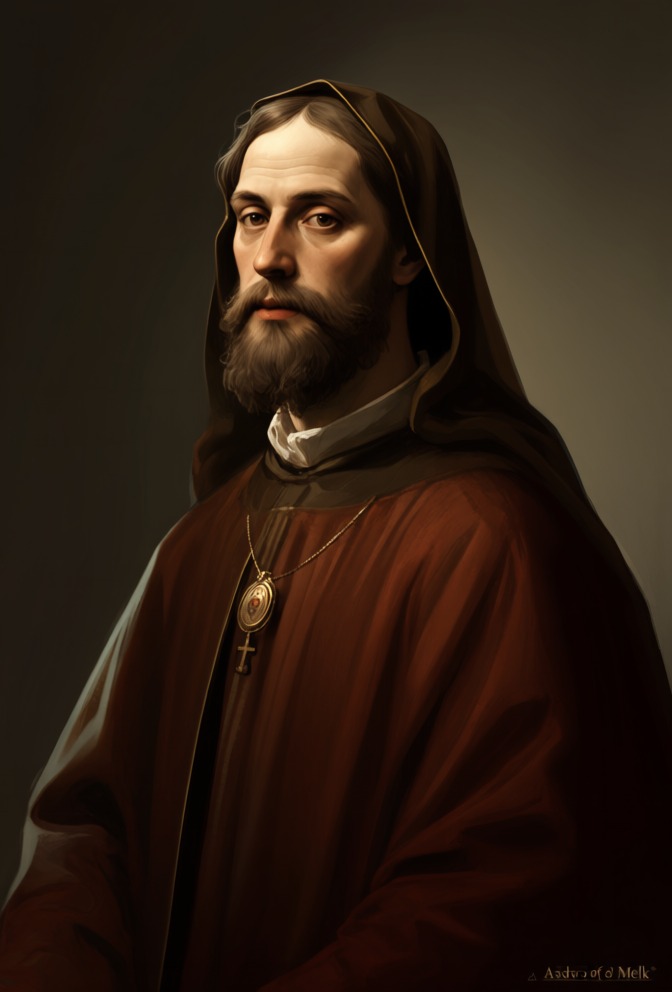
Adso of Melk is the elderly Benedictine novice who narrates the entire novel as a memoir written in his old age, recounting the seven days he spent in a wealthy Italian abbey in November 1327 as the young scribe and disciple of the Franciscan friar William of Baskerville. His first-person account, framed by a preface describing the manuscript's discovery, transforms a series of murders into a meditation on truth, doubt, and the limits of human knowledge.
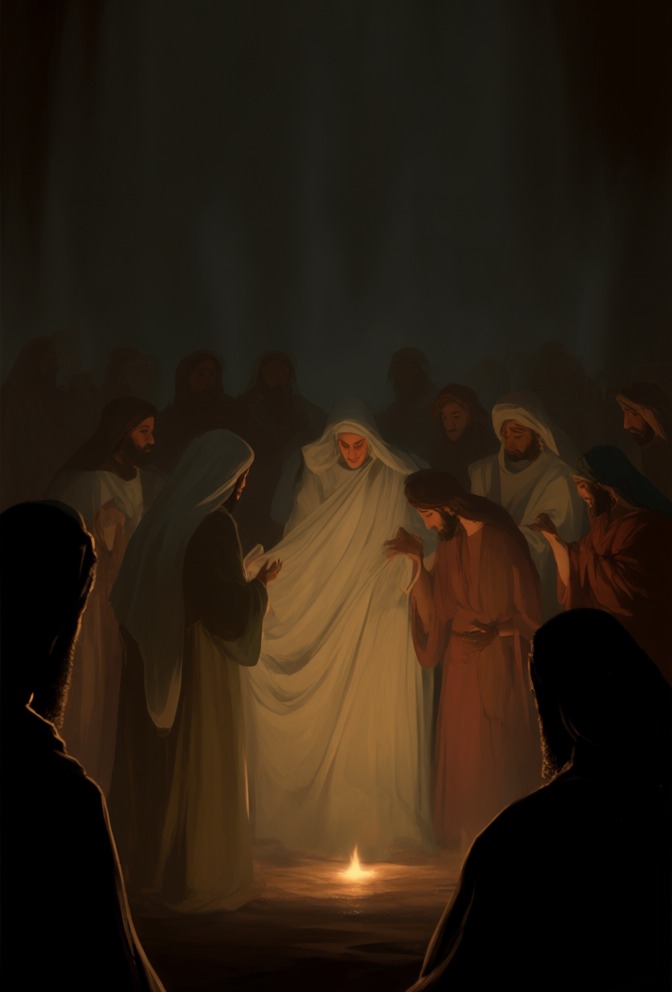
Angela of Foligno is a revered mystic and saint whose life and writings profoundly influenced the Franciscan Spiritual movement, particularly through her intense, embodied visions of Christ's passion and her role as a spiritual mentor to Ubertino of Casale, who saw in her a model of sanctity that blurred the line between ecstatic love and carnal temptation.
Christ is the central theological figure of the novel, whose nature and teachings are the subject of the deadly conflict over Aristotle's lost book on comedy. The debate over whether Christ owned property, and whether he ever laughed, drives the political and philosophical arguments between the Franciscans and the Papacy, and ultimately motivates Jorge of Burgos to murder in order to suppress a text that would, in his view, legitimize laughter and undermine the fear-based authority of the Church.
Frederick of Sicily is a historical figure invoked in Umberto Eco's The Name of the Rose as a key political and eschatological symbol. He appears not as a character in the abbey but as the Emperor whom the heretical leader Fra Dolcino prophesied would destroy the corrupt clergy and usher in a new age, and as a ruler who historically offered refuge to Spiritual Franciscans persecuted by Pope John XXII. His name crystallizes the novel's central tension between imperial power, apocalyptic expectation, and the struggle over evangelical poverty.
Joachim of Fiore (c. 1135–1202) was a Cistercian abbot and mystic whose prophetic writings on the three ages of history—the Age of the Father, the Son, and the Holy Spirit—profoundly influenced the Spiritual Franciscans and heretical movements such as the Apostolic Brethren of Fra Dolcino. In Umberto Eco's The Name of the Rose, Joachim's ideas are repeatedly invoked by characters on both sides of the orthodoxy–heresy divide, serving as a contested authority that blurs the line between legitimate reform and dangerous millenarian revolt.
Margaret of Trent is the beautiful young woman who becomes the lover and lieutenant of the heretic Fra Dolcino, leading the Apostolic Brethren in their violent rebellion and ultimately dying a gruesome death at the stake alongside him.
Pacificus of Tivoli is a minor but revealing character in the abbey, a monk devoted to pagan poetry and rhetoric whose presence in the scriptorium and whose casual remarks illuminate the intellectual tensions, the forbidden book, and the political undercurrents that drive the novel's mystery.