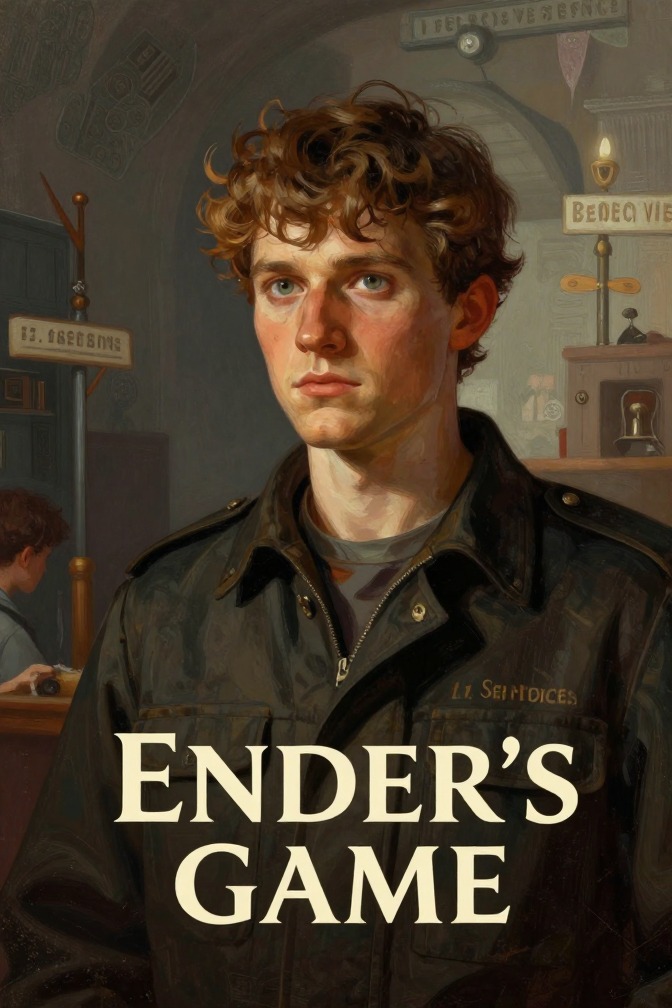
The I.F. Selective Service is the military conscription system of the International Fleet that identifies and requisitions exceptionally gifted children, including Ender Wiggin, for training at Battle School and Command School. It operates through a combination of legal authorization, psychological manipulation, and the suspension of normal childhood protections, ultimately transforming children into tools for humanity's survival against the Buggers.
The Box Hill picnic is a pivotal event in which Emma Woodhouse, in a moment of thoughtless wit, publicly humiliates the kind and impoverished Miss Bates, prompting a severe rebuke from Mr. Knightley that forces Emma to confront her own cruelty and begins her moral reformation.
Frank Churchill rescues Harriet Smith from a group of threatening gypsies on a secluded road near Highbury, an event that deepens Harriet's romantic attachment to him and fuels Emma Woodhouse's renewed matchmaking schemes.
Mrs. Dixon, formerly Miss Campbell, is the only daughter of Colonel and Mrs. Campbell and the close friend of Jane Fairfax. Though she appears only through reported letters and conversation, her marriage to Mr. Dixon and her family's subsequent move to Ireland serve as a crucial catalyst for Jane Fairfax's return to Highbury, her secret engagement to Frank Churchill, and the web of suspicion and jealousy that Emma Woodhouse weaves around Jane's motives and affections.
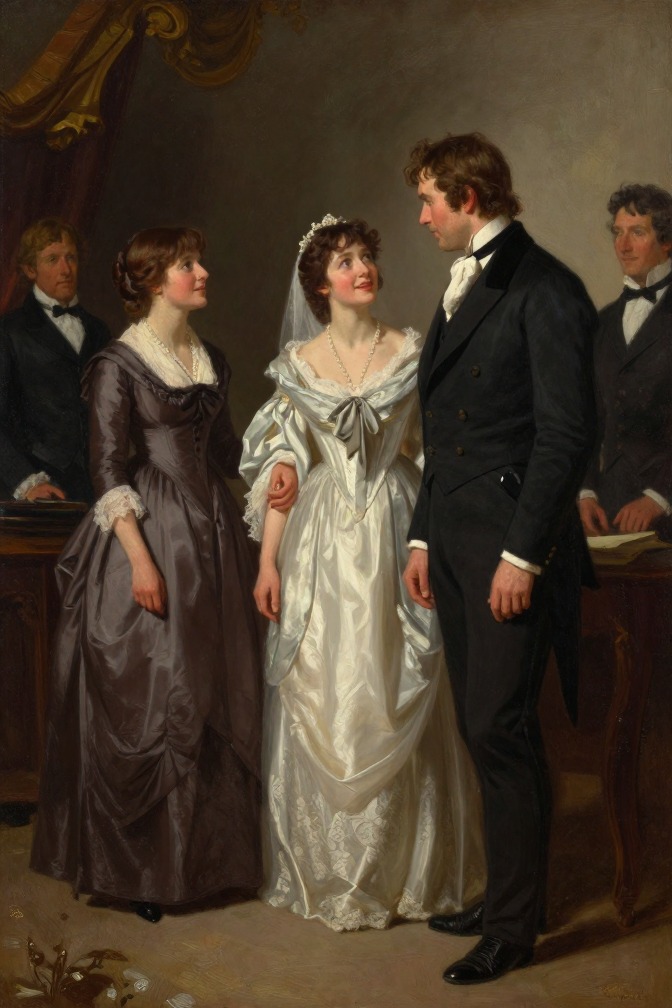
Mrs. Weston, formerly Miss Taylor, is Emma Woodhouse's beloved governess and friend whose marriage to Mr. Weston opens the novel, creating a void in Emma's life that sets the plot in motion. She serves as a maternal figure, confidante, and moral touchstone for Emma, and her steady, perceptive presence throughout the story provides both emotional support and quiet guidance, culminating in her own happiness as a wife and mother.
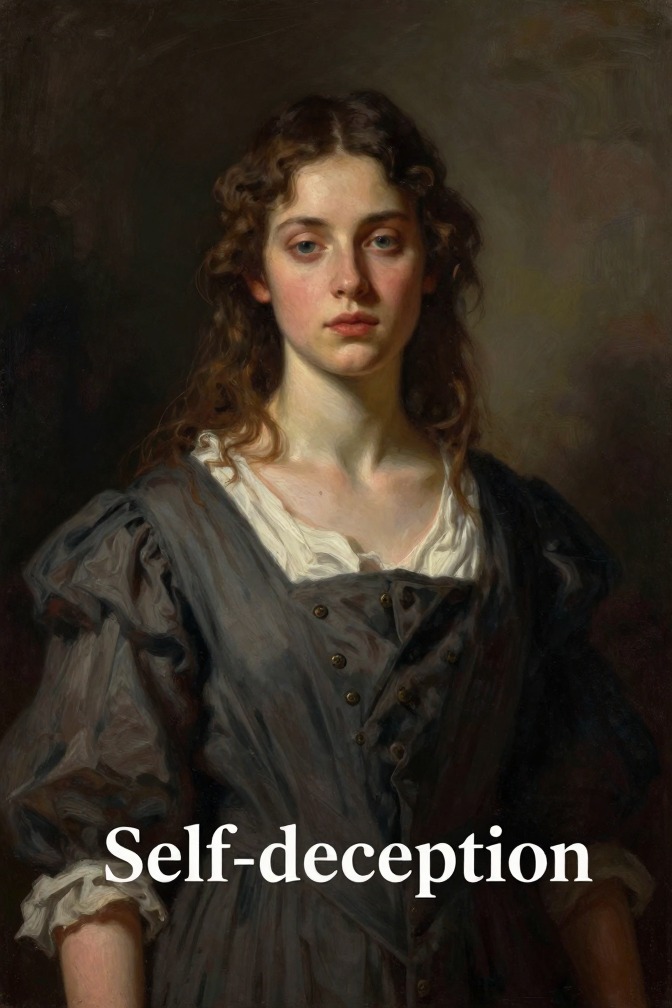
Self-deception is a central theme and driving mechanism in Emma, manifesting as the protagonist's persistent misreading of her own emotions and the motives of those around her, a flaw that generates the novel's comedy, suspense, and moral education.
Frank Churchill and Jane Fairfax's long-secret engagement is dramatically revealed to Emma Woodhouse by Mrs. Weston, shattering Emma's assumptions about Frank's attentions to herself and about Jane's character, and precipitating a profound re-evaluation of her own judgment and feelings.
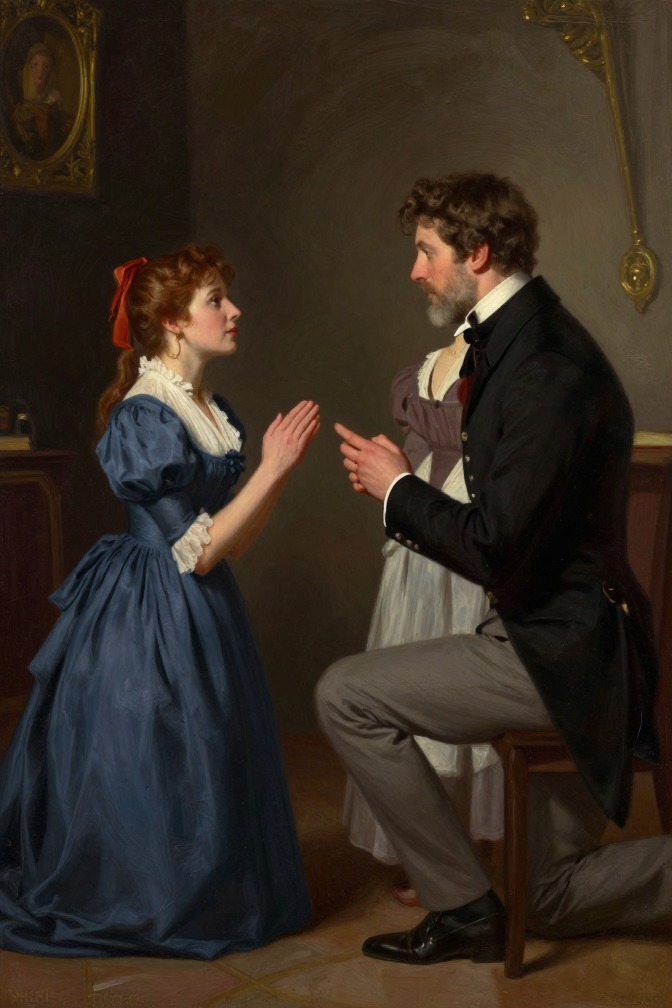
Harriet Smith accepts Robert Martin's second proposal of marriage, a resolution that reverses the earlier refusal Emma Woodhouse engineered and brings the novel's central romantic subplot to a happy, socially appropriate conclusion.
The narrator's reflection on the rarity of complete truth in human disclosures, occurring at a pivotal moment in Emma's story when she and Mr. Knightley have just confessed their love but each still holds back a full account of their feelings and motives.
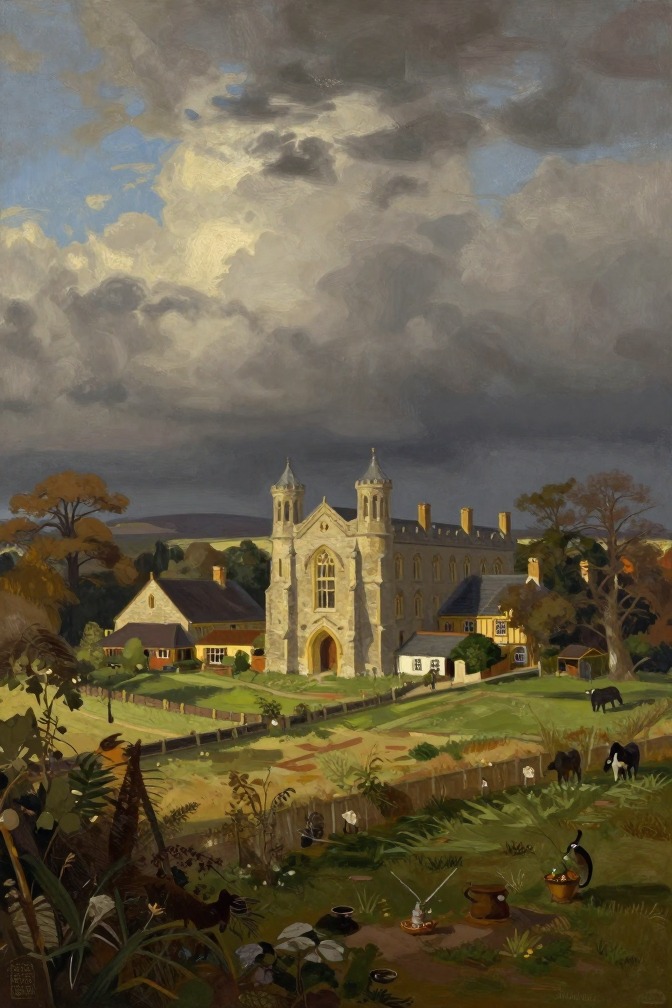
Abbey Mill Farm is the home of the Martin family, tenants of Mr. Knightley, and a place that represents the rural, respectable, but socially inferior world from which Emma Woodhouse seeks to elevate her friend Harriet Smith. It is the site of Harriet's happiest visit before her introduction to Hartfield, and later becomes the emblem of the marriage she initially rejects but ultimately accepts.
The Dreams are a shared, telepathic phenomenon that guides the survivors of the superflu epidemic across the United States, drawing them toward either the Boulder Free Zone or the Las Vegas stronghold of Randall Flagg. They serve as the novel's central supernatural mechanism, replacing rational decision-making with a prophetic, dream-driven quest that ultimately frames the apocalyptic conflict as a cosmic struggle between good and evil.
Buffalo, also known as American bison, appear in the post-plague landscape as a symbol of the wild's resurgence and the collapse of human dominion. Their presence, observed by Nick Andros and Tom Cullen in Kansas and later discussed by Glen Bateman, underscores the ecological shifts following the superflu, where domestic animals perished but wild species thrived, and hints at a future where nature reclaims the world.
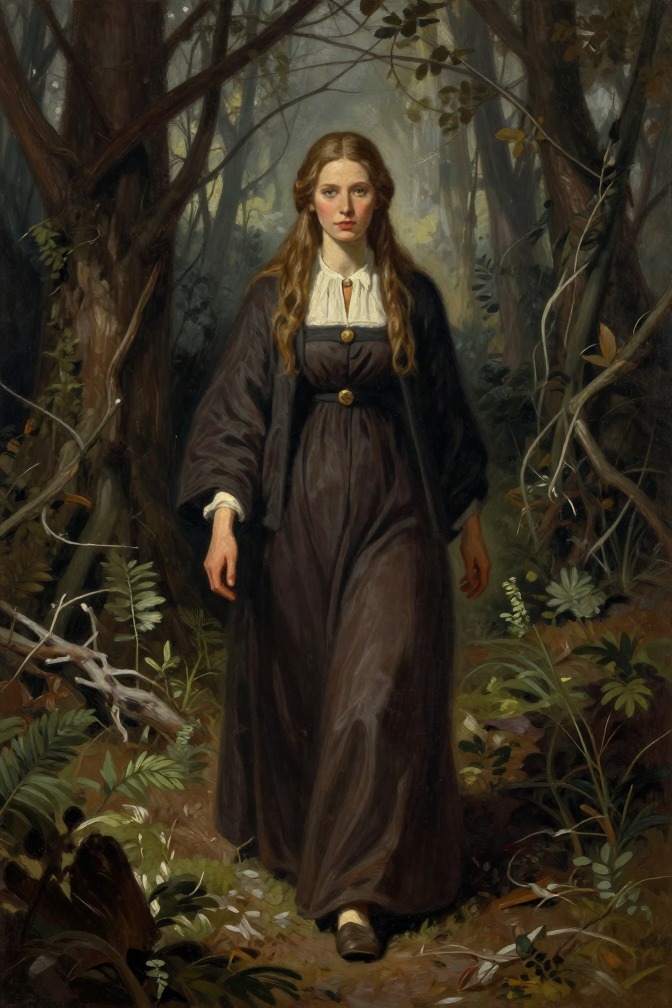
Mother Abagail's withdrawal into the wilderness is the pivotal event in which the 108-year-old spiritual leader of the Boulder Free Zone, convinced she has committed the sin of pride by presuming to know the mind of God, leaves her home without warning to undergo a self-imposed ordeal of penance and purification, an act that both tests the community's faith and sets the stage for the final confrontation with Randall Flagg.
The Black jet stone amulet is a small stone of black jet, flawed with a single red mark, that Randall Flagg distributes to his inner circle in Las Vegas as a mark of allegiance and a channel of his power. It functions as a talisman of belonging, a badge of rank, and a symbol of the dark man's dominion over his followers, appearing in key moments of recruitment, loyalty, and betrayal.
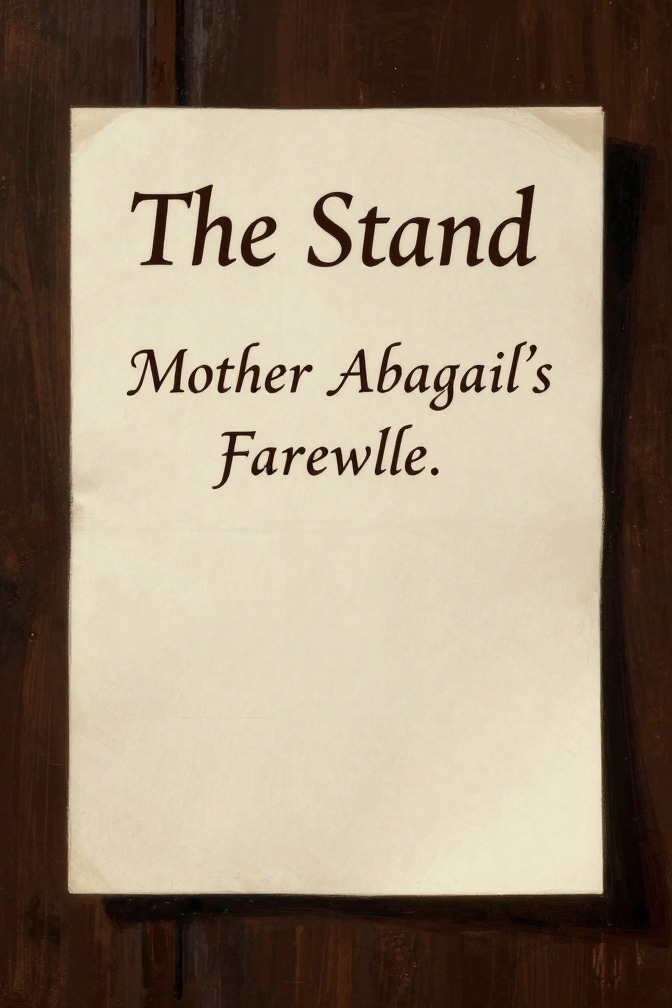
Mother Abagail's farewell note is the brief, handwritten message she left on her pillow before withdrawing into the wilderness west of Boulder in late August 1990. The note confesses that she has sinned through pride and presumed to know the mind of God, and states that she must go away for a time to find her place in His work again. It promises she will return soon if it is God's will, and is signed with her full name, Abby Freemantle. The note becomes a central document in the Free Zone, sparking debate about her spiritual authority and the community's future, and its promise of return is fulfilled when she reappears in a dying state just in time to save the Free Zone Committee from Harold Lauder's bomb.
The relationship between Larry Underwood and Leo Rockway (formerly known as Joe) begins with a violent confrontation and evolves into a transformative bond of trust, mentorship, and surrogate fatherhood. Leo, a traumatized, nearly feral boy, initially attacks Larry with a knife; Larry disarms him and, through music and patience, draws the boy out of his savage shell. Their connection becomes a central emotional anchor for both characters, enabling Leo to recover his name and voice while helping Larry confront his own demons and grow into a responsible leader.
The relationship between Mother Abagail and Randall Flagg is the central metaphysical conflict of The Stand, a cosmic struggle between divine and demonic forces for the soul of the post-plague world. Mother Abagail, a 108-year-old black woman from Nebraska, is God's chosen prophet and the spiritual leader of the Boulder Free Zone, while Randall Flagg, the dark man, is a supernatural being of pure evil who gathers an army in Las Vegas. Their opposition is not merely political but theological, representing a final battle between good and evil, with each serving as the earthly vessel for a transcendent power.
The relationship between Chris Chambers and his father is defined by chronic physical abuse, emotional neglect, and the corrosive weight of family reputation in the small town of Castle Rock. Mr. Chambers, a drunk who spends most of his time at Sukey's Tavern, beats Chris regularly—leaving bruises, a broken nose, a fractured wrist, and a scalp wound requiring stitches—while the town's truant officer and teachers look the other way, treating the violence as a private family matter. This brutal upbringing shapes Chris's fierce determination to escape his father's fate, his protective instincts toward his friends, and his deep-seated belief that people—especially friends—can drag you down. The relationship is the central engine of Chris's character arc: his struggle to break free from the cycle of violence and low expectations, and his eventual success in enrolling in college courses and pursuing a law degree, only to be killed in a senseless act of violence that echoes the world he tried to leave behind.
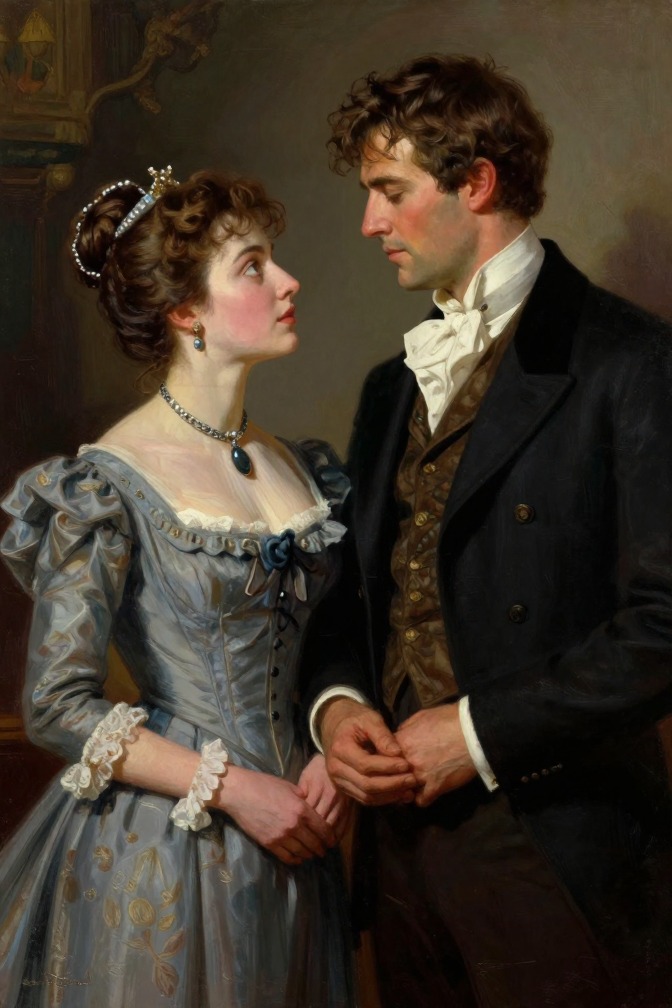
After Maxim confesses to murdering Rebecca, the narrator undergoes a profound transformation, abandoning her childish insecurities and choosing to stand by him unconditionally, forging a new, adult partnership built on shared truth and mutual love.
Frith is the butler at Manderley, a figure of impeccable formality and quiet authority who embodies the house's unchanging routines and social hierarchies. His presence, from the narrator's first arrival to the final crisis, serves as a constant, impersonal measure of her inadequacy and a keeper of the household's rigid traditions.
Mr Horridge is the coroner who presides over the inquest into Rebecca de Winter's death, a thin, elderly man in gold-rimmed pince-nez whose meticulous, easily offended manner nearly derails Maxim de Winter's carefully constructed account of the accident.
Barnet is the suburban London town where the retired Doctor Baker lives, and it is the destination of the climactic journey Maxim, the narrator, and Colonel Julyan make to uncover the truth about Rebecca's final day. The visit to Baker's house, Roselands, provides the medical evidence that transforms the legal understanding of Rebecca's death from murder to suicide, and it is the site where the last threat of blackmail from Jack Favell collapses.
The morning-room is a small, exquisitely furnished room at Manderley that was Rebecca de Winter's personal domain, where she conducted the household's daily business with efficiency and taste. For the second Mrs de Winter, it becomes the most oppressive space in the house, a daily reminder of her predecessor's competence and her own inadequacy.
The west wing of Manderley is the preserved suite of rooms that belonged to Rebecca de Winter, kept exactly as she left it by the devoted housekeeper Mrs Danvers. It functions as a mausoleum of Rebecca's memory, a space where the past is not merely remembered but physically maintained, and it becomes the site of the narrator's most intense encounters with the dead woman's lingering presence.
The note from Rebecca to Jack Favell is a brief, urgent message written on the day of her death, in which she tells him she has something to tell him and asks him to follow her to Manderley that evening. It becomes a crucial piece of evidence in the aftermath of the inquest, as Favell uses it to argue that Rebecca could not have committed suicide, and it ultimately leads the party to Doctor Baker, whose revelation about Rebecca's terminal illness provides the motive for her death and resolves the crisis.
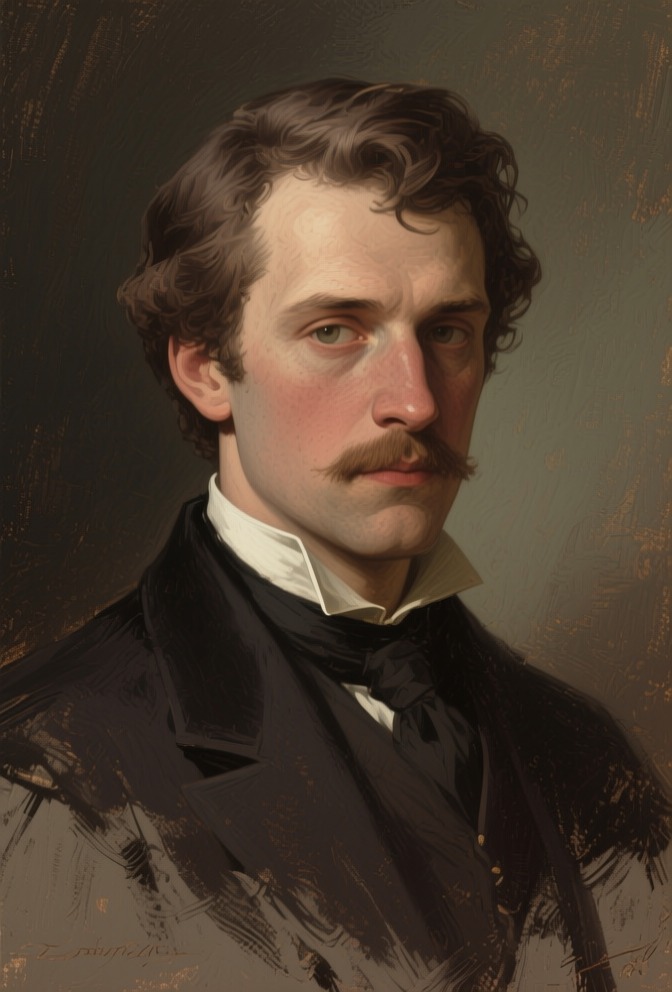
Mrs Danvers and Jack Favell are bound by a shared devotion to Rebecca de Winter, forming a covert alliance that operates in the shadows of Manderley. Favell, Rebecca's cousin and lover, uses his connection to Mrs Danvers to gain access to the estate, while Mrs Danvers, the housekeeper who adored Rebecca, facilitates his visits and shields him from Maxim de Winter's prohibition. Their relationship is one of mutual convenience and loyalty to the dead, culminating in a joint attempt to blackmail Maxim after the discovery of Rebecca's boat, a scheme that ultimately collapses when the truth of Rebecca's terminal illness emerges.
May is the month in which the second Mrs de Winter arrives at Manderley as a bride, marking the beginning of her life in the house that Rebecca once ruled and the onset of her struggle with the shadow of the dead first wife.
Corky Herald is a minor but distinctive student in Charlie Decker's hostage classroom at Placerville High School, notable for his large transistor radio that brings the outside world's news coverage into Room 16, and for his role in the collective attack on Ted Jones.
Scotty Norwiss is a minor character in Richard Bachman's novel Rage, appearing as one of Carl Decker's drinking companions during a hunting trip that traumatizes young Charlie Decker. His presence in the narrative is limited to a single scene, yet his casual, drunken participation in the men's misogynistic and violent conversation—particularly his laughter at jokes about sexual assault and mutilation—contributes to the atmosphere of toxic masculinity that shapes Charlie's psychological development.
The relationship between Charles Decker and school psychiatrist Don Grace is a central adversarial dynamic in the hostage crisis, where Charlie systematically dismantles Grace's professional authority and psychological defenses through a calculated interrogation over the intercom, reversing the power structure of their previous therapeutic encounters and exposing Grace's vulnerabilities.