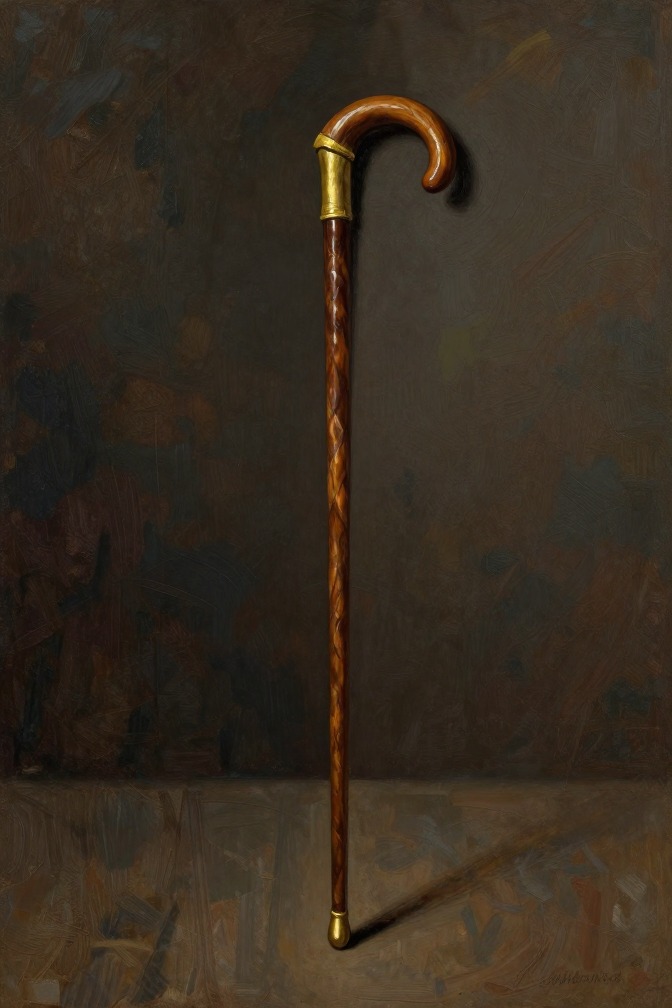
The knotted stick is a seemingly minor object in Fyodor Dostoevsky's "White Nights" that serves as a decisive instrument of intervention, a symbol of the Dreamer's latent agency, and a recurring motif linking the story's key moments of protection, confession, and domestic life.
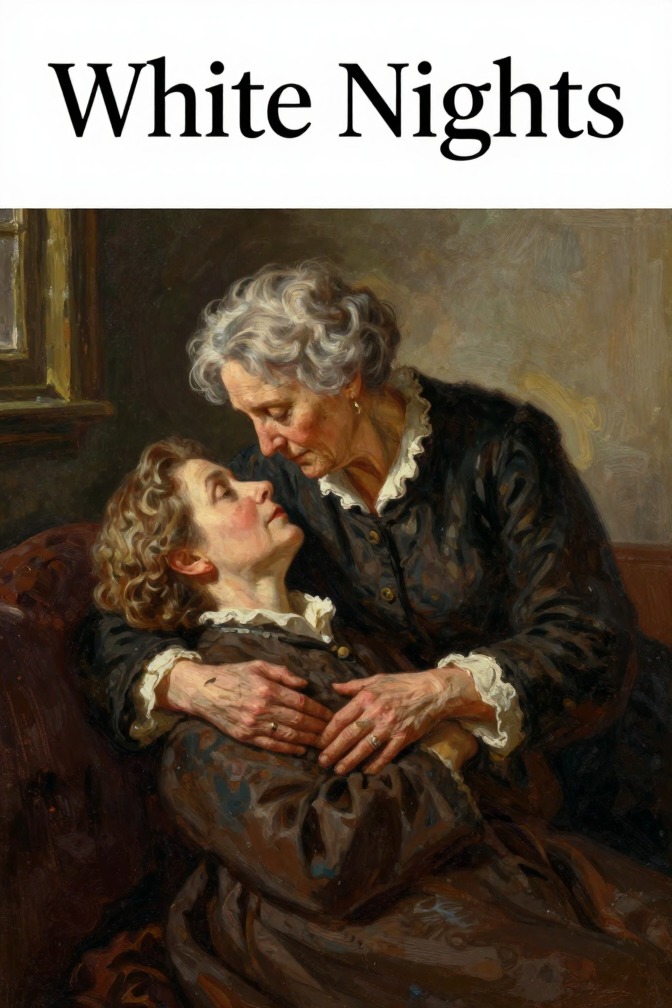
Pinned to grandmother is the central physical and social constraint governing Nastenka's life in Fyodor Dostoevsky's "White Nights." It is a literal arrangement in which her blind grandmother fastens Nastenka's dress to her own with a pin, confining the seventeen-year-old girl to her side for years and shaping her longing for freedom, her secret romance with the Lodger, and her eventual rebellion.
Gennady is a registered vampire living in the same building as Anton Gorodetsky, the father of Kostya, and a contractor by profession. He is the first vampire Anton encounters after becoming an Other, and his calm, pragmatic acceptance of the Night Watch's authority establishes the uneasy, rule-bound coexistence between Light and Dark that defines the novel's moral landscape.
Larissa is the Night Watch's night-shift duty officer, a calm and efficient dispatcher who coordinates field agents from the office. She is the first person Anton speaks to when he wakes for his vampire hunt, and her brisk, tired voice conveys the Watch's routine pressure and her own lack of faith in Anton's mission. Though she never leaves the office, her role as the voice on the phone anchors the Watch's operational structure and highlights the tension between analytical staff and field operatives.
Pyotr Nesterov is a minor Dark magician and Day Watch field operative who appears in the first story of *The Night Watch* as Alisa Donnikova's partner during a routine confrontation with Anton Gorodetsky, and whose death later becomes a key piece of evidence in the frame-up against Anton.
Stasik is a minor Dark Magician and Day Watch agent who appears briefly during the climax of the second story, where he accompanies Alisa Donnikova in an attempt to intercept a courier from Samarkand. He is killed by Alisa after the mission fails, revealing the ruthless internal dynamics of the Dark Side.
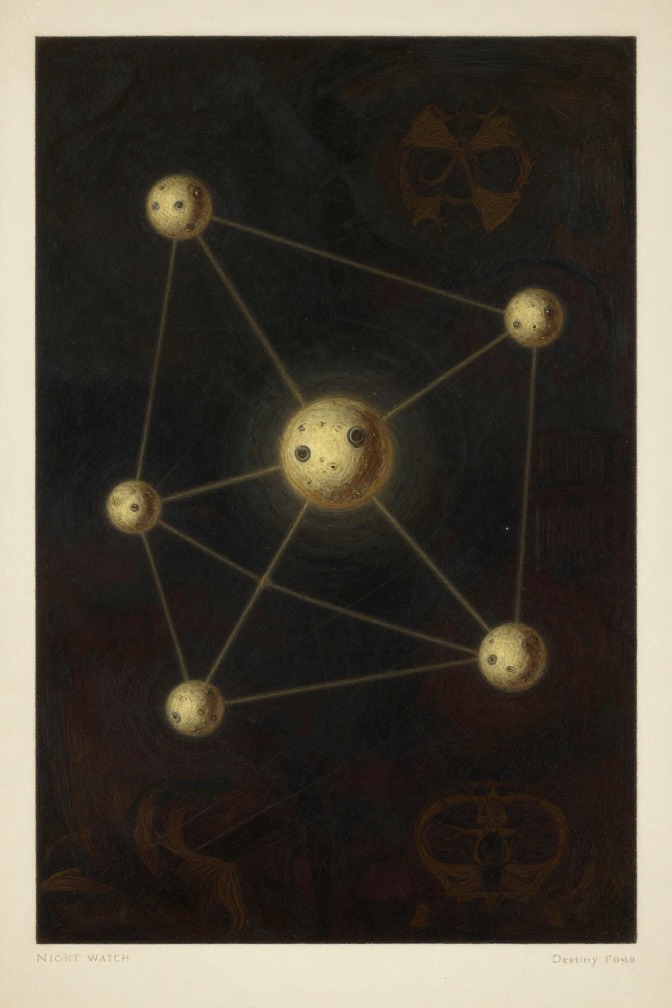
A destiny node is a point in the fabric of reality where the life paths of two or more individuals become inextricably linked, creating a bond that transcends ordinary causality and shapes their future choices and outcomes. In the world of the Others, a destiny node is not merely a chance meeting but a predetermined convergence that carries profound implications for the balance of Light and Darkness, often serving as a focal point for the plans of Great Magicians.
The Light is one of the two fundamental forces in the world of the Others, opposed to Darkness. It represents selflessness, creation, and the protection of ordinary people, but its adherents are bound by the Great Treaty to maintain a precarious balance, often forcing them to compromise their ideals and accept the existence of Evil.
Svetlana Nazarova, standing on the roof of the house on stilts during a hurricane, is given the Chalk of Destiny to rewrite Egor's undefined destiny as a Light One, but instead erases the Book of Destiny entirely, refusing to change another person's fate and thereby rejecting her path as a Great Sorceress.
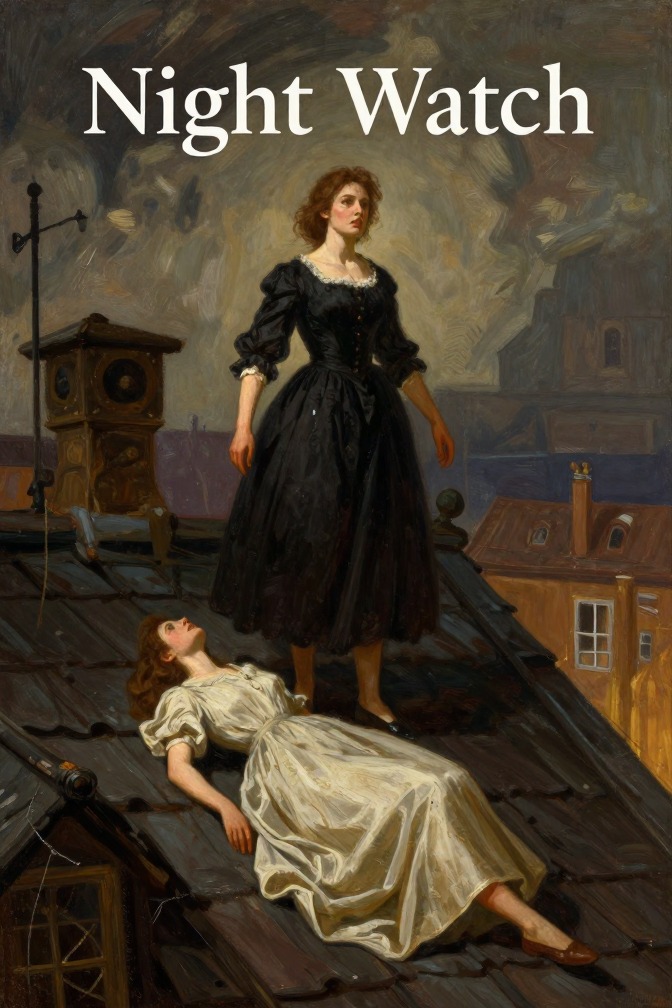
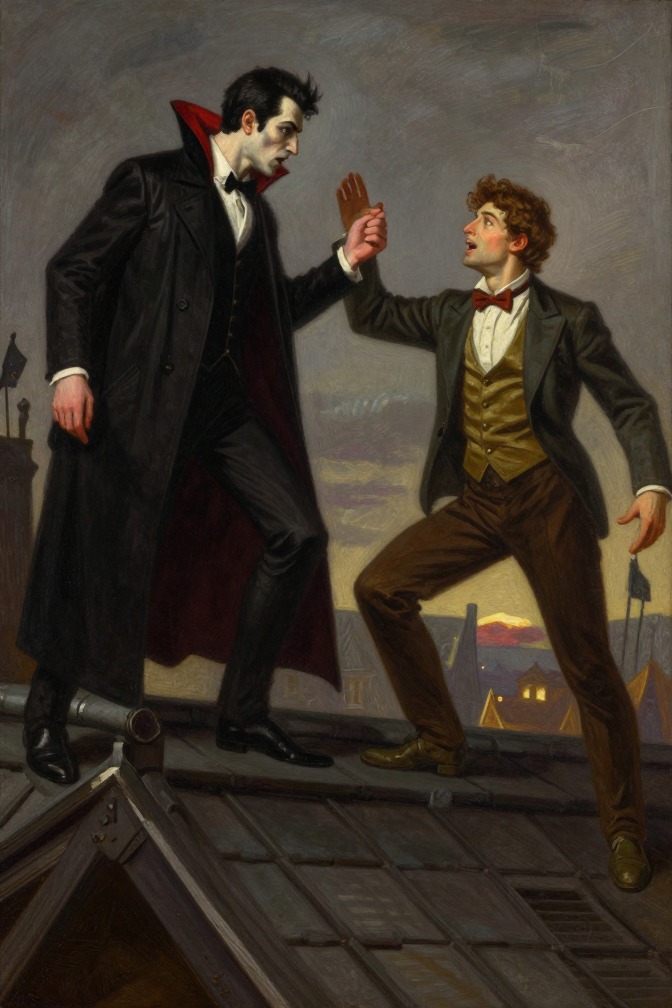
The roof confrontation with the vampire and Zabulon is the climactic battle of the first story, where Anton Gorodetsky, the Night Watch, and the Dark Magician Zabulon clash over the fate of the boy Egor, a potential Other with an undetermined destiny. This event exposes the cynical manipulation of both Watches, forces Egor to make his first independent choice, and sets the stage for the ongoing struggle between Light and Darkness in Moscow.
Anton Gorodetsky and Olga form a partnership that begins under duress—Olga is trapped in the body of a white owl, stripped of most of her powers, and assigned to Anton by Boris Ignatievich as a partner. Their relationship evolves from mutual wariness and silence into a deep, trusting alliance built on shared risk, frank confession, and complementary strengths. Olga’s centuries of experience and her memory of a catastrophic compromise with the Darkness become the lens through which Anton learns the true cost of the Light’s tactics. Their partnership is tested in the hunt for the vampire, the confrontation with Zabulon, and the climactic manipulation of Svetlana’s training, and it ultimately becomes the emotional and strategic hinge of the entire novel.
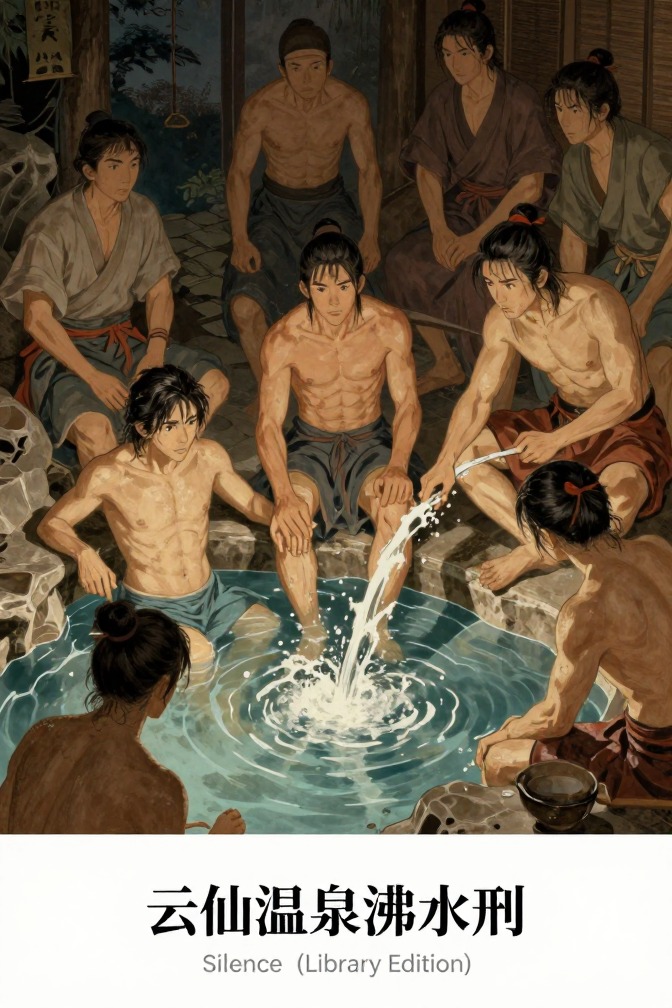
The Unzen boiling water torture was a method of persecution devised by the Nagasaki magistrate Takenaka Uneme in 1629, in which five priests and two Christian women were repeatedly doused with boiling sulfurous water on Mount Unzen over thirty-three days in an attempt to force them to apostatize, but all endured without renouncing their faith.
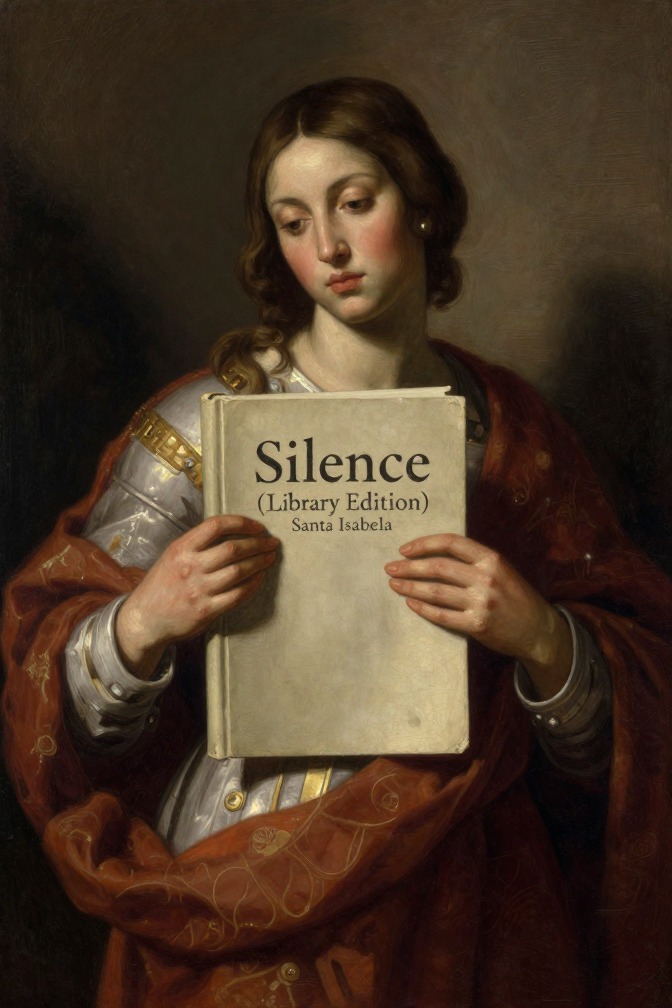
The Santa Isabella is the Portuguese ship that carried Sebastian Rodrigues, Francisco Garrpe, and Juan de Santa Marta from Lisbon to Goa in 1638, beginning their ill-fated mission to Japan. Its arduous voyage, marked by storms, disease, and near-shipwreck, foreshadows the suffering and failure that await the missionaries in the 'swamp' of Japan.
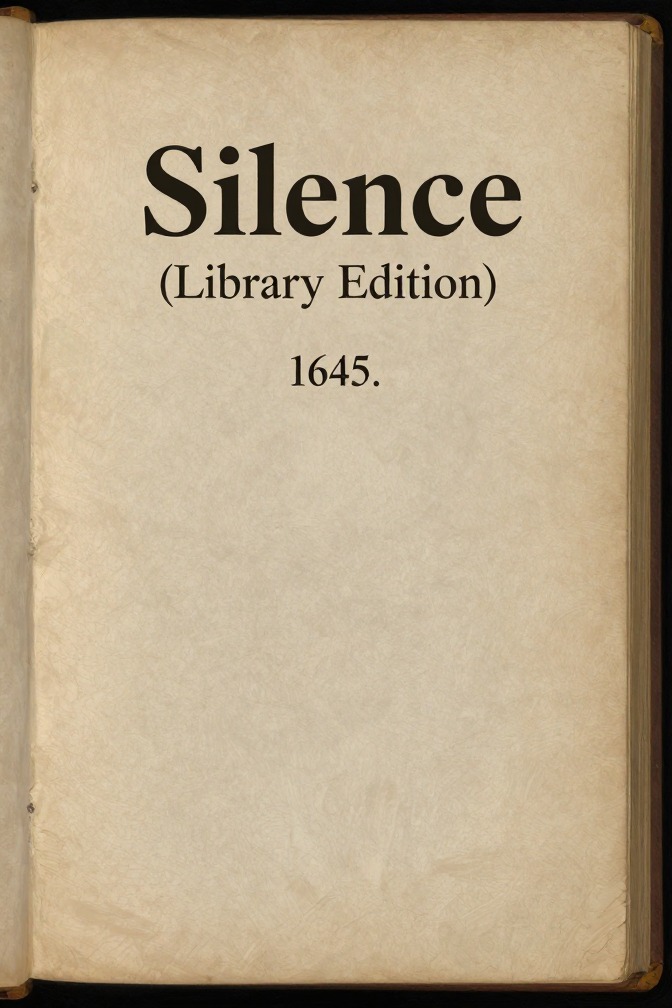
1645 is the second year of the Shoho era in Japan, a period during which the Tokugawa Shogunate's persecution of Christianity continued unabated. The year is documented in the diary of Jonassen, a clerk at the Dutch firm on Dejima, who records the ongoing discovery of Christian objects, the execution of believers, and the role of the apostate priests Christovao Ferreira and Sebastian Rodrigues in assisting the authorities.
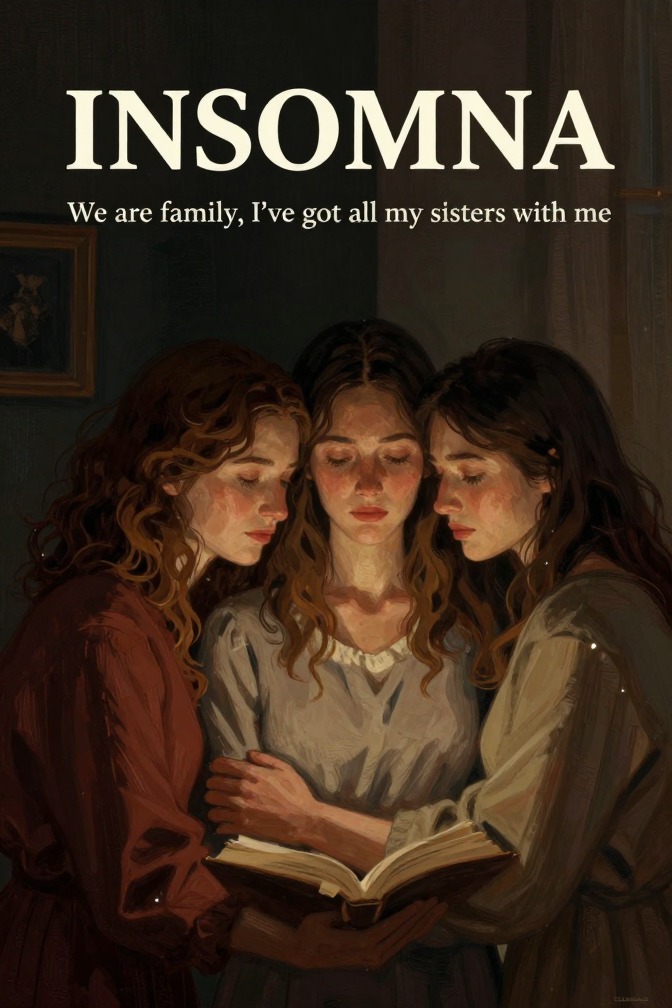
The slogan 'We are family, I've got all my sisters with me' appears as a chalked inscription on a blackboard in the group therapy room of High Ridge, the women's shelter that is attacked by anti-abortion extremists. The phrase encapsulates the ethos of solidarity among the battered women who seek refuge there, and its violent desecration during the assault underscores the stakes of the novel's conflict between communal care and destructive fanaticism.
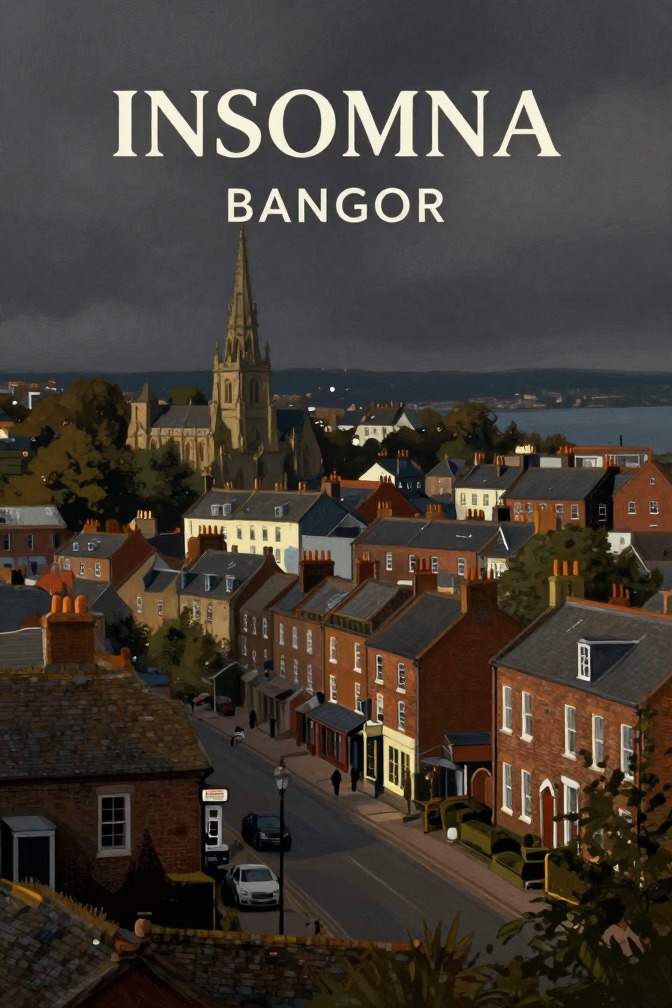
Bangor is a city in Maine, located about forty miles north of Derry, that serves as the home of Lois Chasse's son Harold and his wife Janet, and as the location of Riverview Estates, a retirement condominium development that Harold and Janet attempt to pressure Lois into moving to.
The Tower is the central metaphysical structure of Stephen King's fictional cosmology, a nexus of all possible realities that appears in Ralph Roberts's visions and in the artwork of the child Patrick Danville. It represents the axis of existence, binding together the Random and the Purpose across all levels of being, and its stability depends on the preservation of certain designated lives.
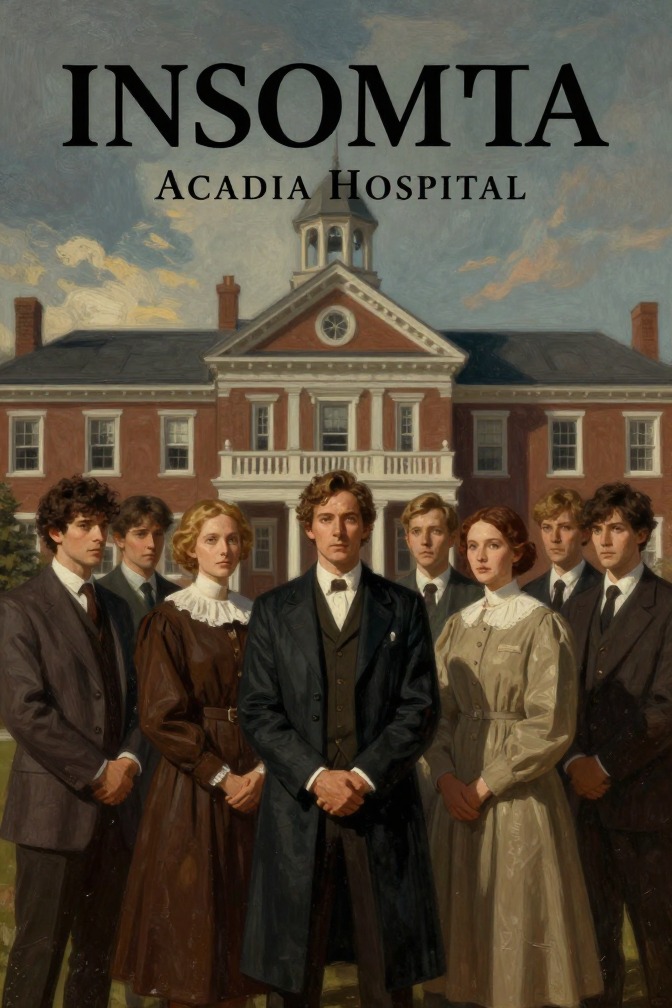
Acadia Hospital is a psychiatric institution in Maine that has treated Charlie Pickering, the anti-abortion extremist who attacks Ralph Roberts in the Derry Public Library. Its repeated failure to contain Pickering's violent delusions underscores the novel's theme that institutional mental health care cannot always prevent the Random from acting through dangerously unstable individuals.
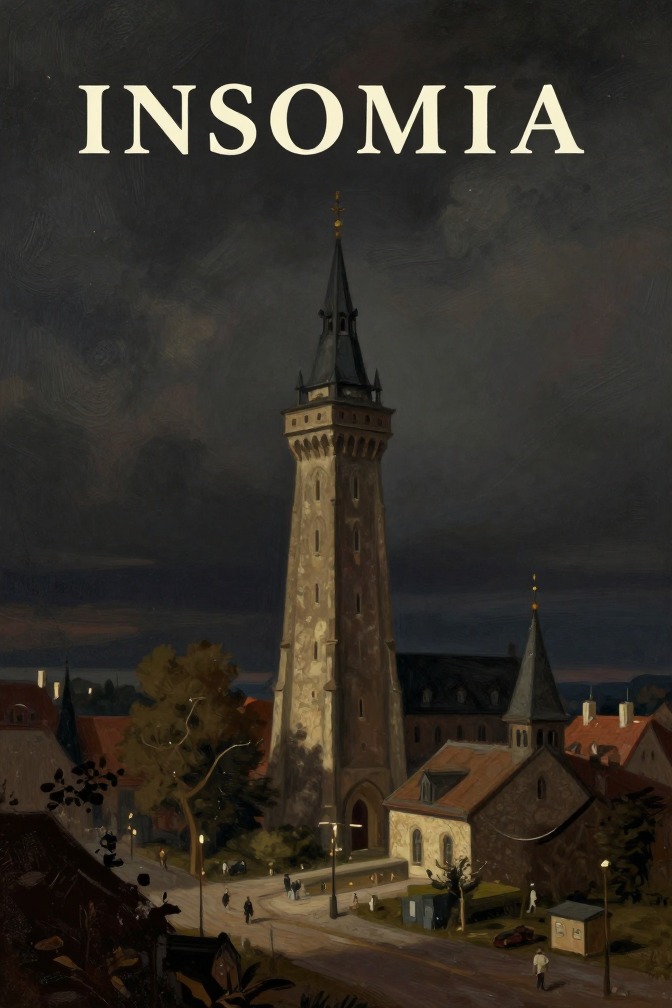
Insomnia is the central physical and psychological condition that drives the plot of Stephen King's novel, serving as the mechanism by which the protagonist Ralph Roberts and later Lois Chasse are elevated from ordinary Short-Time perception into the hyper-real world of auras, the little bald doctors, and the cosmic conflict between the Purpose and the Random. Beginning as a mundane symptom of grief after his wife Carolyn's death, Ralph's premature waking progressively strips away the veil of normal reality, allowing him to see the life-cords (balloon-strings) of living beings and the deathbags that precede catastrophe. The insomnia is not a disease but a deliberate alteration of the Short-Time aura performed by the agents Clotho and Lachesis, who need Ralph and Lois to become visible to the Long-Time entities in order to intervene in Ed Deepneau's planned mass murder. The condition's relentless erosion of sleep — from six hours to three to barely one — mirrors the narrowing window of time before the Civic Center attack, and its eventual cessation after Ralph's sacrificial death marks the completion of his purpose.
Arabella Figg is a Squib neighbor of the Dursleys who secretly works for Albus Dumbledore and the Order of the Phoenix, and her role in Harry Potter's life is decisively revealed when she testifies at his disciplinary hearing, confirming that she has been watching over him for years.
Arthur Weasley is a kind-hearted, Muggle-obsessed wizard who works at the Ministry of Magic and serves as a steadfast father figure and member of the Order of the Phoenix, whose quiet integrity and promotion to a crucial anti-counterfeiting role underscore the Weasley family's central place in Harry Potter's life during a time of war.
Cecilia is a minor character glimpsed in a memory of Tom Riddle's past, appearing as the pretty young woman riding beside Tom Riddle Sr. on the day Morfin Gaunt attacked him. Her brief presence in the narrative serves to illustrate the social world of the Muggle village of Little Hangleton and to underscore the contrast between the handsome, carefree squire's son and the desperate, impoverished Merope Gaunt.
Fenrir Greyback is the most savage werewolf alive in the wizarding world, a Death Eater who serves Lord Voldemort by terrorizing and infecting victims, particularly children, and who personally attacks Bill Weasley during the Battle of the Astronomy Tower.
Filius Flitwick, the diminutive Charms Master and Head of Ravenclaw House at Hogwarts, is a highly skilled and generally cheerful wizard whose competence and bravery are tested during the tumultuous events of Harry Potter's sixth year, culminating in his active participation in the Battle of the Astronomy Tower and his crucial role in the aftermath of Dumbledore's death.
Fred Weasley, the elder of the Weasley twins, is a prankster, entrepreneur, and co-founder of Weasleys' Wizard Wheezes, whose irreverent humor and commercial genius provide both comic relief and a symbol of resistance against Voldemort's tyranny throughout Harry Potter and the Half-Blood Prince.
Herbert Chorley is the Junior Minister in the Muggle Prime Minister's government who, during the opening of Harry Potter and the Half-Blood Prince, begins behaving so peculiarly that he impersonates a duck in public, a condition later revealed to be the result of a poorly performed Imperius Curse, leading to his removal to St. Mungo's Hospital for Magical Maladies and Injuries. His case serves as a key example of how Voldemort's war against the Wizarding world spills over into Muggle society, causing chaos that the Muggle government cannot explain or contain.
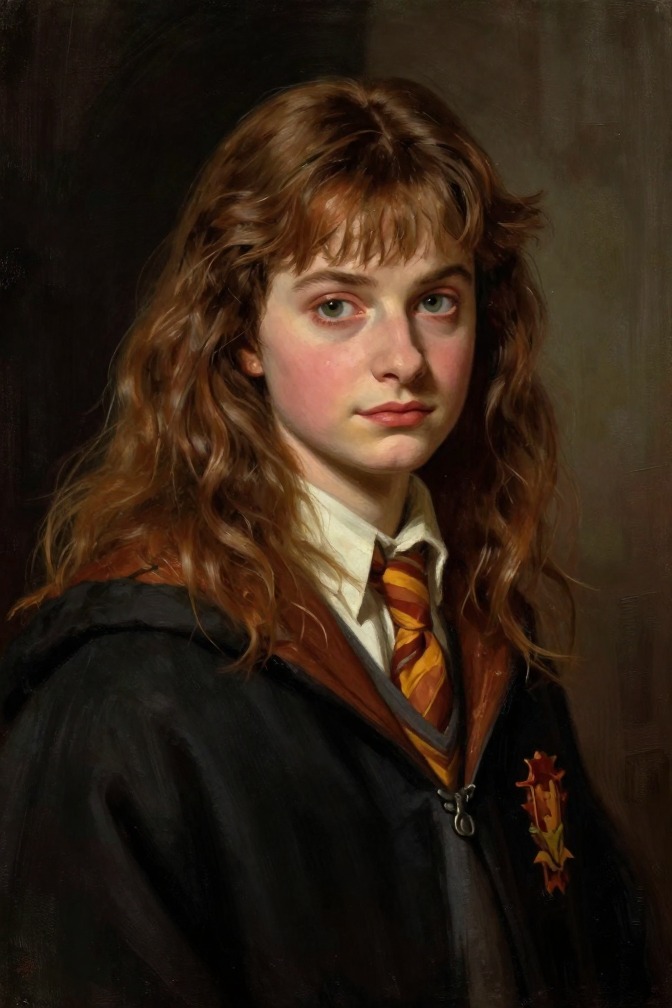
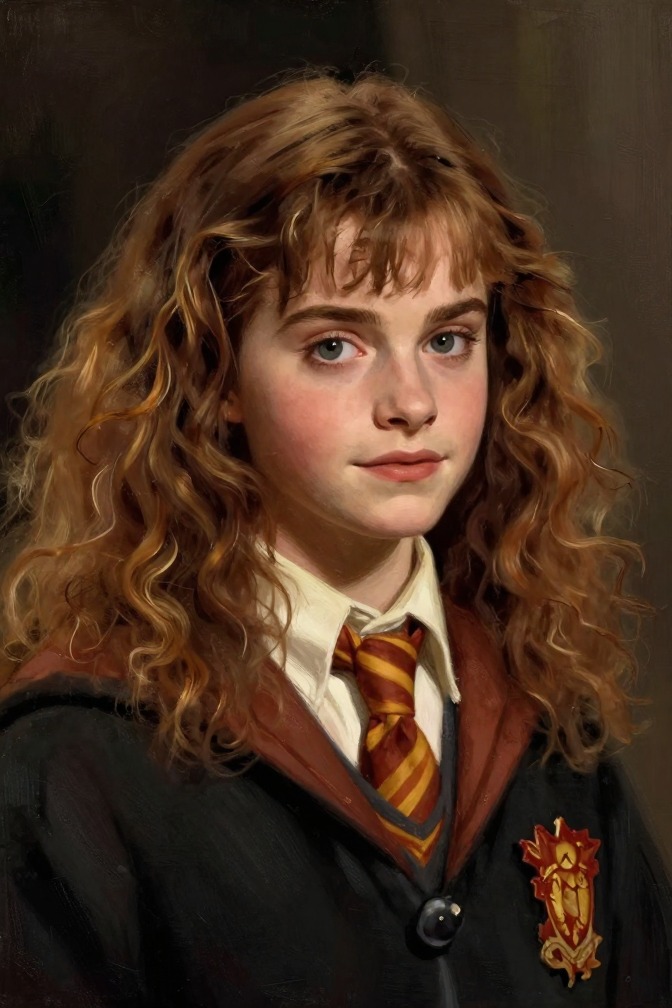
Hermione Granger, the brilliant Muggle-born witch and Harry Potter's closest friend, is a central figure in the sixth year at Hogwarts, where her formidable intellect, fierce loyalty, and unwavering moral compass are tested by the escalating war, her strained friendship with Ron Weasley, and her growing unease with Harry's reliance on the Half-Blood Prince's dangerous textbook.
Kreacher is the elderly, bitter house-elf of the Black family, bound to serve Harry Potter after the death of Sirius Black, whose deep-seated loyalty to the pure-blood Black lineage and hatred for his new master drive him to sabotage the Order of the Phoenix and later force him into an unwilling role as a spy on Draco Malfoy.
Merope Gaunt is the tragic mother of Lord Voldemort, a pure-blood witch from the impoverished and violent Gaunt family who, after a lifetime of abuse, used a love potion to ensnare the Muggle Tom Riddle Sr., only to be abandoned when she stopped the enchantment, dying in childbirth in a London orphanage.
Molly Weasley is the matriarch of the Weasley family, a fiercely protective mother figure who extends her care to Harry Potter, and a key member of the Order of the Phoenix. Her role in *Harry Potter and the Half-Blood Prince* is defined by her unwavering concern for her family's safety amid the escalating war, her deep-seated disapproval of Bill's engagement to Fleur Delacour, and her profound grief following the death of Albus Dumbledore, which she shares with the entire wizarding community.