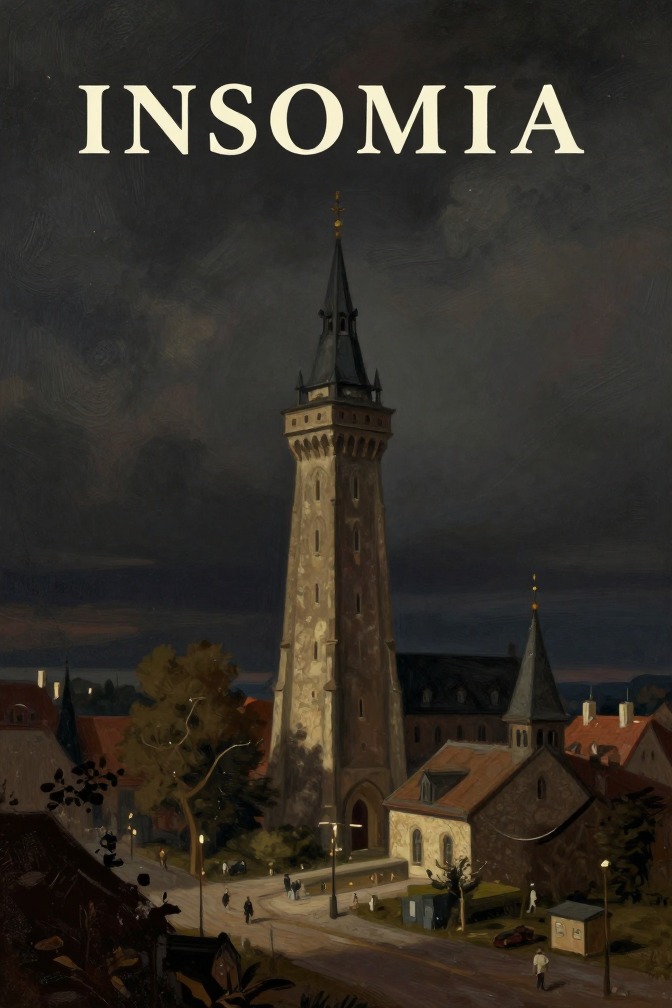
The Tower is the central metaphysical structure of Stephen King's fictional cosmology, a nexus of all possible realities that appears in Ralph Roberts's visions and in the artwork of the child Patrick Danville. It represents the axis of existence, binding together the Random and the Purpose across all levels of being, and its stability depends on the preservation of certain designated lives.
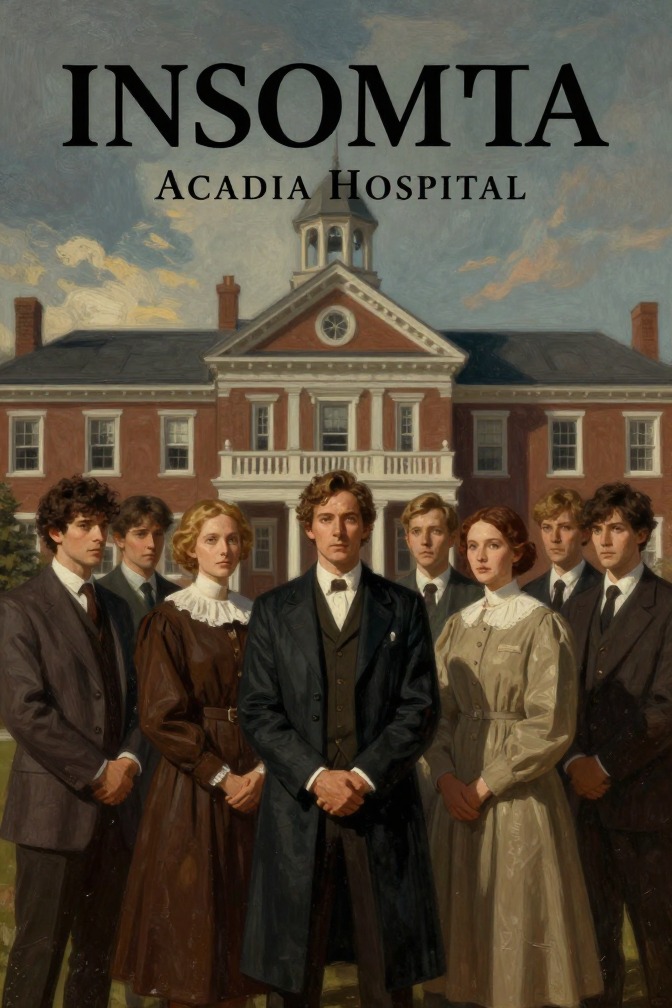
Acadia Hospital is a psychiatric institution in Maine that has treated Charlie Pickering, the anti-abortion extremist who attacks Ralph Roberts in the Derry Public Library. Its repeated failure to contain Pickering's violent delusions underscores the novel's theme that institutional mental health care cannot always prevent the Random from acting through dangerously unstable individuals.
Insomnia is the central physical and psychological condition that drives the plot of Stephen King's novel, serving as the mechanism by which the protagonist Ralph Roberts and later Lois Chasse are elevated from ordinary Short-Time perception into the hyper-real world of auras, the little bald doctors, and the cosmic conflict between the Purpose and the Random. Beginning as a mundane symptom of grief after his wife Carolyn's death, Ralph's premature waking progressively strips away the veil of normal reality, allowing him to see the life-cords (balloon-strings) of living beings and the deathbags that precede catastrophe. The insomnia is not a disease but a deliberate alteration of the Short-Time aura performed by the agents Clotho and Lachesis, who need Ralph and Lois to become visible to the Long-Time entities in order to intervene in Ed Deepneau's planned mass murder. The condition's relentless erosion of sleep — from six hours to three to barely one — mirrors the narrowing window of time before the Civic Center attack, and its eventual cessation after Ralph's sacrificial death marks the completion of his purpose.
Arabella Figg is a Squib neighbor of the Dursleys who secretly works for Albus Dumbledore and the Order of the Phoenix, and her role in Harry Potter's life is decisively revealed when she testifies at his disciplinary hearing, confirming that she has been watching over him for years.
Arthur Weasley is a kind-hearted, Muggle-obsessed wizard who works at the Ministry of Magic and serves as a steadfast father figure and member of the Order of the Phoenix, whose quiet integrity and promotion to a crucial anti-counterfeiting role underscore the Weasley family's central place in Harry Potter's life during a time of war.
Cecilia is a minor character glimpsed in a memory of Tom Riddle's past, appearing as the pretty young woman riding beside Tom Riddle Sr. on the day Morfin Gaunt attacked him. Her brief presence in the narrative serves to illustrate the social world of the Muggle village of Little Hangleton and to underscore the contrast between the handsome, carefree squire's son and the desperate, impoverished Merope Gaunt.
Fenrir Greyback is the most savage werewolf alive in the wizarding world, a Death Eater who serves Lord Voldemort by terrorizing and infecting victims, particularly children, and who personally attacks Bill Weasley during the Battle of the Astronomy Tower.
Fred Weasley, the elder of the Weasley twins, is a prankster, entrepreneur, and co-founder of Weasleys' Wizard Wheezes, whose irreverent humor and commercial genius provide both comic relief and a symbol of resistance against Voldemort's tyranny throughout Harry Potter and the Half-Blood Prince.
Herbert Chorley is the Junior Minister in the Muggle Prime Minister's government who, during the opening of Harry Potter and the Half-Blood Prince, begins behaving so peculiarly that he impersonates a duck in public, a condition later revealed to be the result of a poorly performed Imperius Curse, leading to his removal to St. Mungo's Hospital for Magical Maladies and Injuries. His case serves as a key example of how Voldemort's war against the Wizarding world spills over into Muggle society, causing chaos that the Muggle government cannot explain or contain.
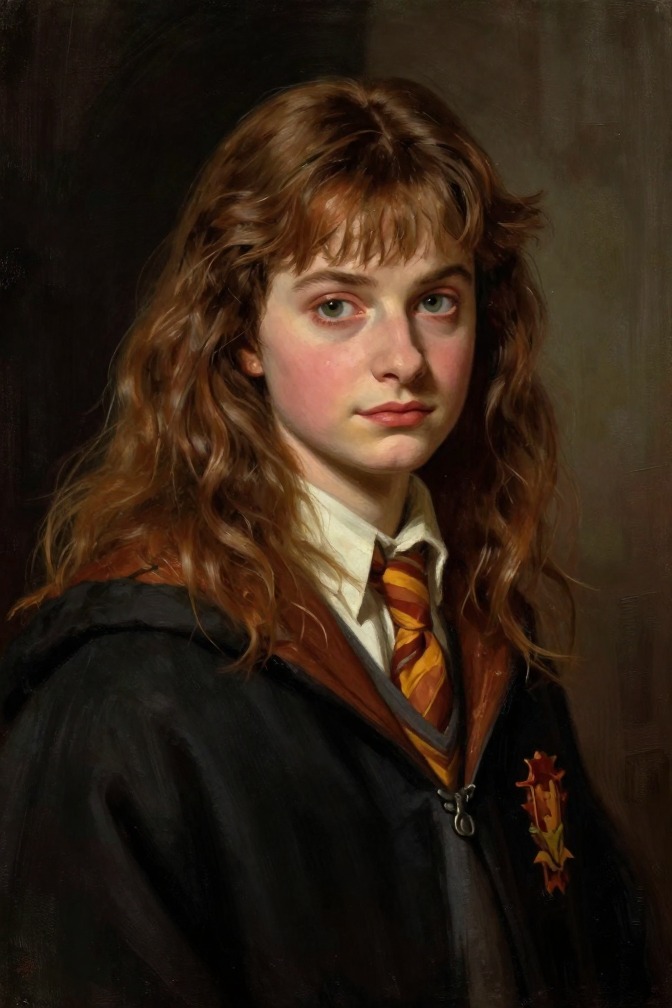
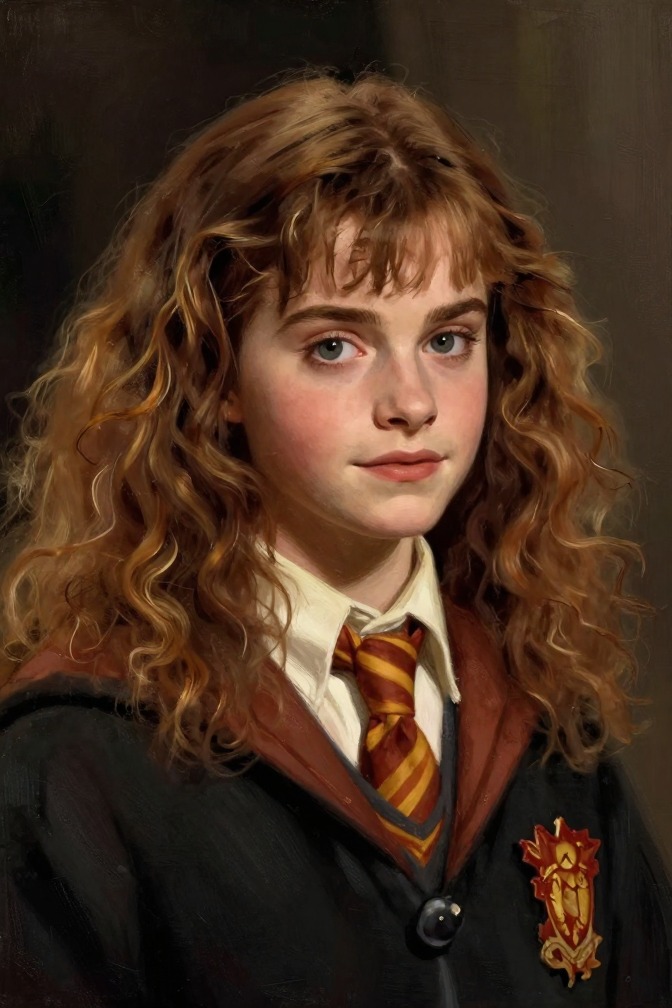
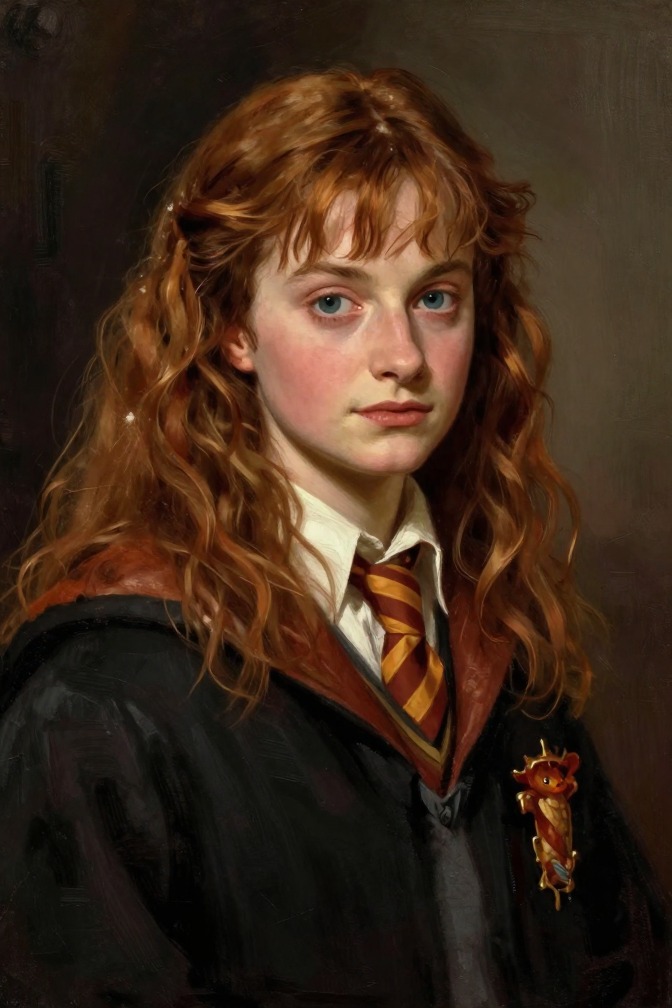
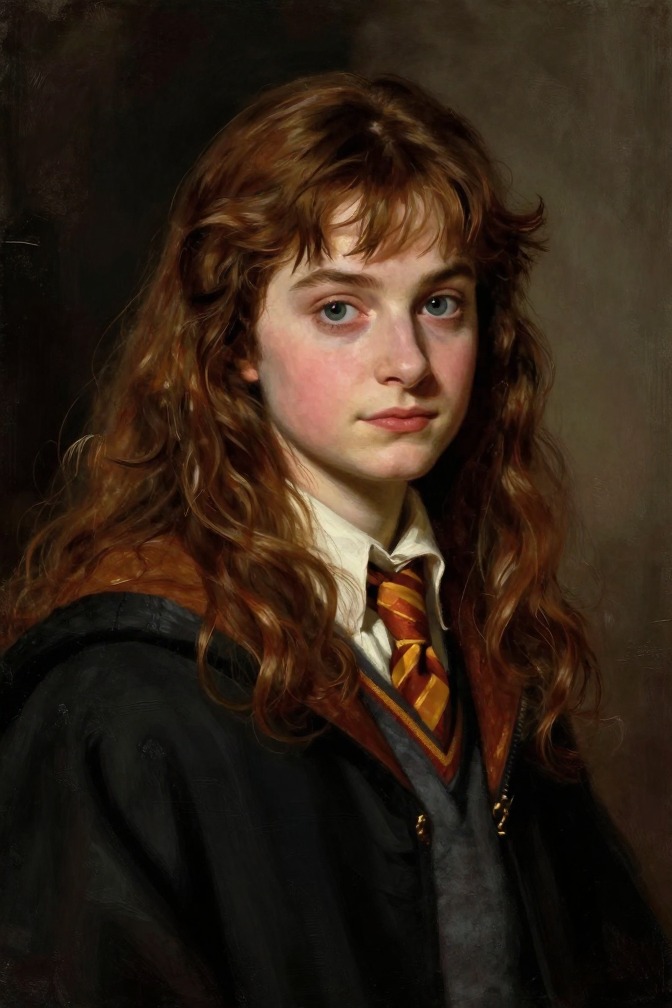
Hermione Granger, the brilliant Muggle-born witch and Harry Potter's closest friend, is a central figure in the sixth year at Hogwarts, where her formidable intellect, fierce loyalty, and unwavering moral compass are tested by the escalating war, her strained friendship with Ron Weasley, and her growing unease with Harry's reliance on the Half-Blood Prince's dangerous textbook.
Kreacher is the elderly, bitter house-elf of the Black family, bound to serve Harry Potter after the death of Sirius Black, whose deep-seated loyalty to the pure-blood Black lineage and hatred for his new master drive him to sabotage the Order of the Phoenix and later force him into an unwilling role as a spy on Draco Malfoy.
Merope Gaunt is the tragic mother of Lord Voldemort, a pure-blood witch from the impoverished and violent Gaunt family who, after a lifetime of abuse, used a love potion to ensnare the Muggle Tom Riddle Sr., only to be abandoned when she stopped the enchantment, dying in childbirth in a London orphanage.
Molly Weasley is the matriarch of the Weasley family, a fiercely protective mother figure who extends her care to Harry Potter, and a key member of the Order of the Phoenix. Her role in *Harry Potter and the Half-Blood Prince* is defined by her unwavering concern for her family's safety amid the escalating war, her deep-seated disapproval of Bill's engagement to Fleur Delacour, and her profound grief following the death of Albus Dumbledore, which she shares with the entire wizarding community.
Nearly Headless Nick is the Gryffindor House ghost, a talkative and somewhat vain spirit who, despite his grisly appearance, serves as a friendly informant and a source of comic relief for Harry Potter and his friends, while also providing crucial information about the castle's secrets and the state of the school.
Poppy Pomfrey is the Hogwarts matron and healer, a stern but deeply compassionate medical professional who runs the hospital wing with unwavering dedication, treating injuries ranging from Quidditch accidents to cursed wounds and magical maladies, and whose expertise and care are tested to their limits during the escalating violence of the war.
Professor Merrythought was the long-serving Defense Against the Dark Arts teacher at Hogwarts whose retirement in the 1940s created the vacancy that both Tom Riddle and Albus Dumbledore sought to fill, a pivotal moment that exposed Riddle's true ambitions and set in motion the jinx that would plague the position for decades.
Regulus Black, the younger brother of Sirius Black, is a minor but pivotal figure in the sixth book, revealed through retrospective accounts as a former Death Eater who defected after discovering Lord Voldemort's true nature and sacrificed his life to steal and replace one of Voldemort's Horcruxes, leaving behind a note signed 'R.A.B.' that becomes a crucial clue for Harry Potter.
The Fat Lady is the portrait guardian of the Gryffindor common room at Hogwarts, a temperamental and security-conscious gatekeeper whose shifting passwords and personal grievances directly affect Harry Potter and his friends throughout their sixth year.
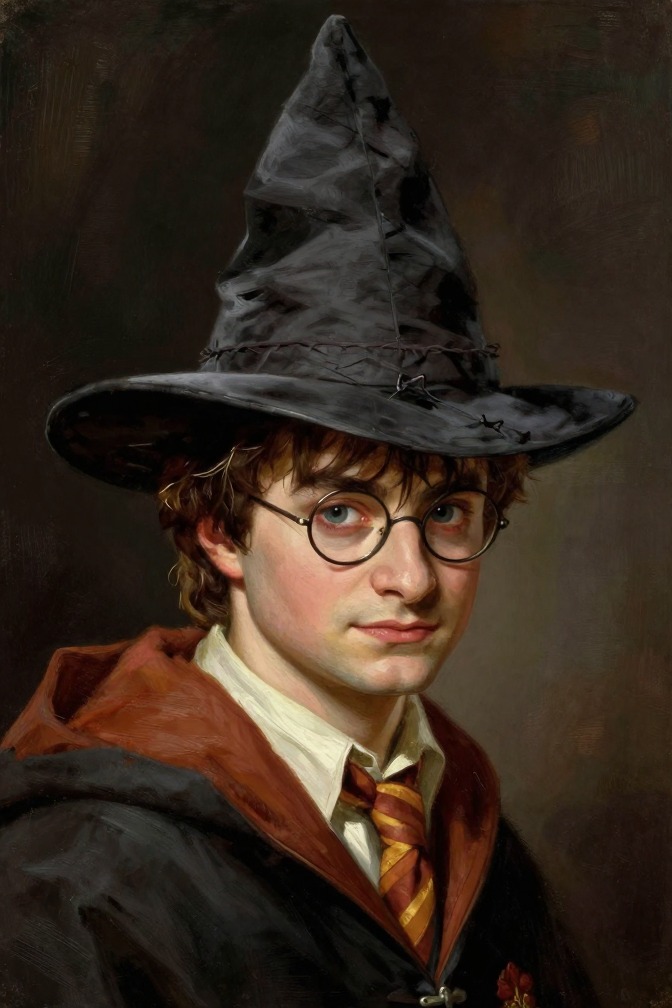
The Sorting Hat is a sentient, ancient magical artifact at Hogwarts School of Witchcraft and Wizardry, used during the Sorting Ceremony to place new students into one of the four Houses. It also serves as a repository of the school's history and wisdom, and its song at the start of Harry's sixth year reflects the growing threat of Lord Voldemort, urging unity and courage.
Tobias Snape is the Muggle father of Severus Snape, whose marriage to the witch Eileen Prince produced the Half-Blood Prince. His existence as a non-magical parent is the source of his son's half-blood status, a fact Severus Snape spent his life obscuring through the invented title "Half-Blood Prince" and through his later alignment with pure-blood supremacist ideology.
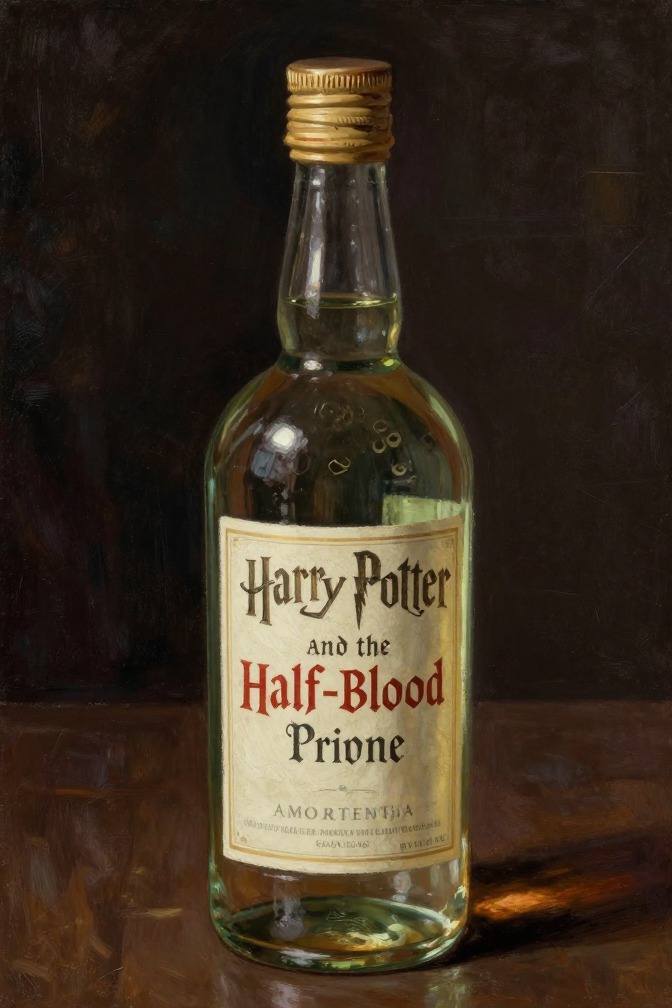
Amortentia is the most powerful love potion in the wizarding world, introduced in Harry Potter and the Half-Blood Prince as a key plot device that reveals character desires and underscores the theme of obsessive love.
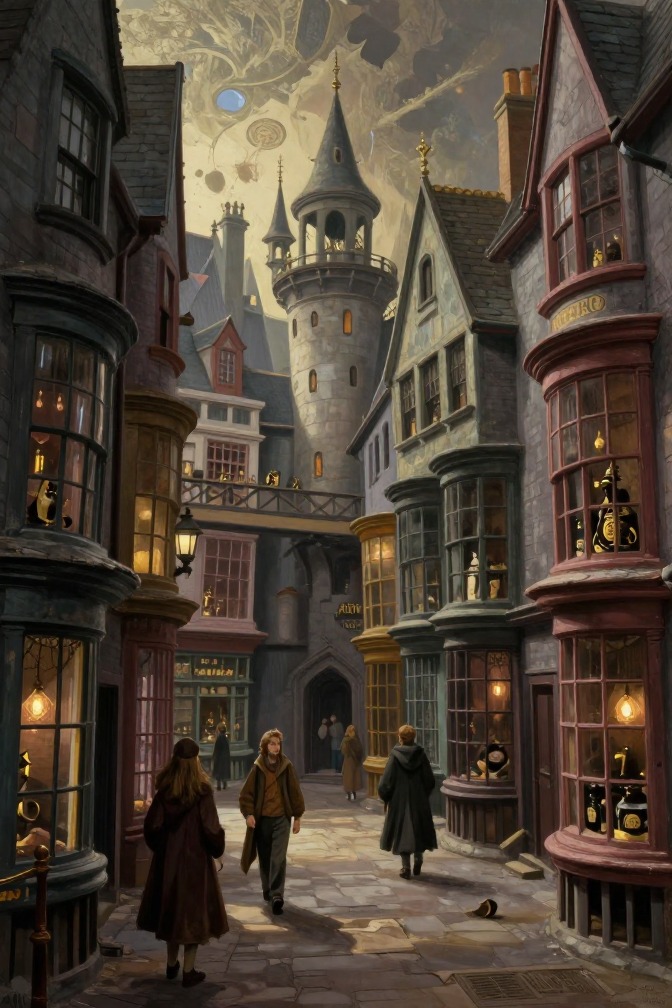
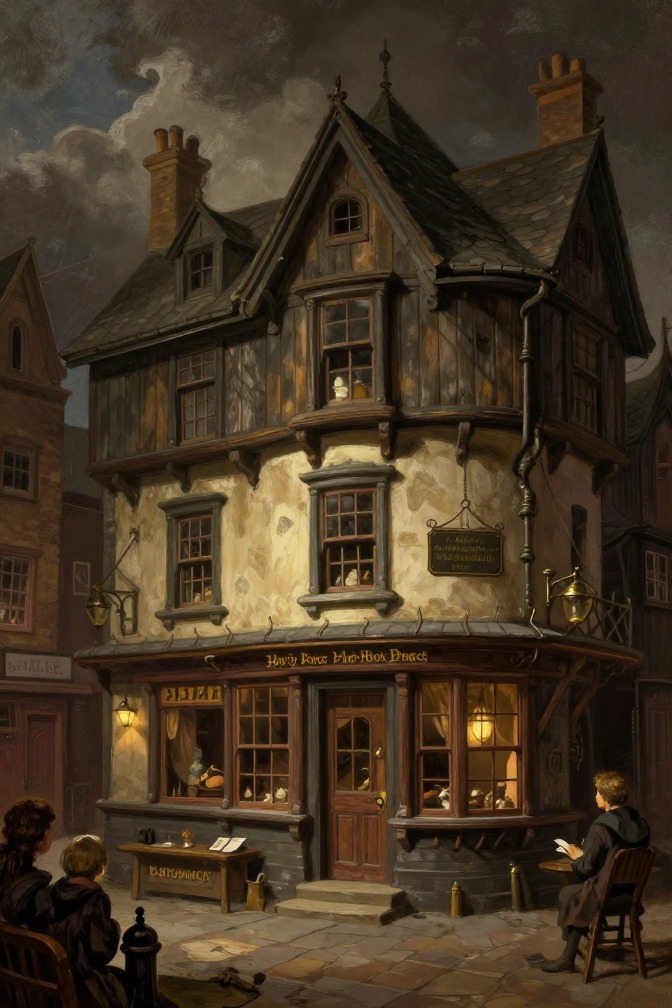
Diagon Alley, the primary wizarding shopping thoroughfare in London, undergoes a dramatic transformation in Harry Potter and the Half-Blood Prince, shifting from a vibrant commercial hub to a somber, fortified reflection of the escalating war. Once a place of glittering window displays and bustling crowds, it becomes dominated by Ministry of Magic security posters, boarded-up shops, and a palpable atmosphere of fear, marking the end of an era of innocence and the encroachment of Lord Voldemort's terror into the heart of the wizarding world.
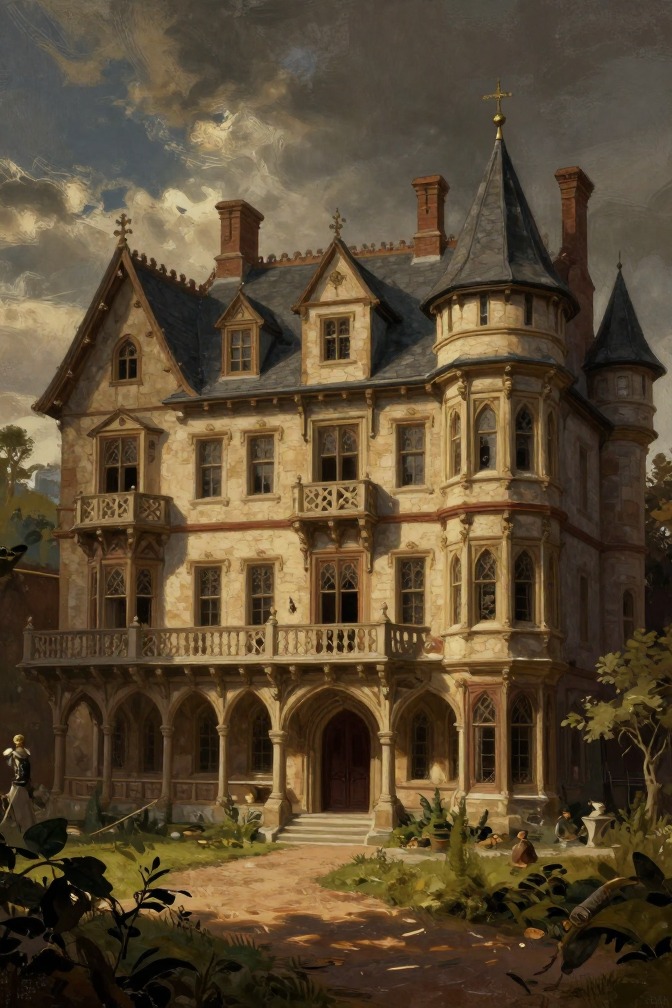
Riddle House is the ancestral home of the Riddle family in the village of Little Hangleton, a manor house that serves as the site of Tom Riddle Sr.'s abandonment of his wife Merope Gaunt and, years later, the location of the murders of Tom Riddle Sr. and his parents by their son, Lord Voldemort.
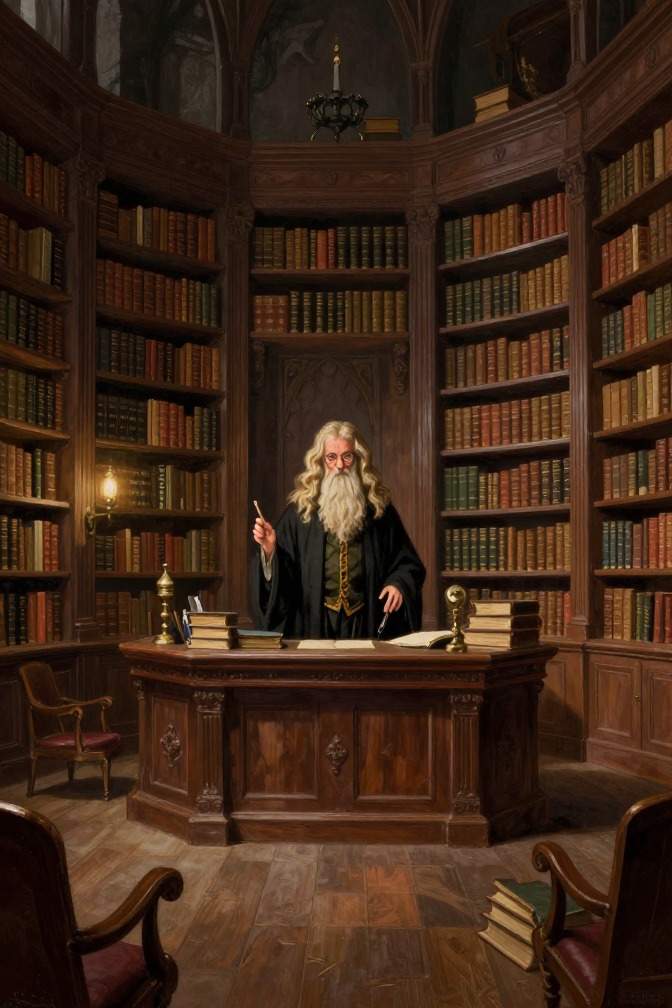
Slughorn's Office is the private study and sitting room of Horace Slughorn, the Potions master at Hogwarts, a space that reflects his love of comfort, influence, and collecting talented or well-connected students. It is the setting for his exclusive 'Slug Club' parties, where he cultivates relationships with promising young witches and wizards, and for the crucial private conversation in which a young Tom Riddle extracts information about Horcruxes—a memory that becomes central to Harry Potter's quest.
The Slytherin Common Room is the subterranean common room and dormitory for students of Slytherin House at Hogwarts School of Witchcraft and Wizardry, a dim, dungeon-like space located behind a stone wall in the dungeons, accessible only by a password. It serves as the primary social and residential hub for Slytherin students, and in Harry Potter and the Half-Blood Prince, it becomes a key location for observing Draco Malfoy's secretive activities and his interactions with his fellow Slytherins.
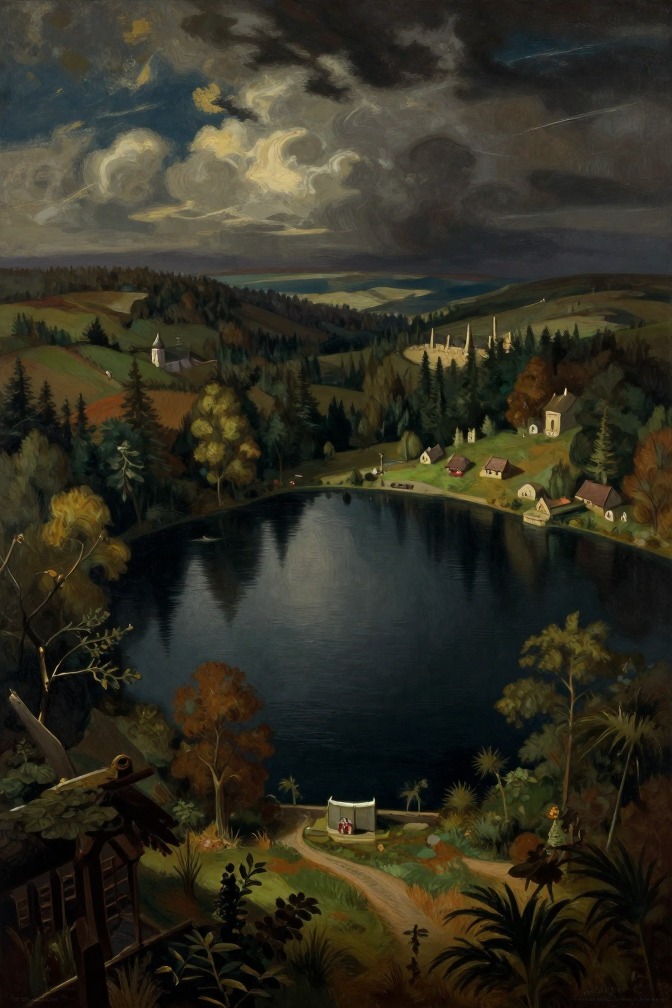
The Black Lake is the vast, dark body of water within the sea cave where Lord Voldemort concealed one of his Horcruxes, serving as the central obstacle in the climactic trial that Albus Dumbledore and Harry Potter must overcome. Its still, glassy surface hides an army of Inferi, the reanimated corpses of the dead, who rise to attack any intruder who attempts to seize the Horcrux from the island at its center. The lake is a masterwork of Voldemort's defensive magic, designed to test not only magical power but also will, endurance, and the willingness to sacrifice, and it becomes the site of Dumbledore's greatest physical and psychological ordeal before his death.
The Three Broomsticks is a popular wizarding pub in Hogsmeade, run by Madam Rosmerta, that serves as a key social and operational hub in Harry Potter and the Half-Blood Prince, where characters gather for warmth and drink, and where a cursed necklace is passed to Katie Bell, leading to a major attack.
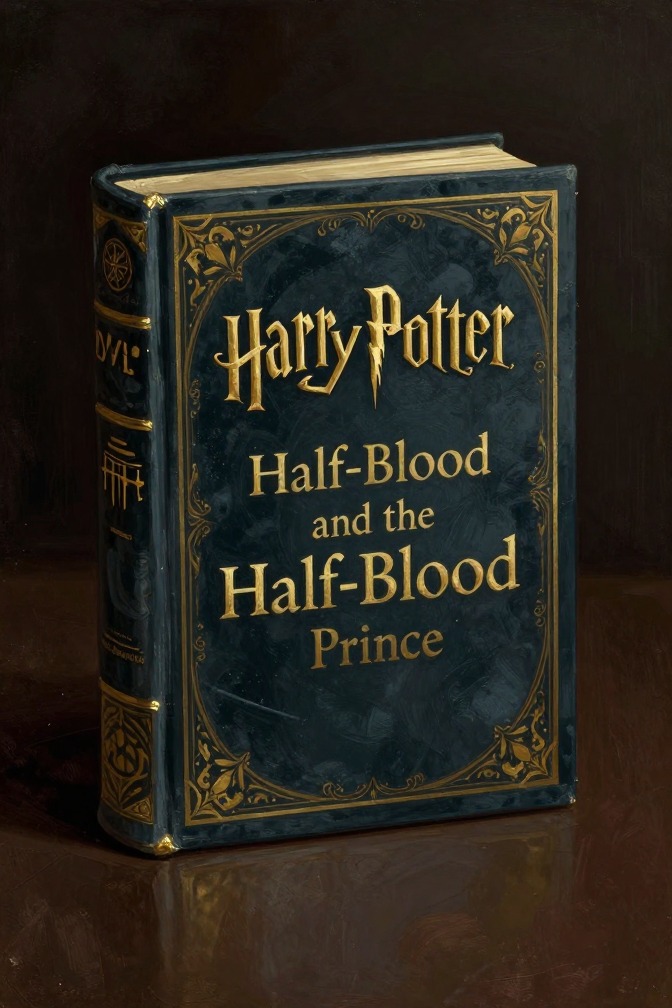
The Half-Blood Prince's Potions Book is a battered, second-hand copy of "Advanced Potion-Making" by Libatius Borage, formerly owned by a student who called himself the Half-Blood Prince. This book becomes Harry Potter's most valuable and controversial tool during his sixth year at Hogwarts, transforming him from a mediocre potion-maker into Slughorn's star pupil, but also leading him to use a dangerous spell with near-fatal consequences. The book's true owner is eventually revealed to be Severus Snape, a revelation that shatters Harry's trust and deepens his understanding of the man who killed Albus Dumbledore.
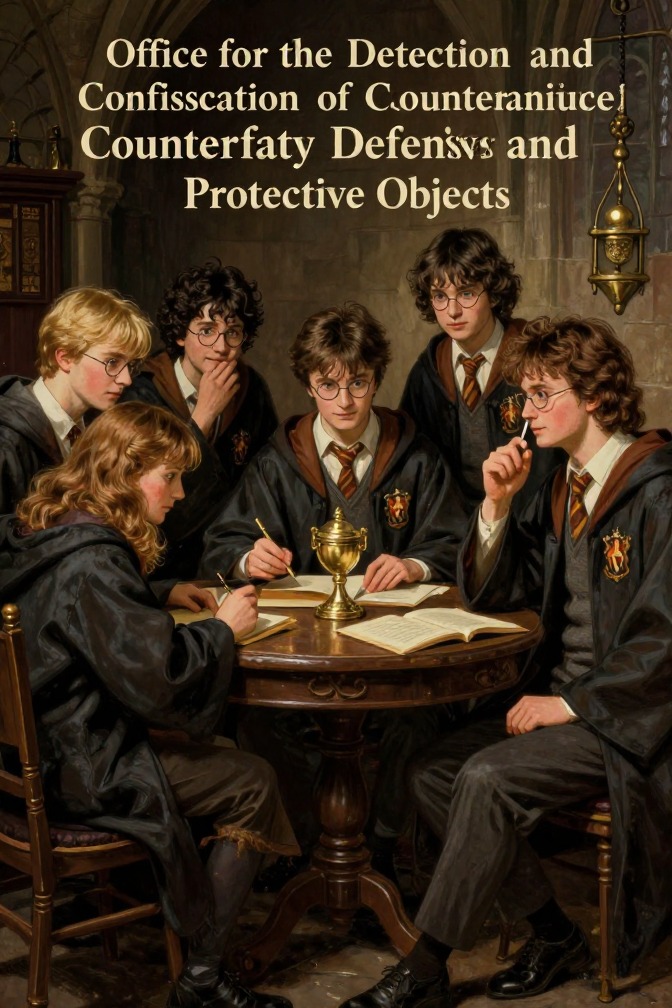
The Office for the Detection and Confiscation of Counterfeit Defensive Spells and Protective Objects is a new Ministry of Magic department established by Minister Rufus Scrimgeour in response to the escalating war with Lord Voldemort, tasked with identifying and removing fraudulent protective items that exploit public fear. Headed by Arthur Weasley, the office represents both the Ministry's attempt to project competence during a crisis and the pervasive anxiety that has created a market for dangerous, unregulated magical goods.
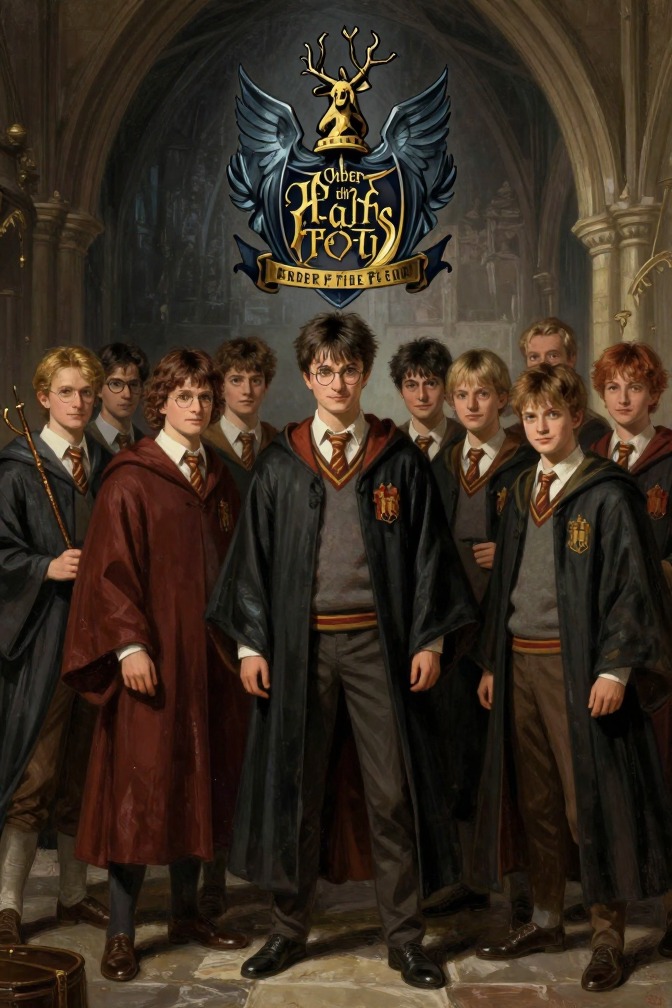
The Order of the Phoenix is a secret society founded by Albus Dumbledore to oppose Lord Voldemort and his Death Eaters. It serves as the primary resistance force throughout the Second Wizarding War, coordinating intelligence, protection, and direct combat against the Dark Lord's forces. Its members, drawn from the Ministry of Magic, Hogwarts staff, and the broader wizarding community, operate under constant threat of infiltration and death, embodying the theme of collective sacrifice against tyranny.