Ted Jones's relationship with his alcoholic mother is a central, suppressed secret that shapes his public persona and his violent reaction when it is exposed during the hostage crisis in Room 16.
James Bates, an eminent London surgeon, was the first professional mentor of Lemuel Gulliver and the catalyst for his career at sea, shaping his medical training, his early professional network, and his enduring connection to maritime life.
The King of Brobdingnag is a wise, learned, and morally upright monarch who rules the giant kingdom with reason and justice, serving as Swift's mouthpiece for a devastating critique of European politics, war, and human pretension, while his rejection of gunpowder technology and his final judgment of humanity as "the most pernicious race of little odious vermin" mark the moral and philosophical climax of Gulliver's second voyage.
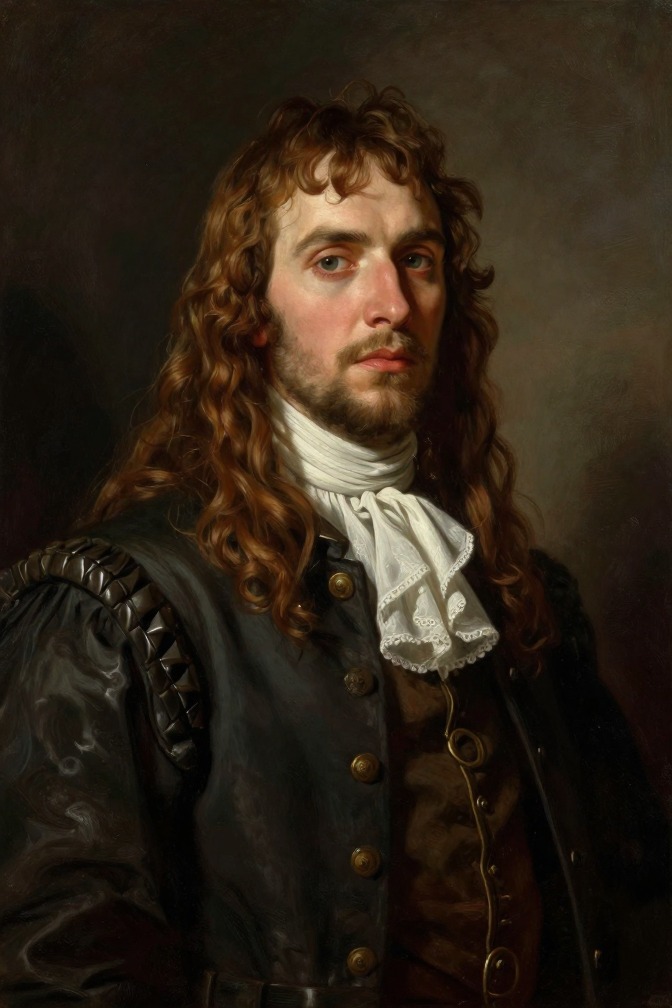
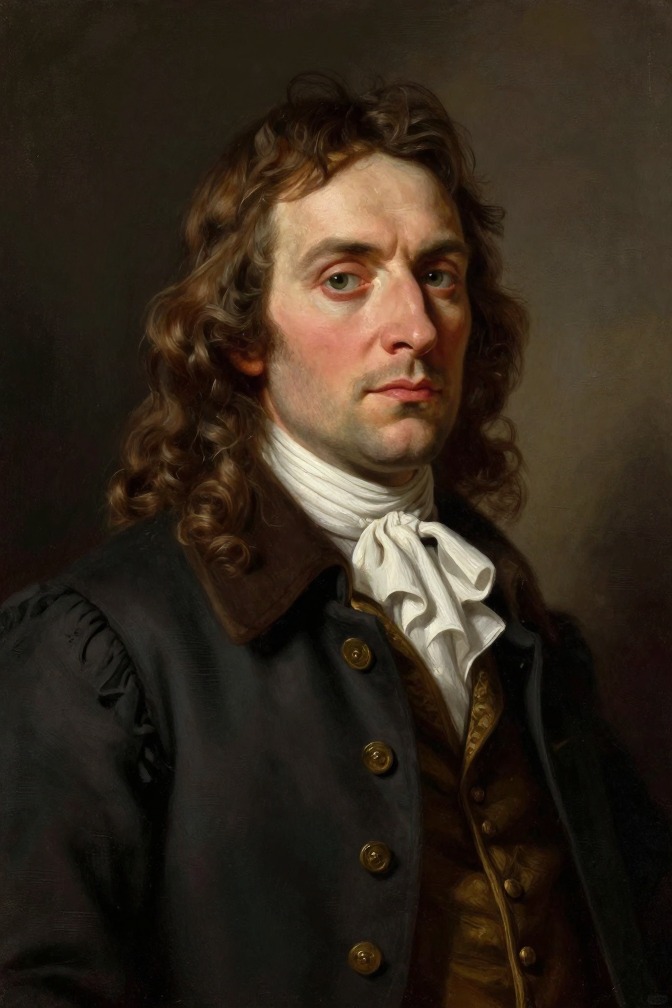
Lalcon is the chamberlain of the Lilliputian court and one of the key conspirators who, alongside Skyrris Bolgolam and Flimnap, draws up articles of impeachment against Lemuel Gulliver for high treason, representing the court's institutional hostility toward Gulliver after his refusal to destroy Blefuscu.
Skyrris Bolgolam is the high admiral of Lilliput and the most persistent and dangerous enemy Lemuel Gulliver faces during his stay in that empire, a morose and sour minister whose implacable hatred drives the conspiracy that forces Gulliver to flee for his life.
Captain Thomas Wilcocks is the English merchant captain who rescues Lemuel Gulliver from the sea after an eagle drops Gulliver's travelling box into the ocean off Brobdingnag, and whose skepticism, kindness, and eventual belief in Gulliver's extraordinary story enable Gulliver's safe return to England.
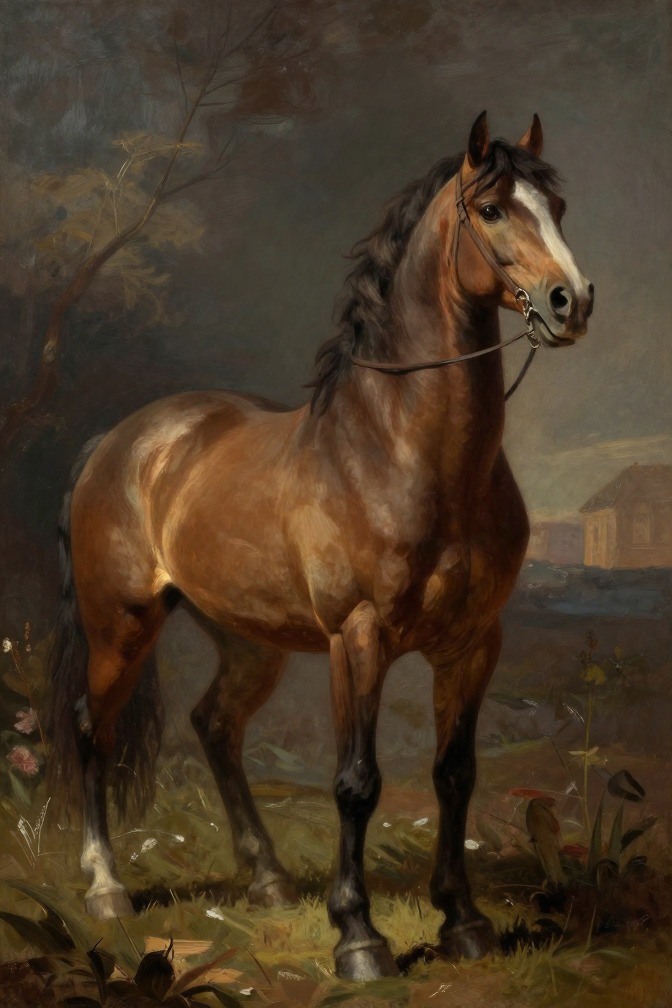
The Brobdingnagian horse is a colossal equine creature in the land of Brobdingnag, standing between fifty-four and sixty feet high, used for transportation, military display, and royal ceremony, and its immense scale relative to Gulliver underscores the theme of relative perspective and the absurdity of human pretension.
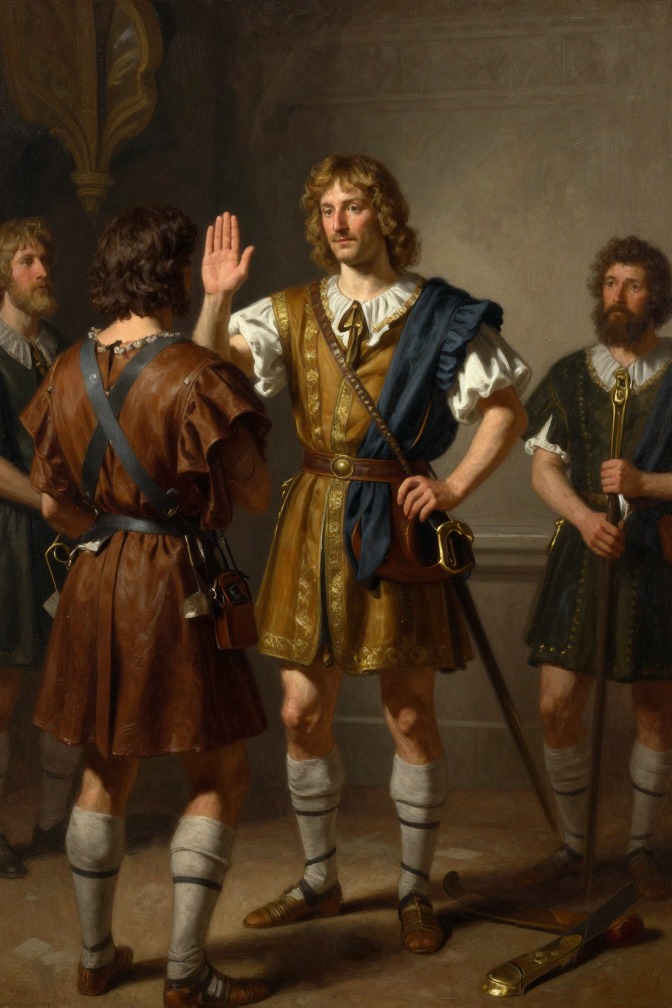
The Lilliputian oath ceremony is a legally prescribed physical posture required of anyone swearing to observe the articles of release imposed on the Man-Mountain, combining a contorted bodily pose with a solemn verbal promise, and it serves as a satirical emblem of the arbitrary, theatrical nature of Lilliputian law and politics.
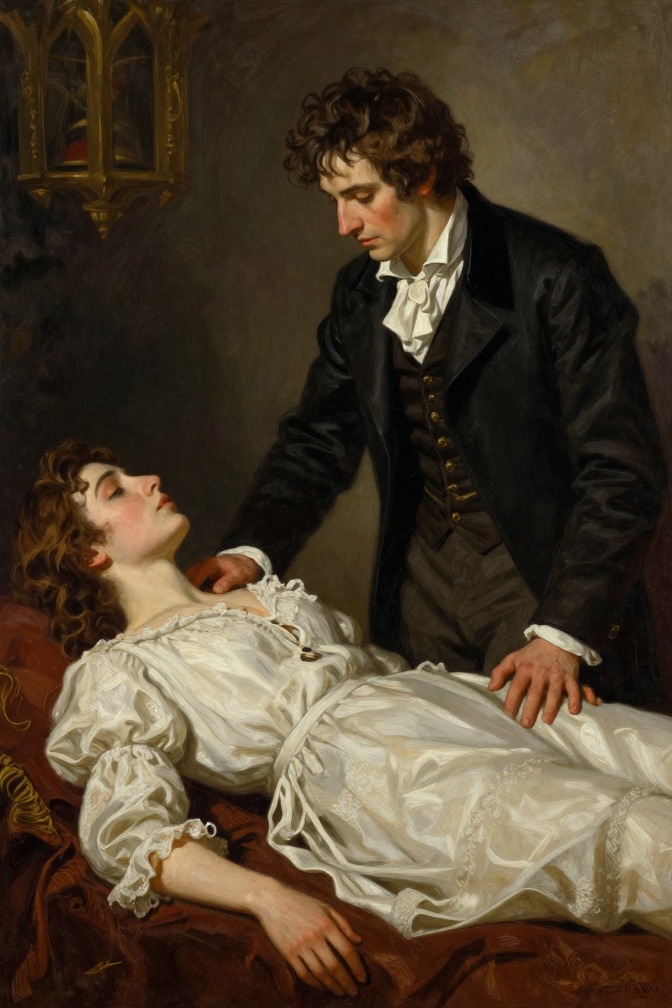
The final scene of Dostoevsky's novel depicts Prince Myshkin and Parfen Rogozhin keeping a night-long vigil beside the body of Nastasya Filippovna, whom Rogozhin has just murdered. This harrowing tableau crystallizes the novel's central themes of suffering, madness, and the failure of redemptive love, as the two men—bound by a fatal triangle of passion and jealousy—lie together in the dark, the murderer feverish and the prince reduced to a state of idiocy.
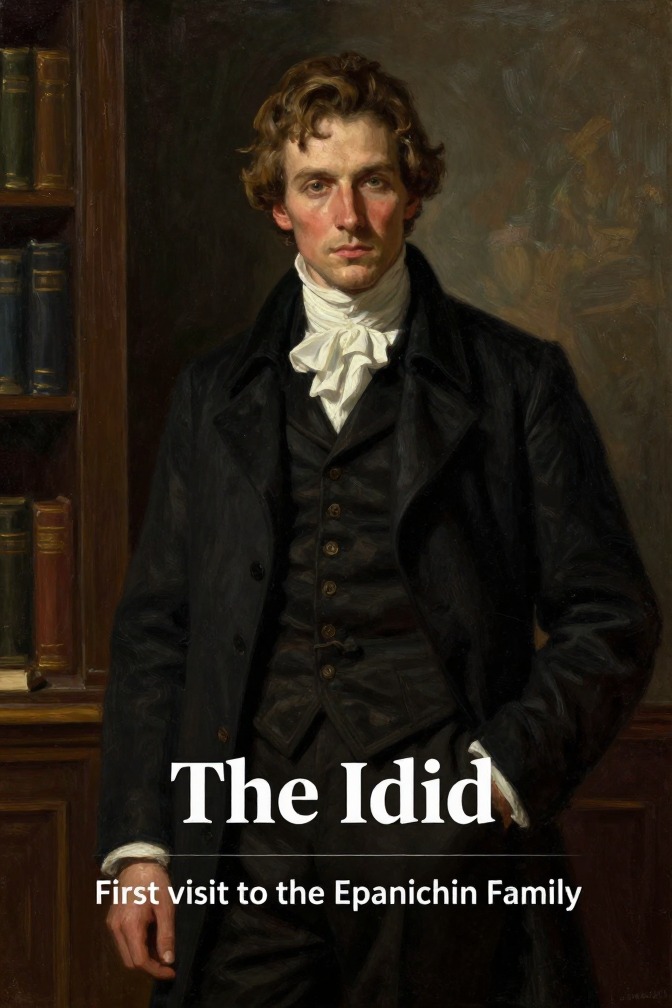
Prince Myshkin's first visit to the Epanchin household establishes his decisive entry into St. Petersburg society, revealing his naive sincerity, his epileptic condition, and the immediate, complex impression he makes on each family member—especially Aglaya—while also introducing the household's internal tensions over Nastasia Philipovna and Gania's marriage prospects.
Colia Ivolgin, the thirteen-year-old younger brother of Gavrila Ardalionovitch, is a schoolboy who becomes the prince's most loyal and perceptive companion, acting as a moral touchstone and a bridge between the novel's warring factions.
Daria Alexeyevna is a minor but recurring character in Dostoevsky's The Idiot, a kind-hearted and impressionable actress who becomes Nastasia Philipovna's closest female friend and confidante during the final months of her life. She is the only person in Pavlofsk who consistently defends Nastasia against public scorn, and her emotional reactions—ranging from fierce indignation to maternal tenderness—provide a rare counterpoint to the cruelty and calculation that surround the heroine.
General Ardalion Alexandrovitch Ivolgin is a retired Russian general, the patriarch of the Ivolgin family, whose life is a tragicomic descent into alcoholism, pathological lying, and financial ruin, culminating in a stroke brought on by the shame of a theft he committed. His character serves as a poignant emblem of the decayed nobility, oscillating between grandiose delusions of his past glory and the squalid reality of his present dependence, ultimately revealing a broken man whose final collapse mirrors the moral and social disintegration at the heart of the novel.
Hippolyte Terentieff is a seventeen-year-old consumptive youth whose nihilistic confession, failed suicide, and bitter intellectualism make him one of the novel's most unsettling figures—a dying man who refuses to die quietly, using his remaining weeks to expose the hypocrisy and vanity of everyone around him.
Lukian Timofeyovitch Lebedeff is a minor clerk, self-styled interpreter of the Apocalypse, and a master of comic, self-abasing intrigue who serves as the prince's landlord and a constant source of both information and low comedy throughout the novel.
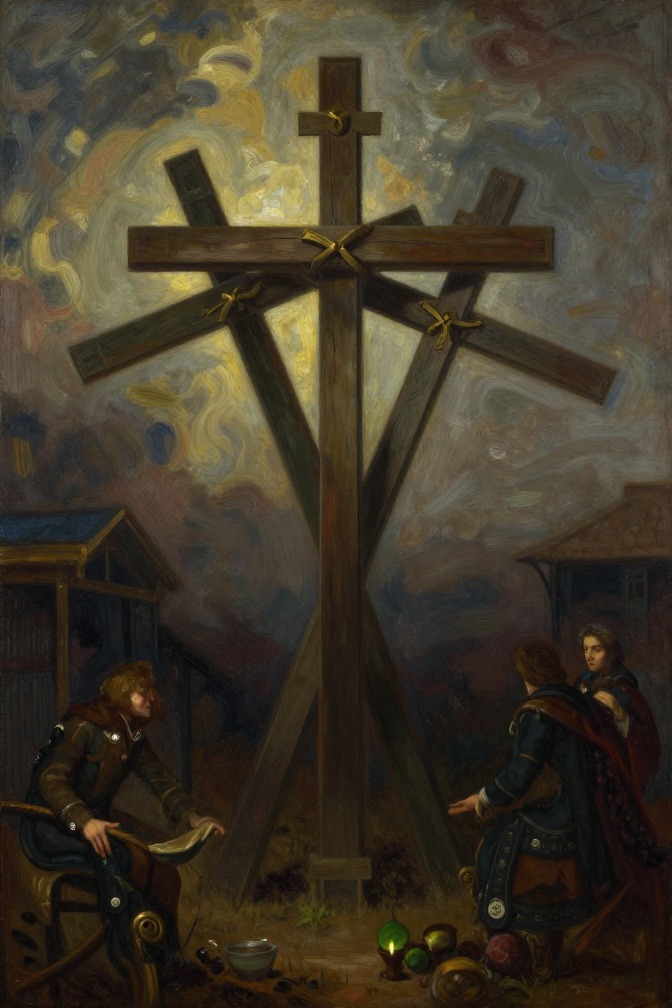
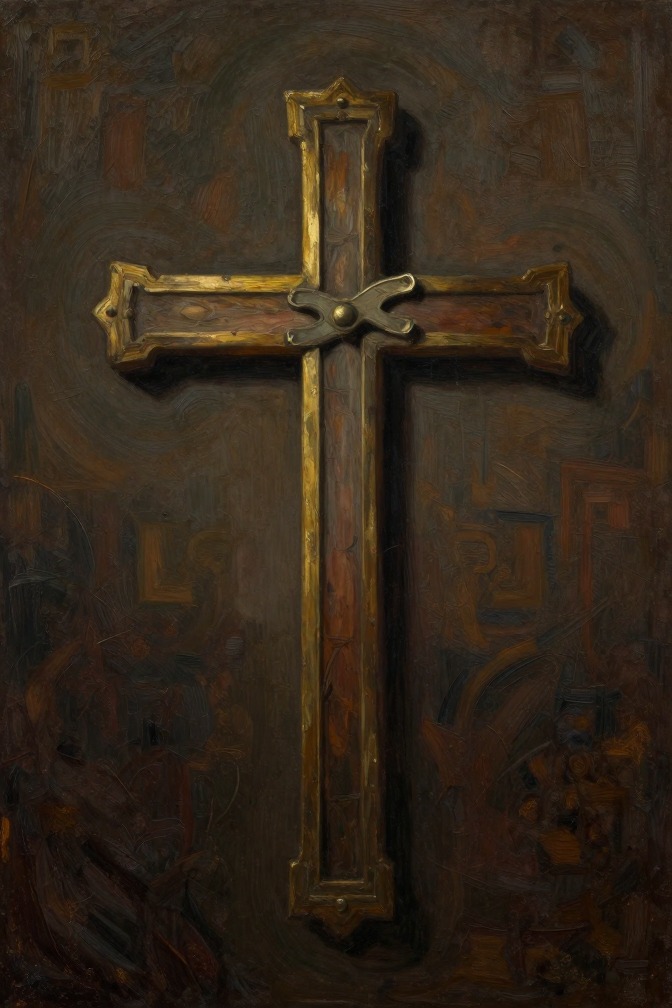
The exchange of crosses between Prince Lef Nicolaievitch Muishkin and Parfen Rogojin is a pivotal ritual of fraternization that momentarily binds the two rivals in a brotherhood of shared faith, yet fails to dissolve the murderous jealousy that drives the novel toward its catastrophic conclusion.
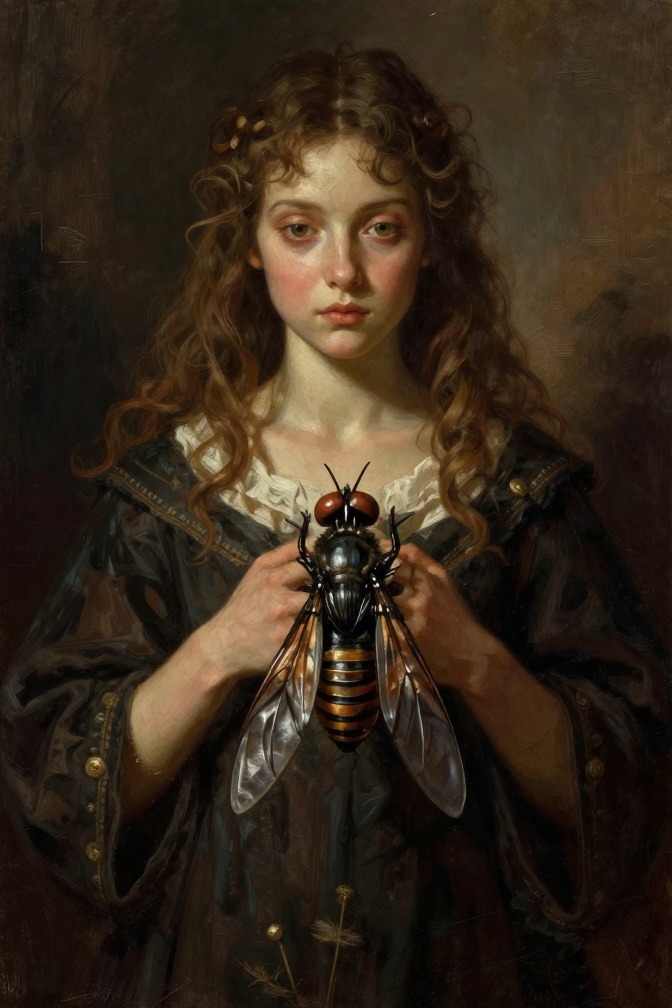
The fly appears in Dostoevsky's The Idiot as a recurring symbol of the natural world's indifference and of the humiliating insignificance of individual life. It is invoked by Hippolyte Terentieff in his 'Necessary Explanation' to illustrate his conviction that he is an outcast from the universal chorus of life, and it also appears in the prince's own memories of his Swiss solitude, where the buzzing insect becomes an emblem of the joy and belonging from which he feels excluded. The fly thus serves as a compressed image of the novel's central existential and theological anxieties: the contrast between the blind, mechanical force of nature and the human longing for meaning, participation, and love.
Eydkuhnen is the border station on the Warsaw and Petersburg Railway where the train from abroad enters Russian territory, marking the threshold between Europe and Russia for the returning Prince Muishkin and his fellow traveler Parfen Rogojin. It is the first Russian place named in the novel and serves as a symbolic point of transition—from foreign exile to native land, from the past to an uncertain future—that frames the opening conversation between the two protagonists.
Gorohovaya Street in St. Petersburg is the location of the Rogojin family house, a gloomy, old merchant-class building that serves as the primary spatial symbol of Parfen Rogojin's dark, passionate, and claustrophobic world. The street and its architecture are described in detail during Prince Muishkin's first visit to Rogojin, and the house becomes the site of the novel's final, horrific scene.
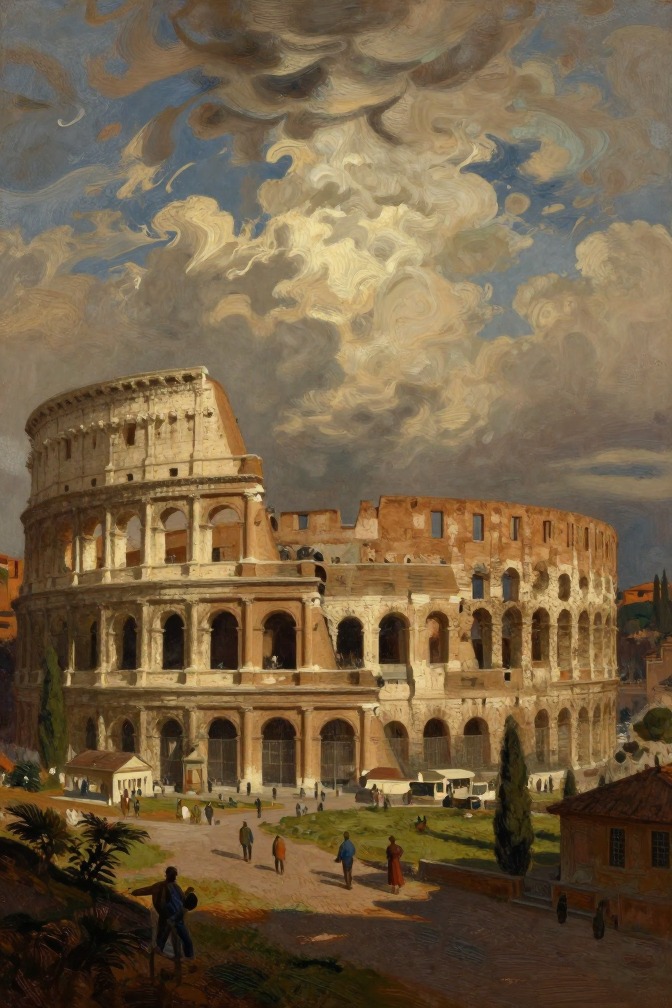
Rome is a symbolic and aspirational destination in Dostoevsky's *The Idiot*, representing for Aglaya Epanchin the cultural and artistic heart of Europe, a place of Gothic cathedrals, museums, and liberation from the constraints of her Russian aristocratic home. It also serves as a geographical marker of the novel's broader contrast between Russia and the West, and is invoked in the ideological debates about Roman Catholicism, temporal power, and the fate of European civilization.
The exchanged crosses between Prince Lef Nicolaievitch Muishkin and Parfen Rogojin form a central symbolic object in Dostoevsky's novel, representing a fleeting, desperate attempt at brotherhood that is immediately undercut by jealousy, suspicion, and the looming threat of violence. This ritual act, performed in Rogojin's gloomy house after a day of mutual confession and threat, transforms a sacred Orthodox gesture into a fraught, ironic bond that neither man can sustain, and which ultimately collapses into murder.
Madame Bovary is a French novel that appears in Nastasia Philipovna's Petersburg apartment, where it lies open on her table as a material trace of her reading habits and her relationship with Parfen Rogojin. The prince notices the book during his desperate search for Nastasia after her flight from the wedding, and he takes it with him, folding down the page at the open leaf. The novel functions as a quiet but telling object: it reveals Nastasia's intellectual life, her solitude, and the peculiar domestic routine she shared with Rogojin, and it becomes a tangible link between the prince's investigation and the absent woman he is trying to find.
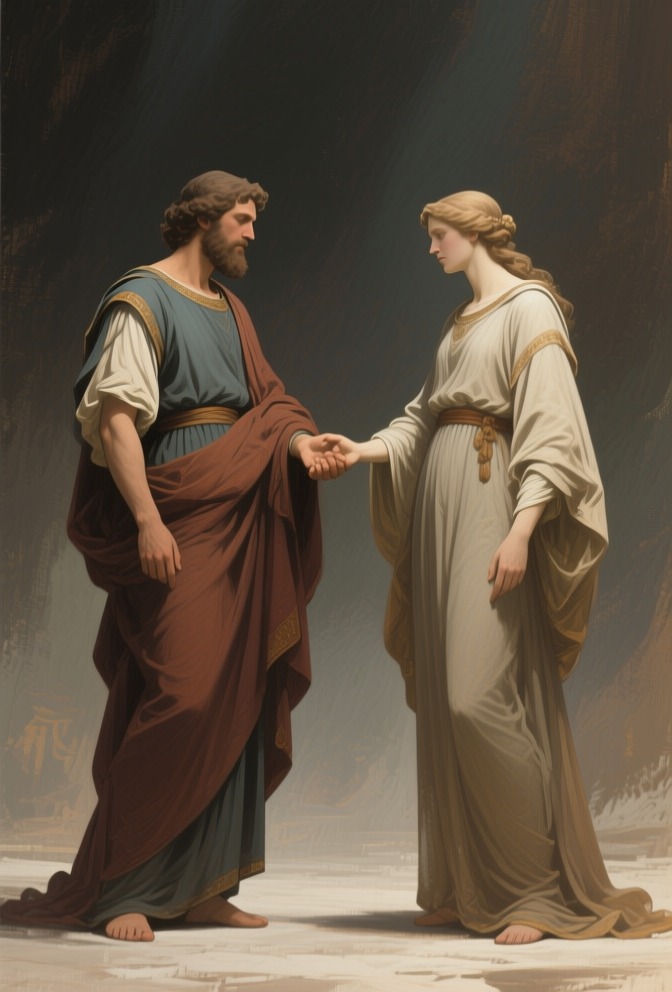
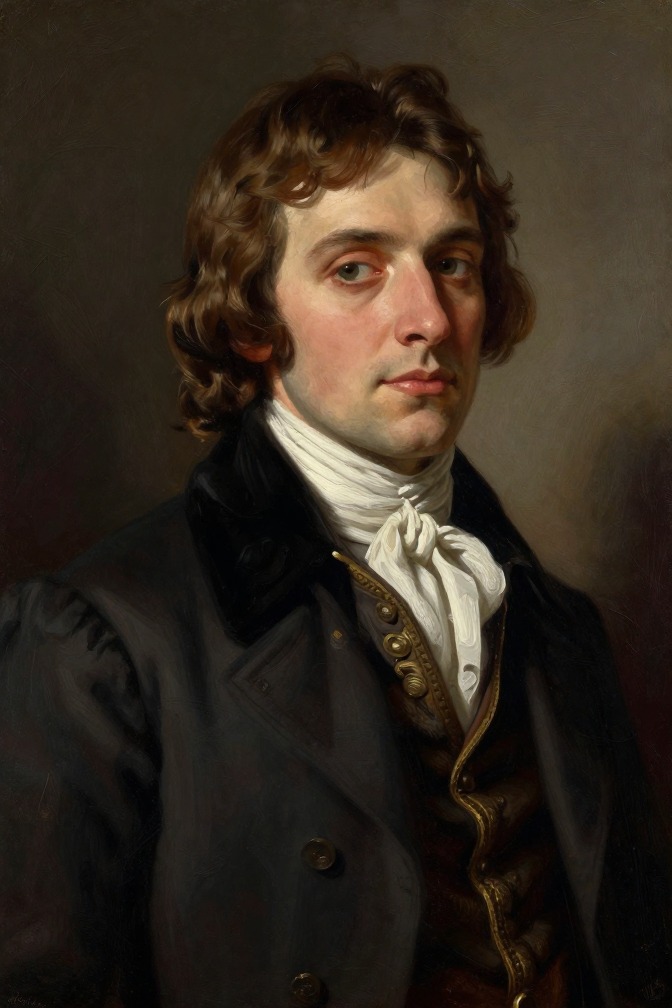
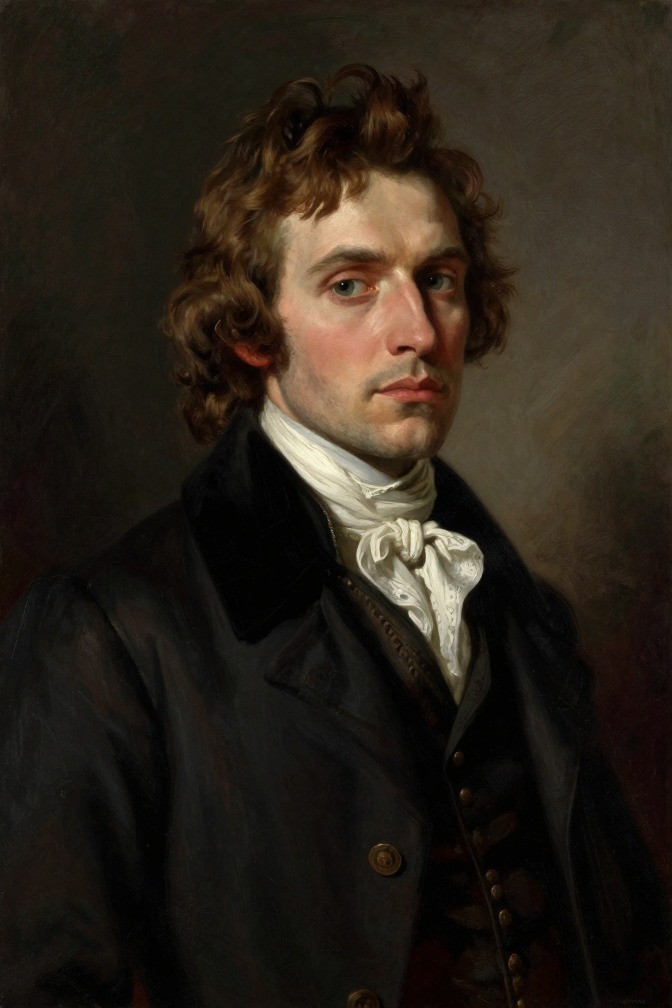
The relationship between Prince Lef Nicolaievitch Muishkin and Nastasia Philipovna Barashkoff is the central, tragic axis of the novel, a bond defined not by romantic passion but by the prince's profound, Christ-like pity for a woman he perceives as a suffering, mad, and innocent soul, a pity that ultimately destroys both their lives and those around them.
The relationship between Prince Lef Nicolaievitch Muishkin and Nicolai Andreevitch Pavlicheff is a foundational bond of orphaned dependency and lifelong gratitude, defined by Pavlicheff's unsolicited generosity and Muishkin's unwavering reverence, which together shape the prince's moral identity and erupt into public controversy when Pavlicheff's posthumous reputation is attacked.
The 1812 French invasion of Russia, a pivotal historical event, is invoked in Dostoevsky's *The Idiot* not as a direct narrative but as a symbolic and ideological touchstone, primarily through the delusional fabrications of General Ivolgin, who claims to have been a page to Napoleon in Moscow, and through Prince Myshkin's impassioned critique of Roman Catholicism, which he links to the spiritual crisis of modern Europe.
The Canal Embankment in Petersburg is the central physical and emotional stage of Dostoevsky's "White Nights," where the Dreamer first encounters Nastenka, where their four nights of conversation unfold, and where the story's crucial meetings, confessions, and farewells take place, making it a symbolic space of solitude, romantic possibility, and eventual heartbreak.
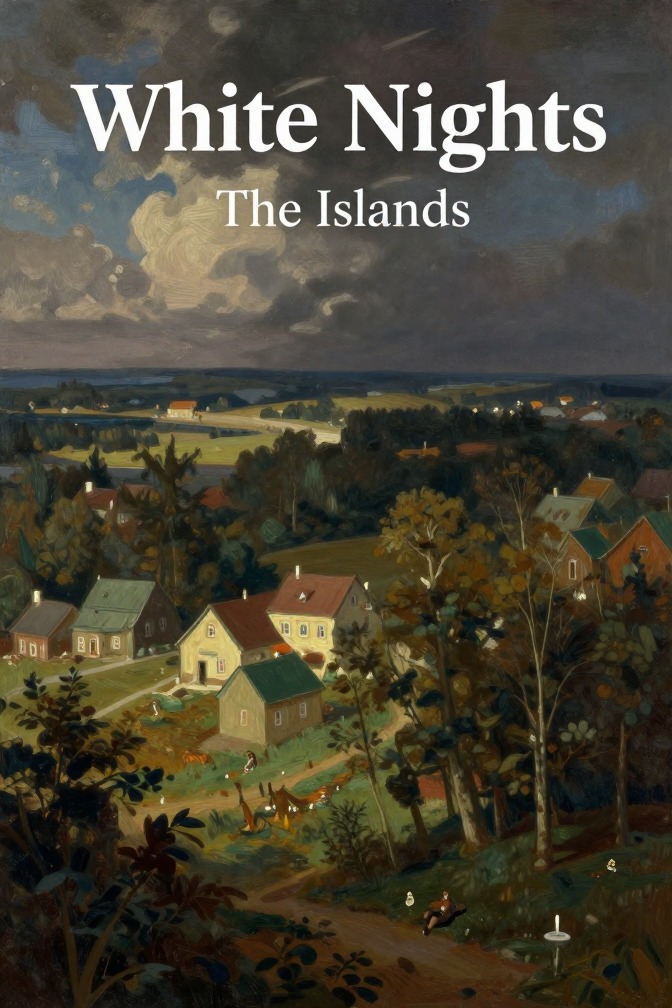
The Islands are a summer destination outside Petersburg that symbolize escape, leisure, and social distinction, and their seasonal exodus triggers the Dreamer's profound loneliness and sets the stage for his encounter with Nastenka.
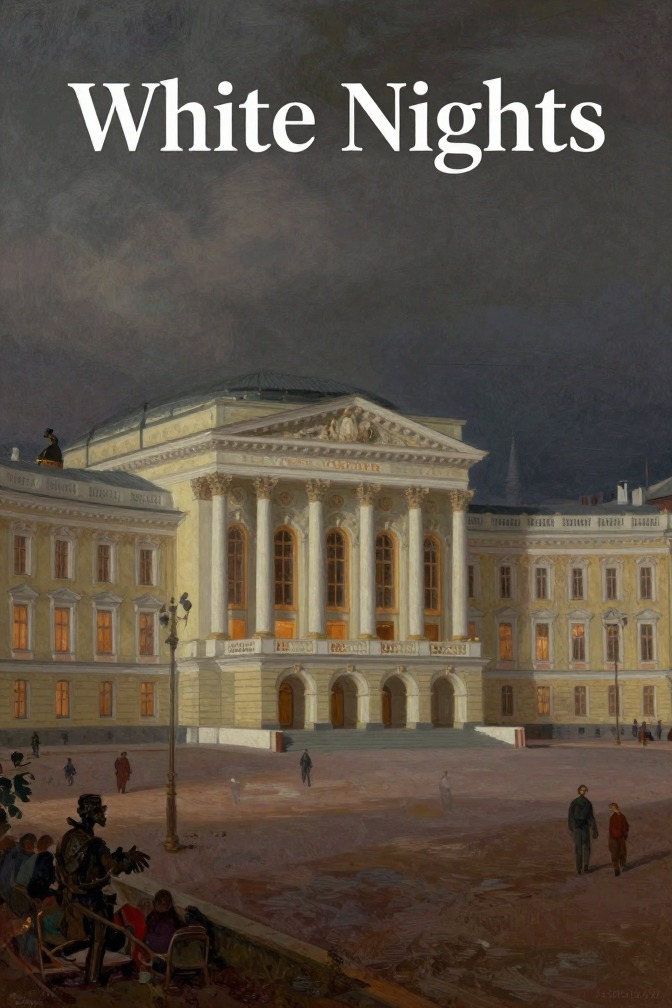
The Theatre is a central location in Fyodor Dostoevsky's "White Nights," serving as the site of Nastenka's first outing with the Lodger and the catalyst for her romantic awakening, as well as a recurring symbol of the cultural and emotional life that the Dreamer and Nastenka long for.
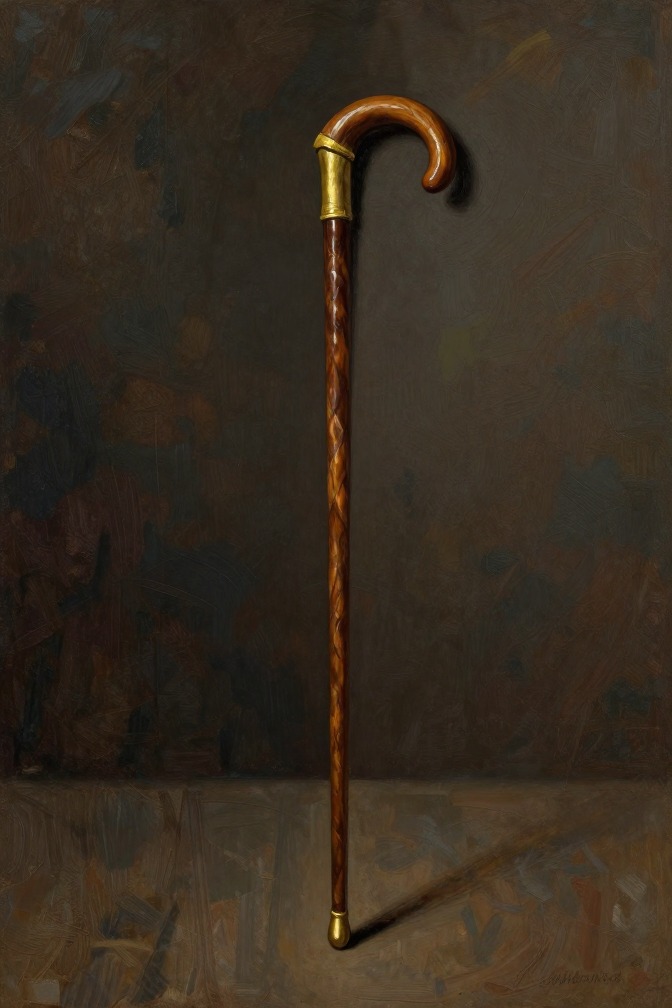
The knotted stick is a seemingly minor object in Fyodor Dostoevsky's "White Nights" that serves as a decisive instrument of intervention, a symbol of the Dreamer's latent agency, and a recurring motif linking the story's key moments of protection, confession, and domestic life.
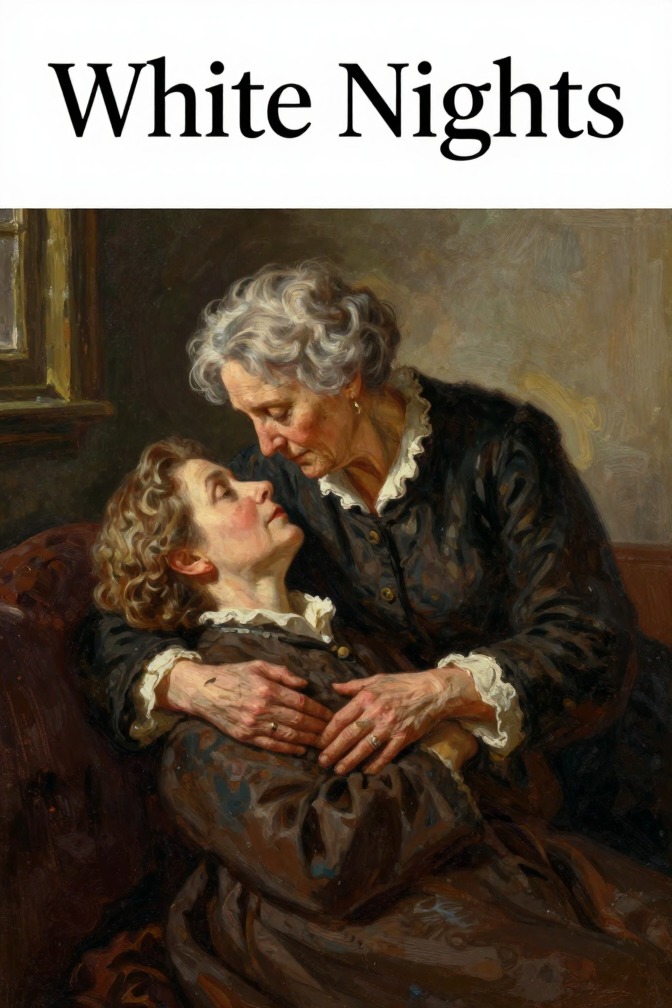
Pinned to grandmother is the central physical and social constraint governing Nastenka's life in Fyodor Dostoevsky's "White Nights." It is a literal arrangement in which her blind grandmother fastens Nastenka's dress to her own with a pin, confining the seventeen-year-old girl to her side for years and shaping her longing for freedom, her secret romance with the Lodger, and her eventual rebellion.