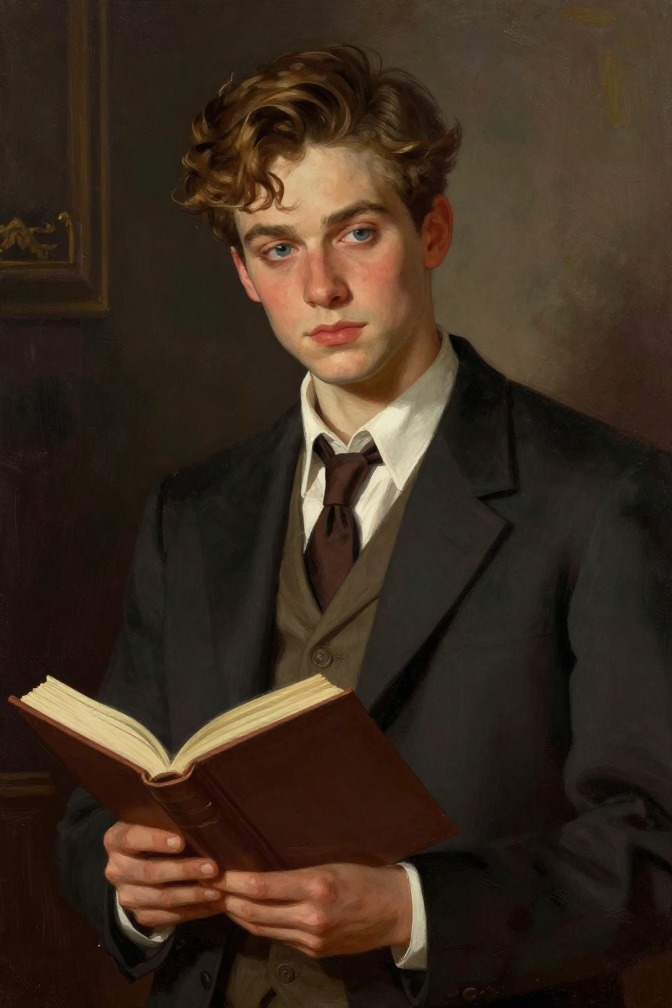
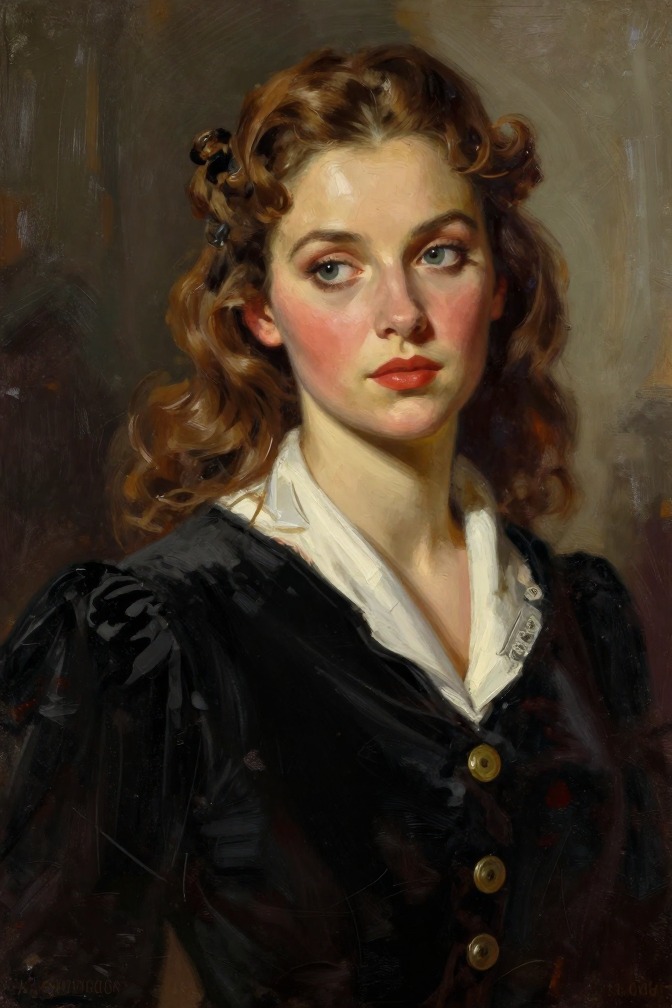
A Young Collector is a minor but symbolically charged character in Tennessee Williams's A Streetcar Named Desire, whose brief encounter with Blanche DuBois in Scene Five crystallizes her desperate, predatory romanticism and her pattern of seeking validation through fleeting, illicit intimacies with much younger men.
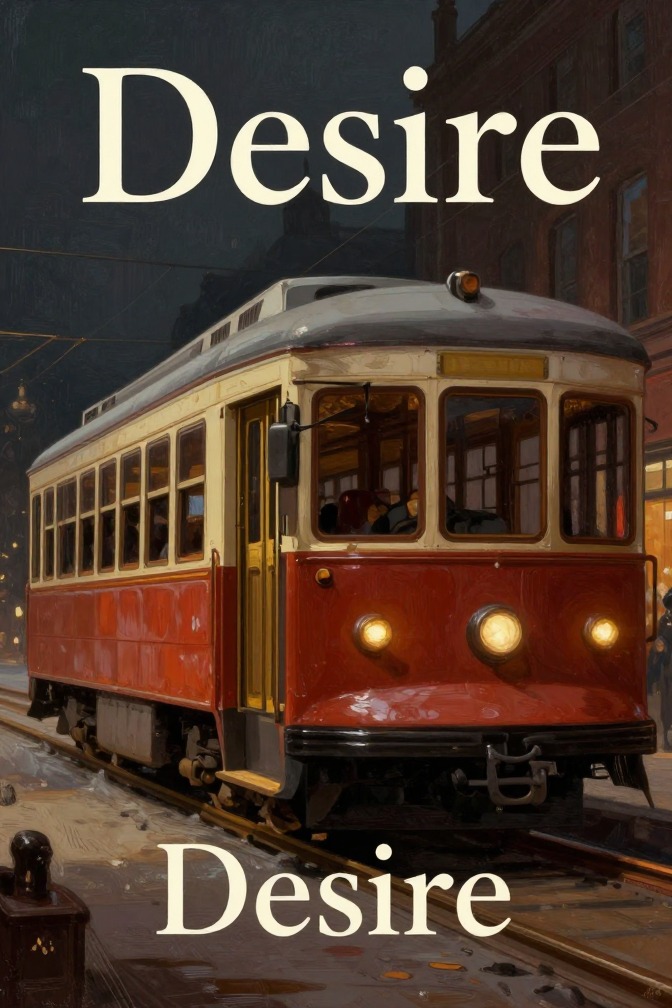
Desire is the name of the streetcar line that Blanche DuBois rides to reach her sister's home in New Orleans, and it becomes the central metaphor of the play for the raw, uncontrollable sexual and emotional forces that drive the characters toward both connection and destruction.
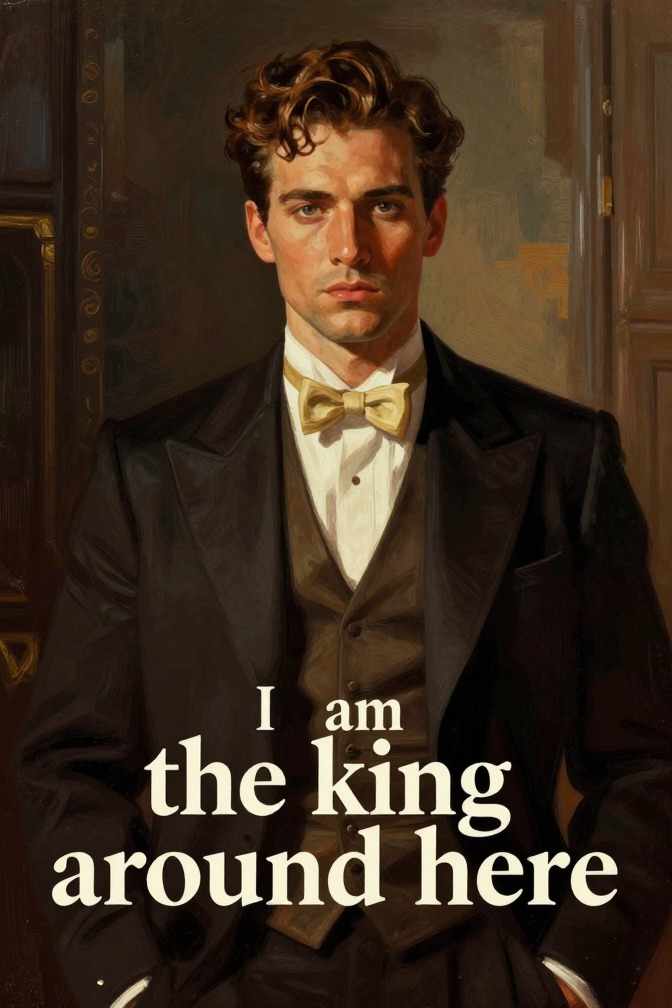
Stanley Kowalski's declaration "I am the king around here" is a pivotal expression of his territorial dominance and patriarchal authority within the Kowalski household, crystallizing the power struggle between his raw, animalistic force and Blanche DuBois's fragile, aristocratic pretensions. The line, delivered during a violent outburst at the birthday supper, marks the climax of Stanley's assertion of control over his wife Stella and her sister, and it resonates with the play's broader themes of class conflict, sexual politics, and the brutal reordering of domestic space in the French Quarter of New Orleans.
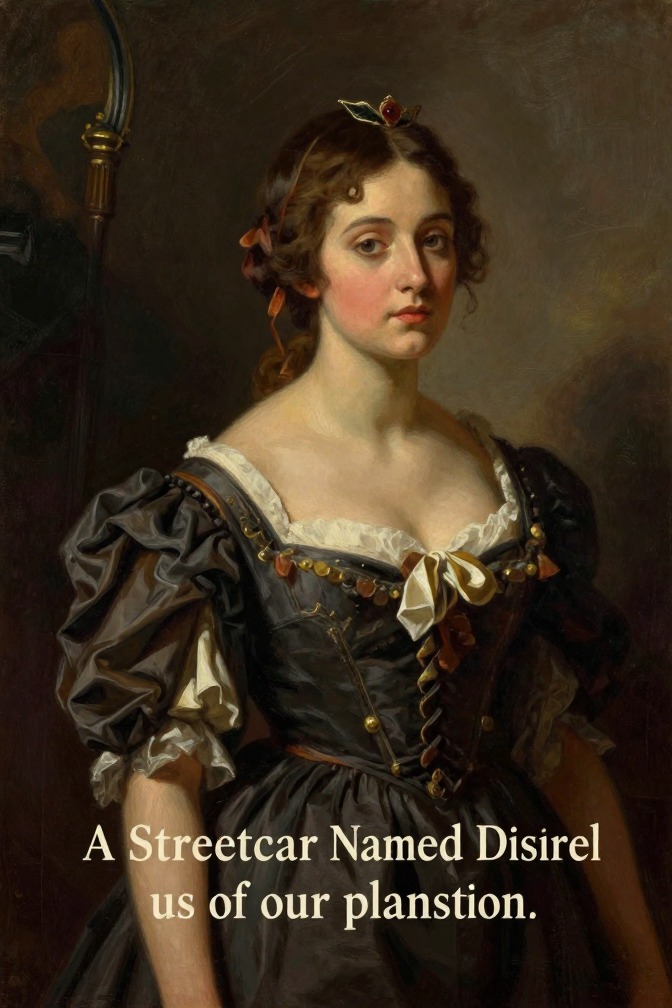
The phrase "the four-letter word deprived us of our plantation" is Blanche DuBois's blunt, bitter explanation for the loss of the family estate, Belle Reve, in Tennessee Williams's A Streetcar Named Desire. It encapsulates her view that the plantation was squandered by generations of DuBois men who traded land for sexual indulgence, and it crystallizes the play's central conflict between the decaying Old South gentility and the raw, sexual, working-class world represented by Stanley Kowalski.
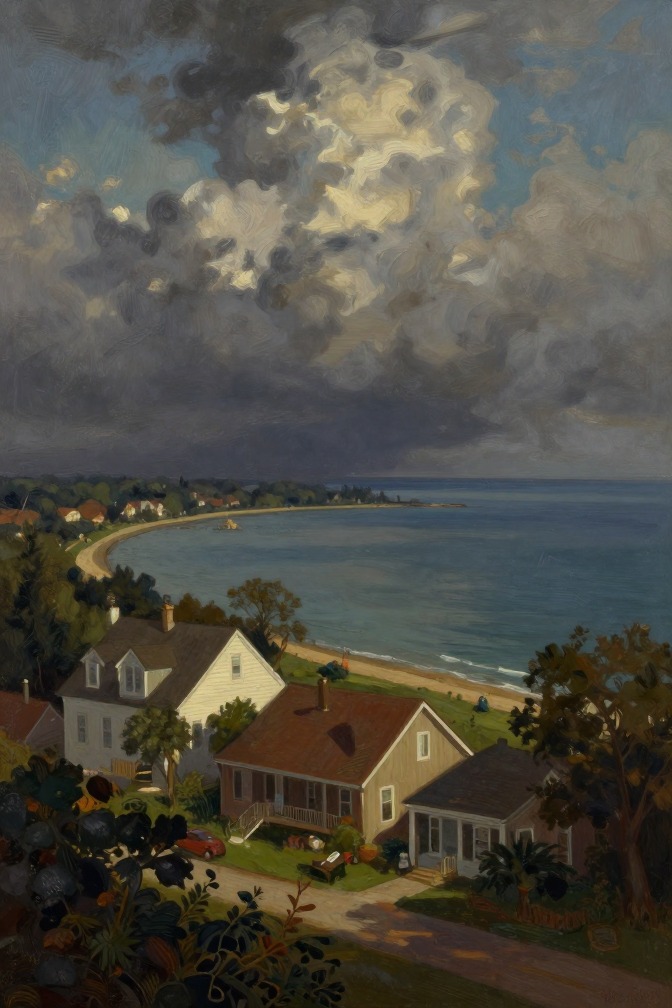
Lake Pontchartrain is the New Orleans lakefront setting for Blanche DuBois and Harold Mitchell's date, the site of their first kiss, and the location of Moon Lake Casino, where the Varsouviana polka played on the night of Allan Grey's suicide, making the lake a recurring locus of romantic hope and traumatic memory.
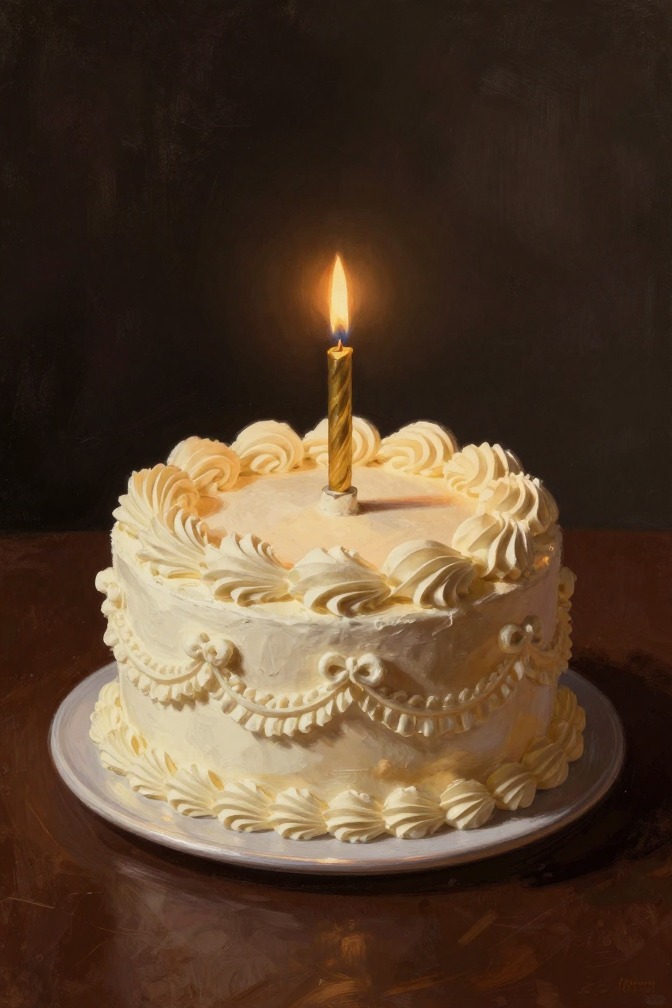
The birthday cake in A Streetcar Named Desire is a white cake with pink candles that Stella prepares for Blanche's birthday supper in Scene Seven, serving as a bitterly ironic symbol of celebration, hope, and the final collapse of Blanche's illusions.
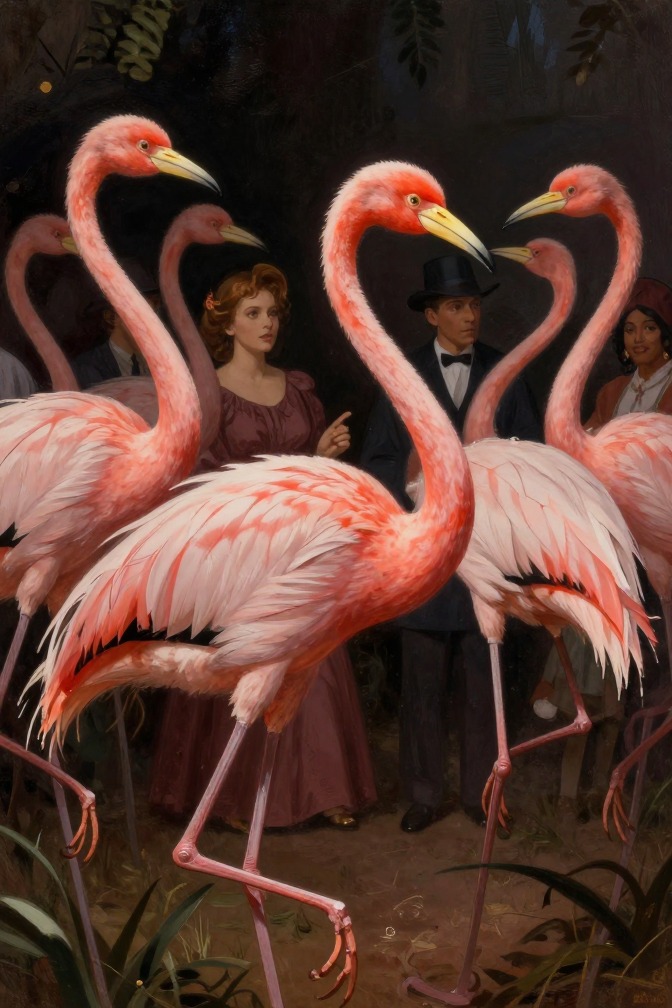
The Flamingo is a second-class hotel in Laurel, Mississippi, where Blanche DuBois stayed after losing Belle Reve, and whose management eventually asked her to leave due to her conduct; it becomes a key piece of evidence in Stanley Kowalski's campaign to destroy her reputation.
1966 was a year of significant professional activity for Tennessee Williams, marked by the Broadway failure of *Slapstick Tragedy* and the publication of a novella and stories collection, *The Knightly Quest*, while the enduring cultural presence of *A Streetcar Named Desire* continued to shape theatrical and literary discourse.
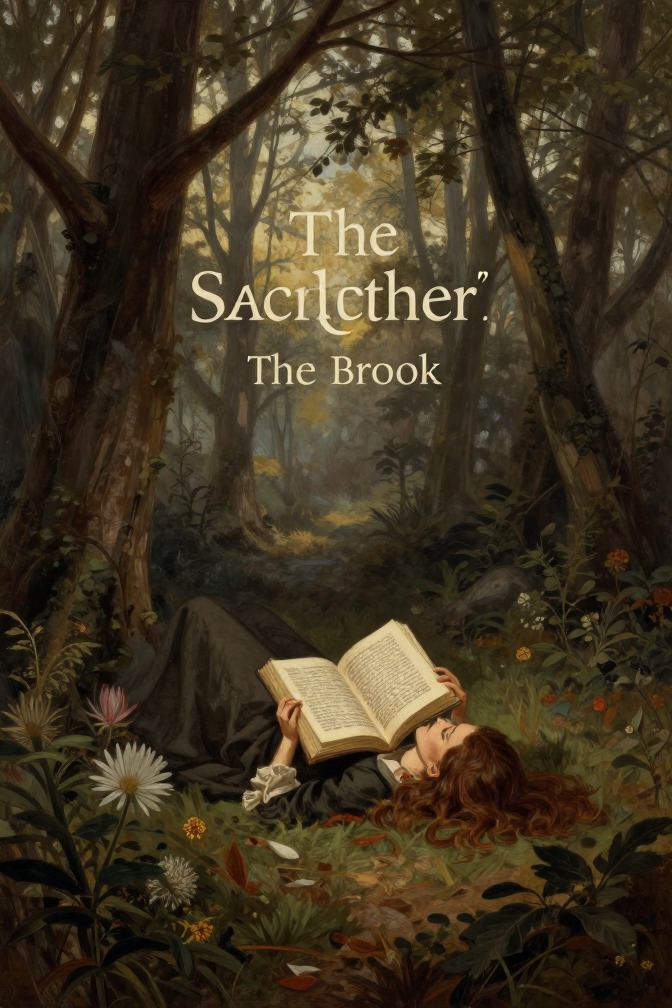
The Brook is a natural feature in the forest near Boston that serves as a symbolic boundary between the world of sin and the world of innocence, and as a mirror reflecting the characters' inner states. It is the site of Pearl's refusal to cross to her mother until Hester resumes the scarlet letter, and its melancholy murmur echoes the sorrow of the characters' lives.
The Meteor is a celestial phenomenon that appears during Arthur Dimmesdale's midnight vigil on the scaffold, taking the shape of a vast, dull red letter 'A' that the minister interprets as a divine revelation of his hidden sin, while the townspeople later read it as a sign of Governor Winthrop's angelic ascension, embodying the novel's central tension between subjective guilt and public interpretation.
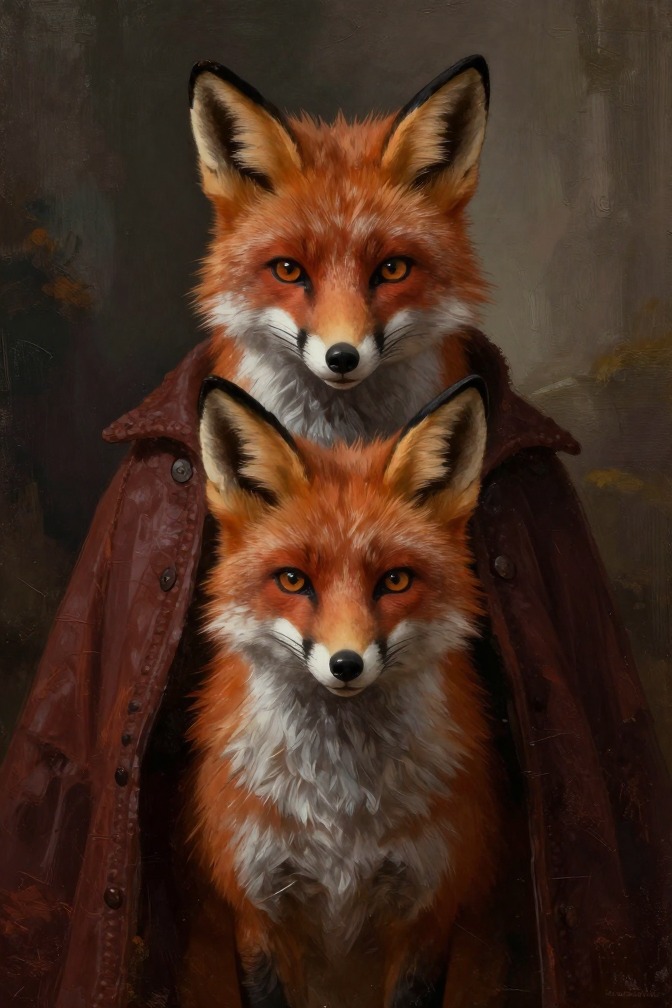
The Fox appears briefly but symbolically in The Scarlet Letter, a wild creature of the forest that interacts with Pearl during her mother's meeting with Arthur Dimmesdale. Its presence underscores the child's kinship with the untamed natural world and her separation from the human community.
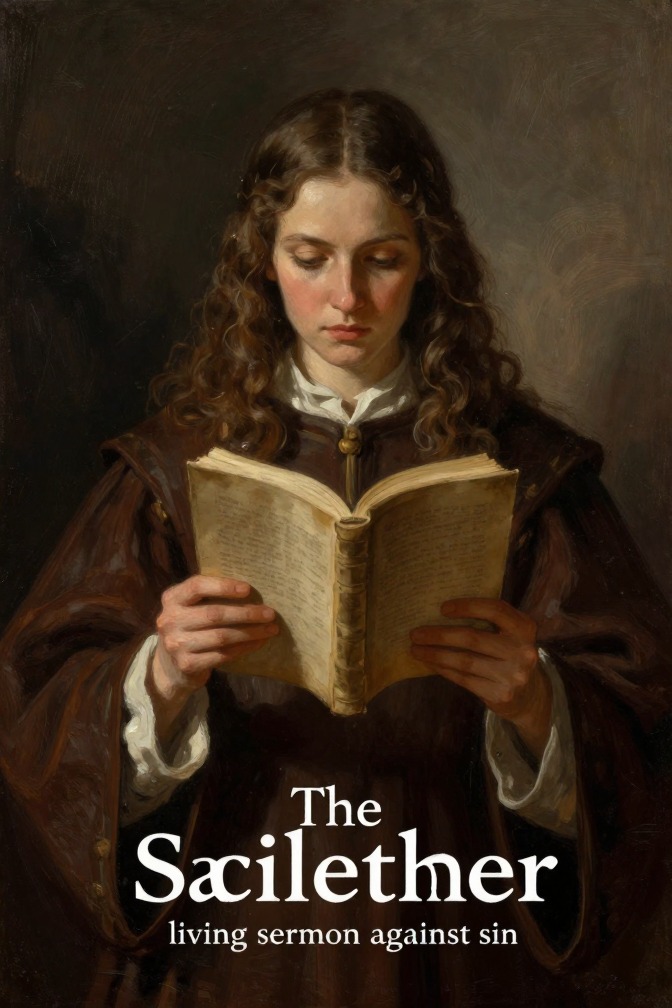
The phrase "a living sermon against sin" is a description of Hester Prynne's punishment, spoken by Roger Chillingworth in the marketplace, and it encapsulates the Puritan intention that her scarlet letter and public shame serve as a perpetual, embodied warning to the community. This expression becomes a central, ironic motif in the novel, as Hester's life and the symbol itself evolve far beyond the simple didactic purpose Chillingworth envisioned, ultimately transforming into a complex emblem of identity, resilience, and social critique.
Walden Pond is a location in the autobiographical frame of Nathaniel Hawthorne's "The Scarlet Letter," mentioned in the Custom-House sketch as the site of Thoreau's hermitage, where Hawthorne once talked with him about pine-trees and Indian relics, representing a past life of intellectual and imaginative freedom that contrasts with the stifling atmosphere of the Custom-House.
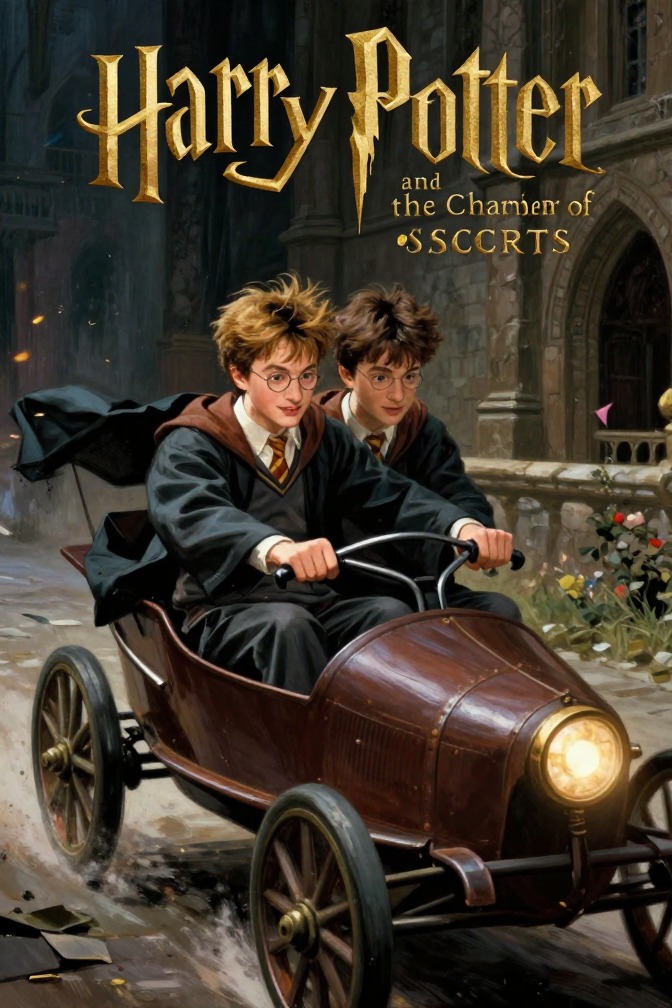
The Flying Car Rescue is the pivotal event in Harry Potter and the Chamber of Secrets where Ron Weasley, along with his twin brothers Fred and George, flies their father's enchanted Ford Anglia to 4 Privet Drive to rescue Harry from the Dursleys' imprisonment. This daring act not only frees Harry from his abusive relatives but also sets off a chain of consequences that includes a crash into the Whomping Willow, a near-expulsion, and the revelation of Arthur Weasley's illegal car enchantment, ultimately shaping the entire second year at Hogwarts.
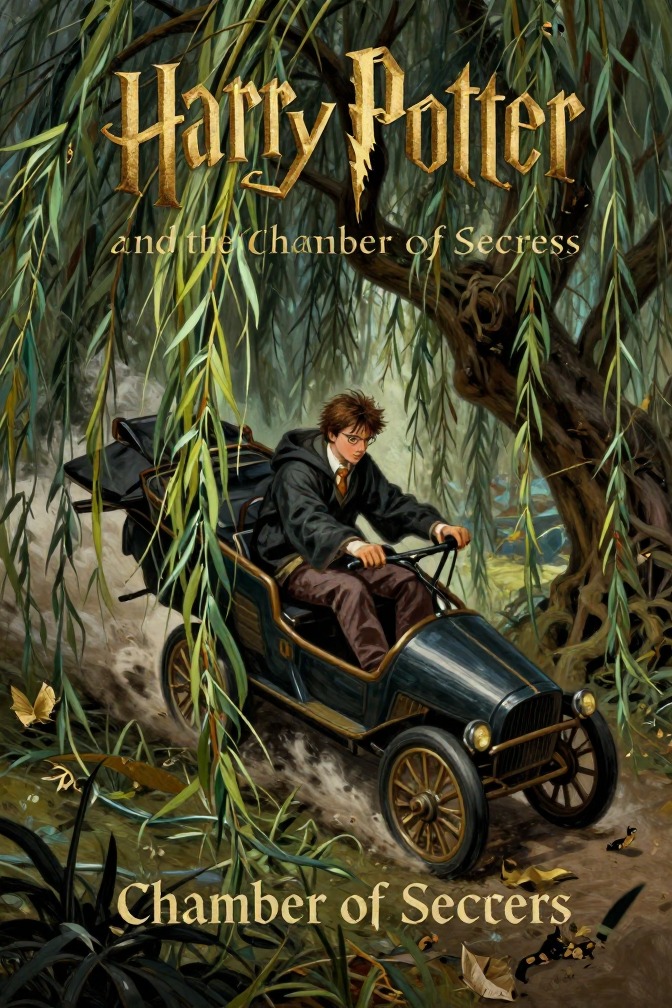
The crash of the flying Ford Anglia into the Whomping Willow is a pivotal event in Harry Potter and the Chamber of Secrets, marking the dramatic and disastrous conclusion of Harry and Ron's unauthorized flight to Hogwarts. This incident not only destroys Ron's wand and strands the boys at the school, but it also triggers a series of consequences: they are caught by Severus Snape, face disciplinary action from Professors McGonagall and Dumbledore, and their actions become known throughout the school, setting the tone for their troubled second year.
Alicia Spinnet is a fourth-year Gryffindor student and one of the three Chasers on the Gryffindor Quidditch team, known for her skill and dedication. She plays a supporting but consistent role in the events of Harry Potter's second year, participating in team practices, matches, and the tense atmosphere following the attacks on students.
Argus Filch is the caretaker of Hogwarts School of Witchcraft and Wizardry, a bitter and vindictive Squib who polices the castle's corridors with his cat Mrs. Norris. His hatred of students, his secret shame about his lack of magical ability, and his role in the Chamber of Secrets crisis make him a key figure in Harry Potter's second year.
Arthur Weasley is the head of the Weasley family, a warm-hearted but financially struggling wizard who works at the Misuse of Muggle Artifacts Office in the Ministry of Magic. His fascination with Muggles and his secret enchantment of a flying Ford Anglia drive much of the book's early plot, while his professional troubles and his family's loyalty become central to the story's conflicts and resolutions.
The Bloody Baron is the gaunt, silver-bloodstained ghost of Slytherin House at Hogwarts, whose fearsome reputation and spectral authority enforce a strict hierarchy among the castle's ghosts, and whose silent, commanding presence underscores the dark legacy of Salazar Slytherin.
Fred Weasley is one of Ron Weasley's elder twin brothers, a Gryffindor Beater on the Quidditch team, and a central figure in the Weasley family's chaotic, loving household. He is defined by his irrepressible humor, his talent for mischief and invention, and his unwavering loyalty to his family and friends, particularly Harry Potter.
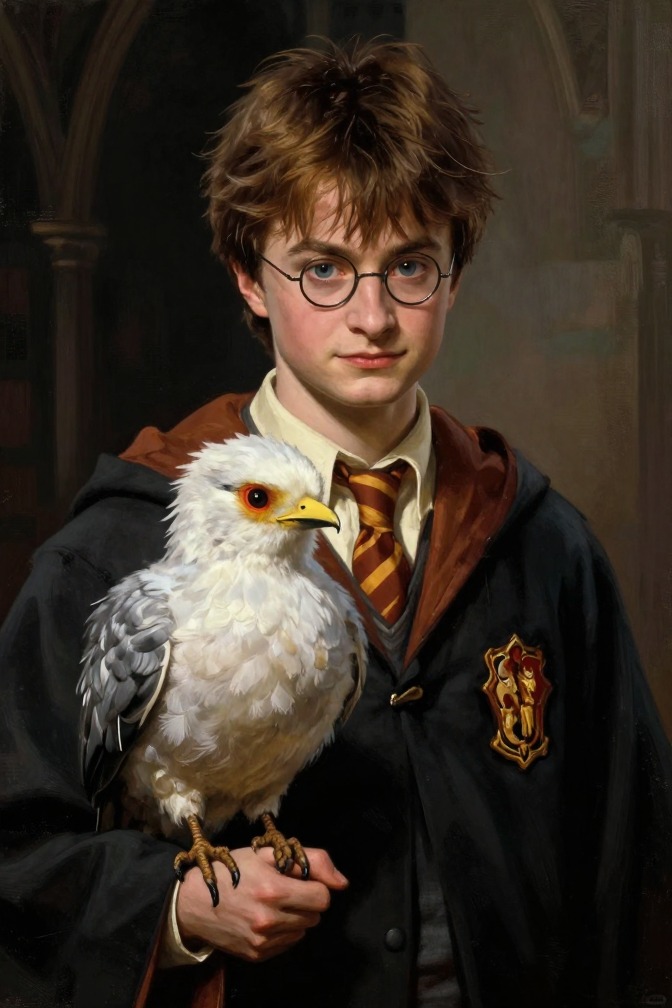
Hedwig is Harry Potter's loyal snowy owl, a gift from Rubeus Hagrid for his eleventh birthday. Throughout Harry Potter and the Chamber of Secrets, she serves as his primary link to the wizarding world, enduring confinement and mistreatment at the Dursleys', participating in his rescue, and accompanying him on his adventures, including the dramatic flight to Hogwarts and the battle against the basilisk.
Scabbers is Ron Weasley's pet rat, a fat, gray, and lazy rodent who sleeps in patches of sun and is often carried by Ron. Though seemingly a minor animal companion, Scabbers is a key figure in the wizarding world's economy of poverty and wealth, and his presence in the narrative foreshadows deeper mysteries.
Sir Patrick Delaney-Podmore is the leader of the Headless Hunt, a ghostly equestrian troupe that appears at Nearly Headless Nick's five-hundredth deathday party. He embodies the cruel, exclusionary standards of the ghostly elite, rejecting Nick's membership application because Nick's head remains attached by a half-inch of skin and sinew. His boisterous, mocking behavior at the party humiliates Nick and highlights the social hierarchies that persist even among the dead.
Centaurs are intelligent, half-human, half-horse beings who inhabit the Forbidden Forest at Hogwarts. They are skilled in astronomy and divination, possess their own complex society and code of honor, and maintain a wary, often hostile, distance from humans, whom they consider inferior. In Harry Potter and the Chamber of Secrets, they are mentioned as a positive presence in the forest, but their deeper significance lies in their role as a non-human species that, like house-elves, reveals the wizarding world's hierarchies and prejudices.
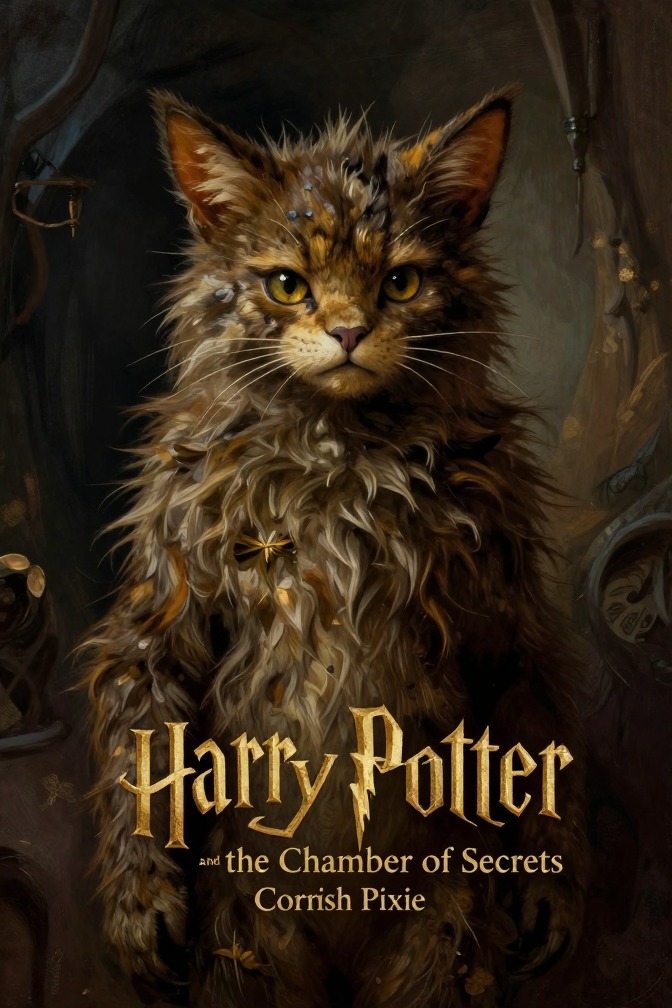
Cornish Pixies are electric-blue, eight-inch-high magical creatures introduced in Harry Potter and the Chamber of Secrets during Gilderoy Lockhart's disastrous Defense Against the Dark Arts class. Their chaotic release in the classroom, which Lockhart proves utterly unable to control, serves as a key early demonstration of his incompetence and fraudulence, contrasting sharply with his self-proclaimed heroic reputation.
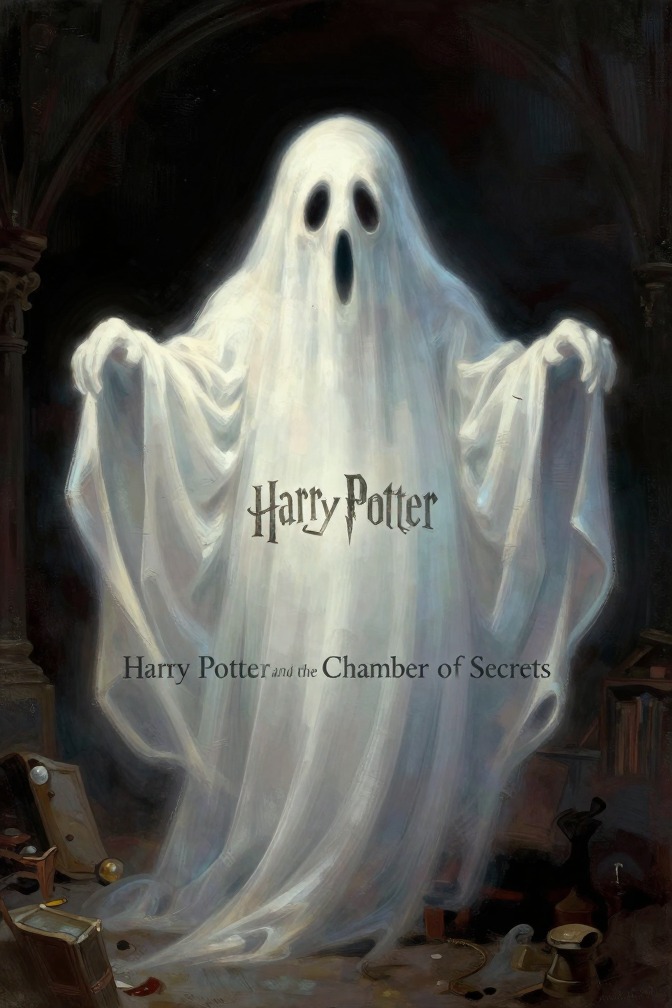
Ghosts are a pervasive and integral presence at Hogwarts School of Witchcraft and Wizardry, embodying the school's layered history and its unresolved past. They serve as witnesses, guides, and comic relief, while also reflecting themes of death, memory, and the limits of the afterlife. The ghost community, from the aristocratic Nearly Headless Nick to the tragic Moaning Myrtle, enriches the castle's atmosphere and plays crucial roles in the plot, from the Deathday Party to the revelation of the Chamber of Secrets.
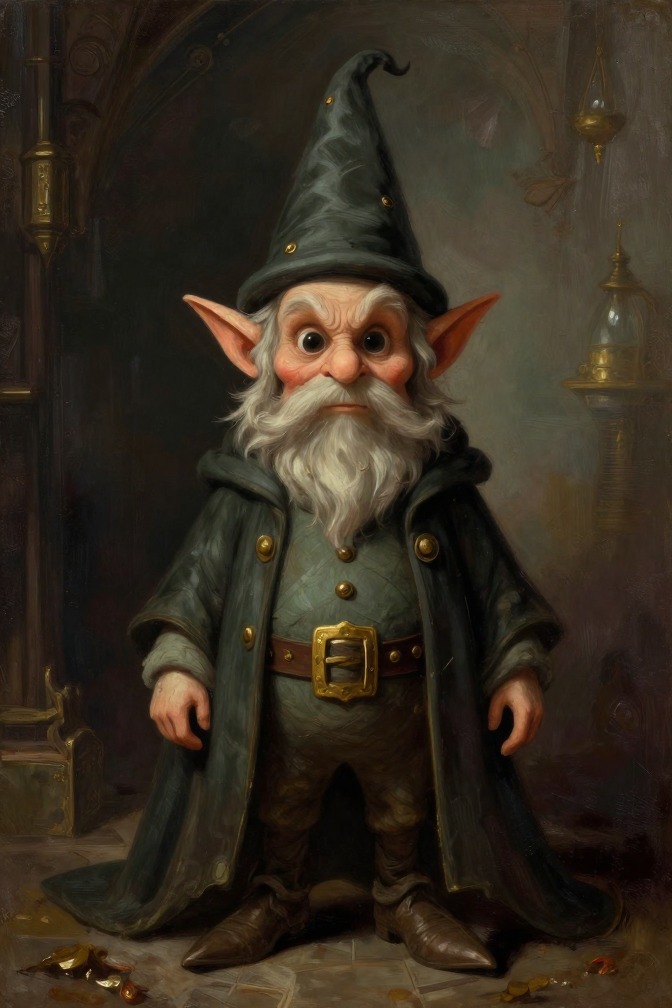
House-elves are a species of magical beings bound to serve one wizarding family for life, a condition that can only be broken by receiving clothes from their masters. In Harry Potter and the Chamber of Secrets, the house-elf Dobby introduces this system of servitude, first as a warning to Harry and later as a figure whose liberation through a sock becomes a central act of the story's resolution.
Vampires are a recurring creature type in the wizarding world, appearing in the second-year curriculum through Gilderoy Lockhart's books and in the historical lore of the Chamber of Secrets, where they are associated with Dark magic and the persecution of Muggle-borns.
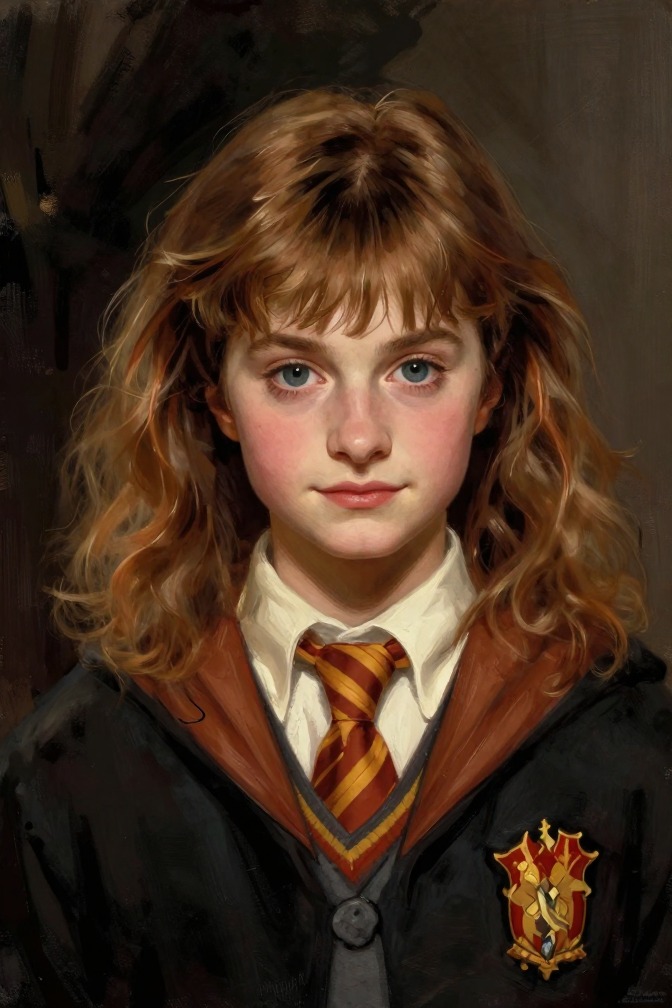
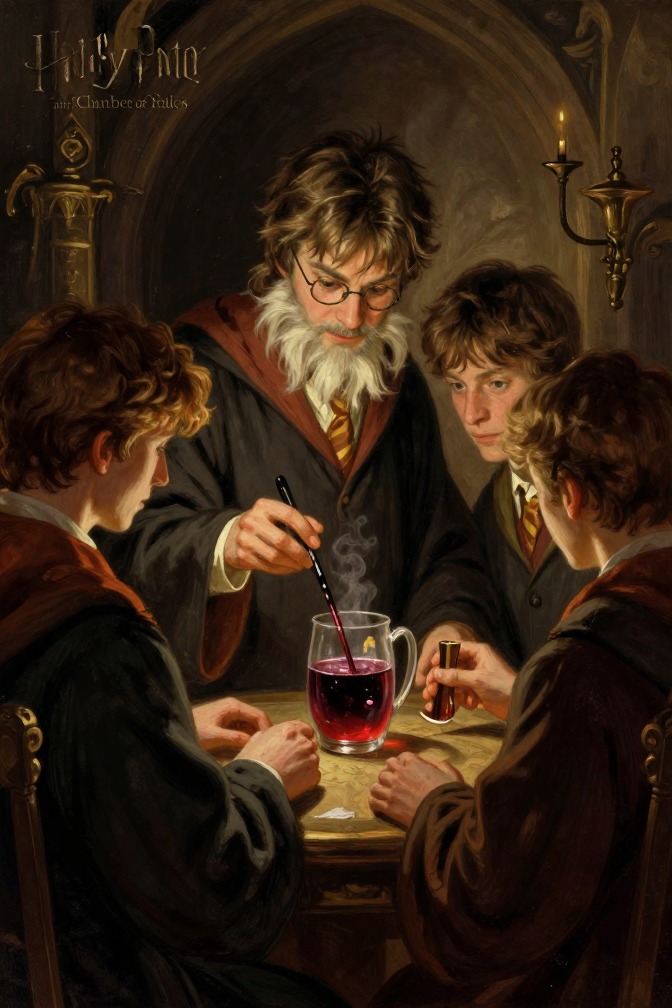
The Mandrake Draught Restoration is the pivotal event in Harry Potter and the Chamber of Secrets where the Mandrakes, cultivated by Professor Sprout, reach maturity and are used to brew a potion that revives all the Petrified victims, including Hermione Granger, Colin Creevey, Justin Finch-Fletchley, and Mrs. Norris. This event marks the resolution of the mystery's immediate consequences, restores hope to the school, and sets the stage for the final confrontation with the Heir of Slytherin.
The Visit to Aragog is a pivotal event in Harry Potter and the Chamber of Secrets where Harry and Ron, following Hagrid's cryptic hint, venture into the Forbidden Forest and encounter Aragog, a giant Acromantula. This encounter reveals Hagrid's innocence in the Chamber's opening fifty years ago and provides crucial information about the monster's nature, setting the stage for the final confrontation.