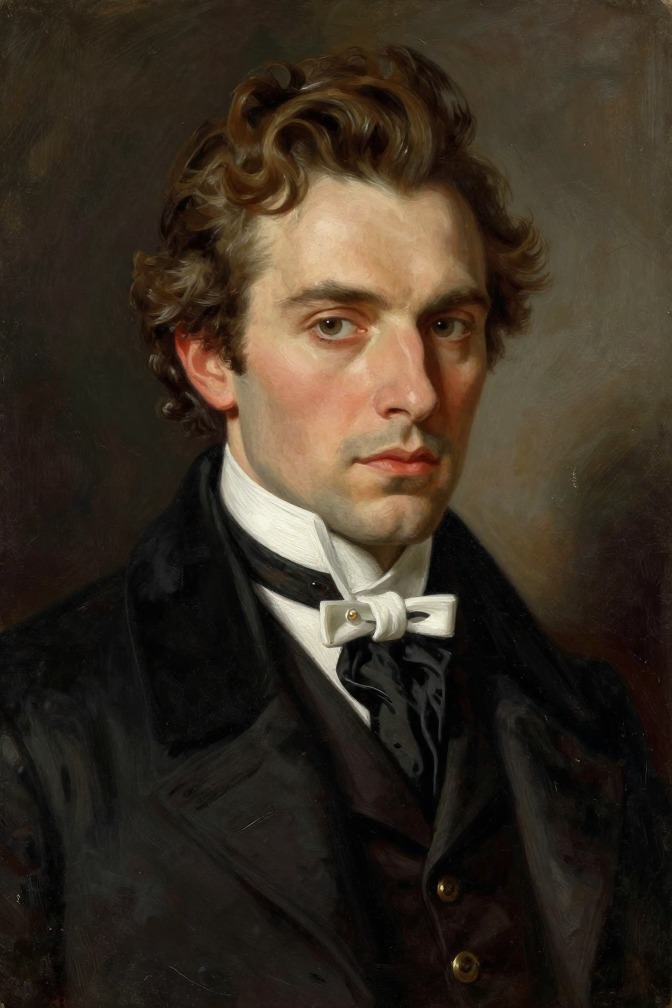
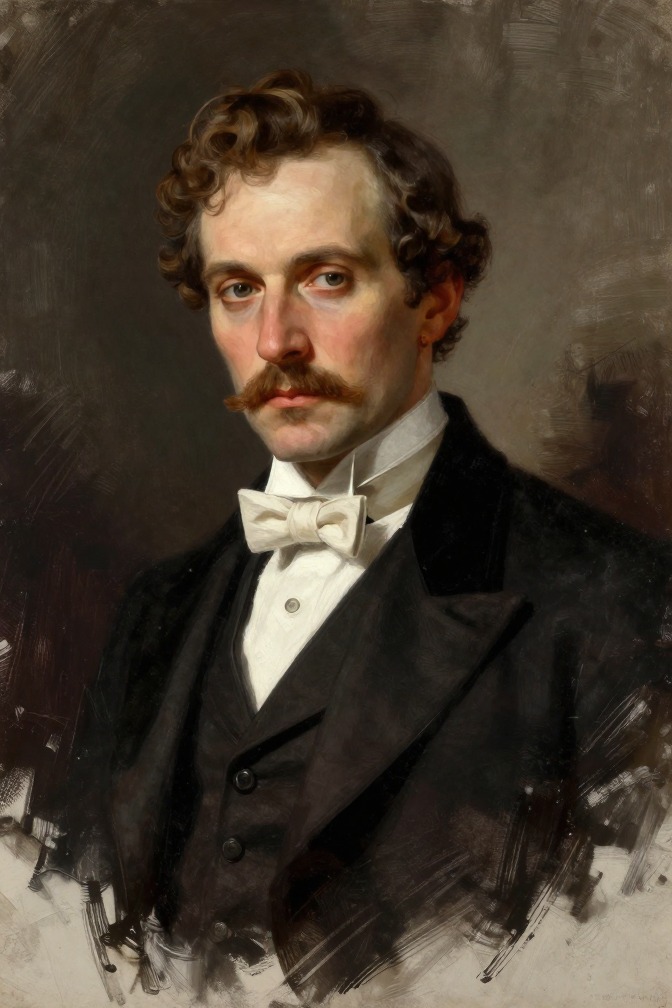
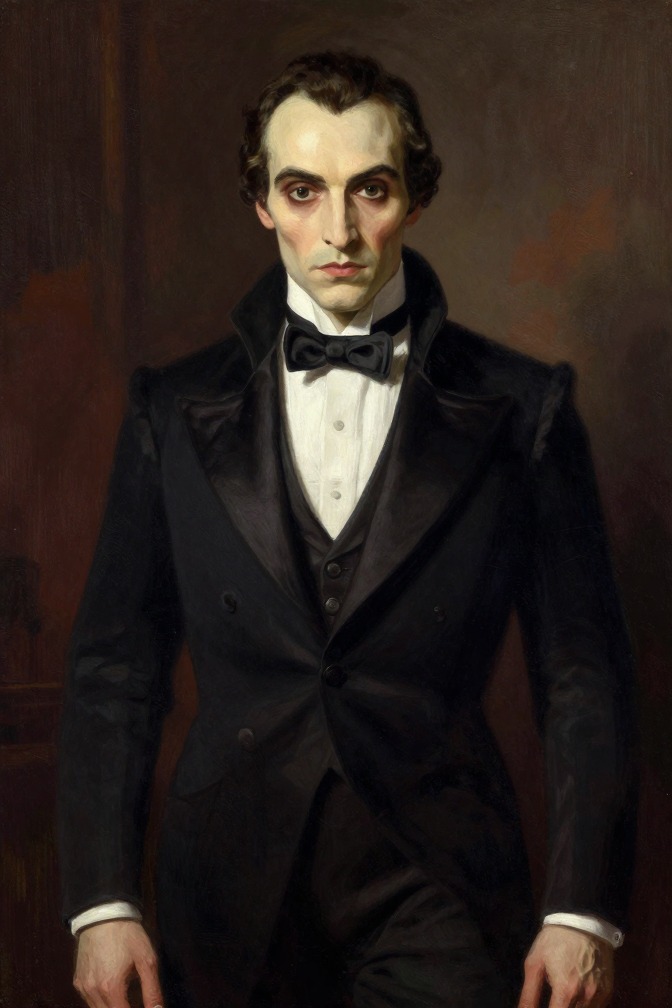
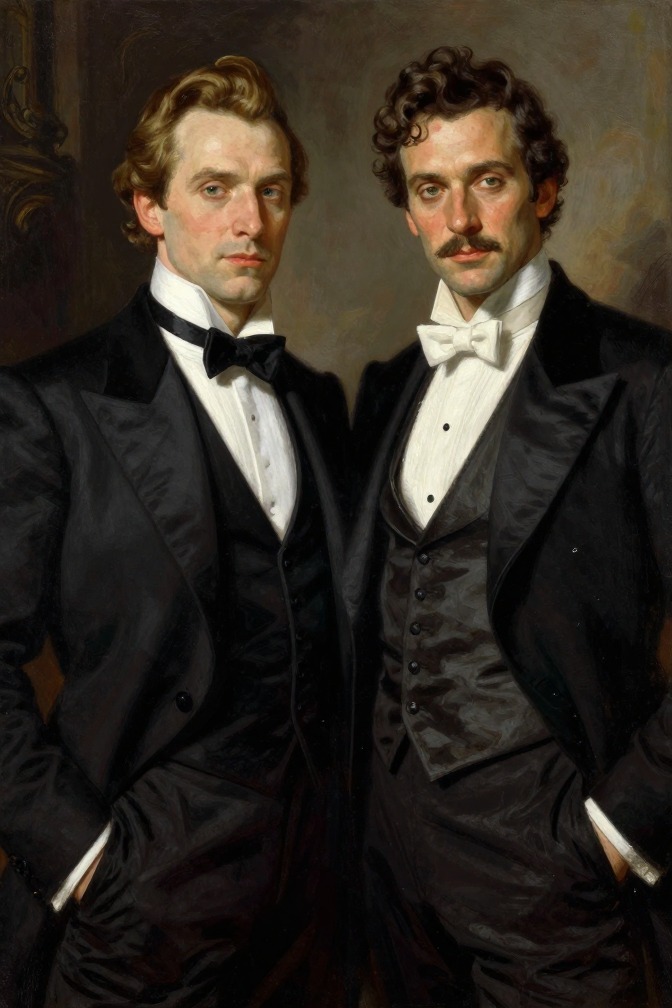
Armand Moncharmin is one of the two joint managers of the Paris Opera House who succeed MM. Debienne and Poligny, and whose skeptical, rationalist attempts to expose the Opera Ghost as a hoax become the novel's central comic and investigative thread. A wealthy, musically ignorant socialite who admits he cannot tell one key from another, Moncharmin partners with the composer Firmin Richard, and together they endure a series of humiliating supernatural pranks—culminating in the theft of twenty thousand francs from Richard's coat pocket despite a safety-pin—that ultimately force them to accept the ghost's reality.
Carlotta is the Spanish prima donna of the Paris Opera whose celebrated voice is publicly shattered by the Opera Ghost during a performance of Faust, an event that precipitates her professional collapse and Christine Daae's rise.
M. Poligny is one of the two retiring managers of the Paris Opera House who, along with his colleague M. Debienne, bequeaths the mystery of the Opera Ghost to their successors, Firmin Richard and Armand Moncharmin. His tenure is marked by a superstitious deference to the ghost, culminating in his dramatic flight from Box Five during a performance of La Juive, an incident that cements the ghost's authority over the opera house and sets the stage for the novel's central conflicts.
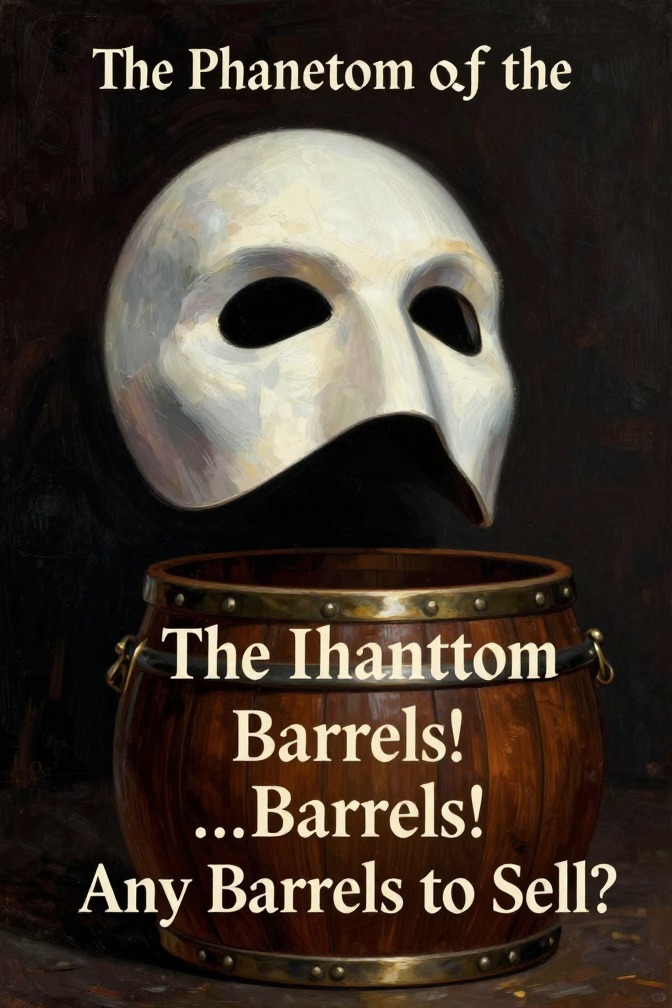
Barrels!...Barrels!...Any Barrels to Sell? is a recurring street cry in Gaston Leroux's The Phantom of the Opera that becomes a haunting motif within the Persian's narrative of the torture-chamber ordeal. First heard as a distant, monotonous chant while the Persian and Raoul de Chagny are trapped in Erik's underground cellar, the phrase transforms from an ordinary Parisian vendor's call into a sinister leitmotif of the gunpowder barrels that threaten to blow up the entire Opera. Its final echo, heard just as the two men are drowning in the flooded torture-chamber, marks the boundary between consciousness and oblivion, and its association with the powder magazine reveals the full scale of Erik's murderous design.
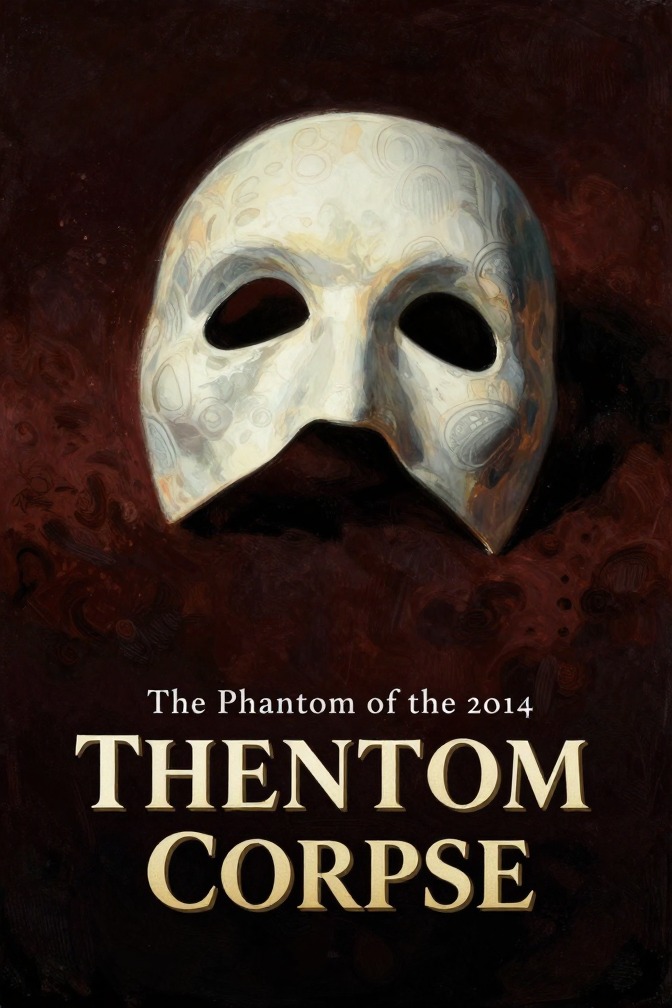
The Living Corpse is the epithet Erik, the Opera Ghost, uses to describe himself in Gaston Leroux's The Phantom of the Opera, encapsulating his tragic condition as a man whose body is a walking death. The phrase first appears in Erik's own mouth during his confession to Christine Daae, when he declares that he is 'built up of death from head to foot' and that 'it is a corpse that loves you.' It later resurfaces in the Persian's account of Erik's early life, where the showman exhibited him as the 'living corpse' at fairs. The term crystallizes the novel's central paradox: a being of extraordinary genius and capacity for love, condemned by his ugliness to a life outside humanity, who can only experience love and tenderness through the lens of death.
The Bois de Boulogne is a Parisian park that becomes the setting for a pivotal, secretive encounter between Christine Daae and Erik, witnessed by Raoul de Chagny, revealing Christine's mysterious captivity and deepening the novel's central love triangle.
Erik's Organ is the massive pipe organ installed in the underground house on the lake, serving as both the instrument through which the Angel of Music gives Christine Daae her daily lessons and the medium for Erik's own magnum opus, Don Juan Triumphant. It is the physical anchor of the voice that captivates Christine, the tool of her musical enchantment, and the symbol of Erik's tragic genius—a sublime artistic power housed in a monster's lair.
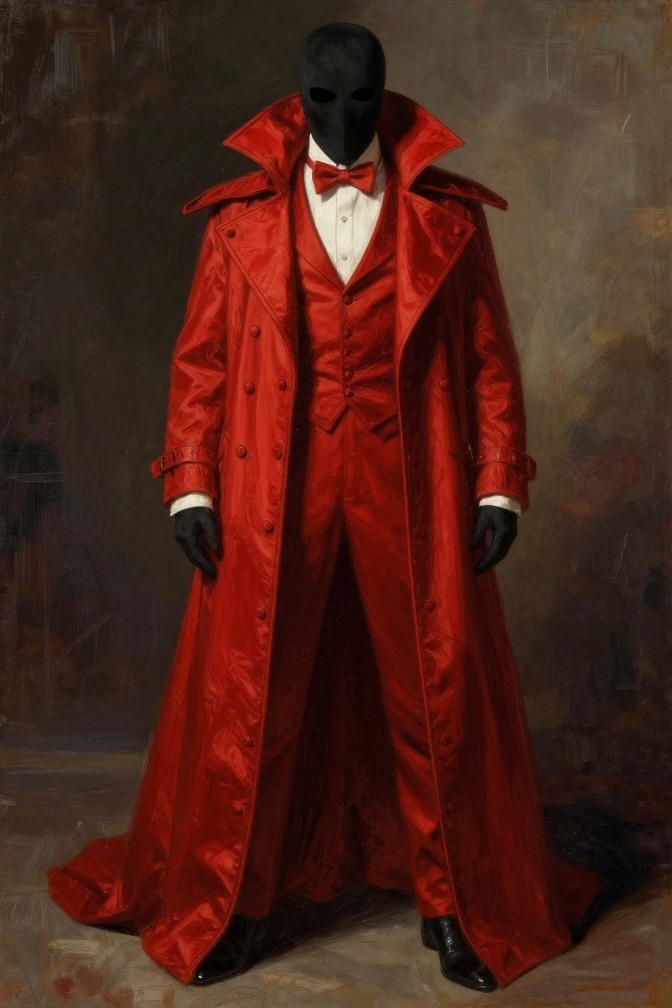
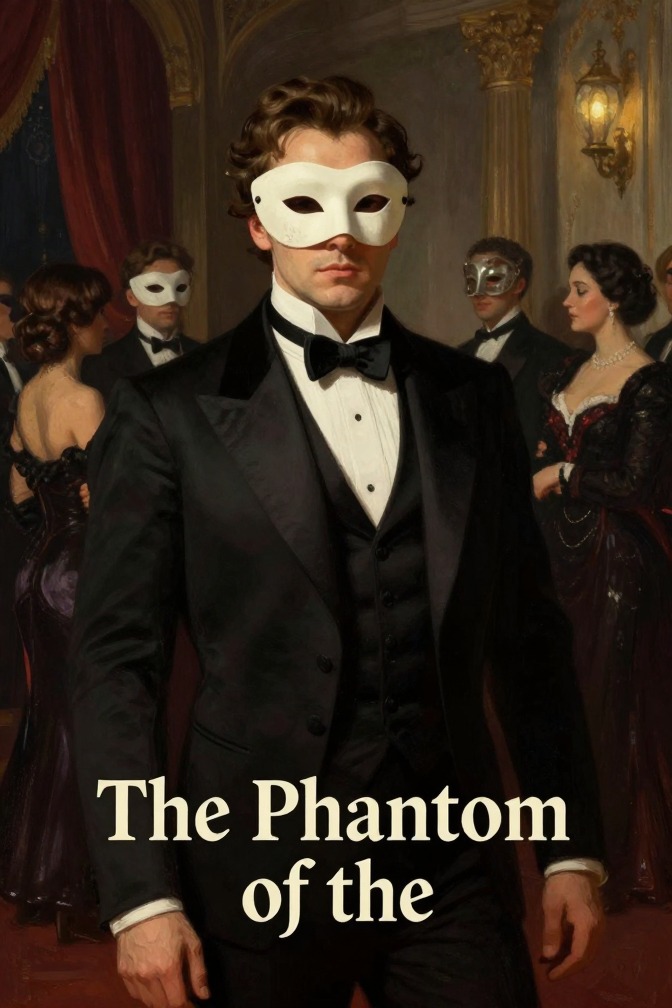
The Red Death Costume is the scarlet, death's-head disguise worn by Erik at the Opera's masked ball, a costume that fuses the carnivalesque with the macabre and becomes a key visual motif linking Erik's spectral identity to the masked ball's revelry and to Raoul's recognition of his rival.
Carlotta and Christine Daae are rival prima donnas at the Paris Opera, whose professional and personal antagonism drives key plot events including Christine's sudden triumph, Carlotta's public humiliation, and the eventual collapse of Carlotta's career.
Christine Daae and her father Daae share one of the most formative relationships in Gaston Leroux's The Phantom of the Opera, a bond that shapes her identity as a singer, her susceptibility to the Angel of Music, and the emotional core of the novel's tragedy. Daddy Daae, a peasant fiddler from Sweden, is both her first music teacher and the source of the legend that ultimately binds her to Erik. His death, his promise to send the Angel of Music from Heaven, and his burial with his violin at Perros-Guirec anchor Christine's spiritual and artistic life, making her father's memory the lens through which she interprets her own miraculous voice and her captivity.
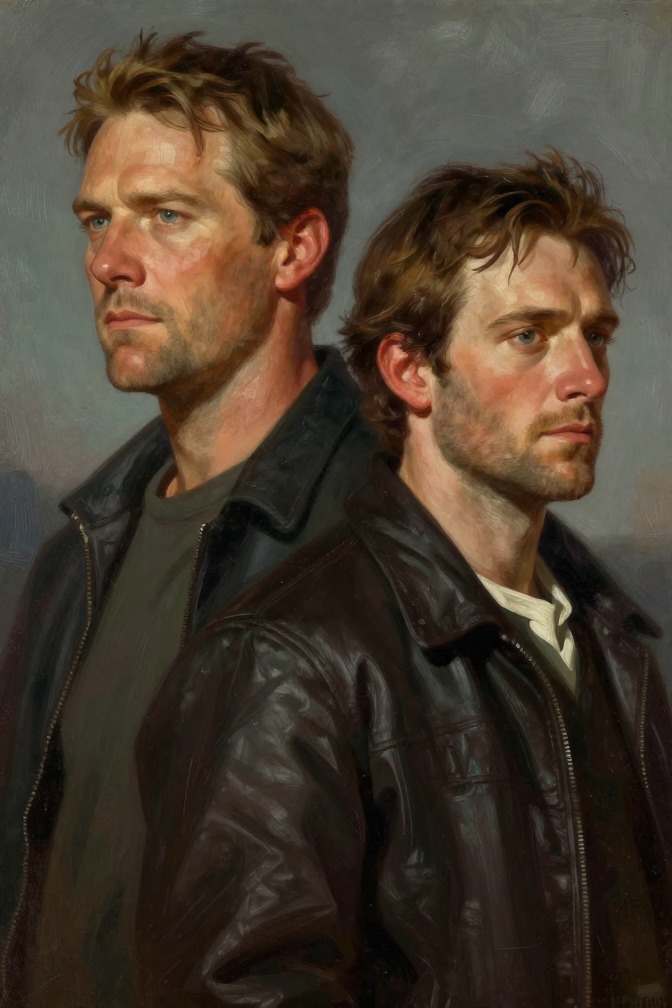
Firmin Richard and Armand Moncharmin are the joint managers of the Paris Opera House who succeed MM. Debienne and Poligny and become the primary human antagonists of the Opera Ghost. Their partnership, formed when Moncharmin, a wealthy amateur, selects Richard as the ideal active manager, is tested by a series of supernatural and financial crises that expose their contrasting temperaments and drive them to mutual suspicion.
The masked ball at the Opera is a pivotal event in Gaston Leroux's The Phantom of the Opera, where Christine Daae secretly meets Raoul de Chagny, revealing the tragic nature of her situation and the looming threat of Erik, the Opera Ghost. This night marks a turning point in their relationship, as Christine's fear and desperation become palpable, and Raoul's jealousy and determination to save her are ignited.
Daisy Wicker is a young woman who works at the Bibelot antique shop in Amity and is revealed to be a lesbian, a fact that becomes a crucial alibi in the escalating personal conflict between Martin Brody and Matt Hooper.
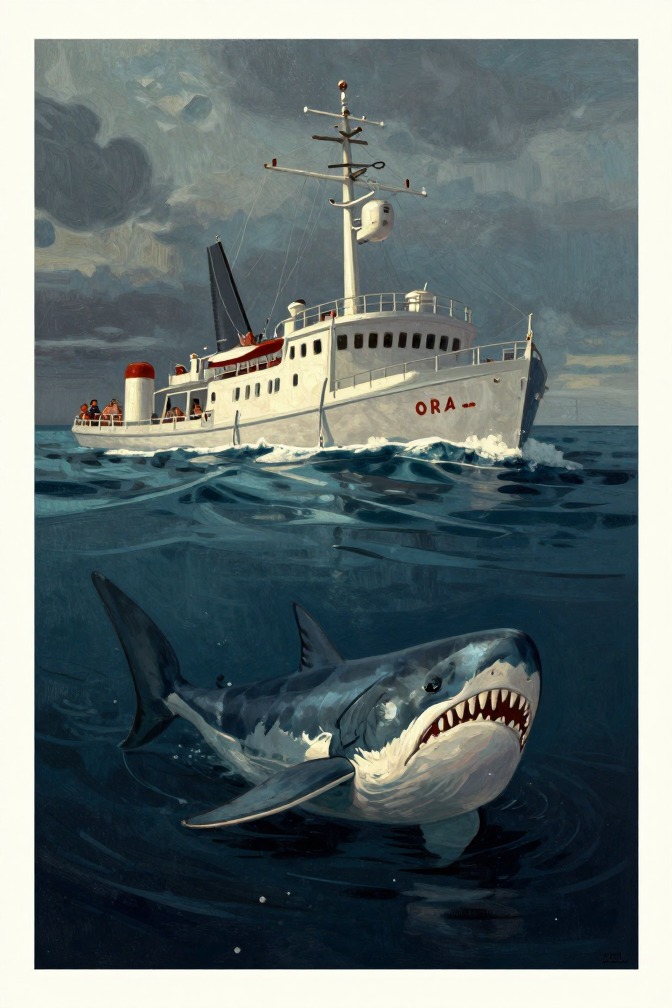
The Sinking of the Orca is the climactic final battle between the great white shark and the men who hunted it, resulting in the destruction of Quint's boat, the death of Quint, and Martin Brody's solitary survival. This event resolves the novel's central conflict through a catastrophic reversal: the hunted becomes the hunter, and the shark's overwhelming power destroys both the vessel and the man who swore to kill it.
White death is the colloquial name for the great white shark, used by Matt Hooper to describe the creature terrorizing Amity, and it encapsulates the novel's central theme of a sublime, unstoppable natural force that defies human understanding and control.
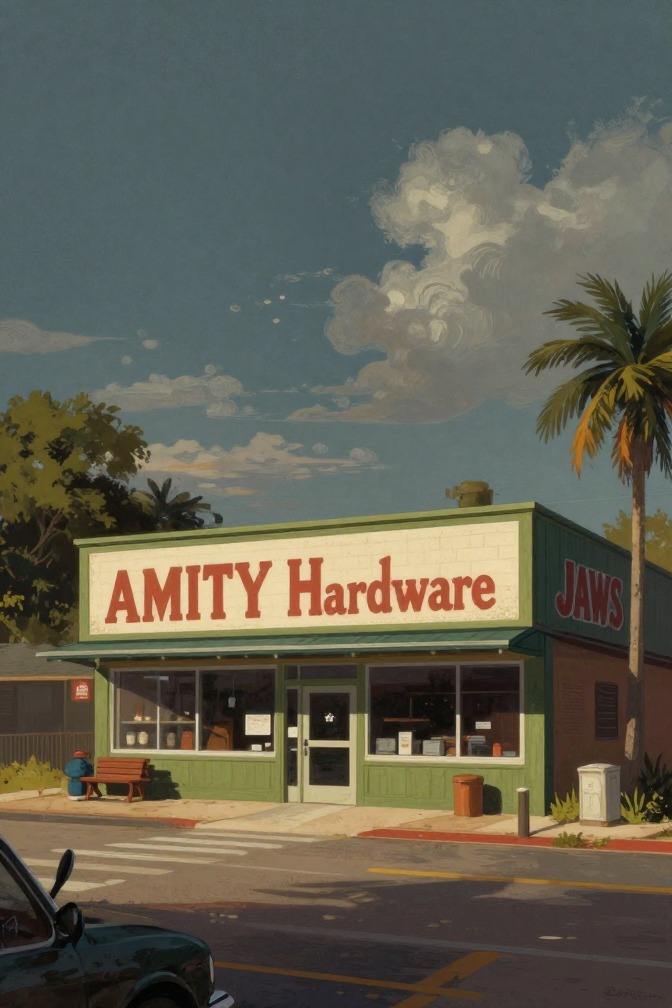
Amity Hardware is a local store in Amity, Long Island, owned by Albert Morris, a heart-attack survivor. It serves as a community hub where residents discuss the shark crisis and where Ellen Brody re-encounters Matt Hooper, triggering her midlife crisis and affair.
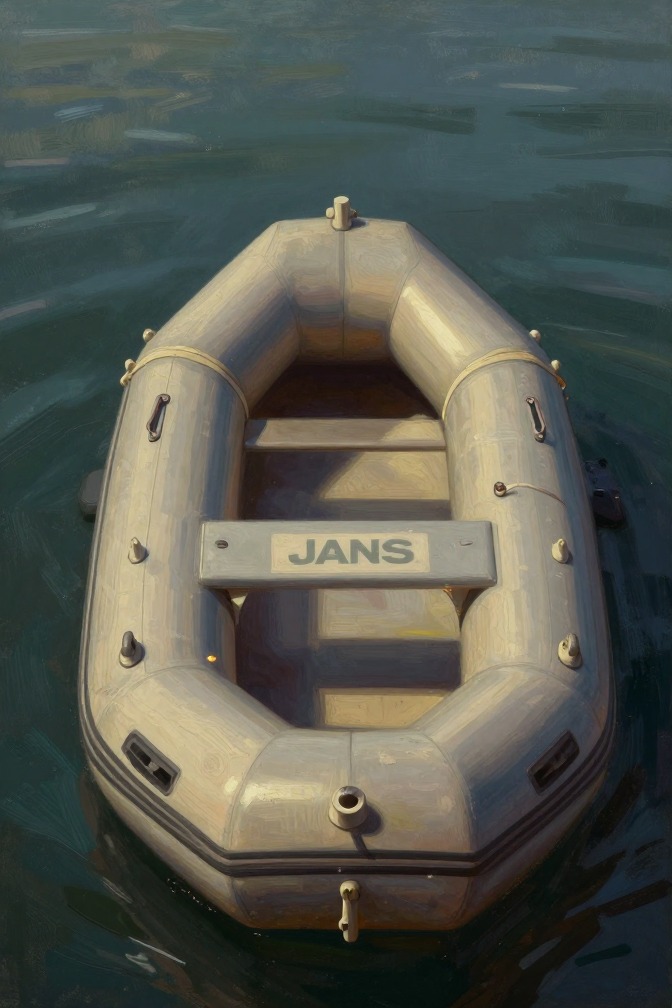
Alex Kintner's rubber raft is the small inflatable vessel on which the six-year-old boy was floating when he was attacked and killed by the great white shark off Amity's Scotch Road beach. The raft is central to the second shark attack, and its destruction—along with the boy's body—provides the first clear, witnessed evidence that a man-eater is present, forcing the town to confront the danger that had been suppressed after Christine Watkins's death.
The relationship between Martin Brody and Quint begins as a transactional charter arrangement but deepens into a grim partnership defined by mutual respect, shared trauma, and a monomaniacal drive to kill the great white shark. Brody, the guilt-ridden police chief, hires Quint, the taciturn and ruthless shark hunter, after the shark kills Ben Gardner and the town's economy collapses. Their alliance is forged through conflict—over money, methods, and the presence of Matt Hooper—but ultimately solidifies in the face of the shark's supernatural cunning. Quint's obsession becomes Brody's own, and together they pursue the fish to the death, with Quint perishing in the sinking of the Orca and Brody surviving to swim ashore. The relationship traces a trajectory from reluctant employer and employee to comrades in a doomed quest, revealing the limits of professional detachment and the cost of personal vengeance.
Bob's murder is the pivotal act of violence that transforms the novel from a story of social rivalry into a tragedy of irreversible consequences, forcing Johnny and Ponyboy into hiding and setting off a chain of events that culminates in the deaths of both Johnny and Dally.
Dally's death is the violent, self-willed climax of Dallas Winston's arc, a suicide-by-cop that follows Johnny Cade's death and confirms the novel's bleakest logic: a character who has hardened himself beyond caring can find no reason to live once the only person he loved is gone.
Peroxide is the chemical used by Johnny Cade to bleach Ponyboy Curtis's hair as part of their disguise after they flee to Windrixville following Bob Sheldon's death. It becomes a symbol of their lost identity and the painful transformation they undergo while hiding.
The red Corvair is a recurring symbol of the Socs' wealth, power, and predatory presence in the greasers' world, first appearing as the vehicle that carries the five Socs who jump Ponyboy Curtis in Chapter 1 and later serving as a marker of the class divide that separates the two groups.
Two-Bit's switchblade is a prized possession of Keith "Two-Bit" Mathews, a symbol of his identity as a greaser and a tool that becomes central to the novel's climax when Dallas Winston uses it to threaten a hospital doctor.
Sully is a small town on the Loire River that serves as a key crossing point in Jean-Baptiste Grenouille's journey, marking his transition from the oppressive human world of Paris into the purer, more solitary landscapes of the French interior, and later his final return to Paris.
Grenouille's murder of Laure Richis is the climactic act of his quest to possess the world's most exquisite scent, a crime that triggers his capture, a miraculous public transformation, and his ultimate self-destruction. It is the pivotal event that forces his hidden genius into the open and precipitates both his greatest triumph and his final, horrifying failure.
The Execution Sentence is the legal verdict pronounced on Jean-Baptiste Grenouille on 15 April 1766 by the Provost Court of Grasse, condemning him to be broken on the wheel for the murders of twenty-five young women. It represents the formal judicial response to a year-long wave of terror and reflects both the procedural rigor and the brutal penal practices of eighteenth-century France.
The year 1746 marks a decisive turning point in Jean-Baptiste Grenouille's early life: at age eight, he is expelled from Madame Gaillard's foster home and sold to the tanner Grimal, beginning a brutal apprenticeship that forges his tick-like survival instinct. This year also frames Giuseppe Baldini's bitter reflections on the decay of traditional craft in an age of Enlightenment innovation, as he contrasts the old guild virtues with the disruptive creativity of upstarts like Pélissier. The year thus encapsulates both Grenouille's descent into the harshest labor and the broader cultural anxieties of mid-eighteenth-century France.
The Revolution is a historical period that frames the novel's epilogue, marking the collapse of the old regime and the destruction of Madame Gaillard's carefully planned private death, as well as the eventual demolition of the bridges of Paris where Baldini's house once stood.
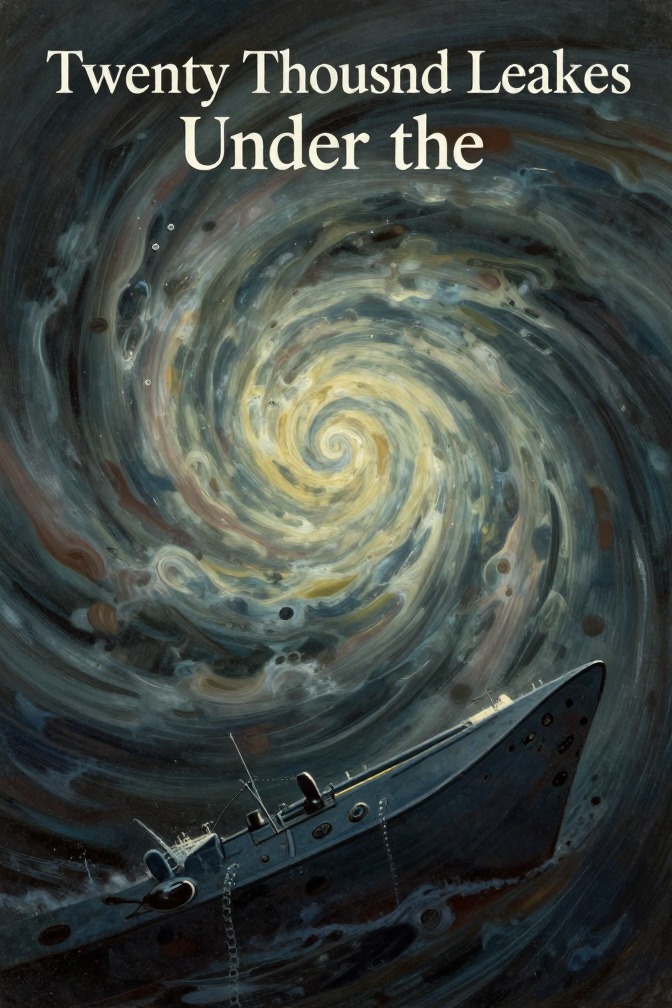
The Moskstraumen, or Maelstrom, is the fearsome whirlwind off the Norwegian coast that serves as the final, catastrophic setting of the Nautilus's voyage, swallowing the submarine and nearly killing its passengers before they escape.
The Republic of Venice is a historical maritime republic mentioned in Twenty Thousand Leagues Under the Sea primarily as a point of reference for the immense size of a giant clam shell displayed in the Nautilus's lounge, which is compared to the giant clam shells given to King Francis I of France by the Republic of Venice.