Peroxide is the chemical used by Johnny Cade to bleach Ponyboy Curtis's hair as part of their disguise after they flee to Windrixville following Bob Sheldon's death. It becomes a symbol of their lost identity and the painful transformation they undergo while hiding.
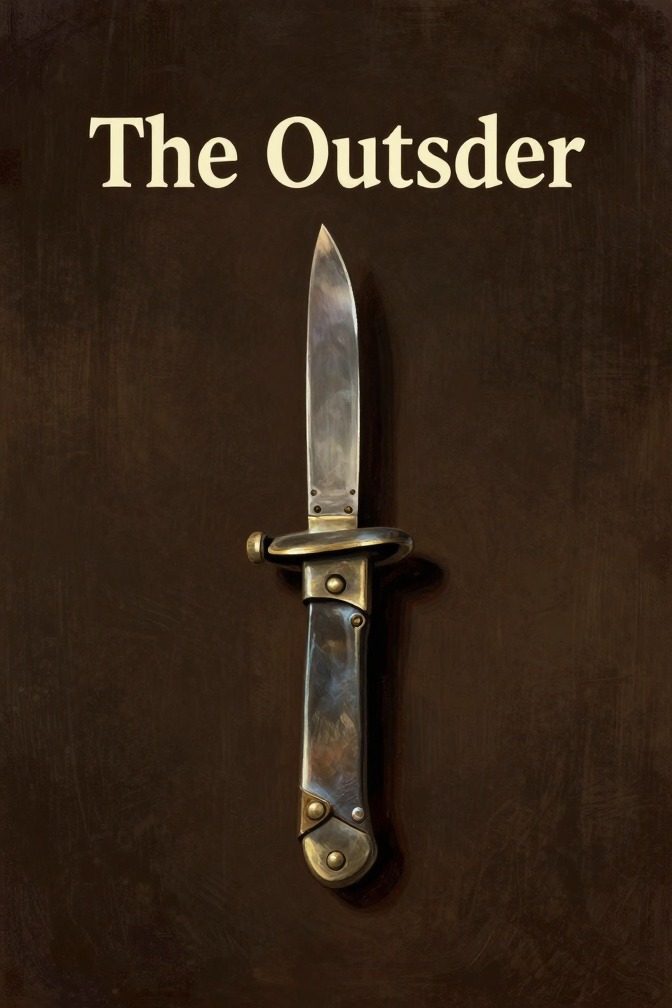
Two-Bit's switchblade is a prized possession of Keith "Two-Bit" Mathews, a symbol of his identity as a greaser and a tool that becomes central to the novel's climax when Dallas Winston uses it to threaten a hospital doctor.
Sully is a small town on the Loire River that serves as a key crossing point in Jean-Baptiste Grenouille's journey, marking his transition from the oppressive human world of Paris into the purer, more solitary landscapes of the French interior, and later his final return to Paris.
Grenouille's murder of Laure Richis is the climactic act of his quest to possess the world's most exquisite scent, a crime that triggers his capture, a miraculous public transformation, and his ultimate self-destruction. It is the pivotal event that forces his hidden genius into the open and precipitates both his greatest triumph and his final, horrifying failure.
The Execution Sentence is the legal verdict pronounced on Jean-Baptiste Grenouille on 15 April 1766 by the Provost Court of Grasse, condemning him to be broken on the wheel for the murders of twenty-five young women. It represents the formal judicial response to a year-long wave of terror and reflects both the procedural rigor and the brutal penal practices of eighteenth-century France.
The year 1746 marks a decisive turning point in Jean-Baptiste Grenouille's early life: at age eight, he is expelled from Madame Gaillard's foster home and sold to the tanner Grimal, beginning a brutal apprenticeship that forges his tick-like survival instinct. This year also frames Giuseppe Baldini's bitter reflections on the decay of traditional craft in an age of Enlightenment innovation, as he contrasts the old guild virtues with the disruptive creativity of upstarts like Pélissier. The year thus encapsulates both Grenouille's descent into the harshest labor and the broader cultural anxieties of mid-eighteenth-century France.
The Revolution is a historical period that frames the novel's epilogue, marking the collapse of the old regime and the destruction of Madame Gaillard's carefully planned private death, as well as the eventual demolition of the bridges of Paris where Baldini's house once stood.
The Moskstraumen, or Maelstrom, is the fearsome whirlwind off the Norwegian coast that serves as the final, catastrophic setting of the Nautilus's voyage, swallowing the submarine and nearly killing its passengers before they escape.
The South Pole is the geographical southernmost point on Earth, which Captain Nemo reaches aboard the Nautilus on March 21, 1868, after a daring underwater passage beneath the Antarctic Ice Bank. This achievement represents the climax of the Nautilus's voyage and Nemo's personal ambition, as he claims the entire polar region in his own name, unfurling a black flag with a gold 'N' before the setting sun.
The Republic of Venice is a historical maritime republic mentioned in Twenty Thousand Leagues Under the Sea primarily as a point of reference for the immense size of a giant clam shell displayed in the Nautilus's lounge, which is compared to the giant clam shells given to King Francis I of France by the Republic of Venice.
The Royal Navy is a recurring presence in Twenty Thousand Leagues Under the Sea, serving as the primary institutional antagonist to Captain Nemo and a symbol of the imperial power he has fled. Though rarely seen directly, its ships, officers, and historical actions shape the novel's central conflicts, from the initial hunt for the supposed monster to the final, catastrophic encounter that seals Nemo's fate.
Captain Nemo and the Avenger is the defining relationship of vengeance in Twenty Thousand Leagues Under the Sea, linking the captain's personal tragedy to the climactic sinking of a warship and revealing the political and historical roots of his war against humanity.
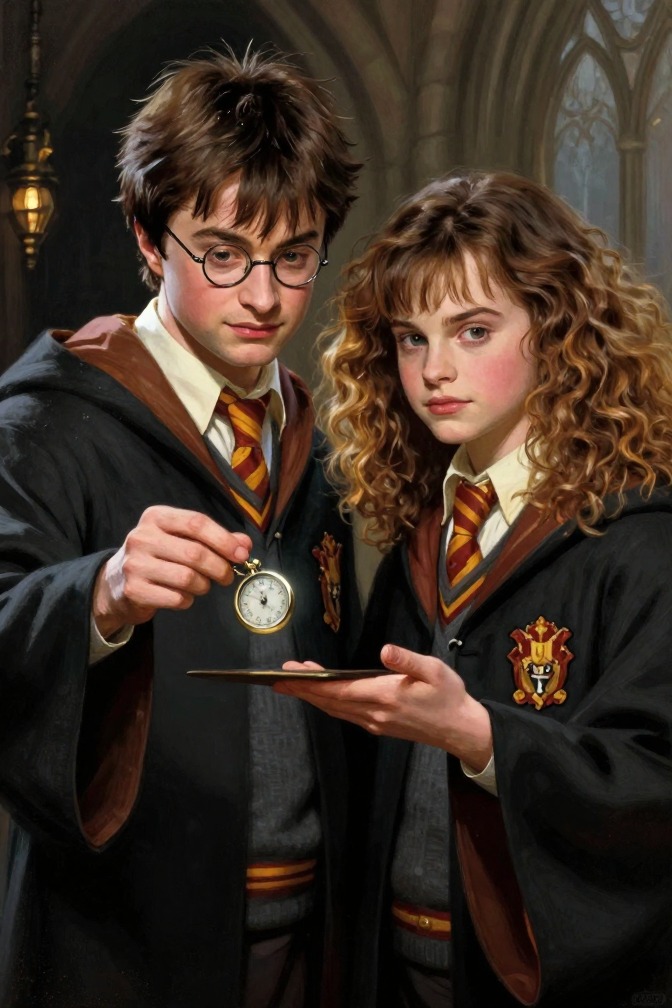
Harry and Hermione use the Time-Turner to travel back three hours, enabling them to rescue Buckbeak and Sirius Black from execution and the Dementor's Kiss, a pivotal act that alters the story's outcome without being detected.
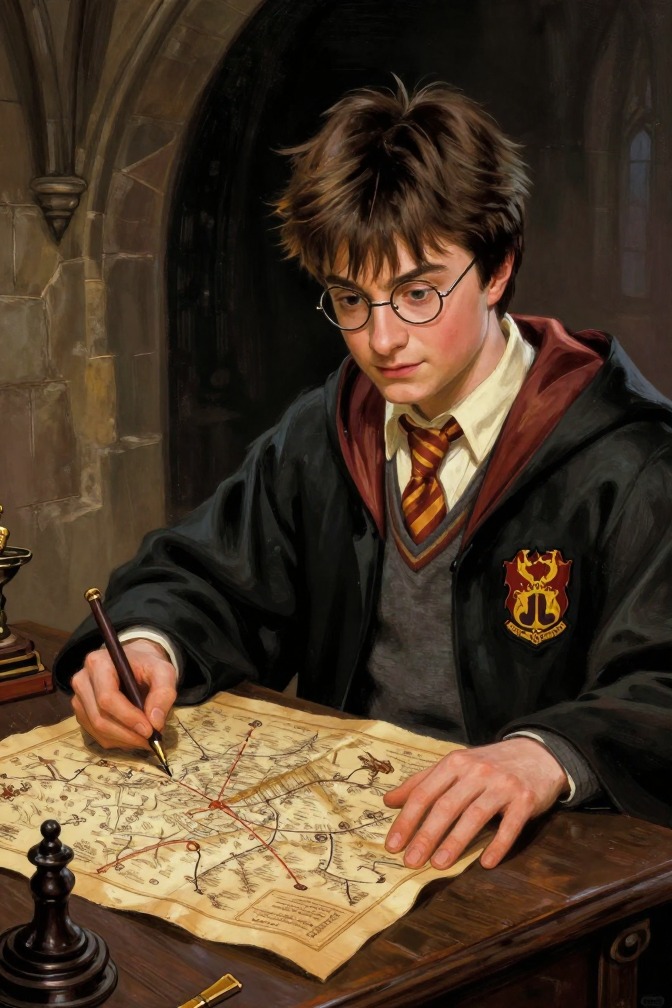
Harry Potter uses the Marauder's Map to enter Hogsmeade, a secret passage that allows him to bypass the Dementor-guarded entrances and visit the wizarding village for the first time, an act of defiance that deepens his understanding of the adult world's secrets and dangers.
Arthur Weasley is a Ministry of Magic employee, head of the Misuse of Muggle Artifacts Office, and the warm, principled patriarch of the large Weasley family, whose quiet acts of courage and concern for Harry Potter's safety reveal the moral backbone of the wizarding world's ordinary citizens.
Fang is Rubeus Hagrid's loyal boarhound, a large but gentle dog who serves as a constant companion in Hagrid's hut and accompanies him through many of the events of Harry Potter and the Prisoner of Azkaban.
Marcus Flint is the Captain of the Slytherin Quidditch team and a recurring antagonist in Harry Potter's third year at Hogwarts, embodying the ruthless, win-at-all-costs ethos of his House through his aggressive play, strategic manipulation of the match schedule, and open alliance with Draco Malfoy's schemes.
Vernon Dursley is Harry Potter's Muggle uncle, a large, beefy man with a violent temper and a deep hatred of anything magical, who rules his household through intimidation and enforces a strict regime of denial and punishment against Harry.
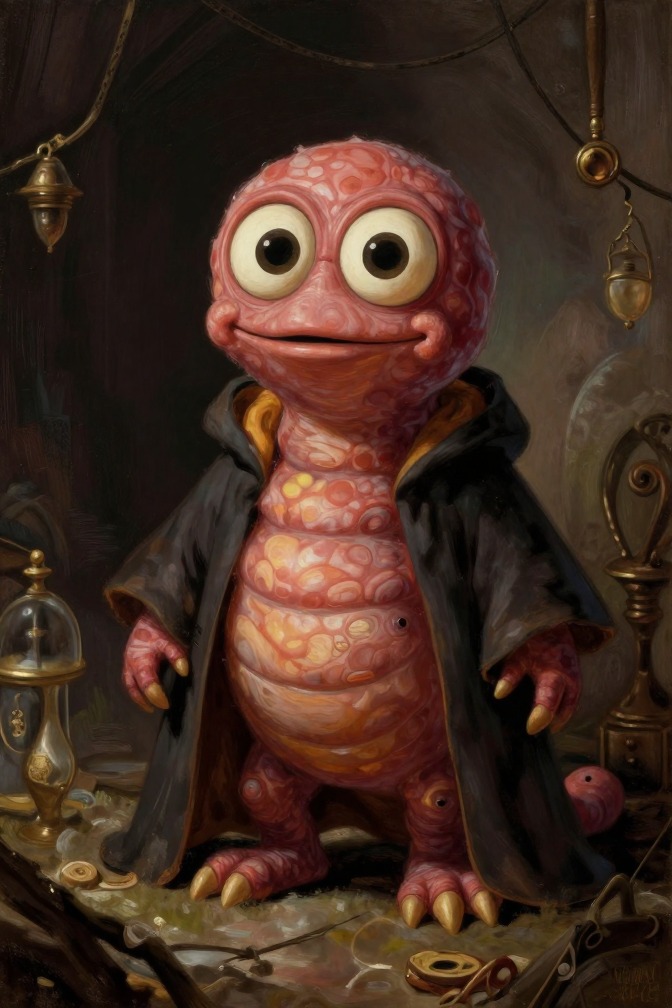
The Flobberworm is a minor magical creature introduced in Harry Potter and the Prisoner of Azkaban, notable primarily for its extreme dullness and its role in Rubeus Hagrid's faltering first term as Care of Magical Creatures teacher. After the dramatic and dangerous first lesson with Hippogriffs, Hagrid loses confidence and retreats to teaching Flobberworms, whose utter lack of excitement symbolizes his crisis of authority and the gap between his ambitions and his actual teaching performance.
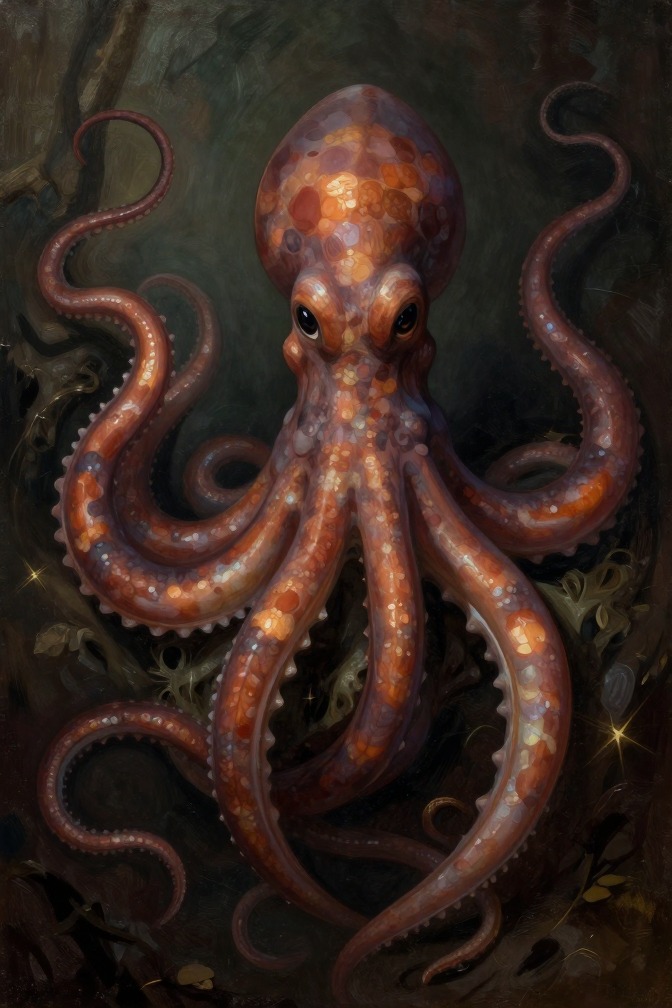
The Giant Squid is a massive, tentacled creature that inhabits the Black Lake on the Hogwarts grounds, a largely passive and enigmatic presence that surfaces during moments of leisure and crisis, serving as a symbol of the magical world's wild, untamed beauty and its capacity for quiet, benevolent coexistence with the school.
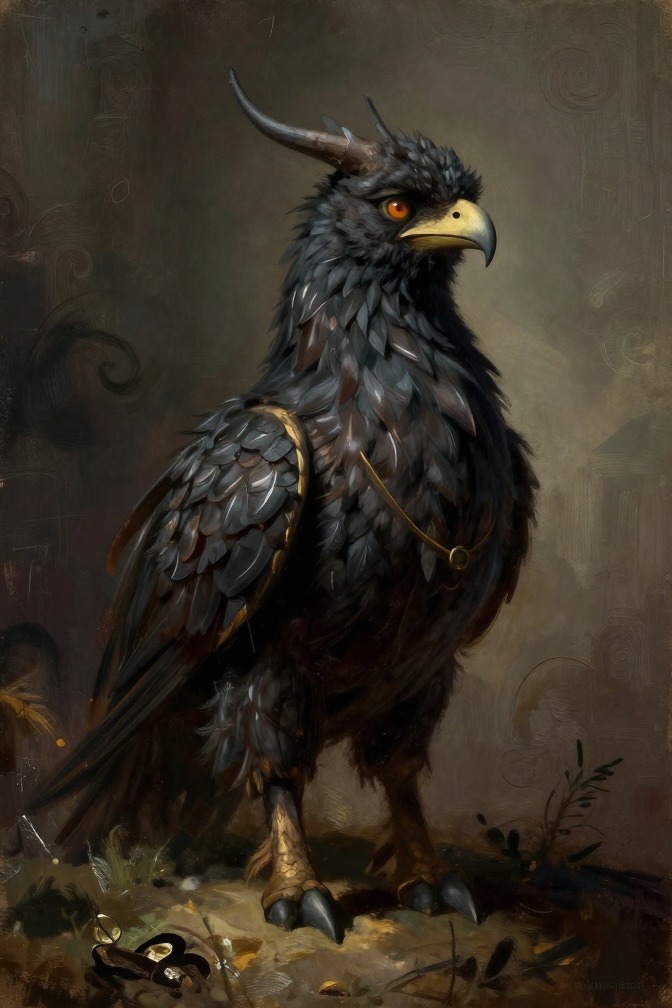
The Hippogriff is a proud, magical creature with the body, hind legs, and tail of a horse and the front legs, wings, and head of a giant eagle, introduced in Harry Potter and the Prisoner of Azkaban as the subject of Rubeus Hagrid's first Care of Magical Creatures lesson and later at the center of a legal and moral crisis that drives much of the book's second half.
The Kappa is a water-dwelling creature studied in third-year Defense Against the Dark Arts at Hogwarts, described as a creepy, scaly monkey-like being with webbed hands that strangles unwary waders in its ponds.
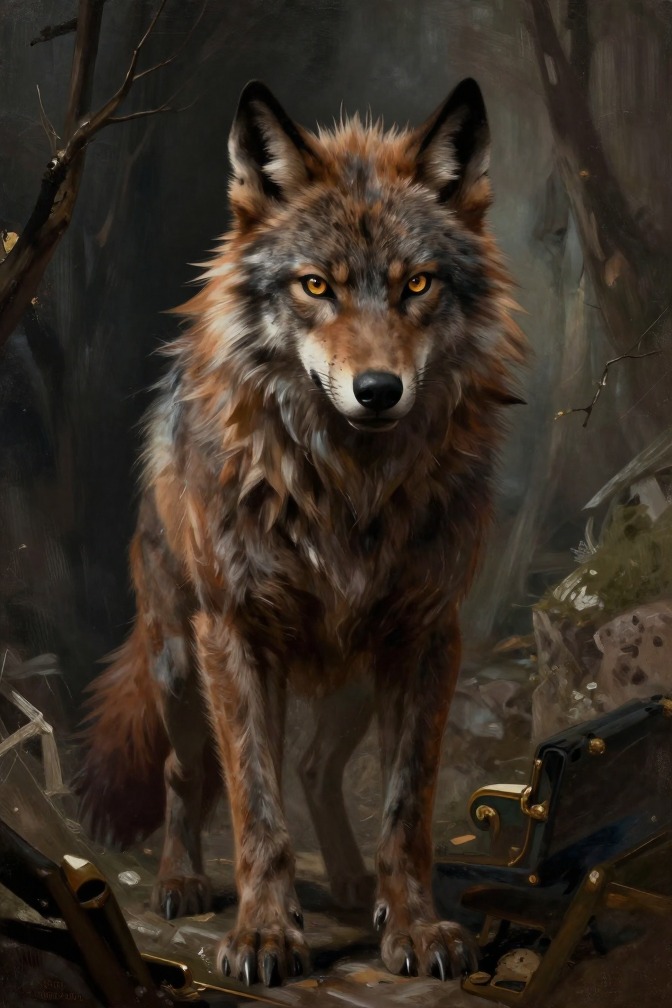
The werewolf is a magical creature that transforms into a wolf-like form during the full moon, a condition that afflicts Remus Lupin and shapes his life, relationships, and career at Hogwarts.
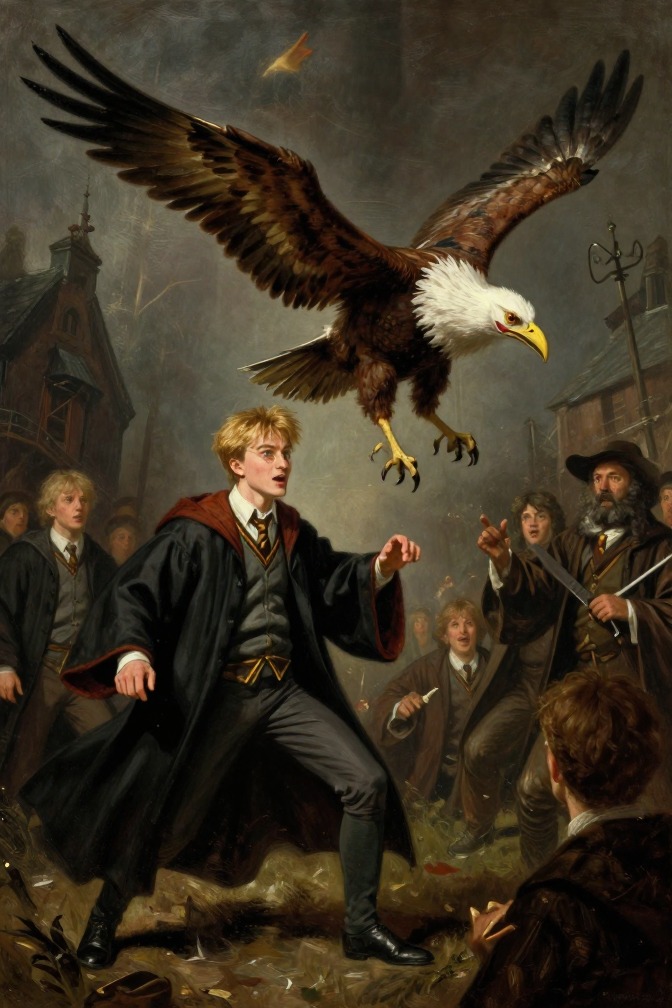
Malfoy's Hippogriff Attack is a pivotal event in Harry Potter and the Prisoner of Azkaban, where Draco Malfoy deliberately insults Buckbeak the Hippogriff during Hagrid's first Care of Magical Creatures class, resulting in a violent attack that leaves Malfoy injured and sets in motion a chain of official complaints, a trial, and a death sentence for Buckbeak, while also deepening the conflict between Harry and Malfoy and exposing the vulnerability of Hagrid's new teaching position.
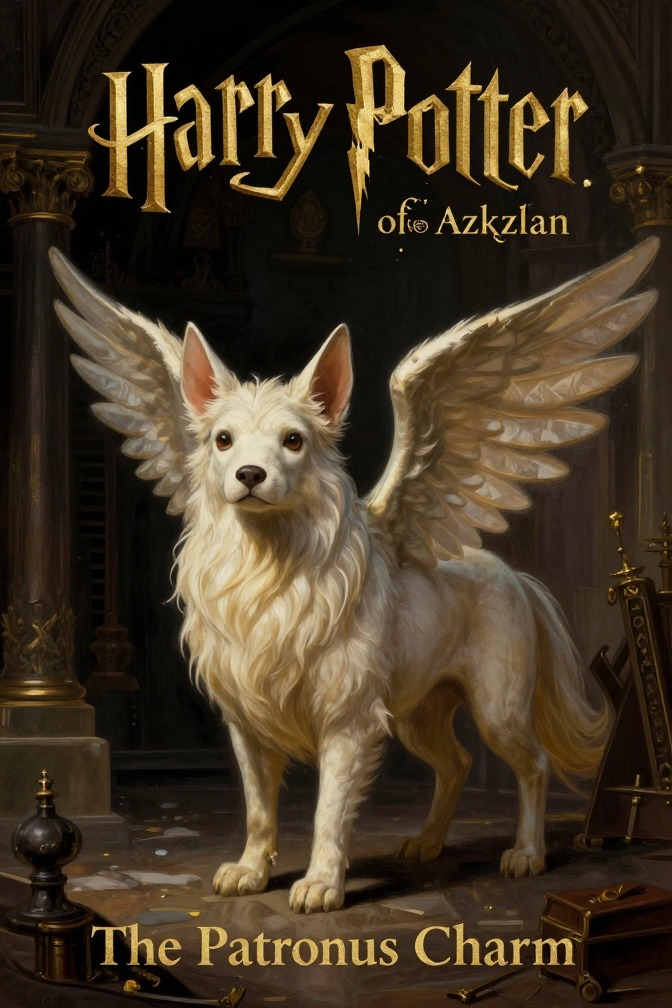
The Patronus Charm is a highly advanced defensive spell that conjures a positive, silver guardian—a Patronus—to repel Dementors, the soul-sucking creatures of Azkaban. It is the only known magical defense against Dementors, requiring the caster to concentrate on a single, powerful happy memory. Harry Potter first learns the charm from Remus Lupin and, after several failed attempts, eventually masters it, producing a corporeal stag Patronus that mirrors his father James Potter's Animagus form.
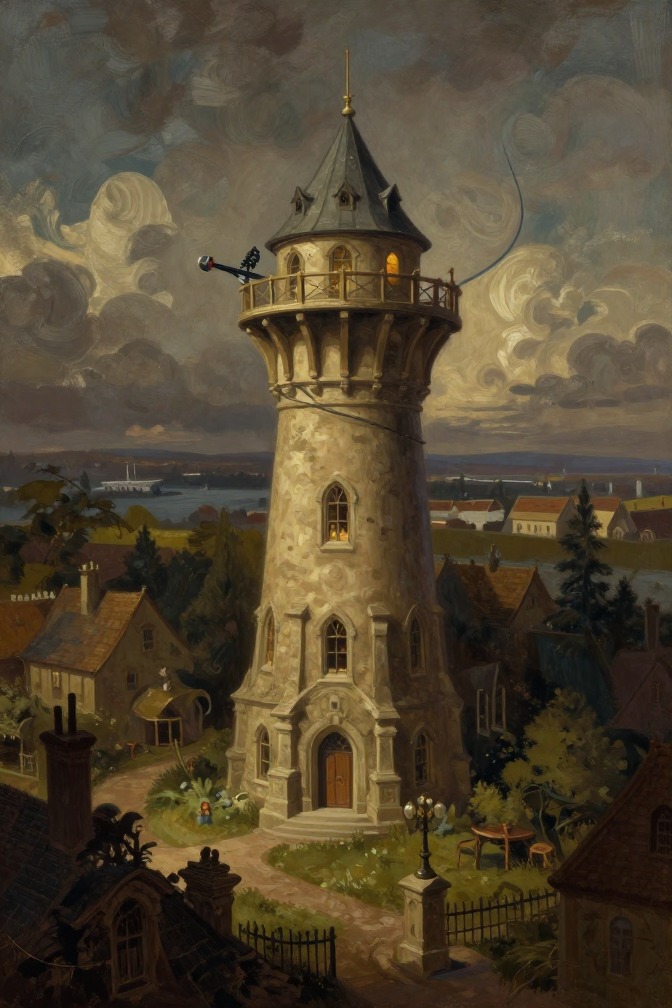
The Astronomy Tower is a key vertical landmark at Hogwarts, serving as the site of astronomical study, a vantage point for observing the grounds, and a symbolic space where the school's layered history of danger, surveillance, and escape converges.
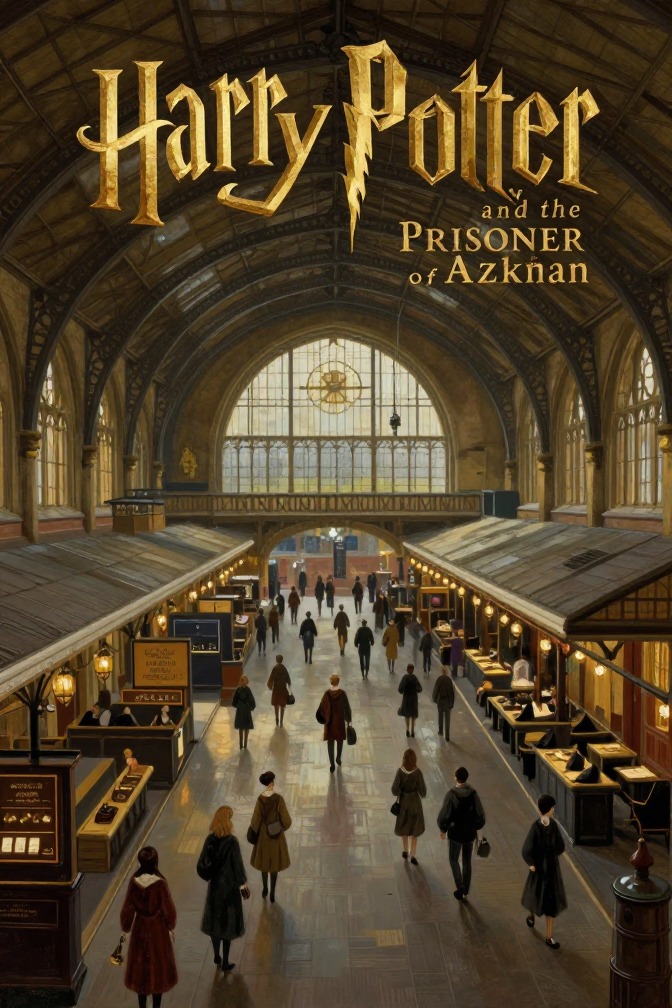
King's Cross Station is the London railway terminus that serves as the gateway to the wizarding world, where students board the Hogwarts Express from the hidden Platform Nine and Three-Quarters at the start and end of each school term.
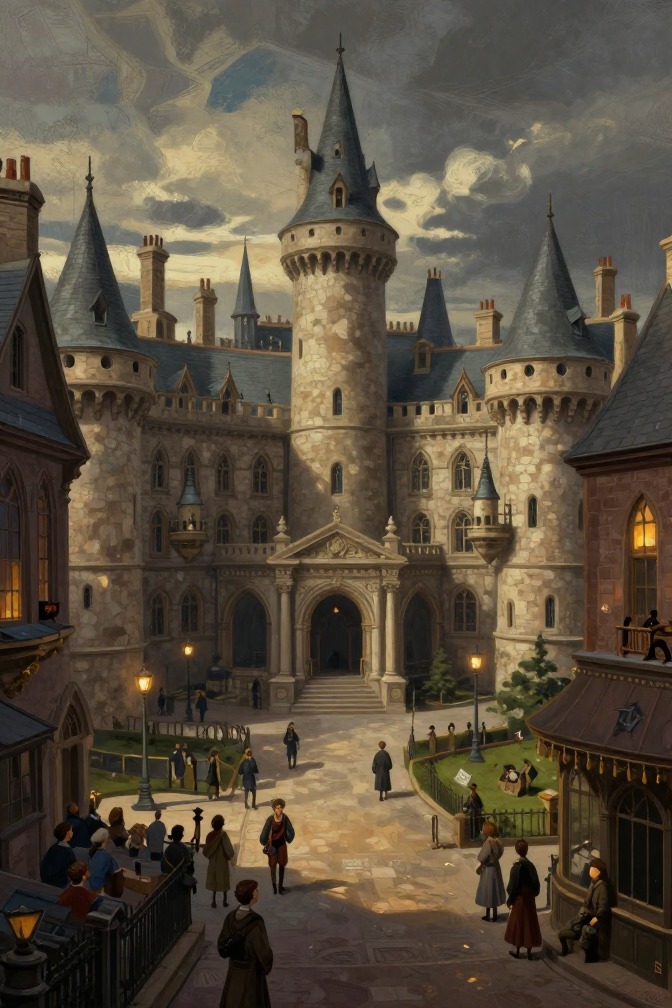
The Ministry of Magic is the governing body of the wizarding world in Britain, responsible for law enforcement, regulation of magical creatures, and the maintenance of secrecy from the Muggle world. In Harry Potter and the Prisoner of Azkaban, the Ministry is depicted as a deeply flawed institution, driven by political expediency, fear of public opinion, and a willingness to employ terrifying measures—such as stationing Dementors at Hogwarts—that ultimately prove ineffective and unjust.
The Committee for the Disposal of Dangerous Creatures is a bureaucratic body within the British Ministry of Magic that adjudicates cases involving magical beasts deemed hazardous, most notably presiding over the trial and sentencing of the Hippogriff Buckbeak. Its proceedings, heavily influenced by Lucius Malfoy's political pressure, result in a death sentence that drives a significant portion of the novel's climactic action, ultimately exposing the committee's vulnerability to corruption and its role as an instrument of institutional power rather than impartial justice.
The International Federation of Warlocks is a global governing body of the magical community, mentioned in Harry Potter and the Prisoner of Azkaban primarily as an institution that criticizes the Minister of Magic for informing the Muggle Prime Minister about Sirius Black's escape.