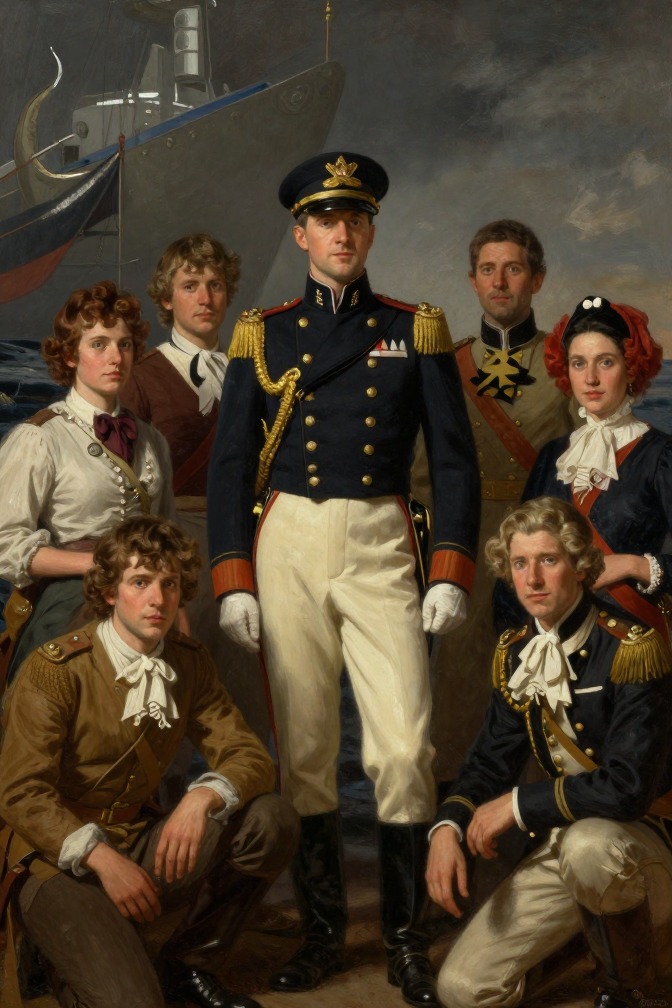
The Royal Navy is a recurring presence in Twenty Thousand Leagues Under the Sea, serving as the primary institutional antagonist to Captain Nemo and a symbol of the imperial power he has fled. Though rarely seen directly, its ships, officers, and historical actions shape the novel's central conflicts, from the initial hunt for the supposed monster to the final, catastrophic encounter that seals Nemo's fate.
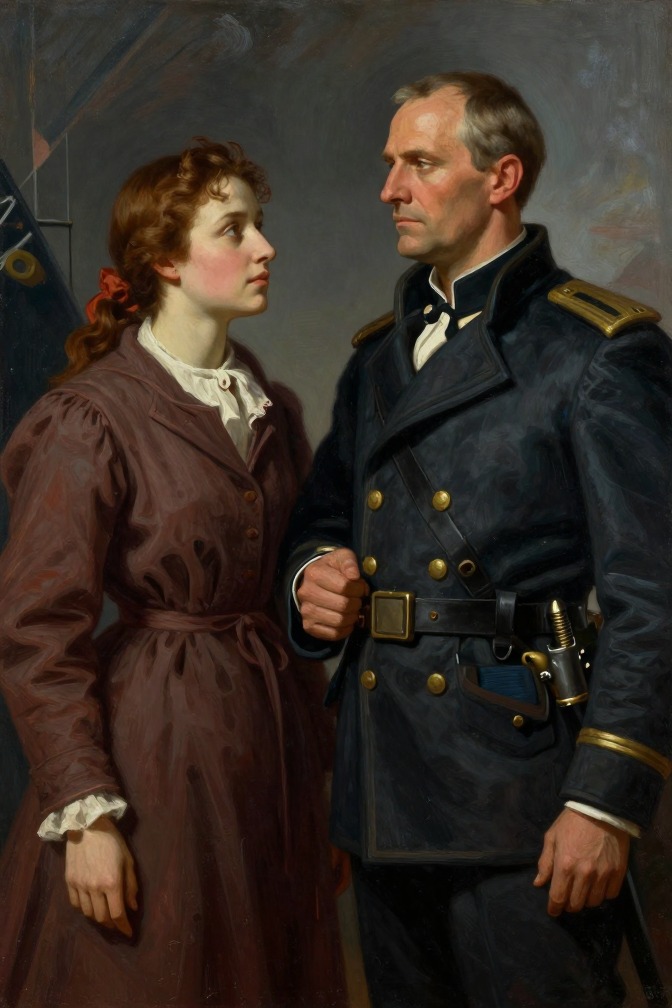
Captain Nemo and the Avenger is the defining relationship of vengeance in Twenty Thousand Leagues Under the Sea, linking the captain's personal tragedy to the climactic sinking of a warship and revealing the political and historical roots of his war against humanity.
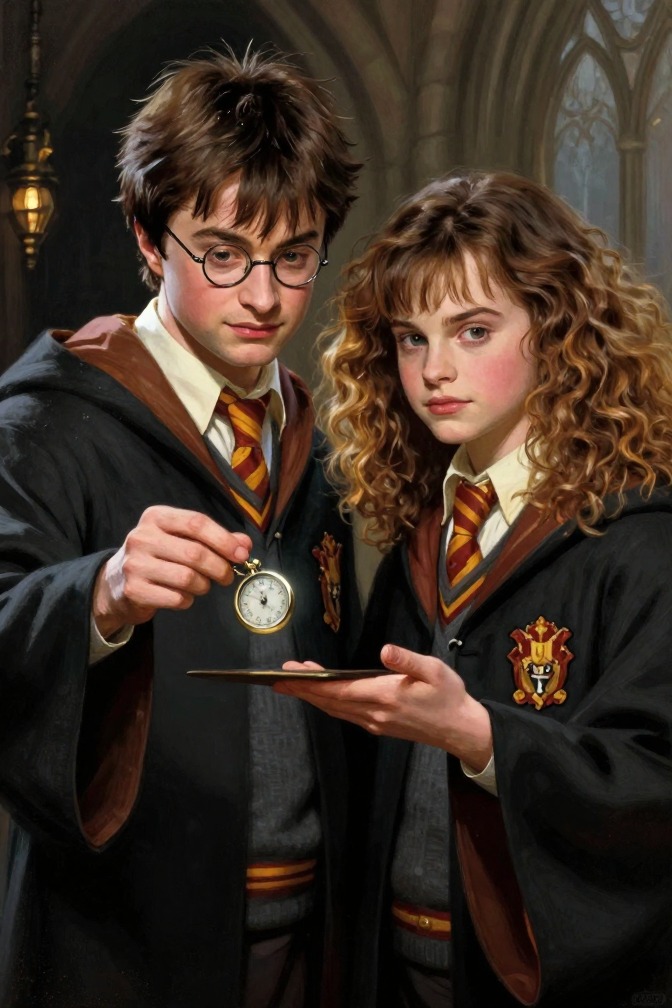
Harry and Hermione use the Time-Turner to travel back three hours, enabling them to rescue Buckbeak and Sirius Black from execution and the Dementor's Kiss, a pivotal act that alters the story's outcome without being detected.
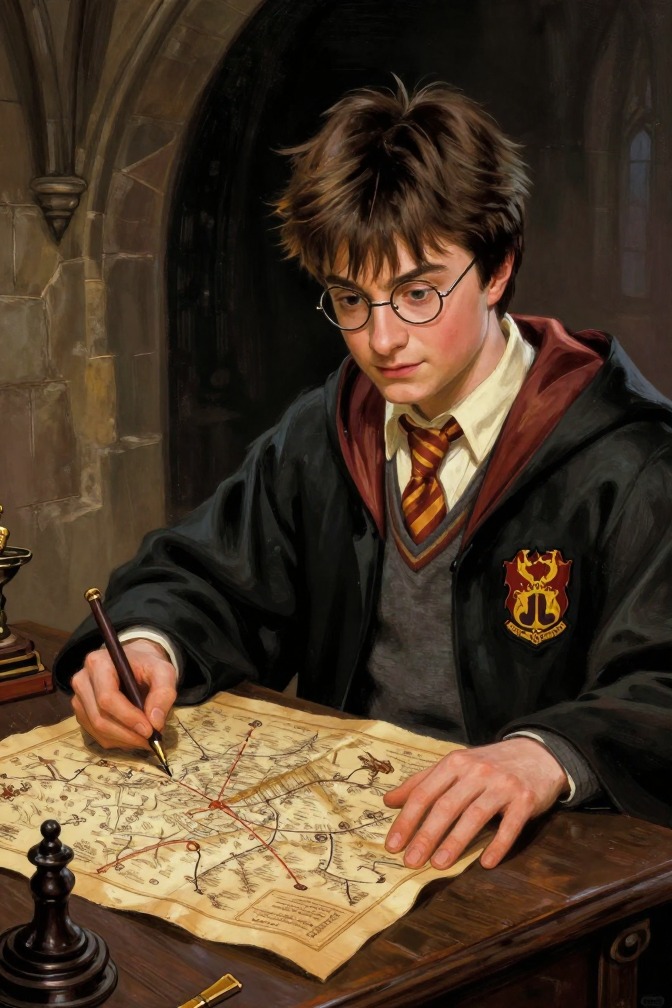
Harry Potter uses the Marauder's Map to enter Hogsmeade, a secret passage that allows him to bypass the Dementor-guarded entrances and visit the wizarding village for the first time, an act of defiance that deepens his understanding of the adult world's secrets and dangers.
Arthur Weasley is a Ministry of Magic employee, head of the Misuse of Muggle Artifacts Office, and the warm, principled patriarch of the large Weasley family, whose quiet acts of courage and concern for Harry Potter's safety reveal the moral backbone of the wizarding world's ordinary citizens.
Fang is Rubeus Hagrid's loyal boarhound, a large but gentle dog who serves as a constant companion in Hagrid's hut and accompanies him through many of the events of Harry Potter and the Prisoner of Azkaban.
Marcus Flint is the Captain of the Slytherin Quidditch team and a recurring antagonist in Harry Potter's third year at Hogwarts, embodying the ruthless, win-at-all-costs ethos of his House through his aggressive play, strategic manipulation of the match schedule, and open alliance with Draco Malfoy's schemes.
Vernon Dursley is Harry Potter's Muggle uncle, a large, beefy man with a violent temper and a deep hatred of anything magical, who rules his household through intimidation and enforces a strict regime of denial and punishment against Harry.
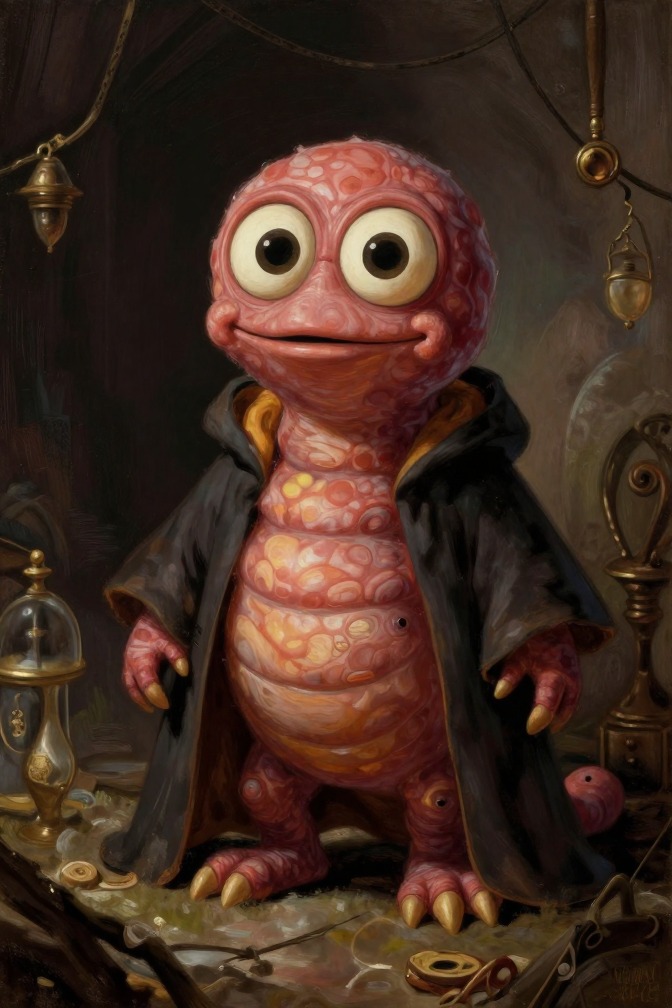
The Flobberworm is a minor magical creature introduced in Harry Potter and the Prisoner of Azkaban, notable primarily for its extreme dullness and its role in Rubeus Hagrid's faltering first term as Care of Magical Creatures teacher. After the dramatic and dangerous first lesson with Hippogriffs, Hagrid loses confidence and retreats to teaching Flobberworms, whose utter lack of excitement symbolizes his crisis of authority and the gap between his ambitions and his actual teaching performance.
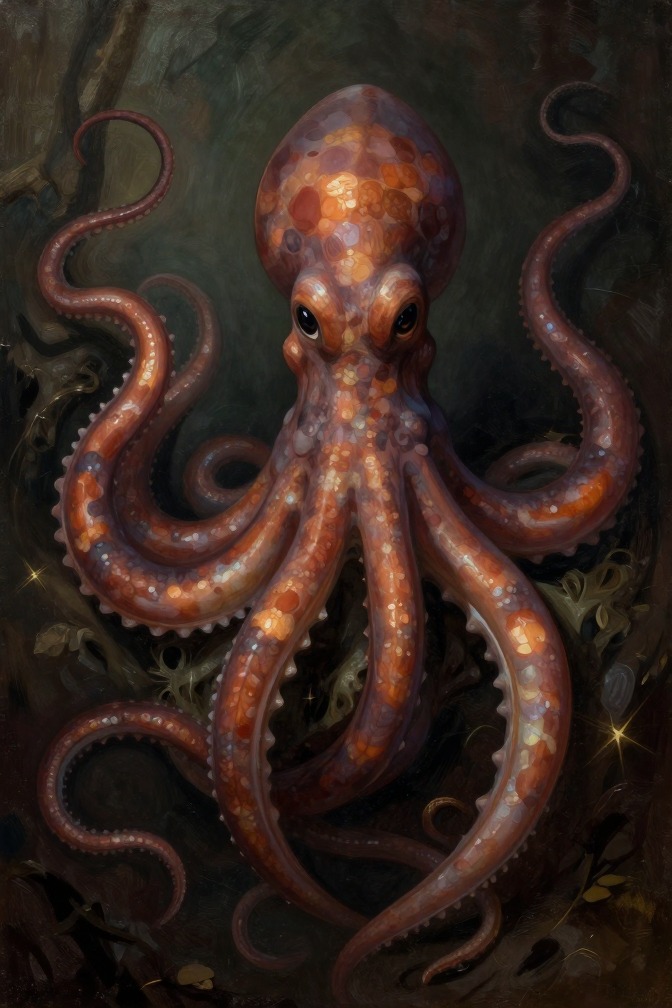
The Giant Squid is a massive, tentacled creature that inhabits the Black Lake on the Hogwarts grounds, a largely passive and enigmatic presence that surfaces during moments of leisure and crisis, serving as a symbol of the magical world's wild, untamed beauty and its capacity for quiet, benevolent coexistence with the school.
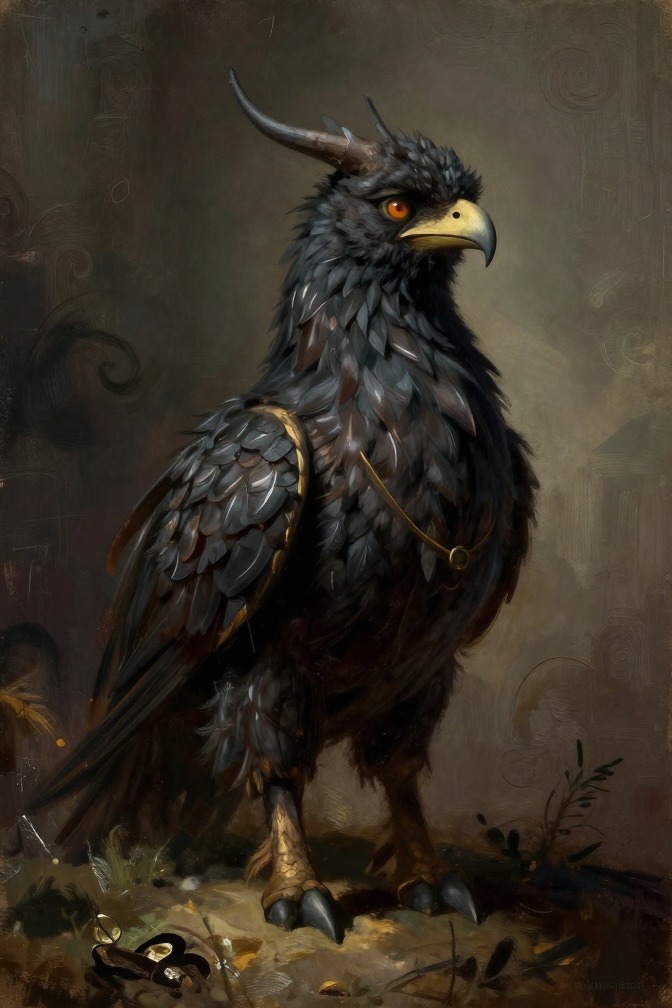
The Hippogriff is a proud, magical creature with the body, hind legs, and tail of a horse and the front legs, wings, and head of a giant eagle, introduced in Harry Potter and the Prisoner of Azkaban as the subject of Rubeus Hagrid's first Care of Magical Creatures lesson and later at the center of a legal and moral crisis that drives much of the book's second half.
The Kappa is a water-dwelling creature studied in third-year Defense Against the Dark Arts at Hogwarts, described as a creepy, scaly monkey-like being with webbed hands that strangles unwary waders in its ponds.
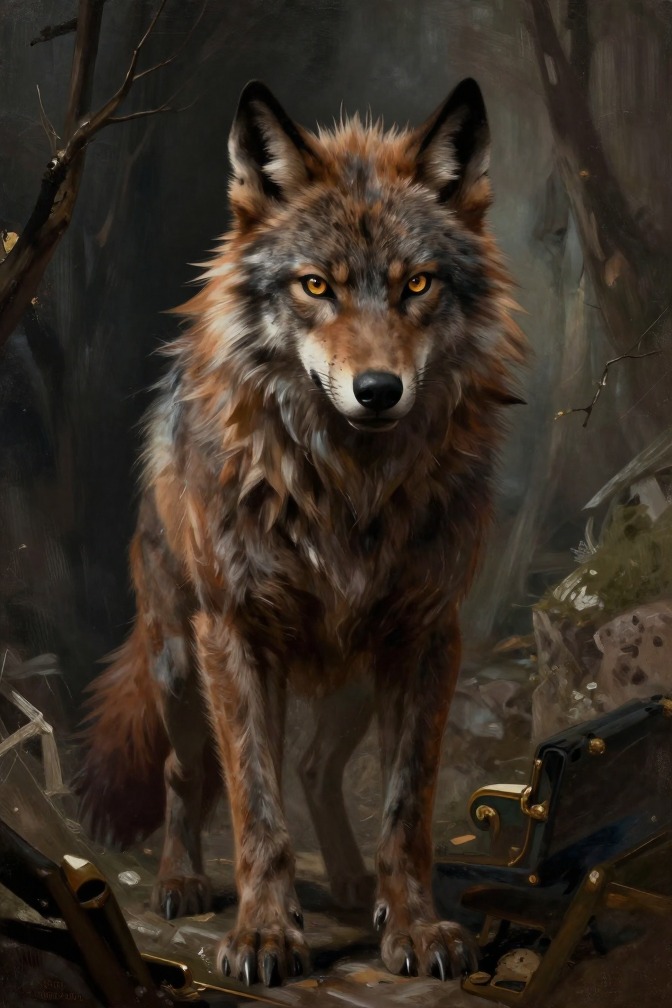
The werewolf is a magical creature that transforms into a wolf-like form during the full moon, a condition that afflicts Remus Lupin and shapes his life, relationships, and career at Hogwarts.
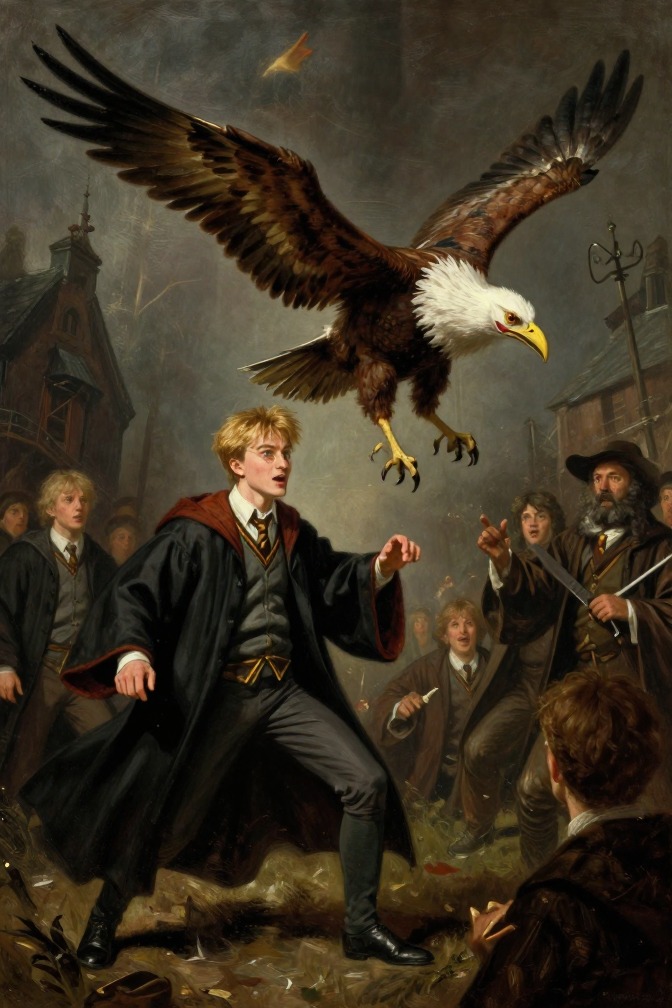
Malfoy's Hippogriff Attack is a pivotal event in Harry Potter and the Prisoner of Azkaban, where Draco Malfoy deliberately insults Buckbeak the Hippogriff during Hagrid's first Care of Magical Creatures class, resulting in a violent attack that leaves Malfoy injured and sets in motion a chain of official complaints, a trial, and a death sentence for Buckbeak, while also deepening the conflict between Harry and Malfoy and exposing the vulnerability of Hagrid's new teaching position.
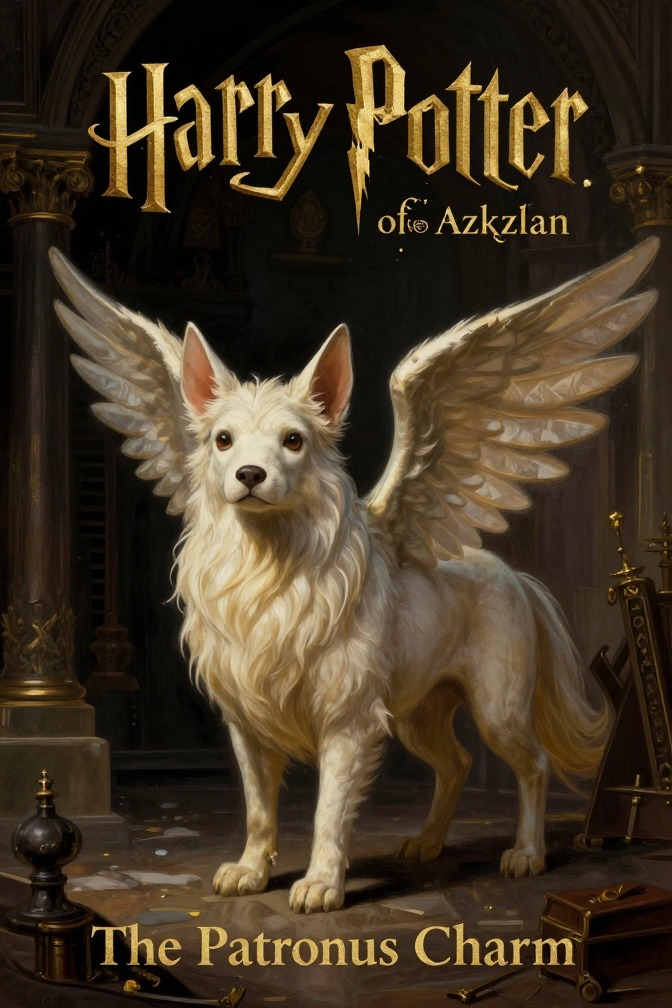
The Patronus Charm is a highly advanced defensive spell that conjures a positive, silver guardian—a Patronus—to repel Dementors, the soul-sucking creatures of Azkaban. It is the only known magical defense against Dementors, requiring the caster to concentrate on a single, powerful happy memory. Harry Potter first learns the charm from Remus Lupin and, after several failed attempts, eventually masters it, producing a corporeal stag Patronus that mirrors his father James Potter's Animagus form.
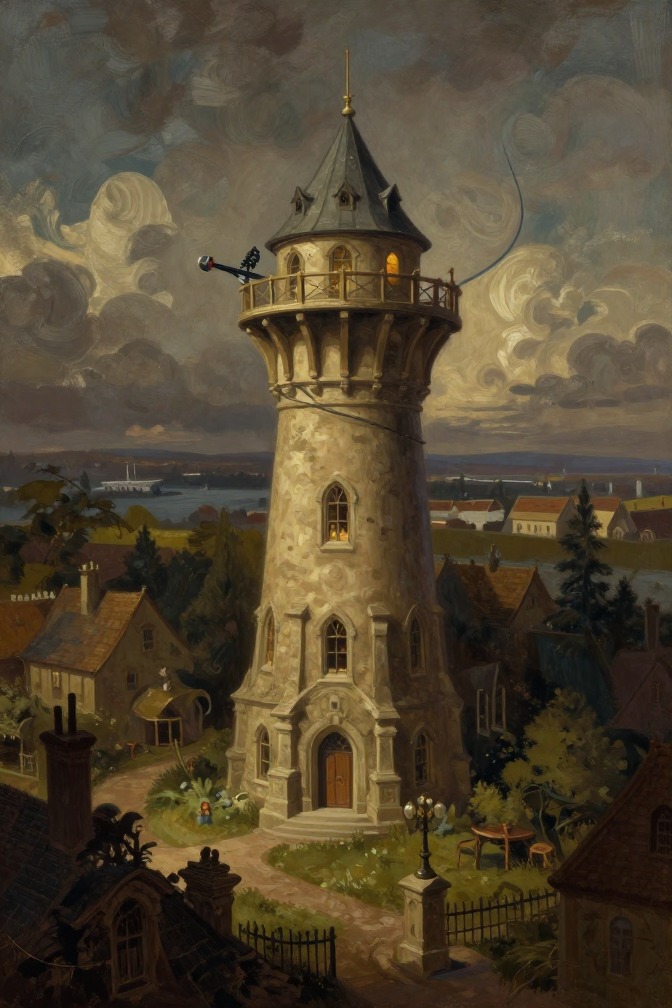
The Astronomy Tower is a key vertical landmark at Hogwarts, serving as the site of astronomical study, a vantage point for observing the grounds, and a symbolic space where the school's layered history of danger, surveillance, and escape converges.
King's Cross Station is the London railway terminus that serves as the gateway to the wizarding world, where students board the Hogwarts Express from the hidden Platform Nine and Three-Quarters at the start and end of each school term.
The Ministry of Magic is the governing body of the wizarding world in Britain, responsible for law enforcement, regulation of magical creatures, and the maintenance of secrecy from the Muggle world. In Harry Potter and the Prisoner of Azkaban, the Ministry is depicted as a deeply flawed institution, driven by political expediency, fear of public opinion, and a willingness to employ terrifying measures—such as stationing Dementors at Hogwarts—that ultimately prove ineffective and unjust.
The Committee for the Disposal of Dangerous Creatures is a bureaucratic body within the British Ministry of Magic that adjudicates cases involving magical beasts deemed hazardous, most notably presiding over the trial and sentencing of the Hippogriff Buckbeak. Its proceedings, heavily influenced by Lucius Malfoy's political pressure, result in a death sentence that drives a significant portion of the novel's climactic action, ultimately exposing the committee's vulnerability to corruption and its role as an instrument of institutional power rather than impartial justice.
The International Federation of Warlocks is a global governing body of the magical community, mentioned in Harry Potter and the Prisoner of Azkaban primarily as an institution that criticizes the Minister of Magic for informing the Muggle Prime Minister about Sirius Black's escape.
The Magical Law Enforcement Squad is the elite force within the British Ministry of Magic responsible for apprehending dangerous wizards and maintaining order in the wizarding world. They are the operational arm of the Magical Law Enforcement Patrol, tasked with capturing high-profile criminals like Sirius Black and intervening in magical catastrophes.
The Fidelius Charm Secrecy Rule is a foundational magical principle in the wizarding world, governing how a secret is concealed within a single living soul, known as the Secret-Keeper, making it impossible for anyone else to discover the hidden information unless the Keeper chooses to divulge it. This rule is the central mechanism behind the tragedy of James and Lily Potter, whose choice of Secret-Keeper led directly to their deaths and set the entire plot of Harry Potter and the Prisoner of Azkaban in motion.
Christmas at Hogwarts in Harry Potter and the Prisoner of Azkaban is a time of both celebration and profound emotional complexity, serving as a backdrop for the revelation of the Firebolt, the deepening of Harry's personal conflicts, and the quiet resolution of the Buckbeak crisis through the solidarity of his friends.
The Night of the Shrieking Shack is the climactic sequence of Harry Potter and the Prisoner of Azkaban, during which the true identities of Sirius Black, Peter Pettigrew, and Remus Lupin are revealed, the Marauders' history is exposed, and the central conflict of the novel is resolved through confrontation, betrayal, and a narrow escape.
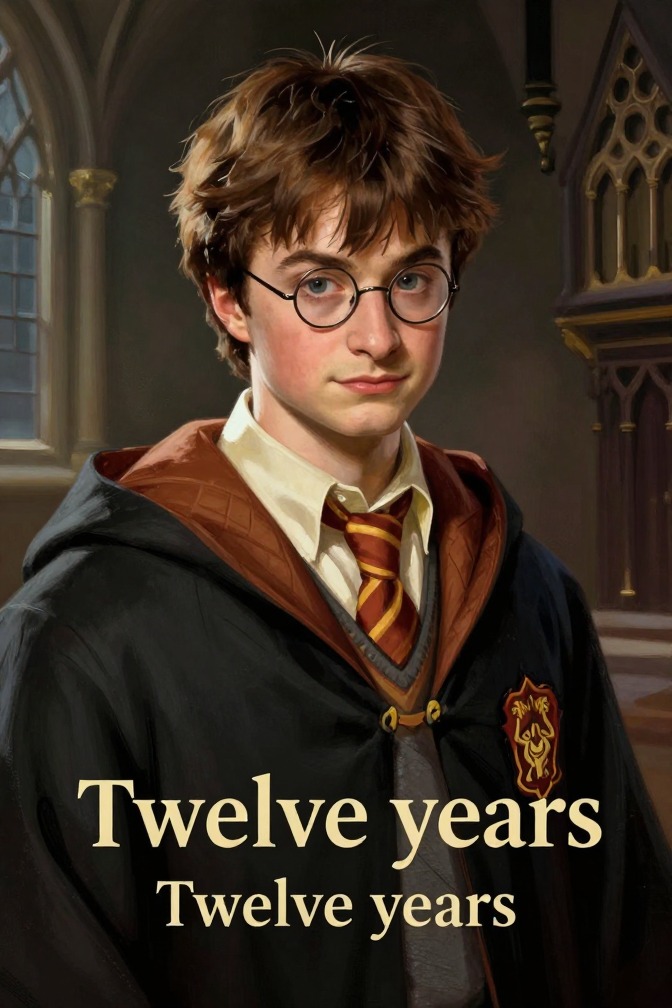
The twelve years that Sirius Black spent imprisoned in Azkaban form the temporal and emotional foundation of the novel's central mystery, shaping his physical and psychological state, the narrative's suspense, and the eventual revelation of his innocence.
Black is a fireman in the dystopian firehouse of Fahrenheit 451, a silent enforcer who participates in the burning of books and the old woman's house, and who is later knocked unconscious by Montag during his escape.
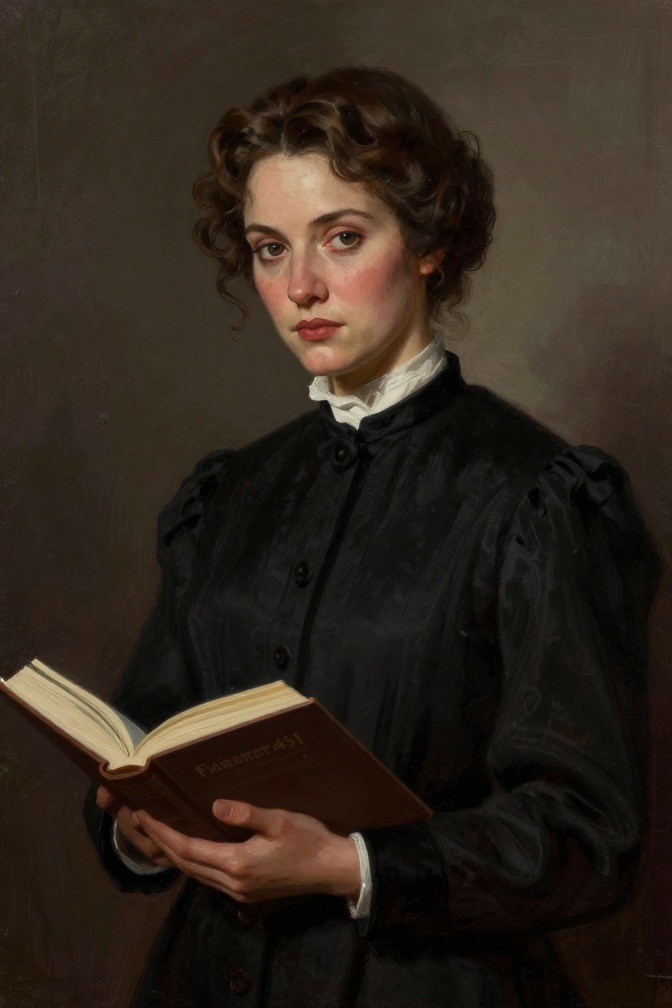
Mildred Montag is the wife of protagonist Guy Montag in Ray Bradbury's Fahrenheit 451, a woman so thoroughly immersed in the shallow, media-saturated culture of her dystopian society that she becomes a symbol of emotional emptiness and the failure of human connection. Her attempted suicide by overdose, her obsession with the interactive television "family," and her ultimate betrayal of her husband reveal the dehumanizing consequences of a world that has traded genuine feeling for constant, mindless entertainment.
Mrs. Black is a minor but symbolically significant character in Fahrenheit 451, the neighbor who reports the old woman with books to the firemen, and later becomes the unwitting recipient of Montag's retaliatory act of planting books in her home.
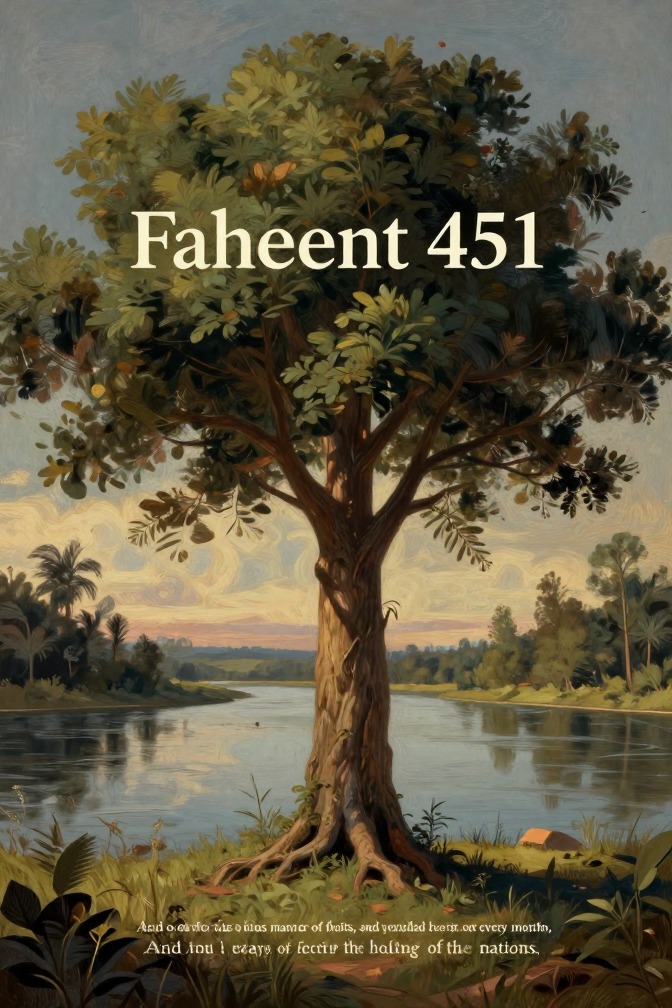
The biblical verse from Revelation, 'And on either side of the river was there a tree of life, which bare twelve manner of fruits, and yielded her fruit every month; And the leaves of the tree were for the healing of the nations,' becomes the final, salvific text that Guy Montag chooses to carry forward after the destruction of the city, representing the novel's ultimate turn from burning to healing and from destruction to preservation.
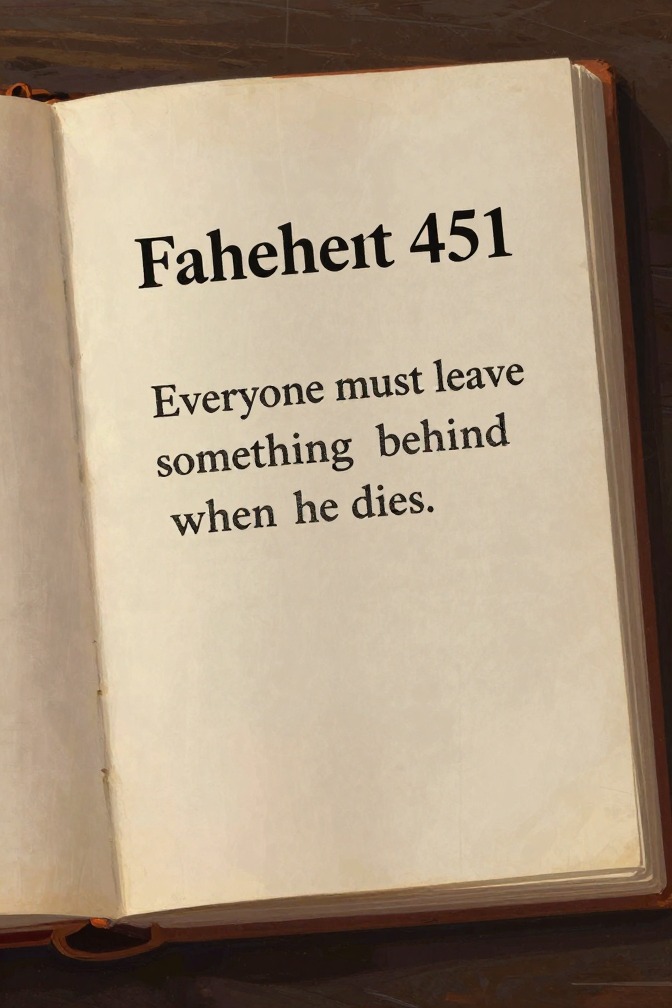
Granger's grandfather's saying, 'Everyone must leave something behind when he dies,' is the philosophical core of Fahrenheit 451, articulating the novel's central argument that a meaningful life is measured by the tangible, lasting impact one has on the world, a principle that directly counters the society's culture of disposability and emptiness.