Antiope, daughter of the river god Asopus, is a mortal woman who, according to Odysseus's account in the underworld, boasted of having slept with Zeus himself and bore him twin sons, Amphion and Zethus, who founded Thebes and built its famous seven-gated wall. Her brief appearance in the Odyssey serves as one of several paradigmatic tales of divine-mortal unions that Odysseus recounts to the Phaeacians, illustrating both the power of the gods and the heroic lineage of Thebes.
Cerberus, the hound of Hades, appears in the Odyssey only as a task set for Heracles, but his brief mention carries significant weight as a marker of the ultimate boundary between the living and the dead and as a symbol of the impossible labors that define the greatest of Greek heroes.
Diomedes, the son of Tydeus and a leading Achaean commander at Troy, appears in the Odyssey as a figure of the past whose decisive actions during the war and on the homeward voyage are recalled by Nestor and Odysseus, serving as a benchmark of heroic excellence and a contrast to the disorder that has overtaken Ithaca.
Epicaste, also known as Jocasta, is the mother and unwitting wife of Oedipus, whose tragic story is briefly recounted by Odysseus during his visit to the underworld in Book 11 of the Odyssey. Her appearance among the ghosts of famous women serves as a cautionary tale about the devastating consequences of unwitting incest and divine punishment, highlighting the theme of forbidden knowledge and the limits of human awareness.
Eurybates is a minor but significant figure in Homer's Odyssey, serving as Odysseus's herald and most trusted companion. He is distinguished not by heroic exploits but by his physical appearance—hunched shoulders, dark skin, and curly hair—and by the unique intellectual and temperamental kinship he shares with his master. His role is defined by a single, crucial function: he is the man Odysseus treats with greater familiarity than any other, being the most like-minded with himself. This makes Eurybates a living symbol of the deep, unspoken understanding that exists between a leader and his most loyal follower, a bond that Odysseus invokes as a final, irrefutable proof of his identity to Penelope.
Eurynome is a senior maidservant in Odysseus' household on Ithaca, who attends to Penelope and later helps prepare the bedchamber for the reunited couple. Her role, though minor, illustrates the texture of domestic life in the palace and the loyalty of the household staff during the crisis of the suitors.
Hera, the queen of the Olympian gods and wife of Zeus, appears only briefly in the Odyssey but exerts a decisive influence on the homecoming of the Greek heroes, protecting Agamemnon's fleet from destruction and indirectly shaping the fates of both Odysseus and the suitors through her role in the divine council and her intervention at sea.
Leda, wife of Tyndareus, is a minor but symbolically potent figure in the Odyssey, appearing in Odysseus's catalogue of famous women in the Underworld as the mother of the twin heroes Castor and Pollux, who are granted a unique alternating immortality.
Maera is a minor figure in the Odyssey, mentioned only in passing during Odysseus's catalogue of famous women he encounters in the Underworld. Her brief appearance serves to underscore the epic's thematic interest in female virtue and transgression, and her name is part of a larger pattern of allusive reference to mythological figures whose stories resonate with the poem's own concerns.
Melampus is a legendary seer and healer from Pylos, whose story is embedded in the Odyssey as an exemplar of prophetic skill, exile, and the recovery of stolen cattle, and whose lineage produces the seer Theoclymenus who accompanies Telemachus to Ithaca.
Mesaulius is a minor servant in the household of Odysseus, purchased by the swineherd Eumaeus during his master's long absence. He appears only once in the narrative, serving bread during a meal in Eumaeus's hut, and his presence underscores the self-sufficient management of the loyal swineherd's station and the broader theme of faithful service in the Odyssey.
The Muse is the divine source of poetic inspiration invoked at the opening of the Odyssey and throughout the poem, establishing the epic's authority, scope, and emotional power. As the goddess who grants the bard knowledge of events beyond mortal experience, she shapes the narrative's truth claims, its selection of material, and its capacity to move audiences. Her presence frames the entire story as a performance sanctioned by the divine, linking the poet's craft to cosmic memory.
Neleus is a minor but structurally significant figure in the Odyssey, appearing as the deceased father of King Nestor of Pylos and as a former king whose empty throne and remembered wisdom frame Nestor's authority. He is also the husband of Chloris and the father of several sons, including the hero Nestor, and his past actions—particularly his harsh treatment of the seer Melampus—are recalled to explain the exile of later prophets. Though dead before the poem's main action, Neleus's legacy shapes the political and genealogical landscape of Pylos and provides a contrast between the flawed rule of an earlier generation and the more balanced hospitality Nestor practices.
Phaedra is a figure from Greek mythology who appears briefly in Odysseus's catalogue of famous women during his visit to the Underworld in Book XI of the Odyssey, where her story is linked to that of Ariadne and the hero Theseus.
Sisyphus appears in the Odyssey as a figure of eternal, futile labor in the underworld, glimpsed by Odysseus during his journey to the land of the dead. His punishment—ceaselessly rolling a massive stone uphill only to have it roll back down—serves as one of the most vivid and enduring images of divine retribution in the poem, illustrating the theme of inescapable consequence for mortal transgression.
Stratius is a son of Nestor, king of Pylos, who appears briefly in the Telemacheia as one of the brothers who assist in the hospitality and sacrifice that mark Telemachus's visit. Though a minor figure, his presence within the orderly, pious household of Nestor underscores the generational continuity and ritual propriety that contrast sharply with the chaos in Ithaca.
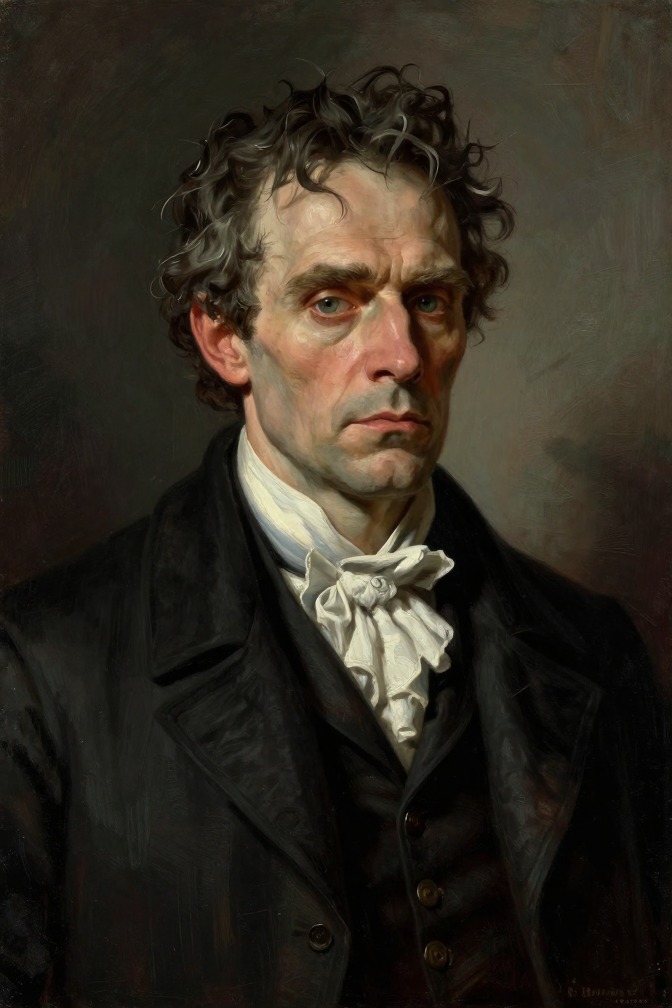
Alphonse Frankenstein is the father of Victor Frankenstein, a respected Genevese public figure whose life is defined by integrity, devoted love for his family, and a series of crushing losses that ultimately destroy him.
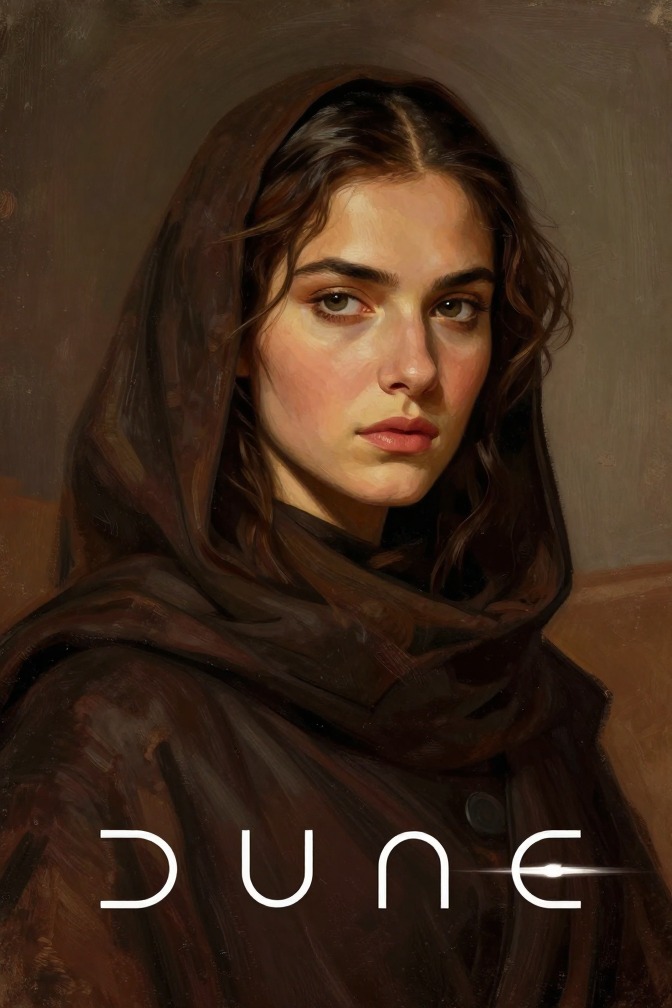
Chani, daughter of the Fremen leader Liet-Kynes, is the desert woman who becomes Paul Atreides' beloved companion and the mother of his firstborn son, Leto II. Her introduction to Paul is steeped in prophecy and prescience, as she is the girl from his earliest dreams on Caladan. Throughout Paul's transformation into Muad'Dib, Chani serves as his anchor to humanity, his Sihaya (desert spring), and a fierce warrior in her own right, embodying the strength and loyalty of the Fremen people.
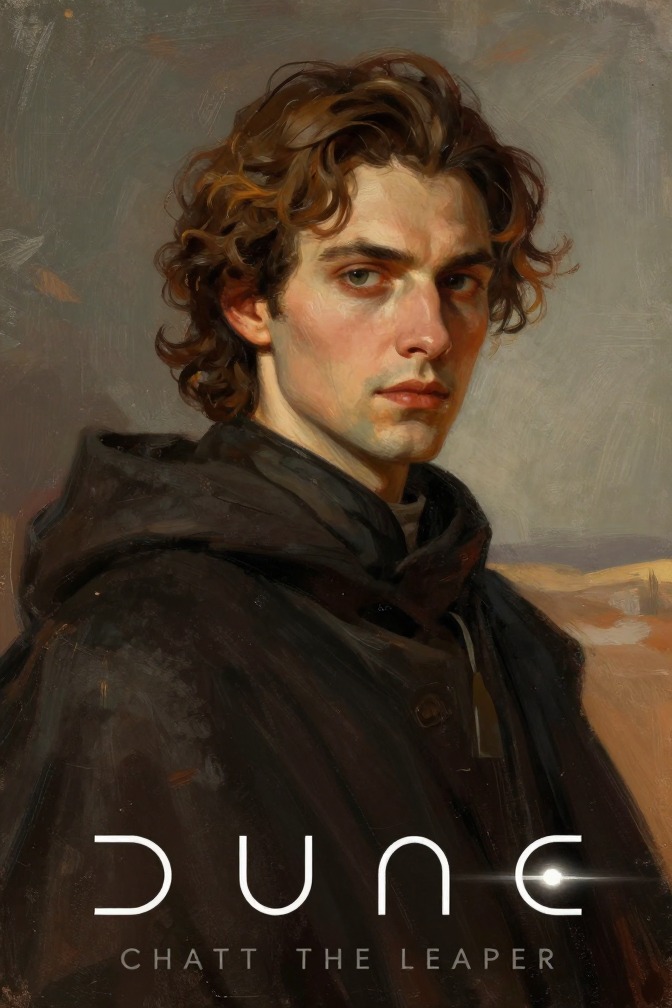
Chatt the Leaper is a Fremen Fedaykin captain and one of Muad'Dib's most trusted death commandos, known for his distinctive baliset playing and his role in guarding the Lisan al-Gaib during the desert campaigns.
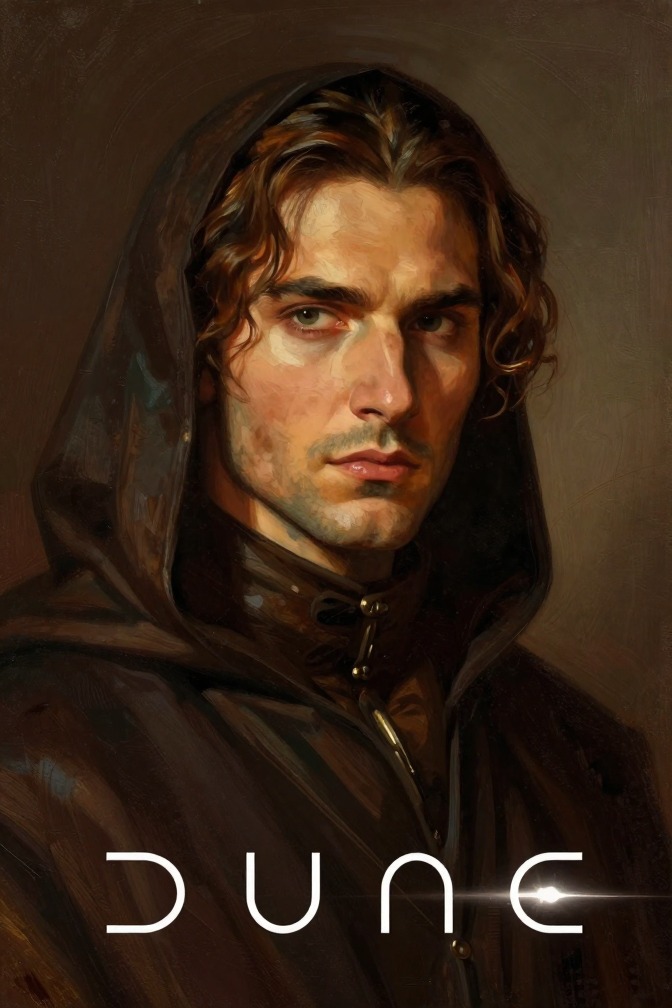
Czigo is a Harkonnen trooper who, along with his companion Kinet, is tasked with transporting Paul and Jessica into the desert to be killed by worms. His attempt to assault Jessica leads to his death at Paul's hands, marking Paul's first kill and a turning point in their escape.
Duncan Idaho is the Swordmaster of the Ginaz, a loyal and formidable warrior in the service of House Atreides. He is the first Atreides envoy to the Fremen, forging a crucial alliance that shapes the fate of Arrakis. His bravery, moral integrity, and ultimate sacrifice are pivotal to the survival of Paul and Jessica, and his legacy endures as a symbol of loyalty and martial prowess.
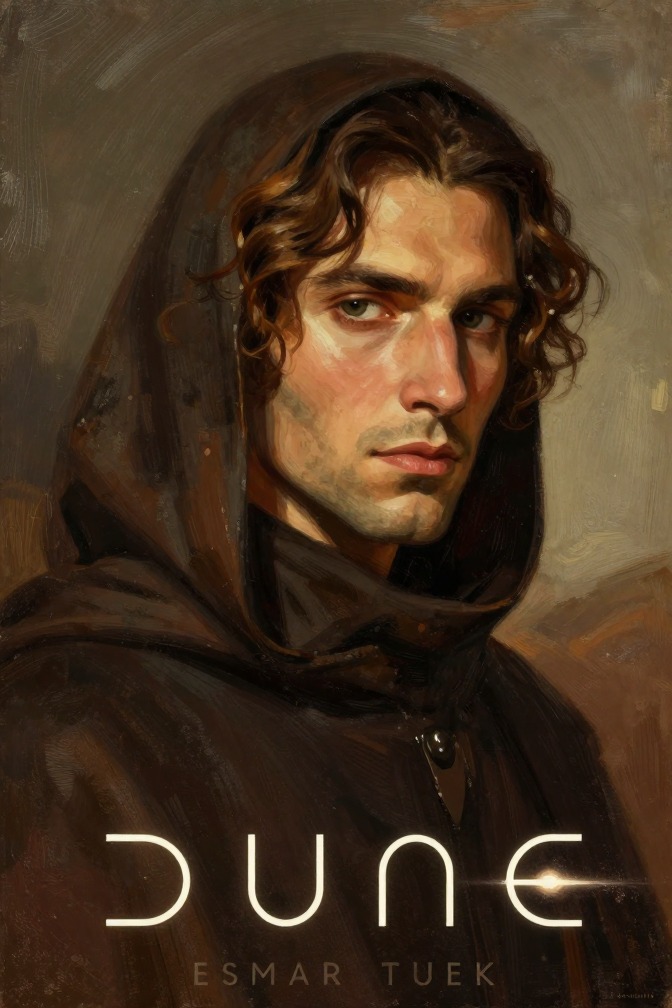
Esmar Tuek is a powerful smuggler leader on Arrakis, known for his influence among the free traders and his connections to the Fremen. He is killed by Harkonnen forces during the attack on the Atreides, and his death deeply affects his son, Staban Tuek, who later aids Gurney Halleck.
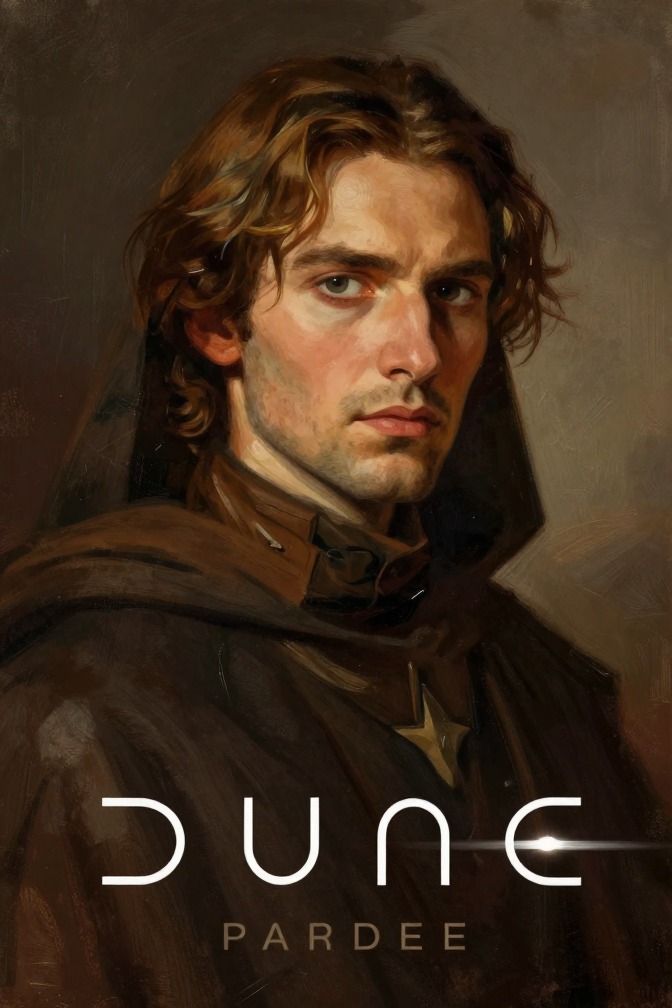
Pardee is a shadowy Harkonnen agent on Arrakis, identified by Thufir Hawat as the likely top man in the Harkonnen underground during the Atreides takeover. He is mentioned only through a fragmentary intercepted note, yet his existence drives the Duke's suspicion of Lady Jessica and shapes the paranoid atmosphere of the early Arrakis chapters.
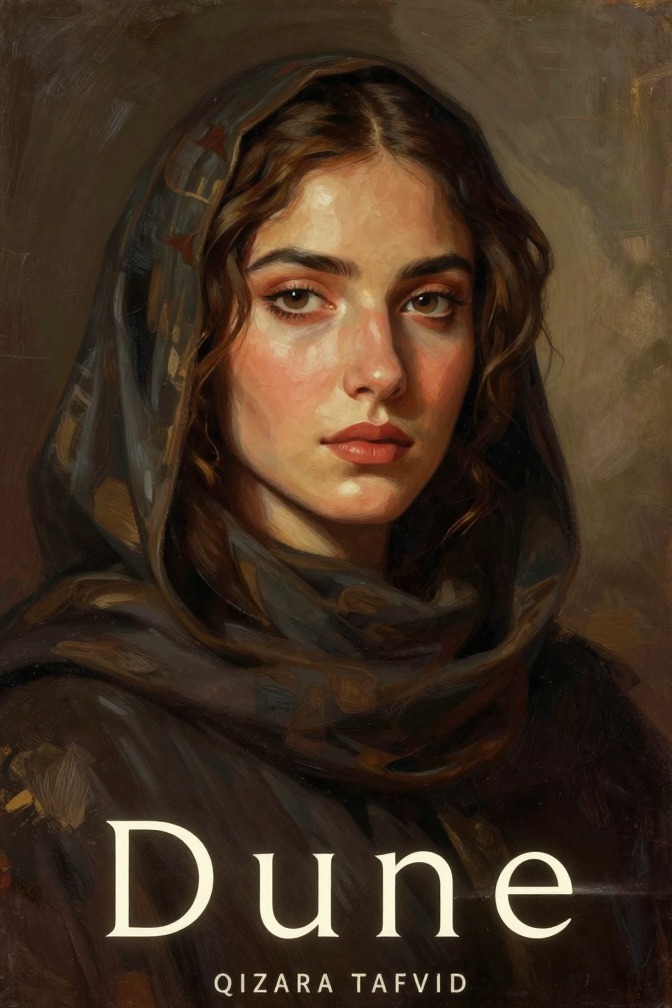
The Qizara Tafwid are the holy men, the priests, of the Fremen religion as it developed under Paul-Muad'Dib, the interpreters of his teachings and the custodians of the faith that swept across the universe. They represent the institutionalization of the messianic legend that Paul both fulfilled and sought to escape, transforming a desert survival cult into a galaxy-spanning religious hierarchy. Their existence marks the point where the Fremen's dream of paradise and Paul's personal struggle against a universe-consuming jihad became one and the same, a force that could not be stopped even by the man who had set it in motion.
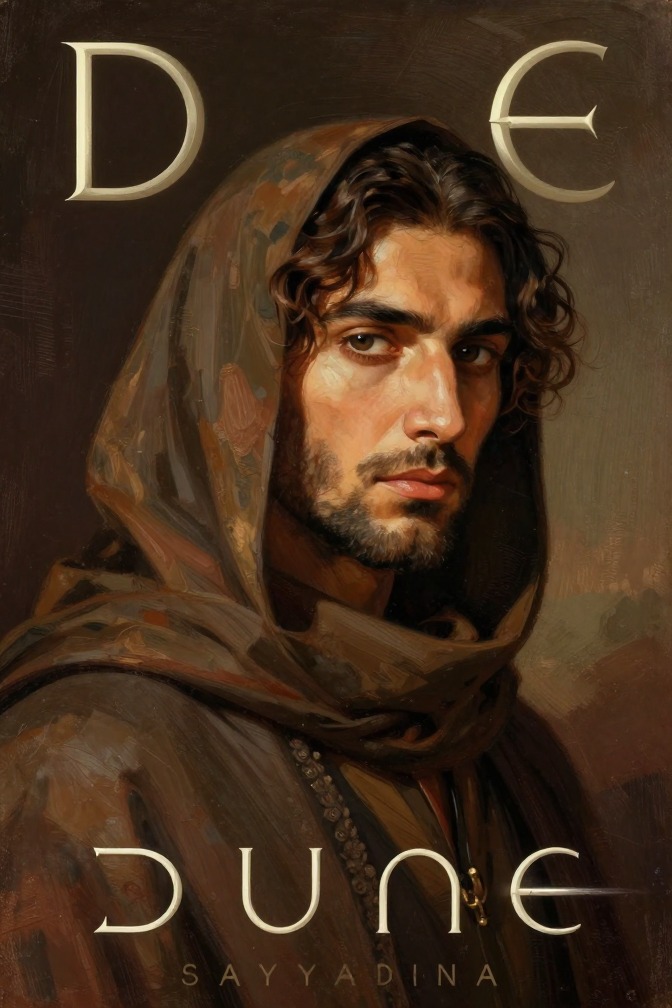
Sayyadina is the Fremen title for a female acolyte in their religious hierarchy, a role that carries profound spiritual and communal significance on Arrakis. The term, rooted in the ancient Chakobsa hunting language, designates women who serve as intermediaries between the tribe and its faith, often undergoing rites that test their devotion and connection to the desert's mysteries. The Sayyadina's position is distinct from that of a Reverend Mother, yet it serves as a crucial stepping stone toward that higher spiritual authority, embodying the Fremen's unique blend of survival pragmatism and religious fervor.
The Old Duke, also known as Leto Atreides I, is the deceased paternal grandfather of Paul Atreides and the father of Duke Leto Atreides. Though he never appears alive in the narrative, his legacy profoundly shapes the House of Atreides and the events of Dune. He is remembered as a man of bravura and strength, whose death at the horns of a bull became a symbol of the family's honor and defiance, and whose portrait and memory serve as a constant reminder of the Atreides' proud and tragic history.
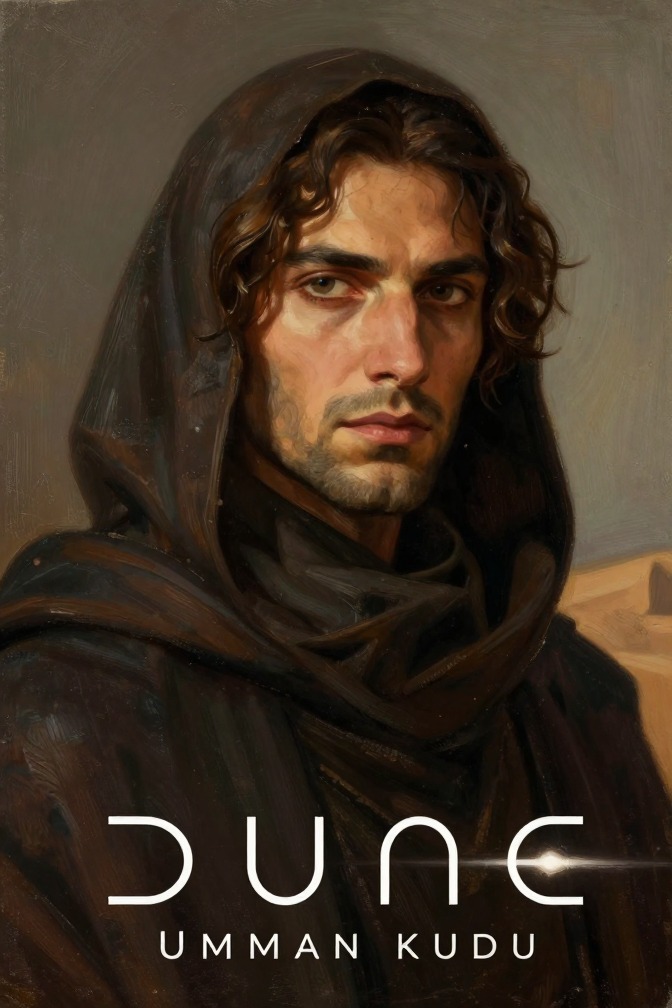
Umman Kudu is the captain of Baron Vladimir Harkonnen's personal guard, a man whose loyalty is secured by his known vices and whose death serves as a pivotal moment in the Baron's campaign against House Atreides.
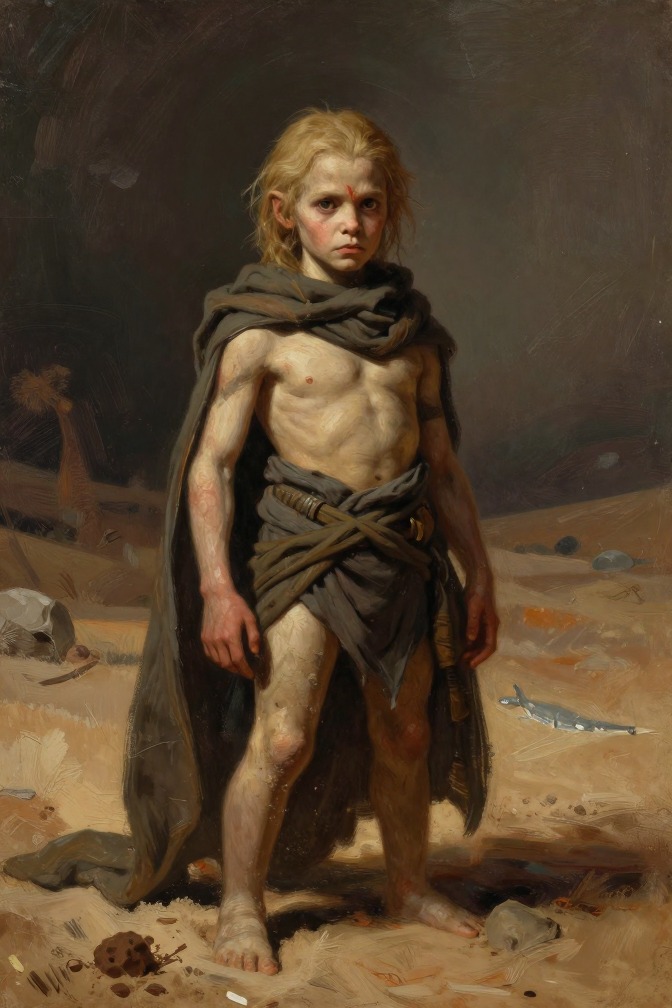
The Little Maker (Sandtrout) is the larval stage of the sandworm (Shai-Hulud) on Arrakis, a half-plant, half-animal creature whose excretions form the pre-spice mass that becomes melange. It is central to the planet's ecology and economy, and its existence is a closely guarded secret that shapes the Fremen's terraforming dream and the political power of the spice.
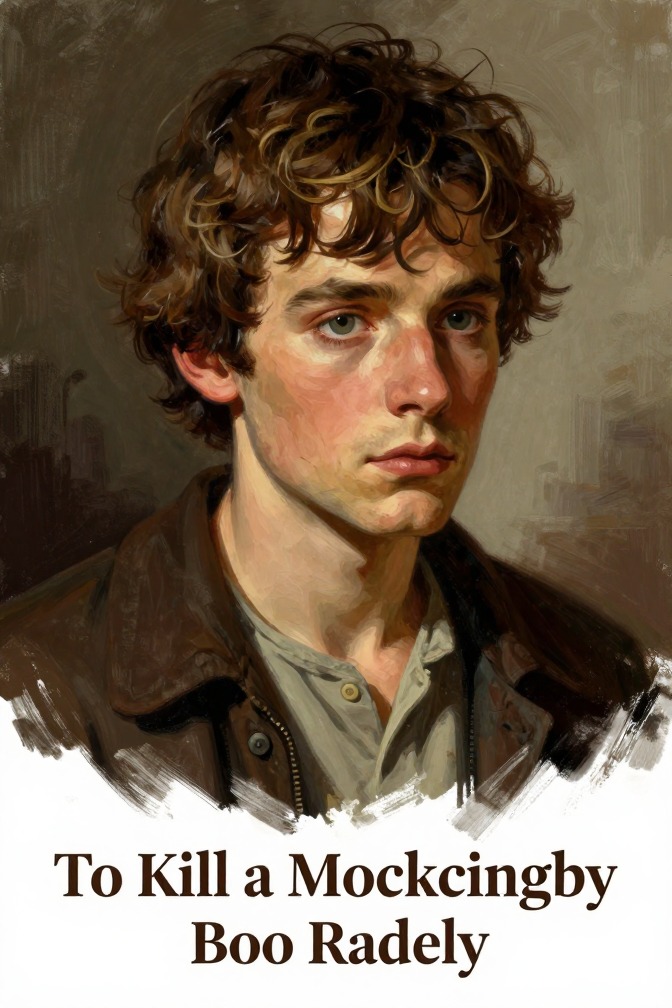
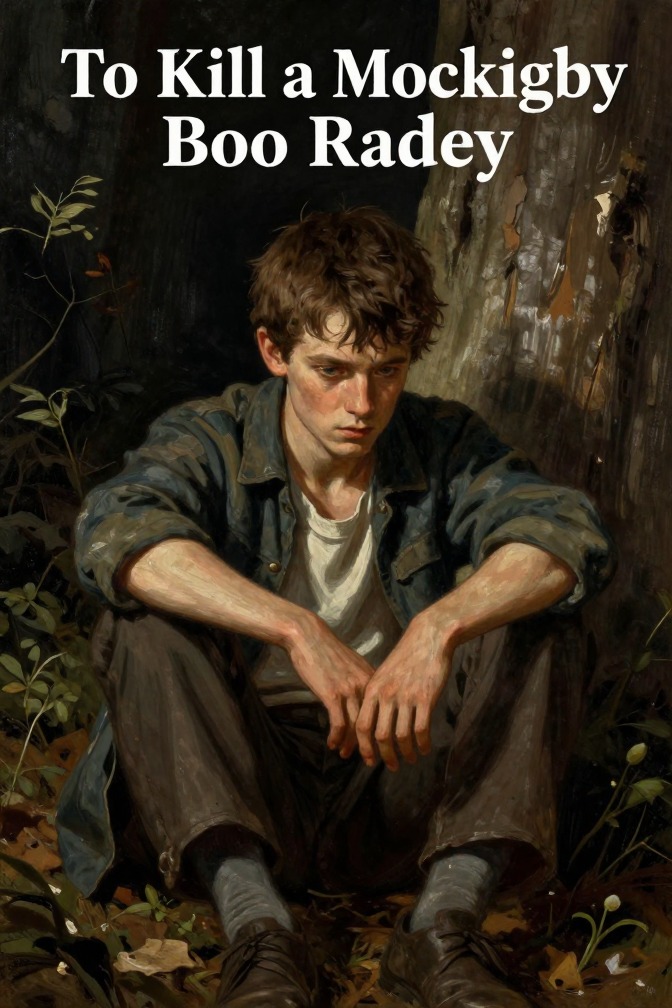
Boo Radley is the reclusive neighbor of the Finch children, a figure of local legend and fear who gradually reveals himself as a secret protector and gift-giver, ultimately emerging as a symbol of misunderstood innocence and quiet courage.
Boo Radley's Seclusion is the defining condition of Arthur "Boo" Radley, the reclusive neighbor of the Finch family in Maycomb, Alabama. His decades-long confinement within the Radley Place transforms him into a figure of local legend and fear, yet the novel gradually reveals his seclusion as a complex state shaped by family control, community prejudice, and his own quiet acts of kindness, culminating in his emergence as a secret protector of Scout and Jem Finch.