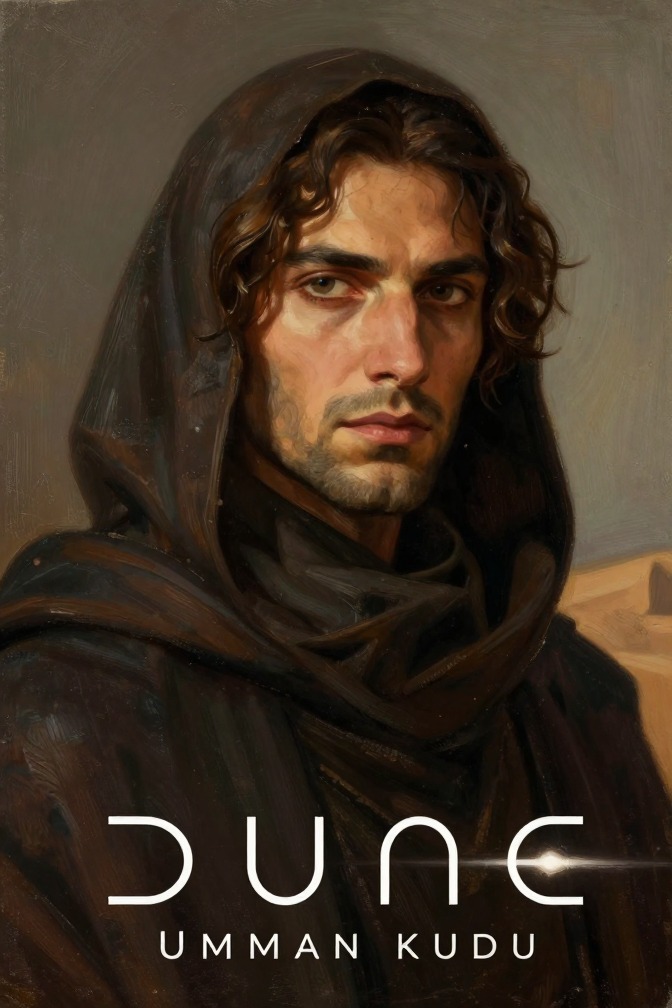
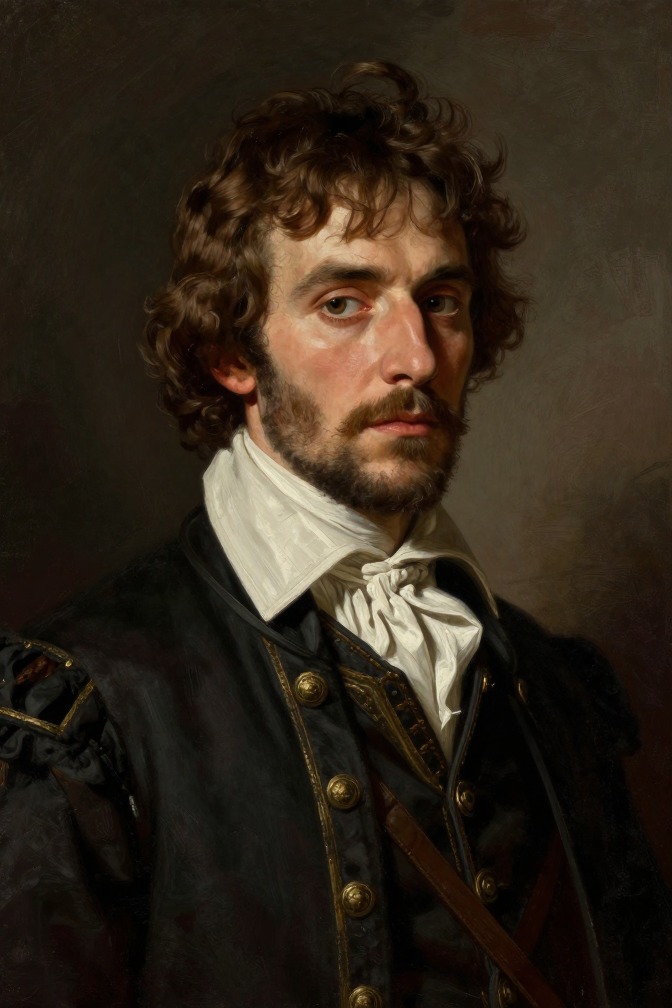
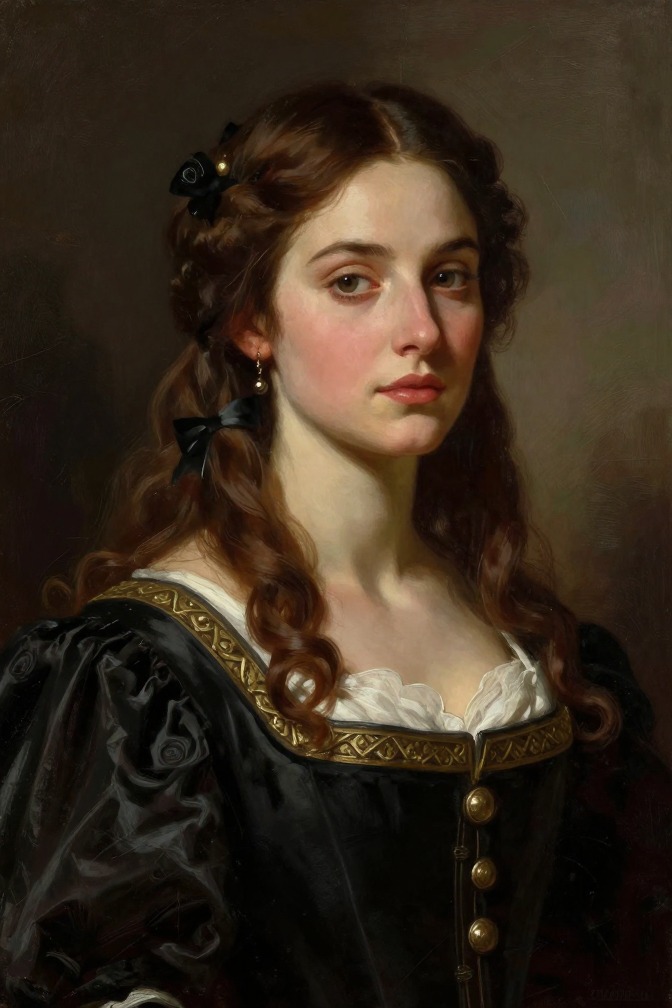
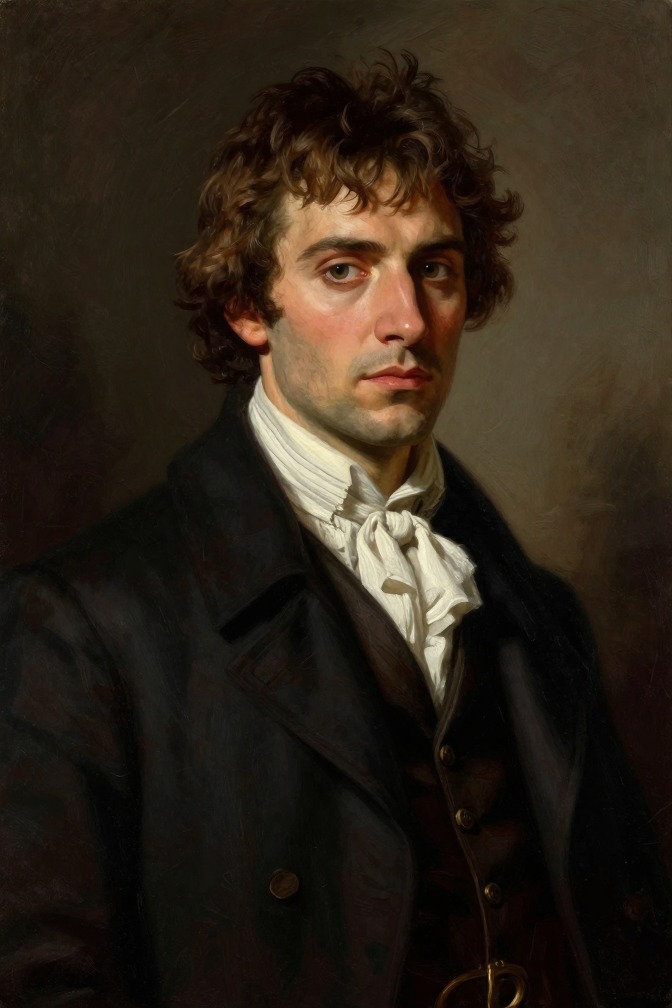
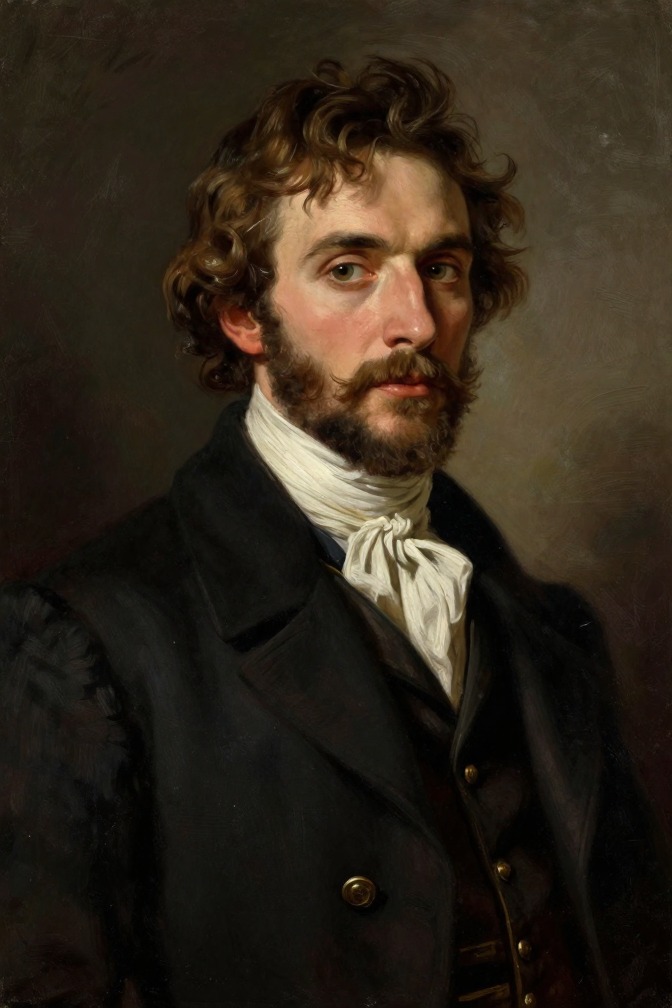
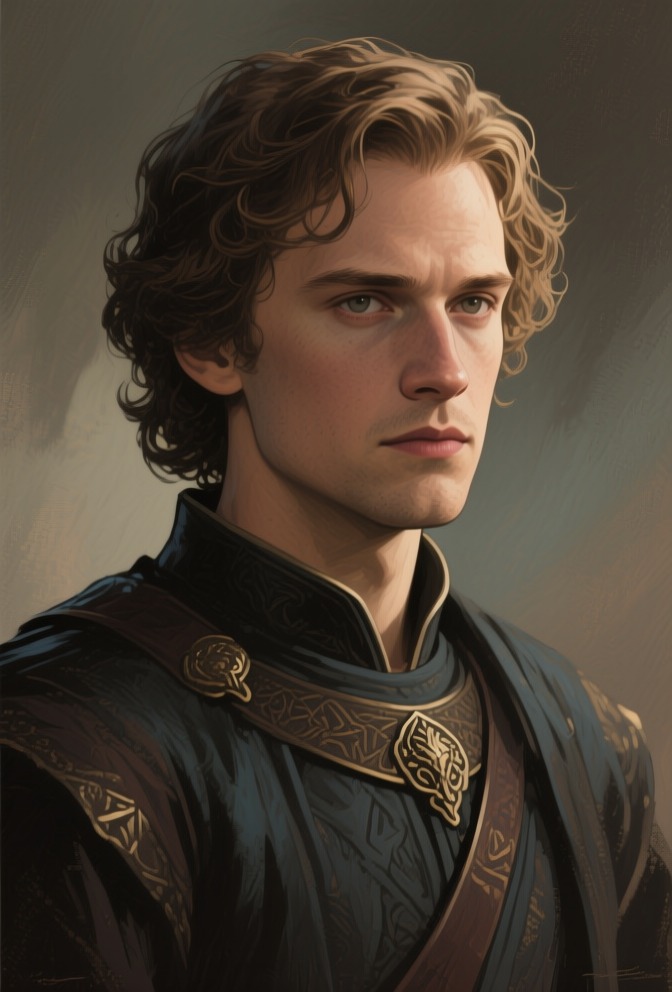
Umman Kudu is the captain of Baron Vladimir Harkonnen's personal guard, a man whose loyalty is secured by his known vices and whose death serves as a pivotal moment in the Baron's campaign against House Atreides.
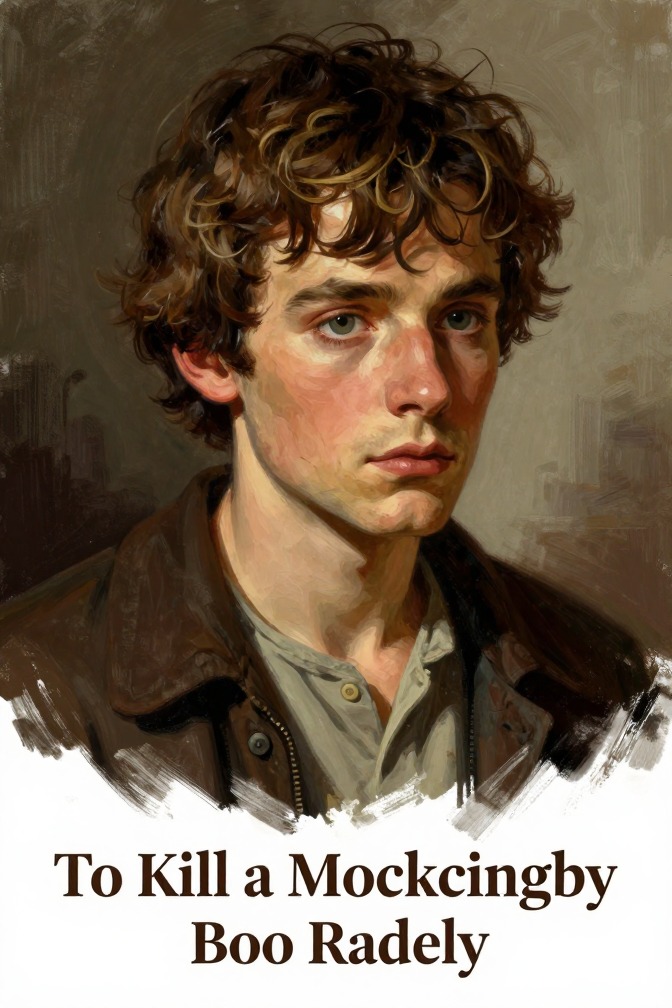
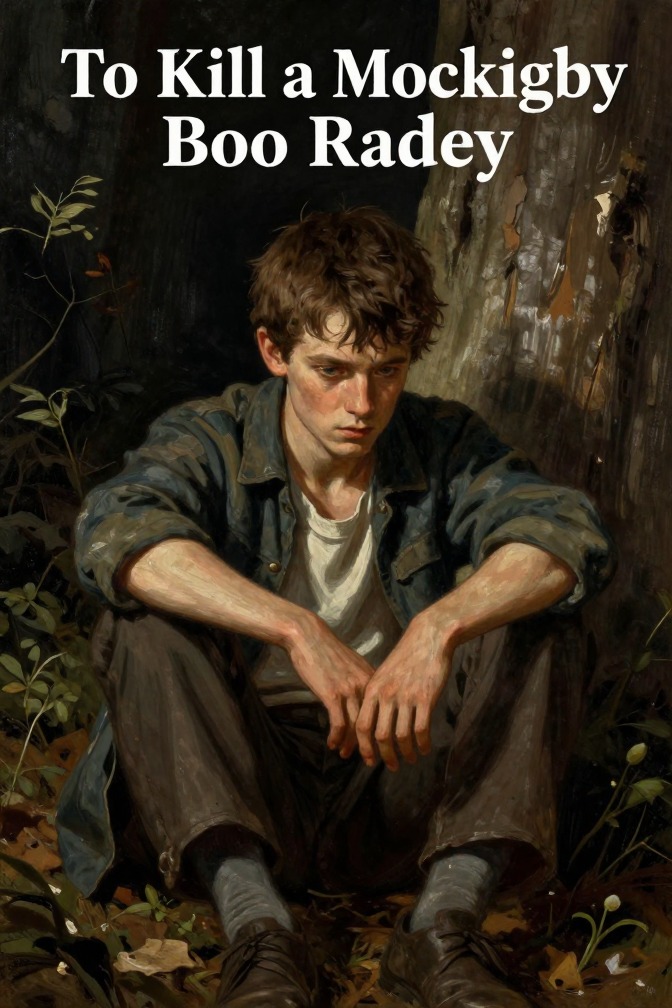
Boo Radley is the reclusive neighbor of the Finch children, a figure of local legend and fear who gradually reveals himself as a secret protector and gift-giver, ultimately emerging as a symbol of misunderstood innocence and quiet courage.
Boo Radley's Seclusion is the defining condition of Arthur "Boo" Radley, the reclusive neighbor of the Finch family in Maycomb, Alabama. His decades-long confinement within the Radley Place transforms him into a figure of local legend and fear, yet the novel gradually reveals his seclusion as a complex state shaped by family control, community prejudice, and his own quiet acts of kindness, culminating in his emergence as a secret protector of Scout and Jem Finch.
Horace Derwent is a mysterious and powerful millionaire inventor, film producer, and entrepreneur who owned the Overlook Hotel after World War II, pouring millions into its renovation and transforming it into a showplace, but ultimately failing to make it profitable and selling it under circumstances that suggest ongoing involvement through front companies and organized crime connections.
Barrois is the devoted old servant of Noirtier de Villefort, who serves his paralyzed master for twenty-five years and becomes a key victim in the poisoning plot orchestrated by Madame de Villefort. His death, caused by drinking poisoned lemonade intended for Noirtier, exposes the criminal conspiracy and sets in motion the final revelations of the novel.
Carmela is the beautiful and beloved daughter of the Count of San-Felice, a wealthy Roman nobleman. Her presence at a grand masked ball triggers a crisis of jealousy in the young shepherd Luigi Vampa, ultimately leading him to abandon his pastoral life and become the feared chief of a bandit gang. Carmela thus serves as a pivotal catalyst in Vampa's transformation from a talented peasant into a legendary outlaw.
The Comte de Salvieux is a minor but strategically placed character in The Count of Monte Cristo, a chamberlain to the Comte d'Artois and an old friend of the Saint-Meran family. He appears in two key scenes: first, at the betrothal dinner of Villefort and Renee de Saint-Meran, where he participates in the royalist political discussion and mentions the Holy Alliance's plan to transfer Napoleon from Elba to Saint Helena; and second, as the intermediary who provides Villefort with the letter of introduction that enables the ambitious magistrate to gain a private audience with King Louis XVIII. Through these appearances, Salvieux functions as a conduit between the aristocratic Saint-Meran circle and the highest levels of the restored Bourbon court, and his actions directly facilitate Villefort's fateful rise.
General Quesnel, also known as Baron d'Epinay, is a French royalist general whose assassination by the Bonapartist Club in 1815 sets in motion a chain of political and personal vendettas that reverberate through the novel, ultimately linking the fates of the Villefort, Morcerf, and d'Epinay families.
M. Deschamps is the family notary who presides over the drafting and signing of Noirtier de Villefort's will, a document that disinherits Valentine and triggers a decisive confrontation between the paralyzed patriarch and his son, the king's attorney.
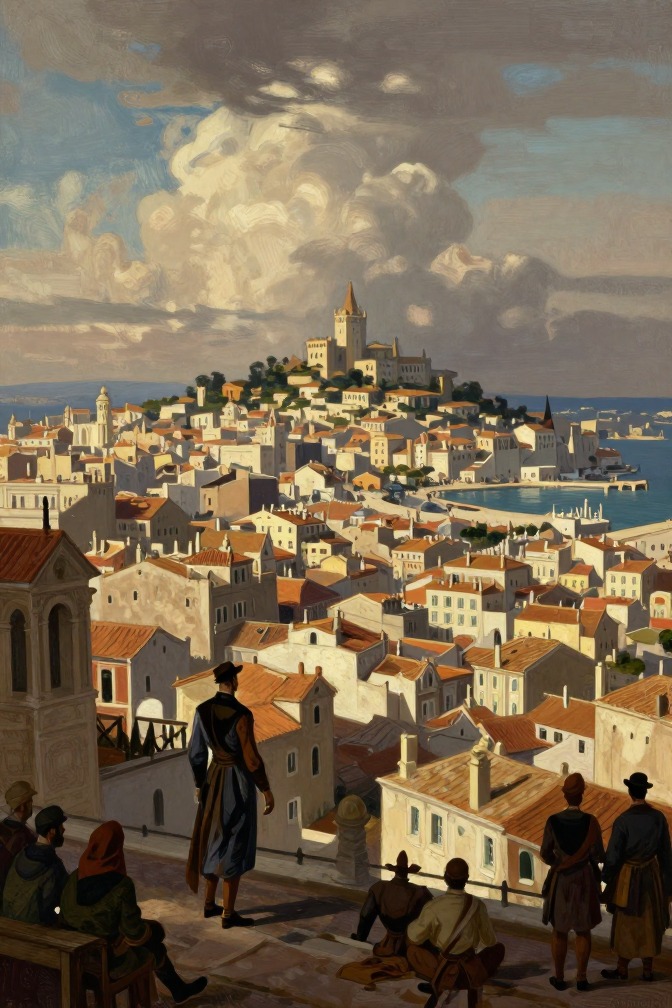
Marseilles is the bustling Mediterranean port city where Edmond Dantes begins his journey as a young, promising sailor aboard the Pharaon, and where his arrest, imprisonment, and the seeds of his lifelong quest for vengeance are set in motion.
The Treasure of Monte Cristo, also known as the Spada treasure, is a vast hidden fortune of gold, jewels, and diamonds, originally amassed by Cardinal Caesar Spada in the 15th century and concealed on the uninhabited island of Monte Cristo. Its discovery by Edmond Dantes after his escape from the Chateau d'If provides him with the immense wealth he uses to reinvent himself as the Count of Monte Cristo and execute his elaborate plans of vengeance and reward.
The enmity between Monte Cristo and Caderousse is a secondary but crucial thread in the Count's web of vengeance, rooted in Caderousse's cowardly complicity in the plot that sent Edmond Dantes to the Chateau d'If. Unlike the grand antagonists Danglars, Fernand, and Villefort, Caderousse is a weak, avaricious man whose betrayal stems from drunkenness and self-interest rather than active malice. Monte Cristo's treatment of him oscillates between contemptuous manipulation and a final, terrible judgment, making Caderousse both a tool and a victim in the Count's grand design.
The love between Edmond Dantes and Haidee is a central romantic relationship in the novel, representing the final, redemptive attachment that allows the Count of Monte Cristo to relinquish his all-consuming quest for vengeance and embrace a future of personal happiness. Their bond, which begins with the Count purchasing Haidee as a slave in Constantinople and evolves into a deep, mutual devotion, culminates in their departure together at the story's end, symbolizing the triumph of love and hope over the isolation and bitterness of a life dedicated to retribution.
Lord Ingram, also called Theodore Ingram or Tedo, is a tall, handsome, but apathetic and listless aristocrat who appears during the house party at Thornfield Hall. He is the brother of Blanche and Mary Ingram, and his languid demeanor and lack of vigor contrast sharply with the forceful presence of Mr. Rochester, underscoring the novel's critique of a titled class that possesses physical elegance but little inner fire.
Madame Pierrot is the French teacher at Lowood Institution, a minor but functional character whose presence provides Jane Eyre with the French-language foundation that later proves essential at Thornfield Hall.
Éowyn, the White Lady of Rohan, is a noblewoman who defies her prescribed role as a caretaker to become a warrior, ultimately slaying the Witch-king of Angmar before finding a new purpose as a healer and the wife of Faramir, Prince of Ithilien.
Halle Suggs is a central yet largely absent figure in Toni Morrison's Beloved, whose fate shapes the lives of Sethe, Paul D, and Baby Suggs. His disappearance during the escape from Sweet Home, his breakdown at the churn, and his role as the devoted son who bought his mother's freedom define his tragic significance.
Howard is the elder of Sethe's two sons, who, along with his younger brother Buglar, flees 124 Bluestone Road as a thirteen-year-old after the house's spiteful ghost commits an unbearable insult. His departure marks the beginning of the family's disintegration and is a recurring absence that haunts Sethe's memory and Denver's childhood.
Frederick Beale, Jr. is the driver of the Packard that strikes and kills Charlotte Haze in a traffic accident outside her Ramsdale home, an event that removes the final obstacle to Humbert Humbert's possession of Lolita and sets the entire second half of the novel in motion.
Louise Windmuller is a minor but recurring character in Lolita, appearing as a schoolmate of Dolores Haze and later as a college student mentioned in the foreword. Her presence in the narrative is brief but serves to anchor the story in a recognizable social world and to provide a contrast to Lolita's fate.
Miss Lester is a minor but sharply observed neighbor in Beardsley, whose brief appearances in Humbert Humbert's narrative serve as a constant reminder of the conventional, watchful community that surrounds his illicit household. She embodies the polite but penetrating scrutiny of small-town respectability, and her interactions with Humbert and Dolores Haze underscore the tension between the narrator's carefully constructed facade and the reality he is desperate to conceal.
Miss Opposite is the anonymous, invalid neighbor of the Haze family on Lawn Street in Ramsdale, a permanently porch-bound elderly woman whose silent, rhythmic waving and whose property become the stage for Charlotte Haze's accidental death. Though she never speaks a line of dialogue, her fixed position as a witness and her ivied house function as a persistent, almost choric presence in the narrative, marking the boundary of domestic space and the point where fate intervenes with lethal irony.
Mrs. Leigh, née Vanessa van Ness, is the mother of Annabel Leigh, the childhood sweetheart whose premature death shapes Humbert Humbert's lifelong obsession with nymphets. She appears only briefly in the narrative, but her role as a repressive, oblivious parent—alongside her husband—creates the conditions for the thwarted adolescent romance that Humbert later insists was the precursor to his passion for Lolita.
Beatrice Taylor is a minor but pivotal character in Agatha Christie's *And Then There Were None*, a young servant girl whose suicide after being dismissed by Emily Brent for becoming pregnant out of wedlock forms the basis of one of the ten accusations leveled by the mysterious U.N. Owen. Though she never appears in the story's present, her fate haunts the narrative as a symbol of merciless moral judgment and the legal system's inability to punish cruelty that operates within the bounds of social propriety.
Grey Wind is the direwolf of Robb Stark, the eldest trueborn son of Eddard Stark and the heir to Winterfell. As the largest and most aggressive of the litter found in the late summer snows, Grey Wind becomes Robb's constant companion, a symbol of his authority, and a weapon in battle, playing a decisive role in Robb's victories and in his transformation from a boy into a lord and king.
Hake is a ranger of the Night's Watch at Castle Black, a veteran of the haunted forest whose practical skills and grim humor mark him as one of the old, hard men of the Wall. He appears in scenes of ranging, corpse-handling, and camp life, where his blunt competence and dark jokes contrast with the fear and superstition of younger brothers.
Halder, a Castle Black recruit nicknamed "Stone Head," is a stonemason's apprentice who becomes one of Jon Snow's first and most loyal friends in the Night's Watch, evolving from a brutish opponent in the training yard into a steadfast brother who helps defend Samwell Tarly and later joins Jon in attempting to prevent his desertion.
Hodor is a simple-minded, gentle giant of a stableboy at Winterfell, whose only spoken word is his own name. Despite his limited intellect, he serves as Bran Stark's indispensable legs after Bran's fall, carrying him in a wicker basket on his back and enabling the crippled boy to move through the castle and beyond. His immense physical strength, unwavering loyalty, and mysterious connection to the old gods and the crypts make him a figure of both practical necessity and quiet, unsettling depth.
Renly Baratheon is the youngest brother of King Robert Baratheon, a charismatic and fashionably ambitious lord who serves as master of laws on the small council and later claims the Iron Throne for himself after Robert's death.
Viserys Targaryen, the exiled 'Beggar King' and elder brother of Daenerys, is a figure of dwindling power and escalating delusion whose desperate claim to the Iron Throne leads him to sell his sister to Khal Drogo, only to be destroyed by the very Dothraki he sought to command when his arrogance and weakness provoke a grotesque execution.