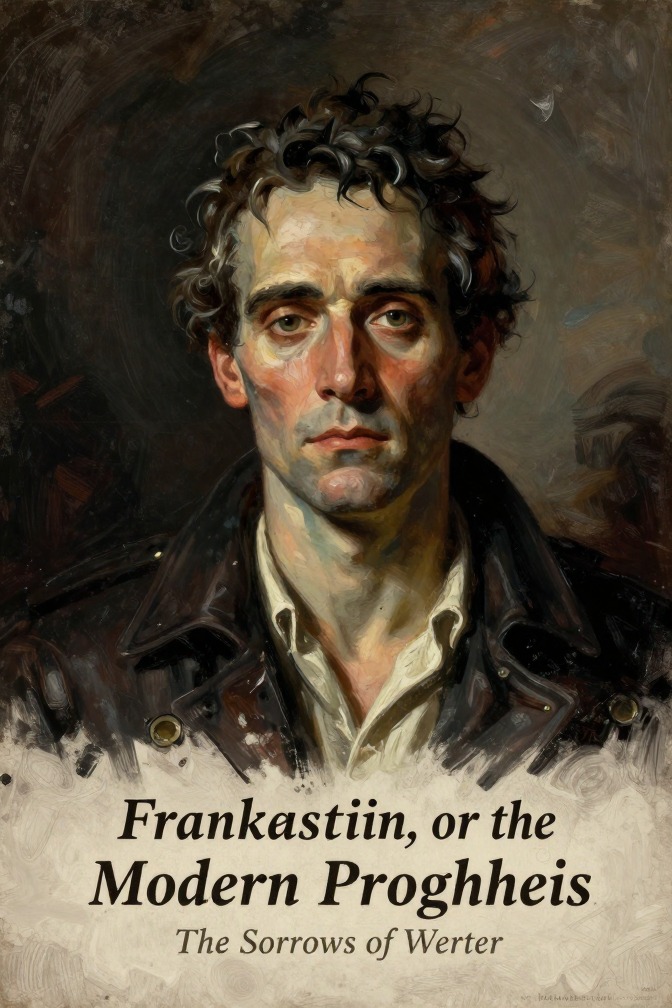
The Sorrows of Werter is a novel that the monster discovers in a leathern portmanteau and reads during his self-education, profoundly shaping his emotional and intellectual development by introducing him to themes of despair, suicide, and the longing for connection.
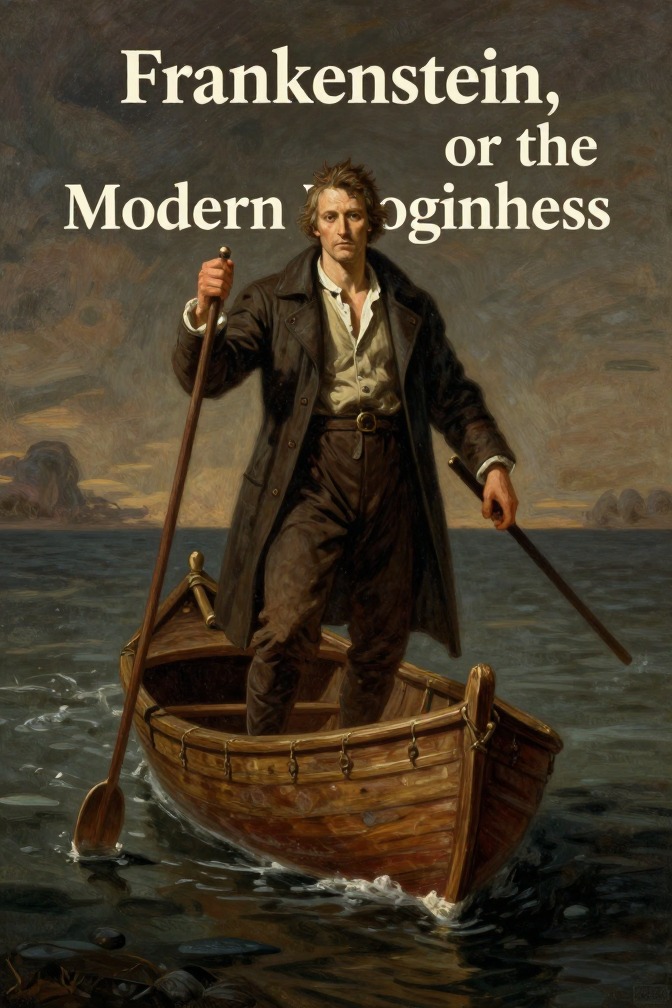
Victor's skiff is the small boat he uses to dispose of the remains of the destroyed female creature, which then carries him across the sea in a storm, leading to his arrival in Ireland and subsequent arrest for the murder of Henry Clerval.
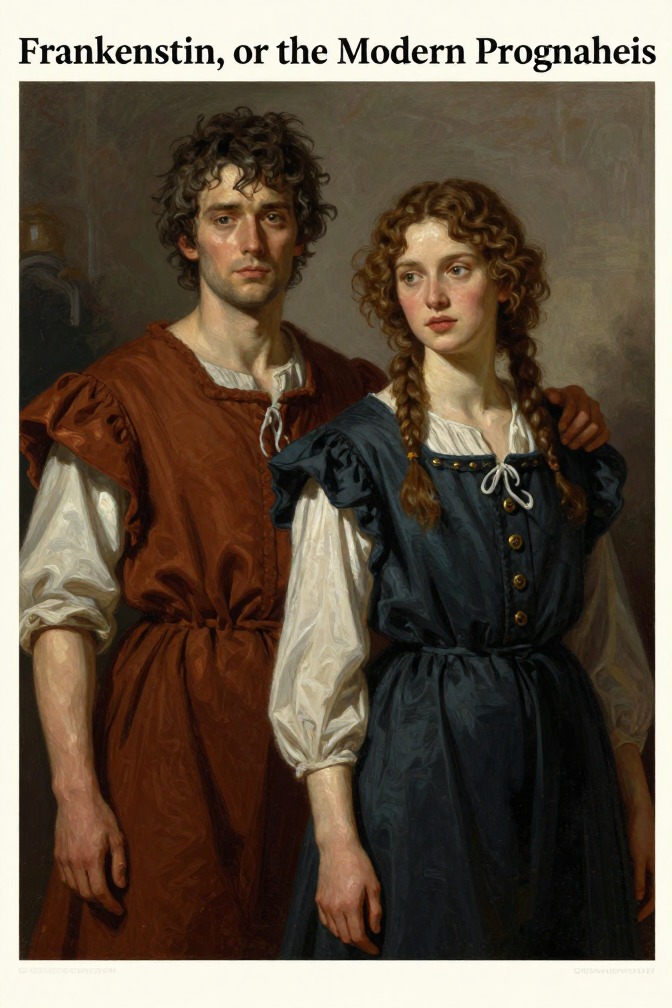
Felix and Safie are the young lovers whose story, embedded within the monster's narrative, provides a crucial counterpoint to the central relationship between Victor Frankenstein and his creature, illustrating the possibilities of cross-cultural love, sacrifice, and the devastating consequences of prejudice and betrayal.
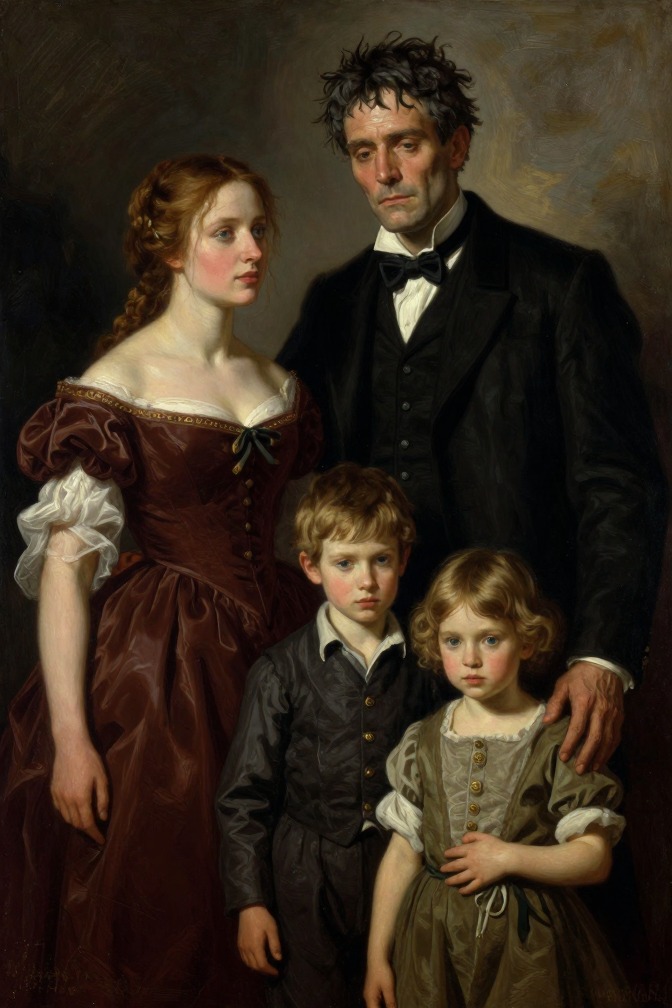
Justine Moritz, a servant in the Frankenstein household, is a figure of tragic innocence whose life becomes entangled with the family's fate through her devoted service, her wrongful conviction for the murder of young William Frankenstein, and her execution, which deepens Victor Frankenstein's guilt and sets the stage for the monster's campaign of vengeance.
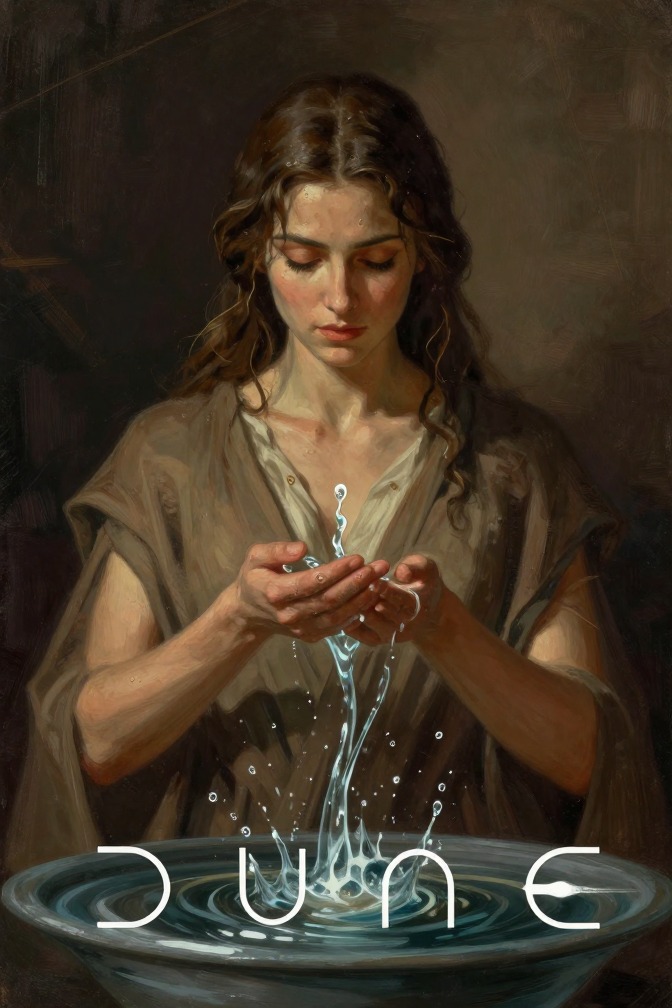
Jessica's Water of Life Transformation is the pivotal ritual in which Lady Jessica, having fled into the Fremen desert with her son Paul, drinks the raw Water of Life—a lethal poison—and, through her Bene Gesserit training, transmutes it within her body, thereby becoming a Reverend Mother of the Fremen. This event not only secures her sanctuary among the Fremen but also exposes her unborn daughter Alia to the drug, creating the pre-born 'abomination' whose unique consciousness shapes the future of the Atreides line.
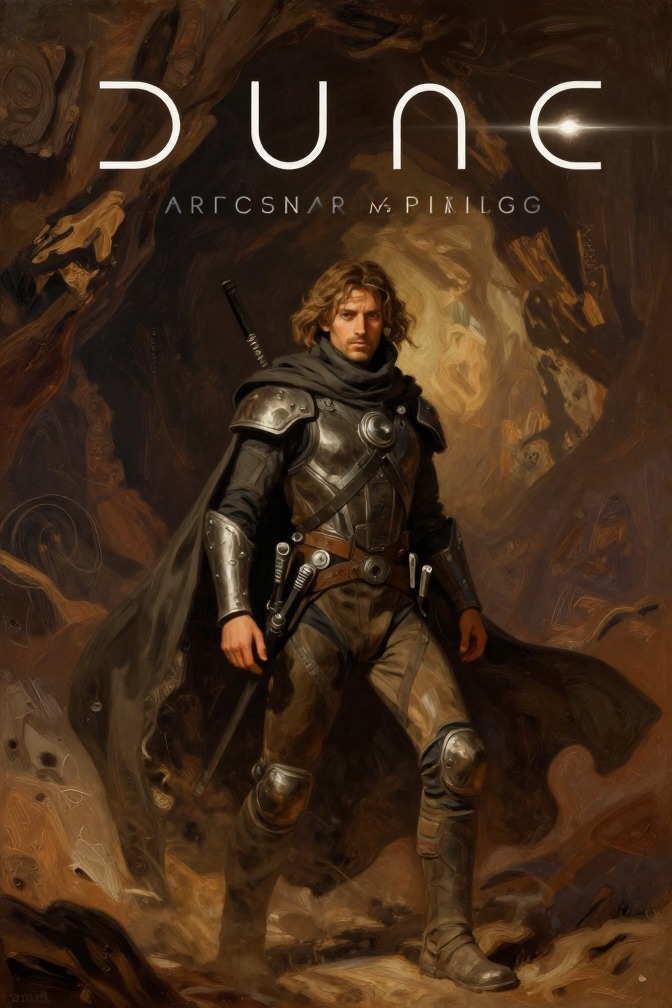
The Sardaukar Uprising in Cave of Birds is a pivotal event in Frank Herbert's Dune, occurring after Paul-Muad'Dib's reunion with Gurney Halleck. It is a violent confrontation where ten Imperial Sardaukar, disguised as smugglers, attack the Fremen within the cave, leading to a decisive victory for Paul's forces and the capture of Captain Aramsham. This event reveals the Emperor's direct involvement, showcases Paul's tactical brilliance and leadership, and solidifies his position as a formidable leader, setting the stage for the final confrontation with the Padishah Emperor.
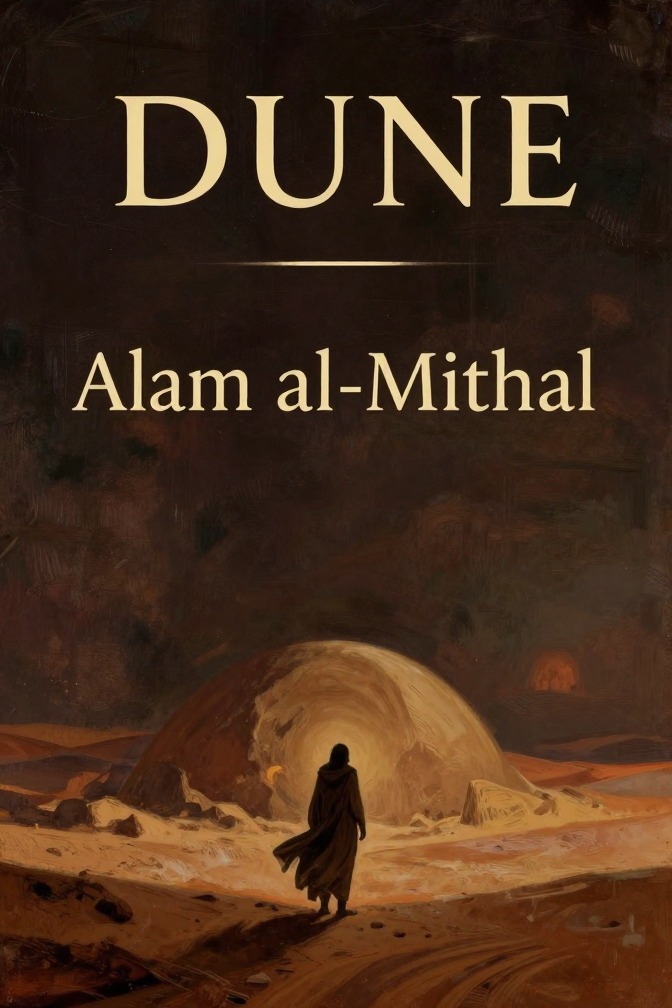
Alam al-Mithal is the metaphysical realm of similitudes in Fremen belief, a place where all physical limitations are removed and where the ruh-spirit is said to have its true existence. It is central to understanding Paul-Muad'Dib's prescience and the religious awe he inspires, as he is believed to access this realm, and it parallels the Bene Gesserit concept of the Kwisatz Haderach.
The pre-spice mass is the crucial stage in the spice cycle on Arrakis, formed when water floods the excretions of the Little Maker, leading to a violent 'blow' that brings melange to the surface. It is central to the Fremen's ecological dream and to Paul-Muad'Dib's ultimate threat to destroy the spice.
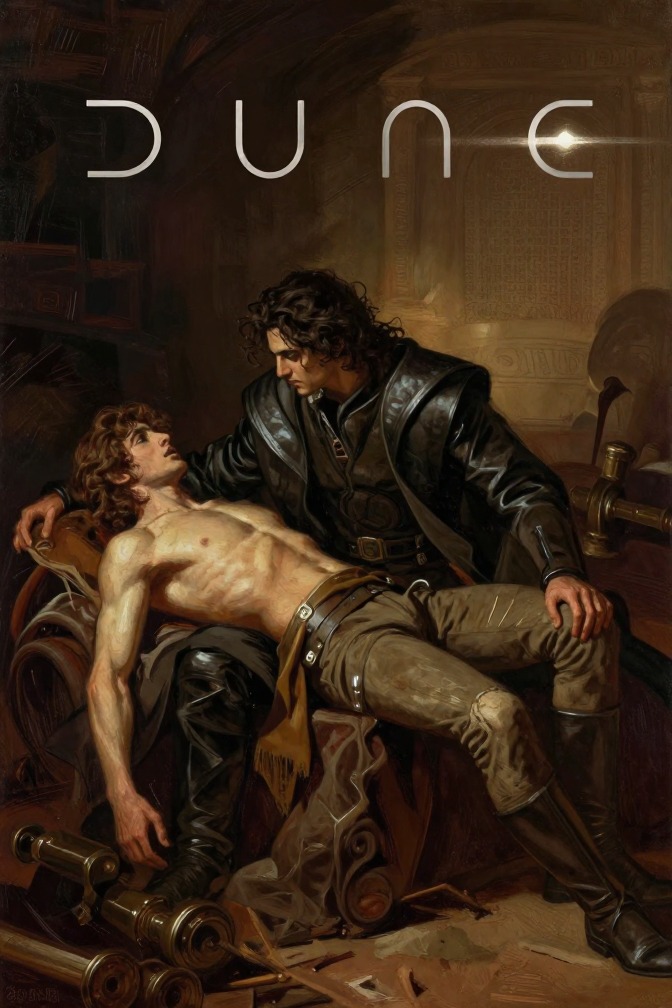
The Poison Tooth Incident is the climactic moment of the Harkonnen plot against House Atreides, in which the captured Duke Leto Atreides, drugged and chained before Baron Vladimir Harkonnen, bites down on a poison capsule disguised as a false tooth planted by the traitor Dr. Wellington Yueh. The resulting gas kills the Duke, the Mentat Piter de Vries, and a guard captain, while the Baron narrowly escapes by chance and his activated shield. The event marks the death of the Atreides patriarch, the destruction of the Harkonnen Mentat, and the moment that forces Paul Atreides into his role as the fugitive Duke, setting the stage for his rise as Muad'Dib.
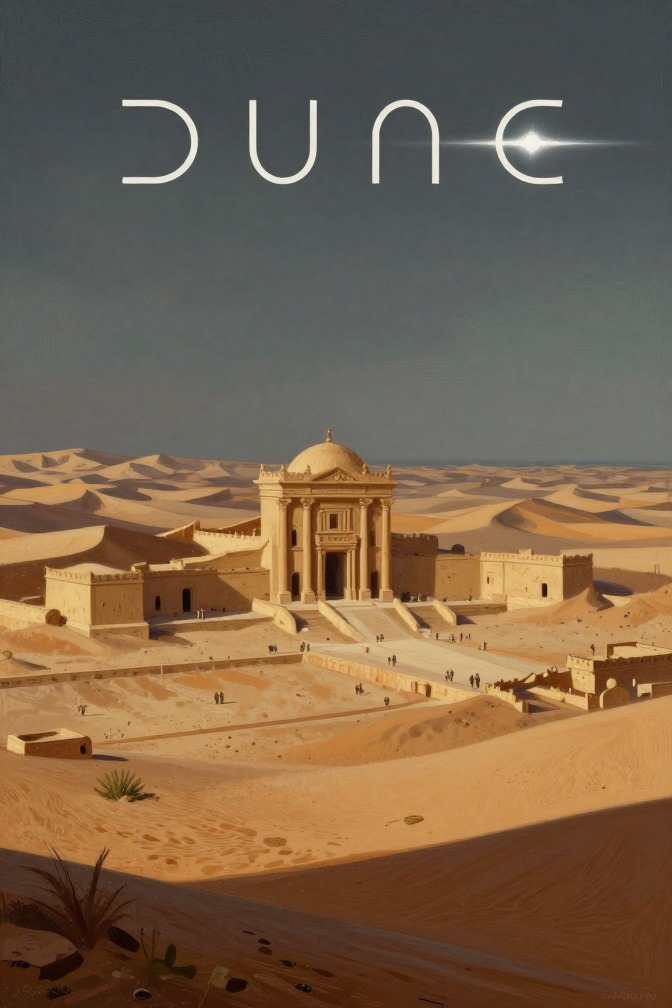
Carthag is the Harkonnen-built capital city of Arrakis, a 'cheap and brassy place' that stands in deliberate contrast to the older, more defensible settlement of Arrakeen. As the seat of Harkonnen power for eighty years, Carthag embodies the brutal, extractive rule that the Atreides are sent to replace, and its abandonment marks the beginning of the Atreides' doomed tenure on the planet.
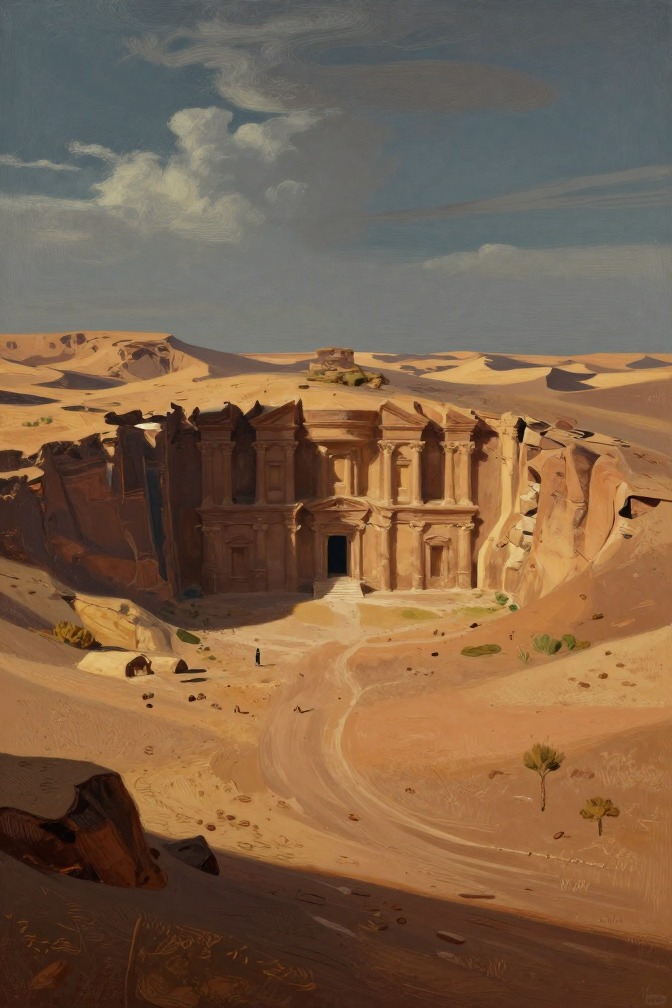
Tuono Basin is a remote desert basin on Arrakis where Paul Atreides and his mother Lady Jessica first encounter the Fremen tribe led by Stilgar. This encounter marks a turning point in their survival and sets the stage for Paul's integration into Fremen society.
The cutteray is a short-range laser projector derived from lasgun technology, used primarily as a cutting tool and surgical scalpel in the Imperium. Its most significant appearances in Dune occur during the Fremen's clandestine terraforming operations and the final battle for Arrakis, where it serves as a practical instrument for rock excavation and tunnel clearance, revealing the Fremen's advanced technological adaptation and their capacity for rapid, concealed engineering.
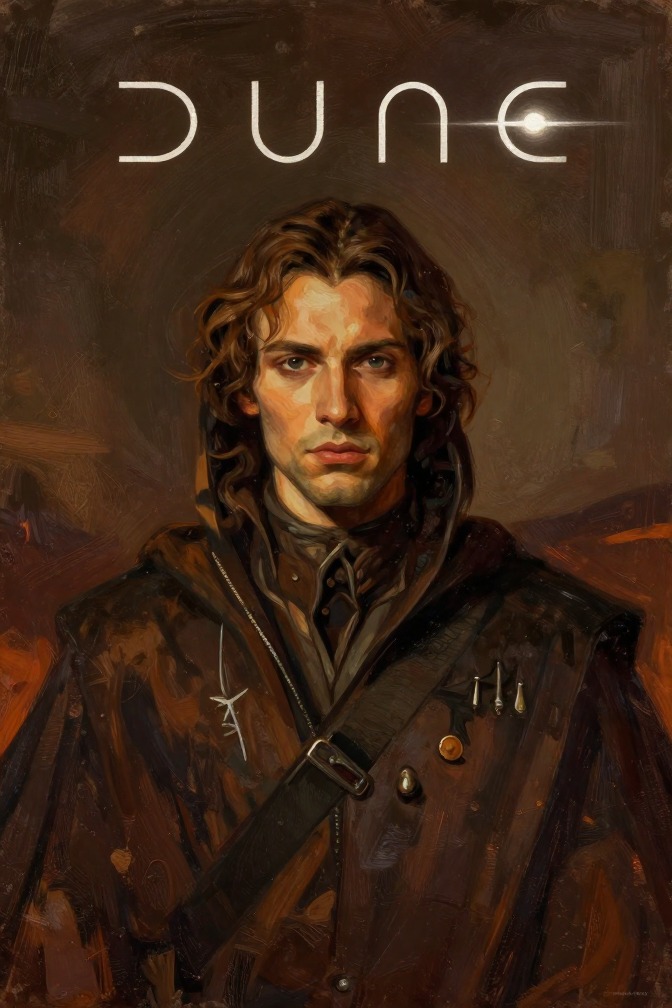
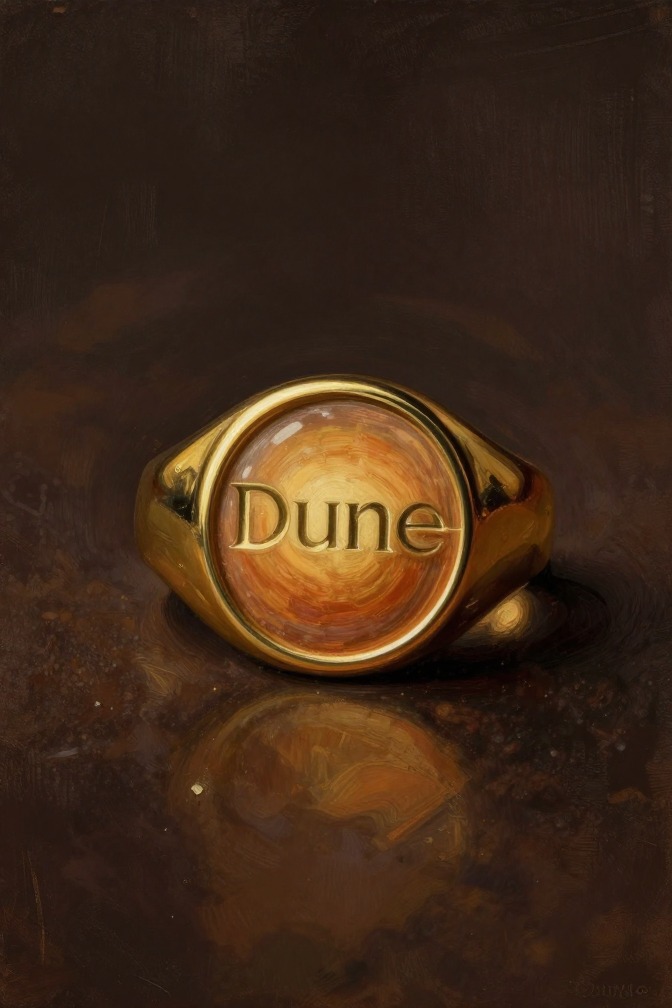
The Ducal Signet Ring is the hereditary seal of House Atreides, a symbol of authority passed from Duke Leto Atreides to his son Paul. It serves as a token of identity, a tool of political negotiation, and a personal memento of family legacy, playing a crucial role in Paul's claim to power on Arrakis.
The Paracompass is a specialized desert navigation instrument carried in the Fremen survival kit (Fremkit) on Arrakis. It determines direction by local magnetic anomaly rather than by a planet's total magnetic field, which on Arrakis is unstable and subject to masking by severe magnetic storms. Its most dramatic appearance in the novel occurs when Paul Atreides, stranded with his mother in the desert after losing their pack in a sandslide, dismantles the instrument and uses its acid-base power pack, combined with water and the highly alkaline essence of the spice melange, to generate a foam that stabilizes the sand long enough to dig out their buried supplies. This improvised use transforms a navigation tool into a survival device, highlighting the Fremen principle of wasting nothing and the resourcefulness that Paul must adopt to survive on Arrakis.
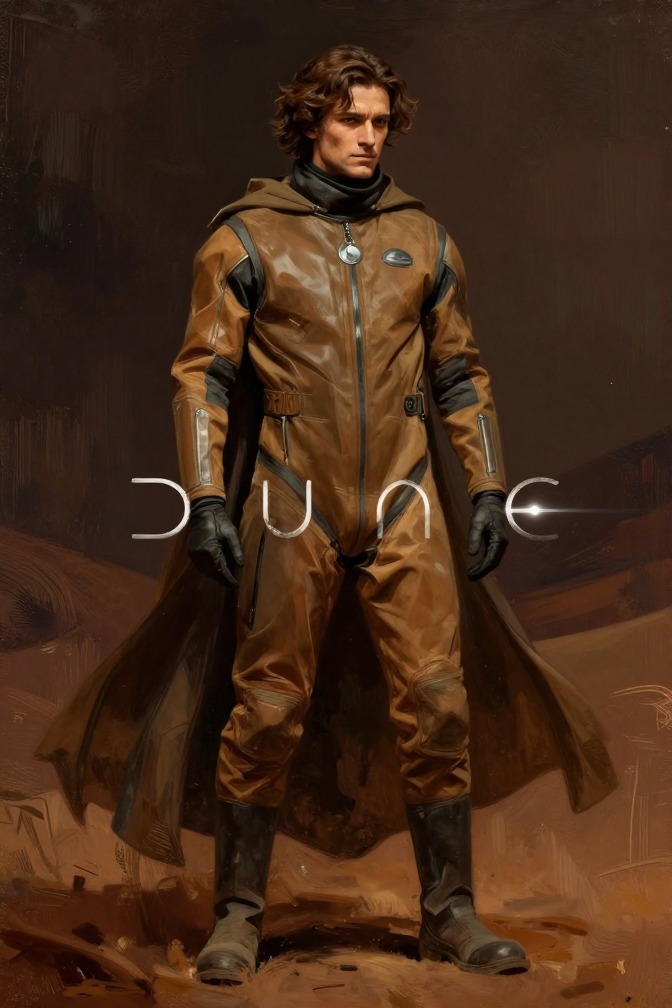
The stillsuit is the Fremen survival garment of Arrakis, a micro-sandwich body-enclosing suit that reclaims the wearer's moisture, enabling human life in the open desert. It is a defining technology of the planet, a symbol of Fremen sophistication and water discipline, and a crucial tool in Paul Atreides' transformation into Muad'Dib.
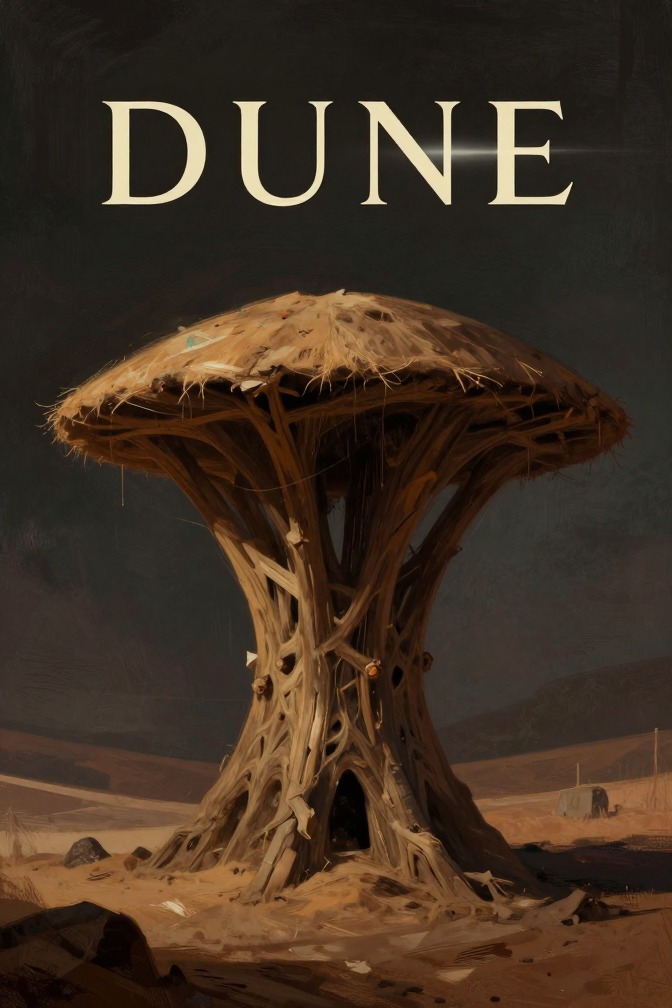
The windtrap is a moisture-precipitation device central to the Fremen terraforming project on Arrakis, capturing atmospheric humidity from the planet's prevailing winds and converting it into liquid water. Its concealed operation, hidden from Harkonnen and Imperial surveillance, represents the technological and ecological foundation of the Fremen's centuries-long plan to transform Arrakis into a habitable world.
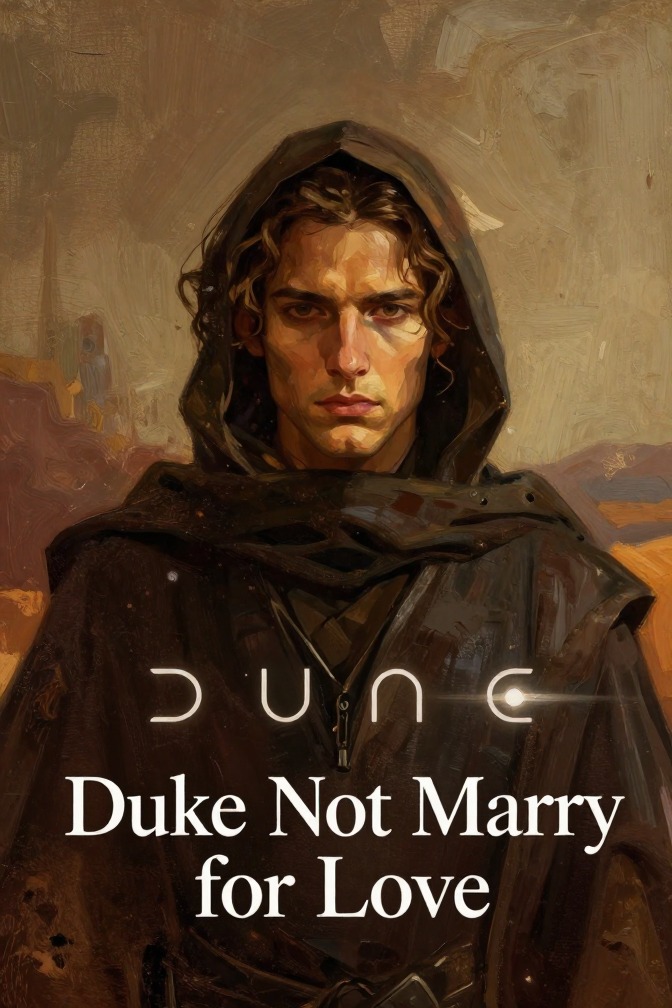
Duke Not Marry for Love is a political and personal rule in Frank Herbert's Dune, articulated by Duke Leto Atreides to his son Paul. It holds that a ruler's marriage must serve strategic alliances rather than personal affection, a principle that shapes the fates of the Atreides and Harkonnen houses and ultimately defines Paul's own dynastic marriage to Princess Irulan.
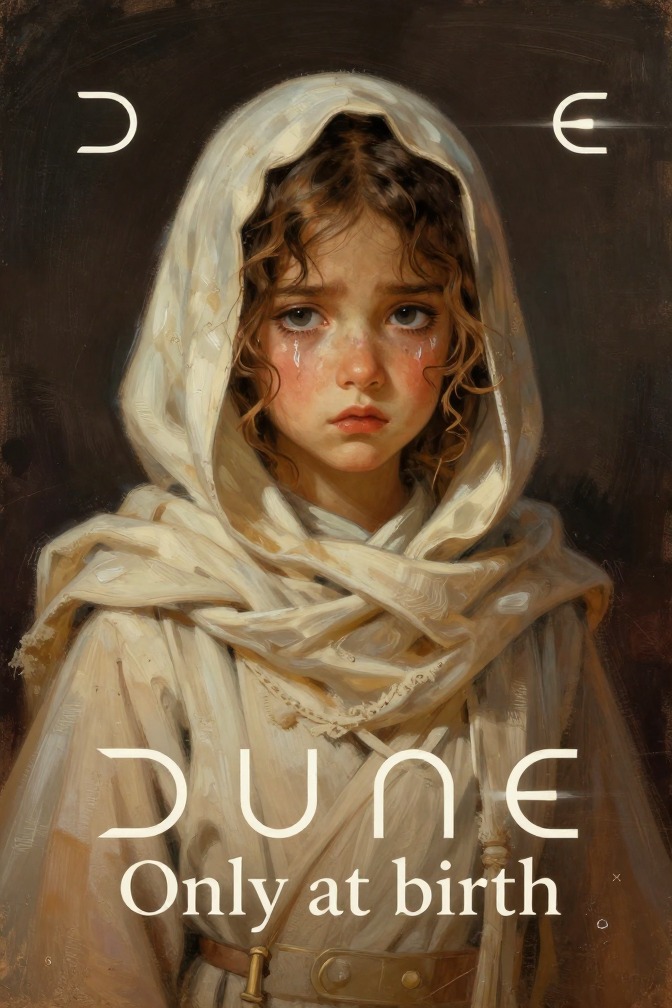
Fremen Child Cry Only at Birth is a strict cultural rule on Arrakis that forbids Fremen babies from crying after their first moments of life, because any sound could betray the tribe's hidden sietch locations to enemies during the dangerous hajr, or desert journey. This rule is so deeply ingrained that it shapes the entire Fremen approach to child-rearing, discipline, and survival, and it is dramatically illustrated in the novel when Alia Atreides, a child with adult awareness, stops a newborn from crying, causing both wonder and unease among the tribe.
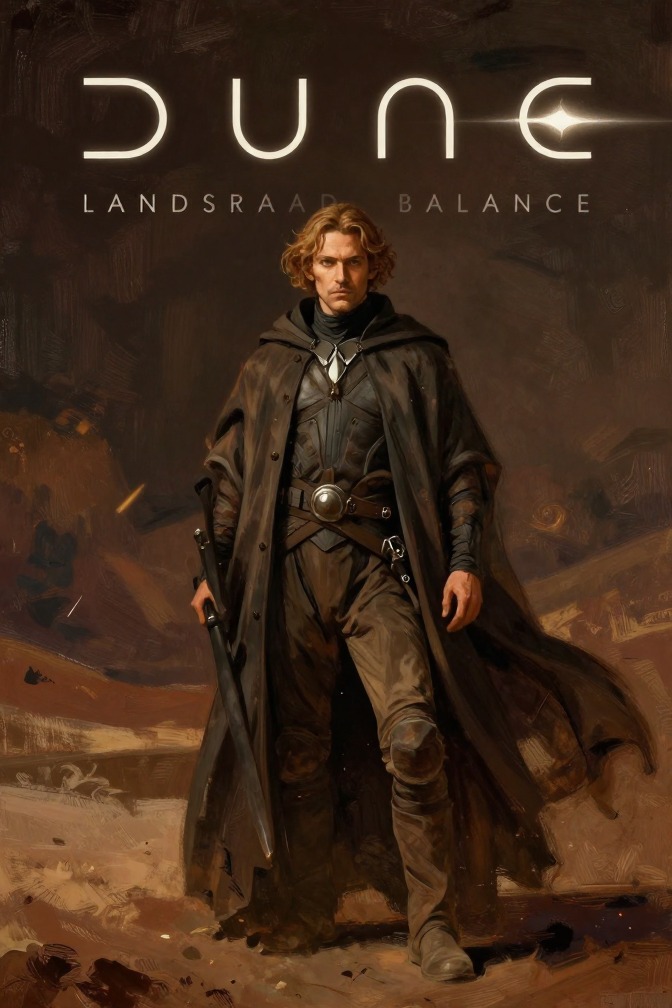
The Landsraad Balance is the political equilibrium between the Padishah Emperor, the Great Houses of the Landsraad, and the Spacing Guild, a tripod structure that underpins the Imperium's feudal order. Its instability is a central driver of the novel's plot, as the Emperor's fear of a rising House Atreides leads him to conspire with the Harkonnens, shattering the balance and precipitating the Arrakis crisis.
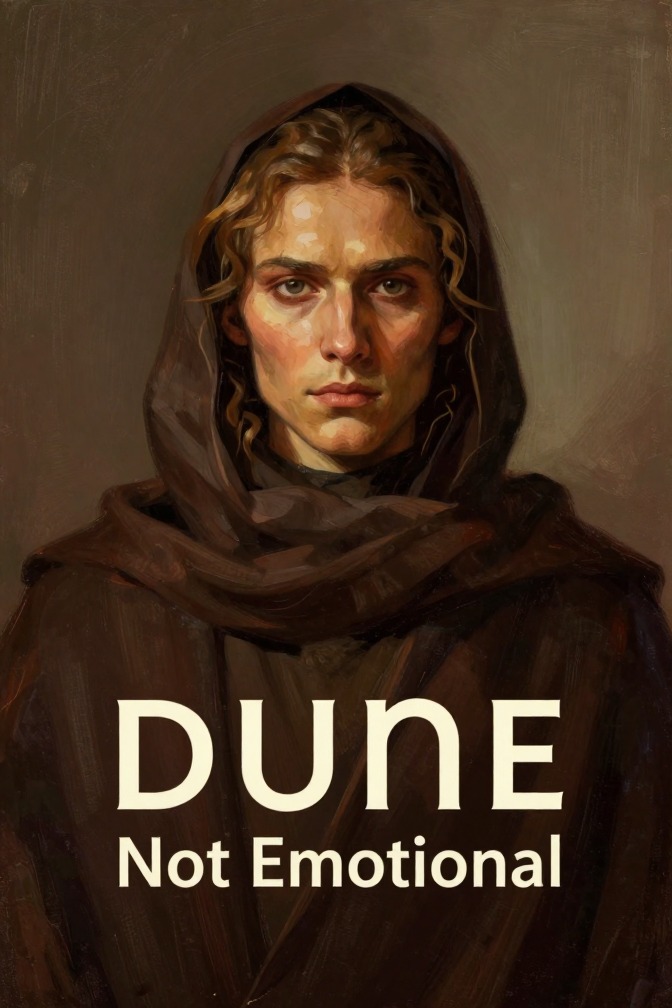
Mentat Not Emotional is a core principle of the Mentat discipline in Frank Herbert's Dune, demanding that a Mentat—a human trained to perform as a living computer—suppress emotion to achieve pure logical computation. The rule is articulated by the Baron Vladimir Harkonnen in his critique of Piter de Vries, and it shapes the behavior of Thufir Hawat, the Atreides Master of Assassins, whose loyalty and analytical rigor are tested throughout the novel.
Mentat Training from Infancy is a foundational rule of the Imperium's intellectual culture, stipulating that the rigorous conditioning of a human computer, or Mentat, must begin during infancy and that the subject must not be told of the training until it is well underway, lest the knowledge inhibit the early development of the necessary neural and cognitive pathways. The rule is first articulated to Paul Atreides by his father, Duke Leto Atreides, who reveals that Paul himself has been undergoing this secret training under the guidance of Thufir Hawat and Lady Jessica. This revelation marks a pivotal moment in Paul's development, as he retroactively understands the purpose of his lifelong education and is given the choice to continue or abandon the path toward becoming a Mentat Duke.
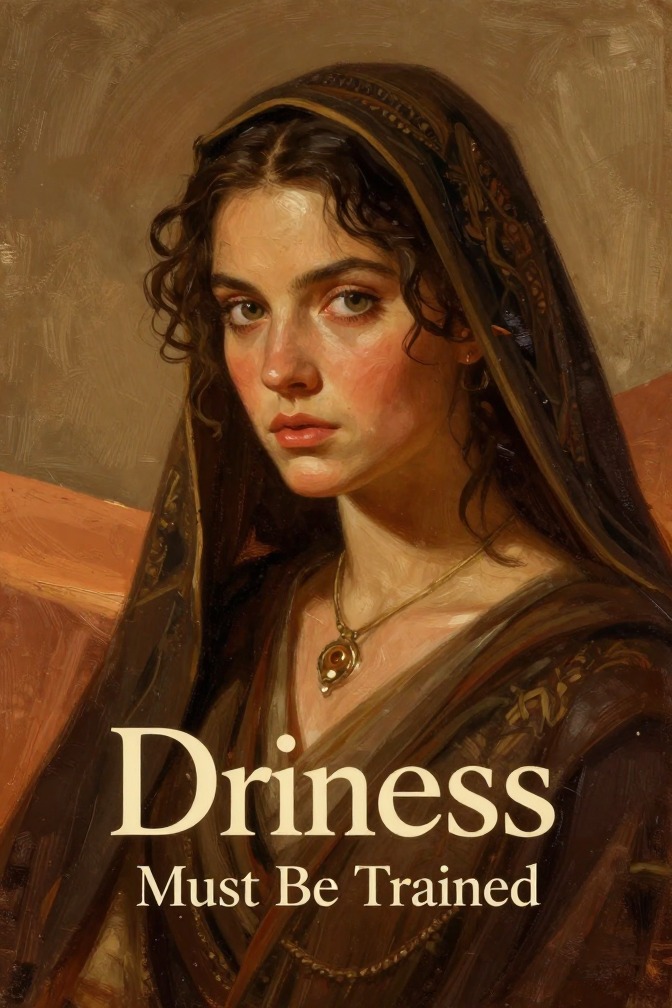
Princess Must Be Trained is a rule in the Dune universe, particularly associated with the Bene Gesserit, stating that royal princesses, especially those destined for political marriages, must undergo rigorous Bene Gesserit training. This training includes physical and mental conditioning, observation skills, and the ability to navigate court intrigue, as exemplified by Princess Irulan.
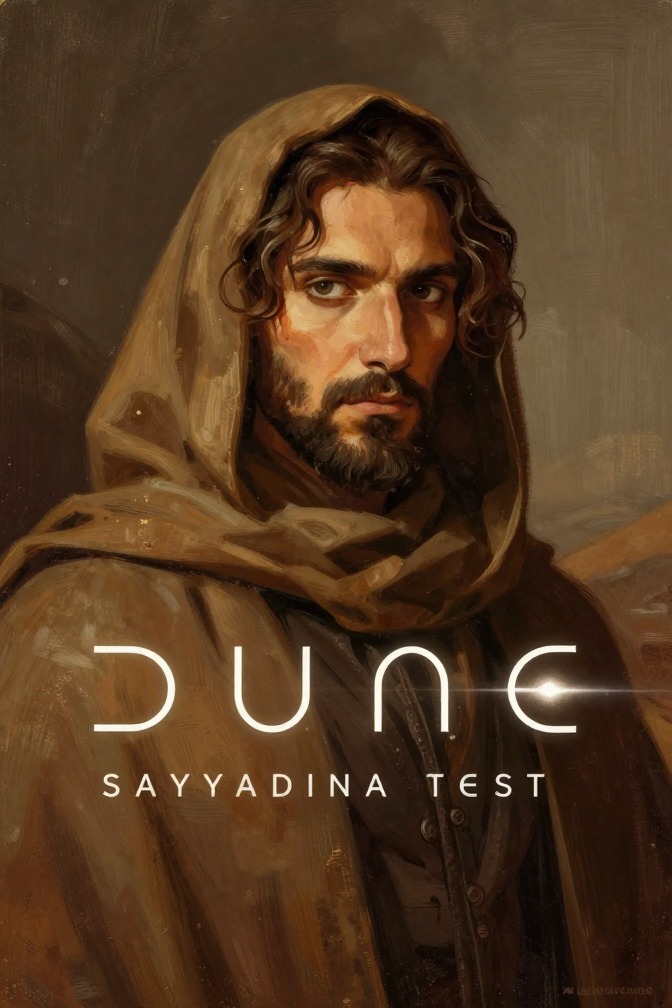
The Sayyadina Test is a Fremen rite of passage in which a woman, typically a Bene Gesserit or a candidate of the Sayyadina, consumes the Water of Life, a poisonous liquid exhalation of a dying sandworm, and must transform it within her body to survive and gain the heightened awareness of a Reverend Mother. This test is central to Fremen religious and social structure, as it determines who can become a Reverend Mother, a figure of spiritual authority and communal memory. The test is first depicted when Lady Jessica undergoes it, transforming her into a Reverend Mother and altering her relationship with her son Paul and the Fremen tribe.
Bashar is a military rank in the Imperium of Frank Herbert's Dune, positioned above Colonel and below Burseg, and is used both as a standardized military classification and as a title for the military ruler of a planetary subdistrict. The rank is most prominently associated with the Sardaukar, the Emperor's elite soldier-fanatics, and is held by officers who command legions and carry out the Emperor's will, as seen in the Arrakis campaign against House Atreides.
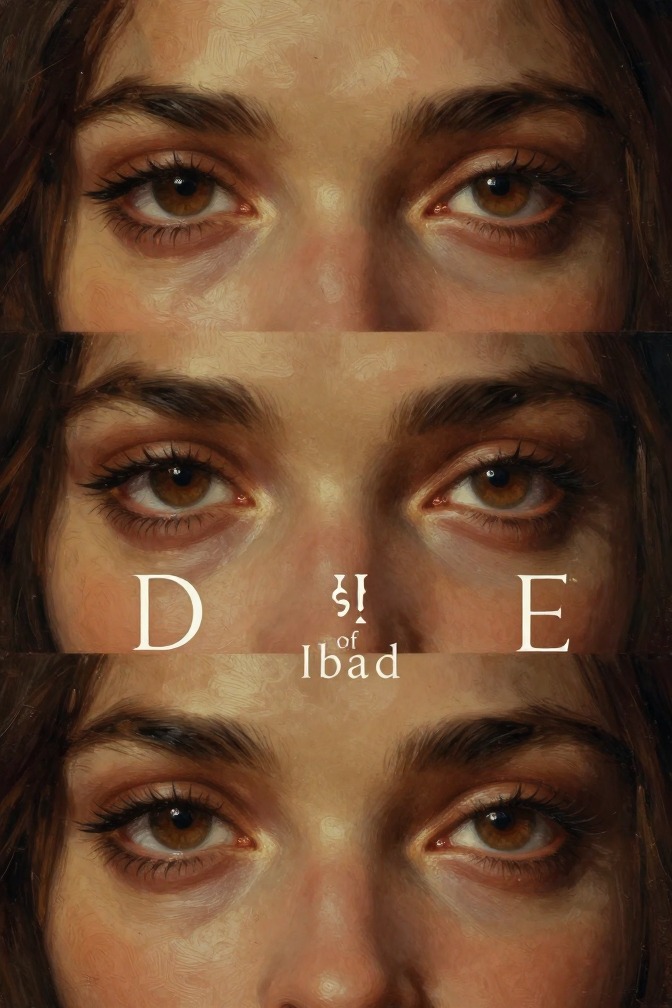
The Eyes of Ibad are the deep blue eyes, without any white, that mark the Fremen of Arrakis and signify addiction to the spice melange. This physical trait, caused by the saturation of the blood with melange, becomes a symbol of the Fremen's unique identity and their deep connection to the desert planet, and it also serves as a marker of the cultural and physiological transformation that Paul Atreides undergoes as he becomes Muad'Dib.
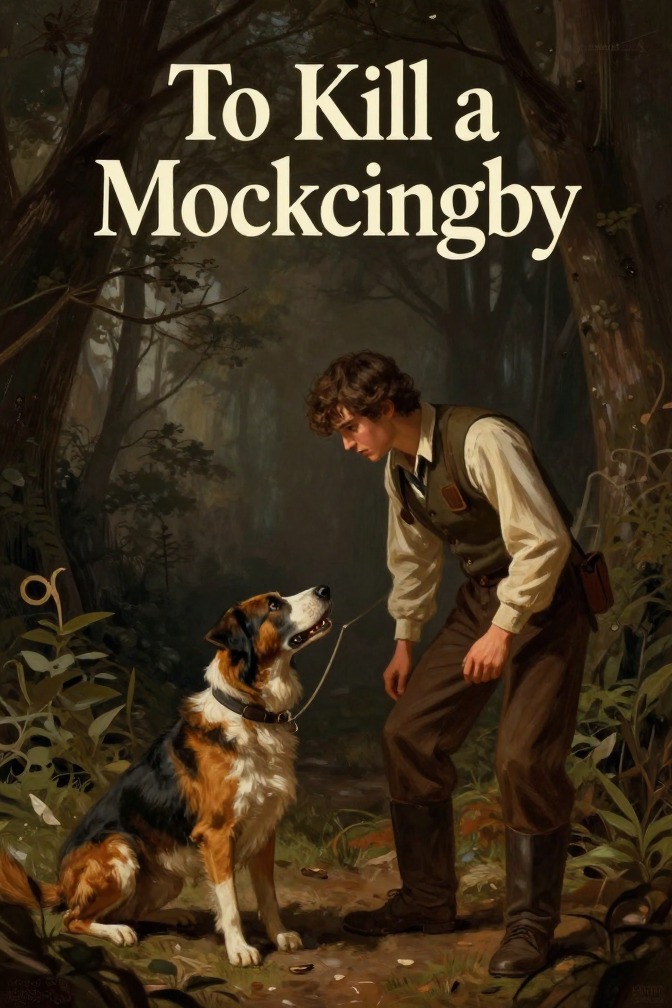
Atticus Finch shoots a rabid dog, Tim Johnson, in a single, expert shot that reveals his hidden marksmanship to his children and the neighborhood, transforming his children's perception of him and establishing a key lesson about courage and humility.
Eula May is Maycomb's leading telephone operator and a central figure in the town's communication network, entrusted with issuing public announcements, wedding invitations, setting off the fire siren, and giving first-aid instructions when Dr. Reynolds is away. She is the voice of official news in the community, and her role becomes pivotal during the crisis of Miss Maudie's house fire, when she relays the warning of a mad dog and announces the snow day that brings the Finch children their first experience of snow.
Francis Hancock is Scout Finch's priggish, gossipy cousin who serves as a foil to Scout's spirited nature and as a conduit for the family's disapproval of Atticus Finch's defense of Tom Robinson, culminating in a violent confrontation at Christmas.
Mr. Avery is a minor but memorable neighbor in Maycomb whose physical appearance, superstitious pronouncements, and dramatic actions during Miss Maudie's house fire mark him as a comic and grotesque figure in the children's world.
Mr. Heck Tate, the sheriff of Maycomb County, is a steady, professional lawman who, despite his own limitations as a marksman, defers to Atticus Finch's hidden talent to dispatch a rabid dog, and later serves as a key witness and authority figure during the trial of Tom Robinson.