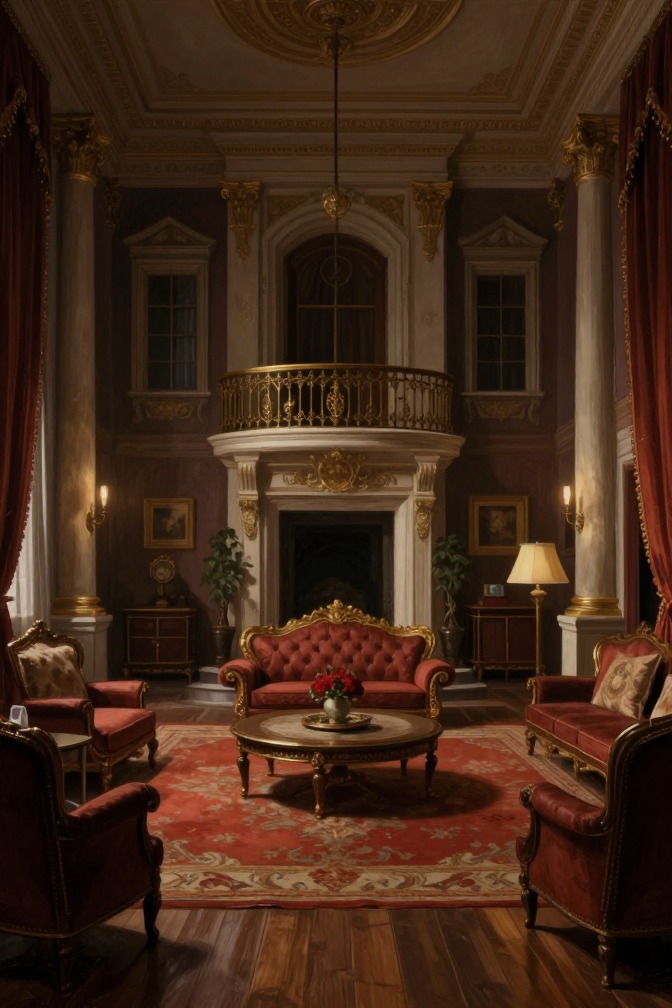
The Presidential Suite (Room 300) is the most prestigious and historically charged guest room in the Overlook Hotel, a space where the hotel's violent and corrupt past repeatedly manifests. It has hosted American presidents, millionaire tycoons, and Mafia kingpins, and its walls have witnessed both lavish parties and brutal gangland executions. For Danny Torrance, the suite becomes a site of terrifying psychic visions, revealing the hotel's malevolent history and foreshadowing the violence to come.
The Roof of the Overlook Hotel is the physical and symbolic space where Jack Torrance performs his caretaking duties, confronts his past, and experiences a pivotal hallucination that signals his psychological unraveling.
Sidewinder is the small, isolated Colorado town forty miles east of the Overlook Hotel, serving as the nearest supply point and the last outpost of civilization before the mountain roads close for winter. It contains the library, the Conoco station, a drugstore, and a doctor's office, and its road becomes impassable once snow falls, cutting the Torrance family off from the outside world for months.
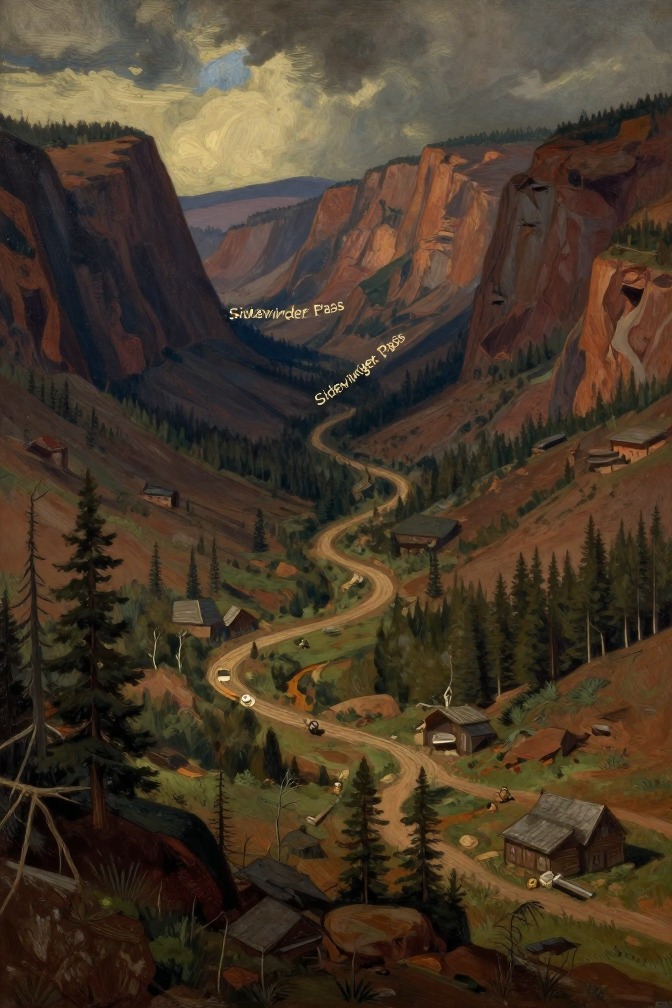
Sidewinder Pass is the mountain road connecting the Overlook Hotel to the town of Sidewinder, Colorado, and serves as the sole land route to and from the hotel. Its closure by snow each winter is the decisive event that traps the Torrance family, cutting them off from the outside world and enabling the Overlook's malevolent influence to intensify. The pass is a threshold between civilization and isolation, and its impassability during the winter months is the central condition of the novel's plot.
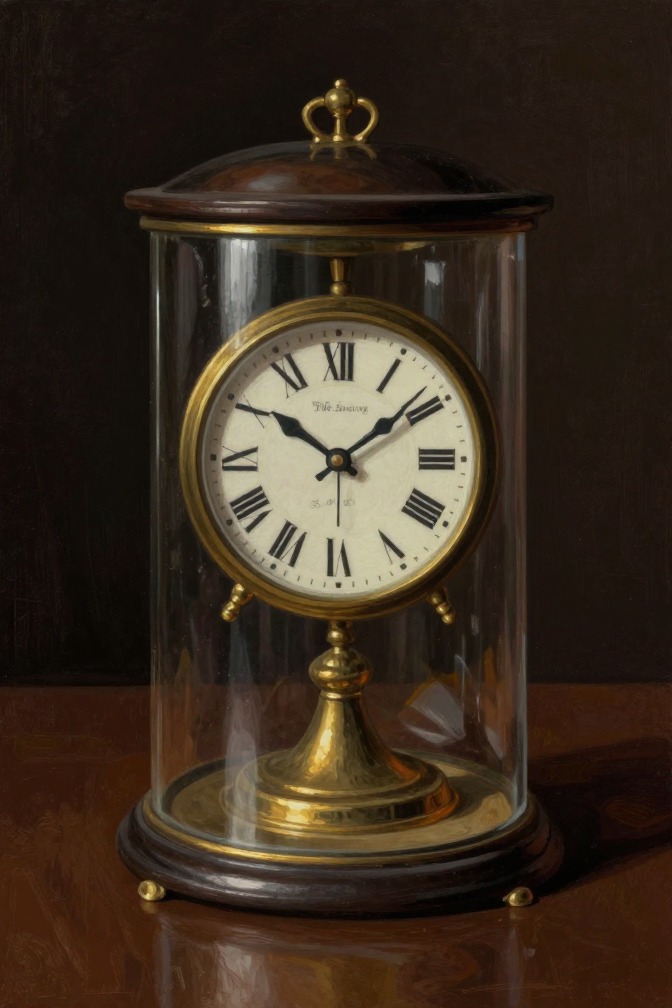
The Clock under Glass is a mechanical music box and clock in the Overlook Hotel's ballroom, which Danny Torrance winds with a silver key, triggering a macabre ballet of clockwork figures that foreshadows the novel's violent climax and embodies the hotel's cyclical, predatory nature.
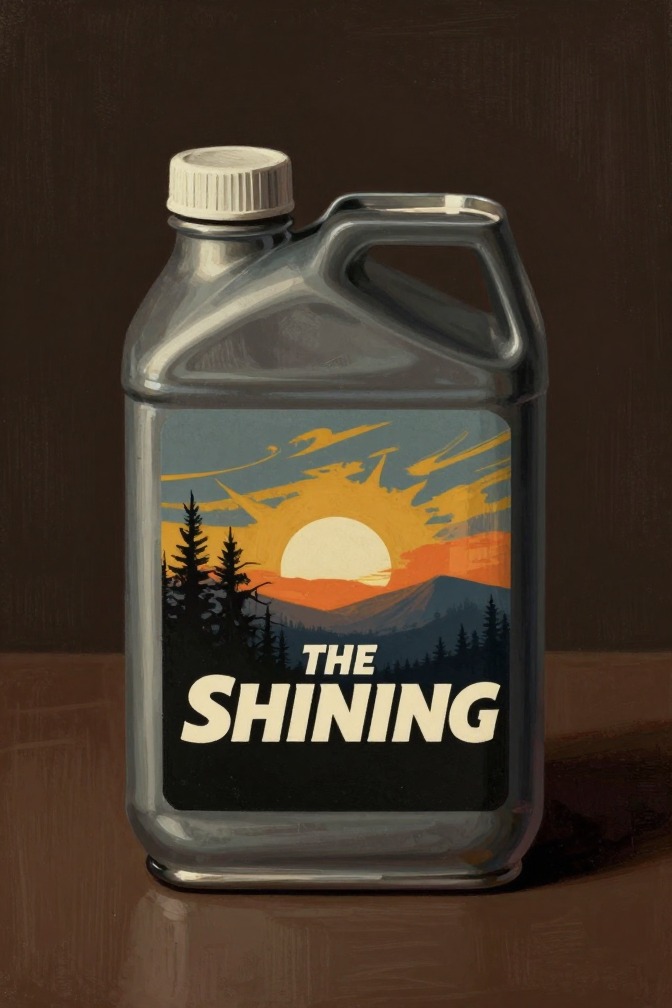
The Gas Can is a red metal container of gasoline that Dick Hallorann carries on his snowmobile during his desperate journey to the Overlook Hotel. It becomes the crucial weapon in his life-or-death struggle against a hedge lion that attacks him on the road, and later provides the fuel needed to complete the rescue of Danny and Wendy Torrance.
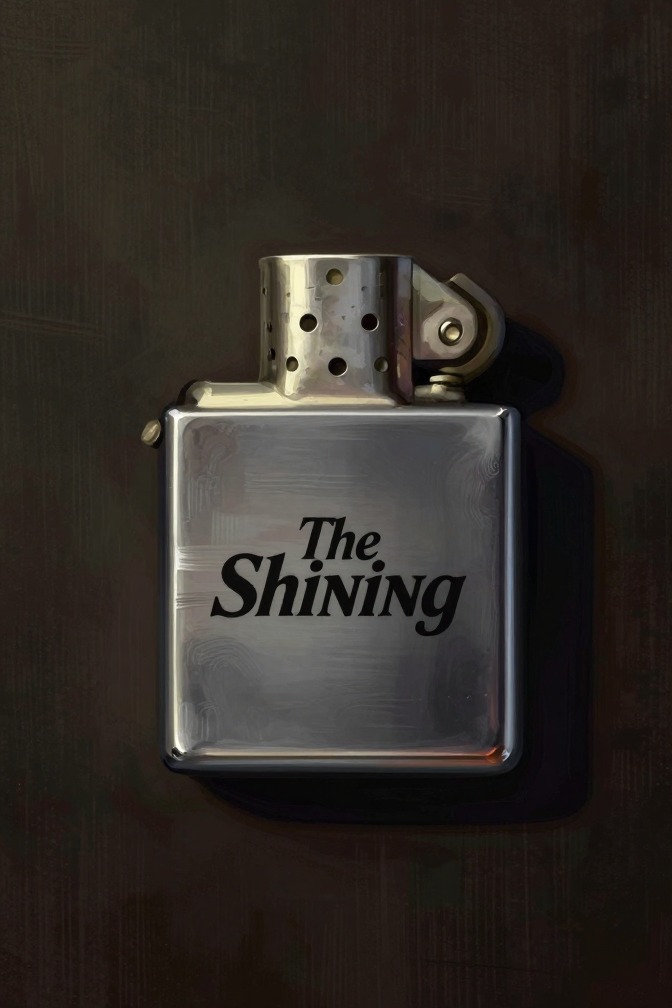
The Zippo lighter is a small but crucial object that Dick Hallorann uses to ignite a gasoline-soaked arm and set fire to a hedge lion that attacks him on the road to the Overlook Hotel, turning a defensive tool into a weapon of survival against the hotel's supernatural forces.
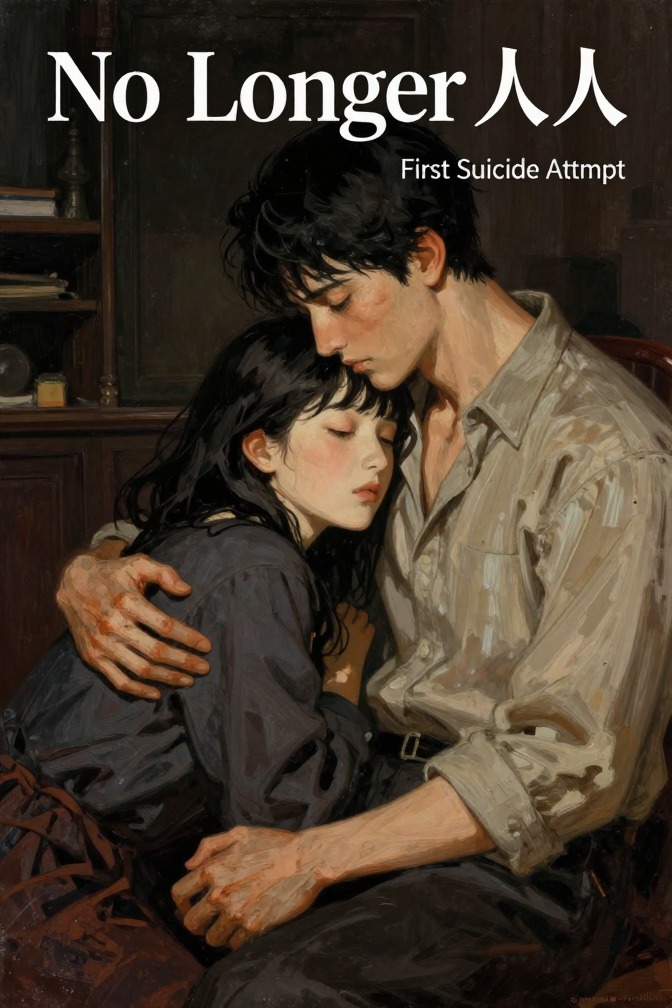
The First Suicide Attempt (with Tsuneko) is the pivotal event in which Yozo, overwhelmed by financial desperation, dread of human society, and a sense of utter hopelessness, agrees to a double suicide with the waitress Tsuneko at Kamakura; she dies while he survives, an outcome that marks the first decisive rupture in his life and sets him on a path of escalating self-destruction.
The Comrade girl is a student at a teacher's training college who becomes involved with Yozo through the Marxist Reading Society, pursuing him with an aggressive, possessive affection that he finds both burdensome and impossible to refuse. She represents the inescapable, suffocating side of human connection for Yozo—a relationship built not on genuine intimacy but on his chronic inability to say no and her relentless demands.
Flatfish is a middle-aged antique dealer and a henchman of Yozo's father who becomes Yozo's reluctant guardian after the Kamakura suicide attempt, embodying the petty, self-important, and evasive side of the society that Yozo finds incomprehensible. His cautious, indirect manner of communication and his theatrical airs of importance directly contribute to Yozo's decision to run away, setting in motion a chain of events that deepens Yozo's alienation. Flatfish's transformation from a familiar, almost servile figure in Yozo's childhood to a stern, contemptuous jailer in adulthood illustrates the theme of human beings' capacity for sudden, inexplicable change, and his final appearance, escorting Yozo to a mental hospital, marks the completion of Yozo's social death.
The Pharmacist woman is a crippled widow in Koenji who becomes Yozo's morphine supplier and lover during his final descent into addiction, representing both the last possibility of human tenderness and the ultimate degradation of his dependency.
Setchan is the younger female cousin in whose house Yozo lodges during his high school years, a minor figure whose relentless demands for his clowning and her habit of bringing friends to his room illustrate the exhausting social performance that defines Yozo's early life and foreshadow his later relationships with women.
The Shopkeeper is a minor but pivotal character in Yozo's life, whose violation of Yoshiko triggers the final collapse of Yozo's trust in human beings and accelerates his descent into addiction and madness.
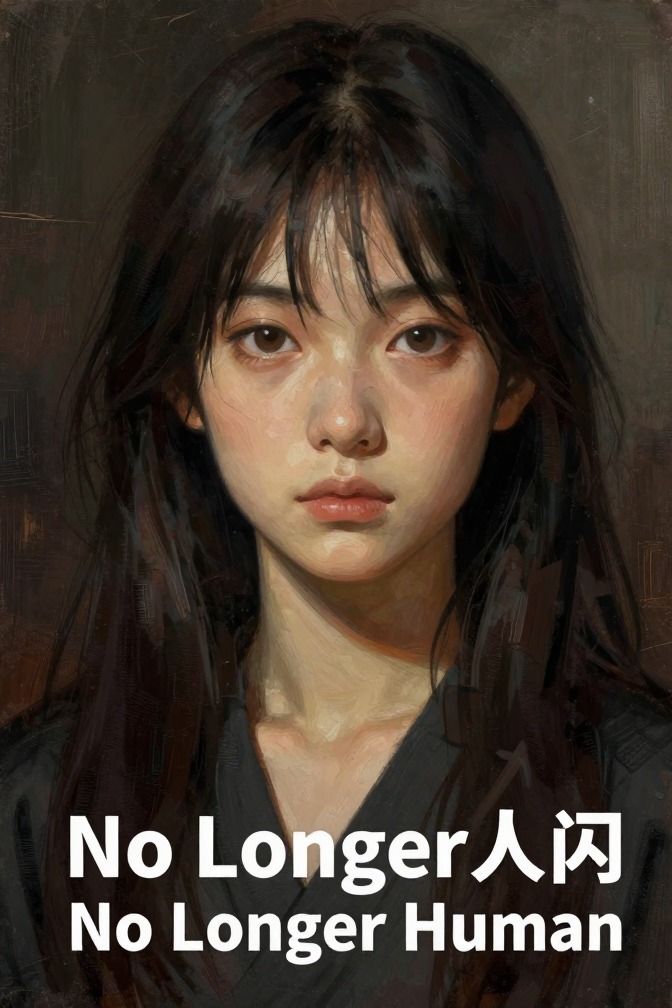
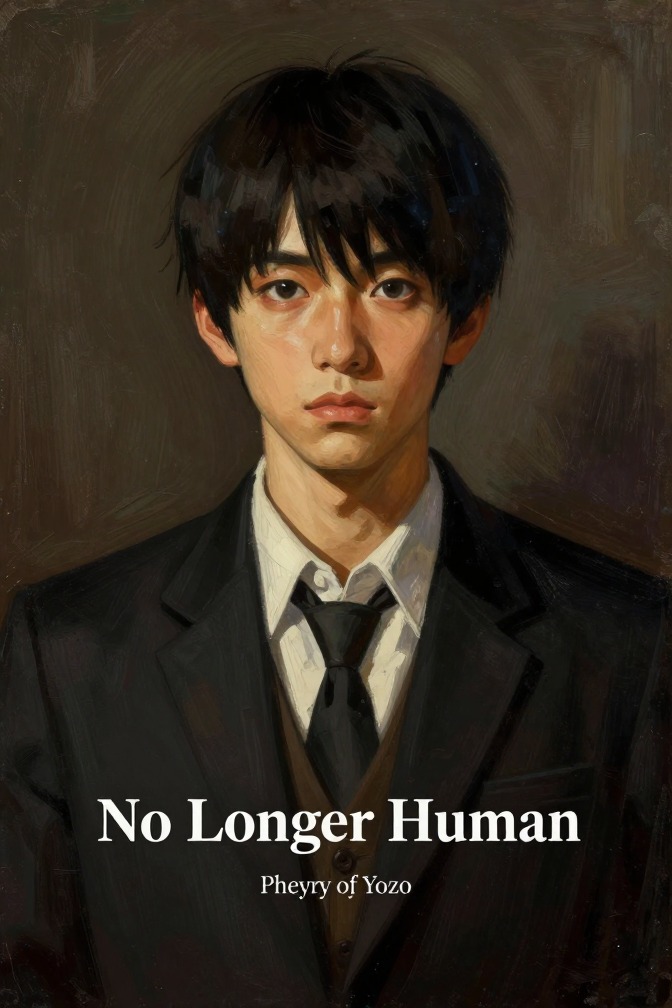
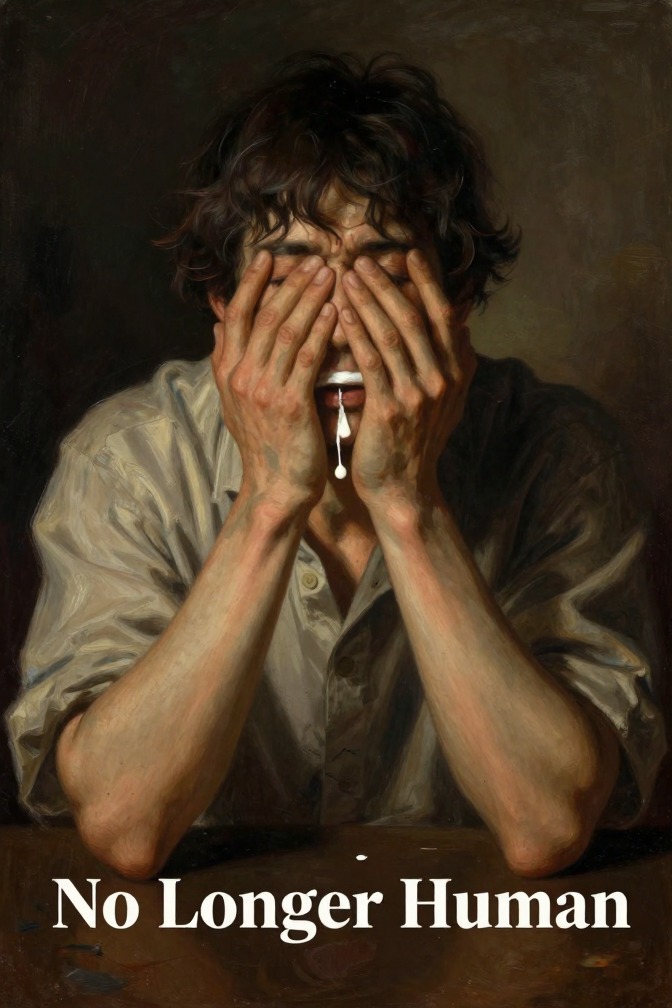
No Longer Human (Ningen Shikkaku) is the central novel by Osamu Dazai, a first-person confession by Yozo that chronicles his lifelong alienation, shame, and gradual self-destruction, and whose title crystallizes the theme of being disqualified from the human community.
Funabashi is the coastal town in Chiba Prefecture where the Madam of the Kyobashi bar resettled after the war, and where the epilogue of No Longer Human takes place. It is the setting in which the narrator, a friend of the madam, first receives Yozo's three notebooks and three photographs, thereby becoming the reader's sole witness to the completed manuscript and the final judgment that Yozo "was an angel."
Kamakura is the coastal town where Yozo and Tsuneko carry out their suicide pact, an event that marks the first major rupture in Yozo's life and leads to his expulsion from college, his estrangement from his family, and the beginning of his descent into social outcast status.
Yokohama is the coastal city where Yozo and Tsuneko attempt their double suicide, an event that marks the decisive turning point in Yozo's life and leads to his arrest, hospitalization, and permanent estrangement from his family.
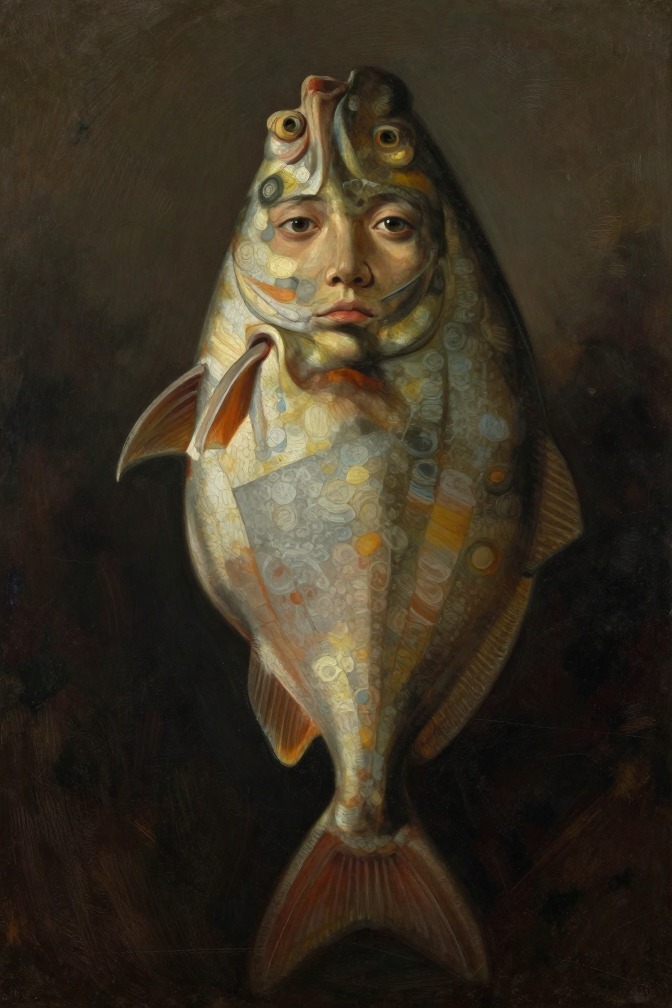
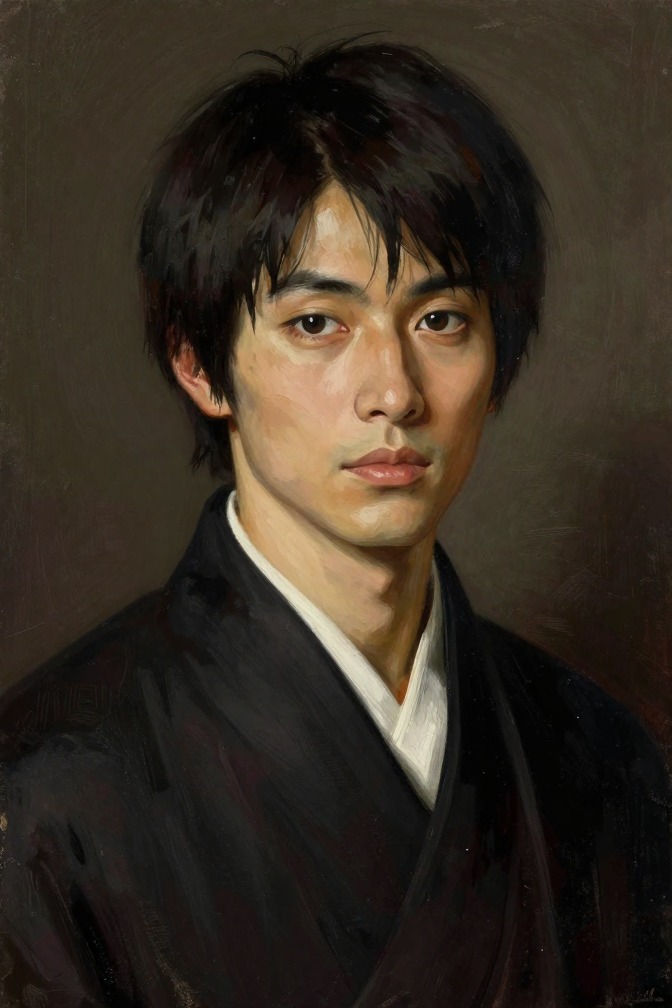
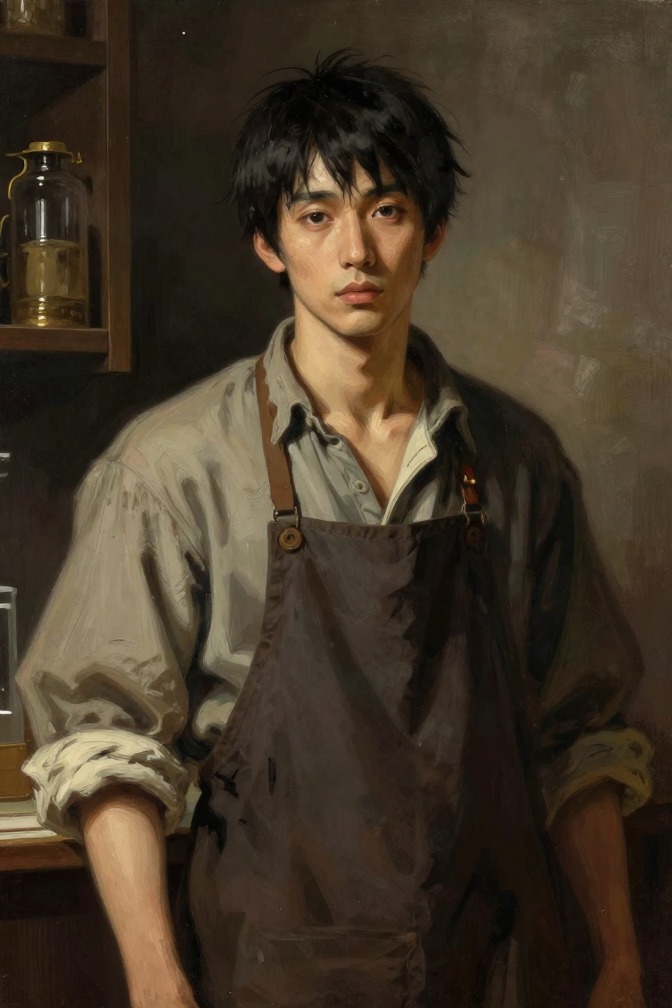
The three photographs of Yozo, presented in the prologue of No Longer Human, serve as a visual prologue to his life of shame, each capturing a distinct phase of his alienation and culminating in a face so devoid of individuality that it seems to belong to a non-human entity.
Yozo's relationship with Shigeko, the young daughter of his mistress Shizuko, is a brief but deeply revealing bond that exposes his longing for innocent connection, his terror of being seen, and the final collapse of his fragile domestic peace. Shigeko calls him "Daddy" without hesitation, and her trusting presence offers Yozo a rare, unguarded happiness—yet her innocent question about God and her wish for her real father back shatter his illusion of safety, confirming his conviction that he is fundamentally disqualified from human love.
Yozo's relationship with his father is a central, oppressive force in his life, defined by fear, a desperate need for approval, and a fundamental failure of communication that shapes his tragic trajectory. The father, a wealthy politician, is a distant and intimidating figure whose authority Yozo never dares to challenge, yet whose approval he craves. This dynamic is established in childhood and persists until the father's death, which paradoxically leaves Yozo feeling empty and devoid of the suffering that had defined his existence.
Yozo's relationship with the Comrade girl is a fraught entanglement born of his involvement in the Marxist Reading Society, marked by his passive acquiescence, her aggressive pursuit, and his profound emotional detachment, ultimately serving as another instance of his inability to form genuine human connections.
Morphine addiction represents the final and most degrading stage of Yozo's self-destructive trajectory in *No Longer Human*, a state that strips away his last vestiges of autonomy and social functioning, replacing alcohol as his primary means of escaping the terror of human existence.
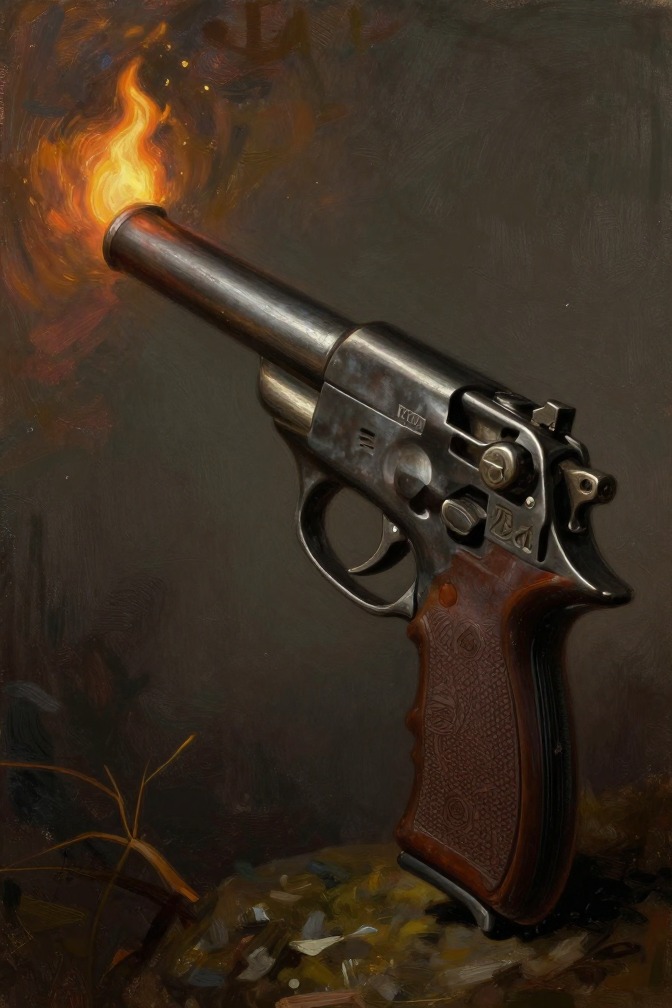
The flarepistol is a bronze 37-millimeter signal pistol the man discovers aboard the wrecked sailboat Pájaro de Esperanza, which he uses both as a weapon and as a fragile emblem of hope and celebration in the post-apocalyptic world.
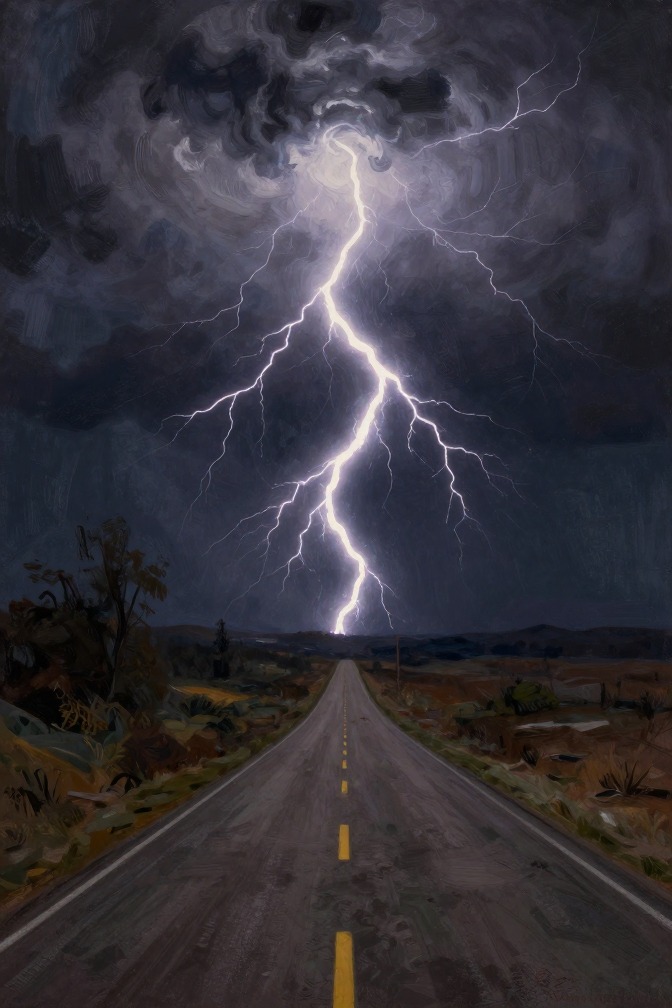
The lightning is a recurring motif and literal event in Cormac McCarthy's The Road, appearing both as a destructive natural force that scars a man it strikes and as a symbolic element in the man's dreams and the boy's nightmares, representing the inescapable violence and trauma of their world.
The first-aid kit is a crucial object recovered from the wrecked sailboat Pájaro de Esperanza, providing the man with the means to suture his own severe leg wound after an archer's attack and to treat the boy's life-threatening fever, yet its contents prove limited and its discovery underscores the precariousness of survival in the post-apocalyptic world.
The Court offices in Titorelli's building are a secondary, attic-level branch of the mysterious Court that has arrested Josef K., discovered when K. visits the painter Titorelli and exits through a hidden door behind the painter's bed. This location reveals the pervasive, almost absurd reach of the Court, which occupies attics in tenement buildings throughout the city, and its shabby, poorly lit, and cramped conditions starkly contrast with the grand, intimidating authority the Court otherwise projects.
The examining judge's notebook is a shabby, misshapen school exercise book that serves as the sole official record of Josef K.'s case during his first cross-examination, embodying the court's arbitrary, secretive, and degraded procedures.
The Bank is the prestigious financial institution where Josef K. works as a chief clerk, a position that defines his social standing, professional identity, and daily life. It serves as a crucial counterpoint to the opaque and irrational Court, representing the rational, hierarchical world of commerce and law that K. understands and has mastered. However, as his trial progresses, the Bank transforms from a sanctuary of order into a site of vulnerability, where his authority is eroded, his reputation is threatened, and the pressures of his legal case intrude upon and destabilize his professional existence.
The relationship between Josef K. and Dr. Huld, the lawyer his uncle Karl brings him to, is a central axis of K.'s trial, defined by K.'s growing impatience with the lawyer's passive, obfuscatory methods and his eventual decision to dismiss him. Dr. Huld represents the established, secretive, and ultimately ineffective legal defense available within the Court's system, a system he claims to navigate through personal connections but which yields no tangible progress for K. The relationship culminates in a tense confrontation where K. formally withdraws his case, a decision that is both an assertion of his own agency and a recognition of the lawyer's impotence.
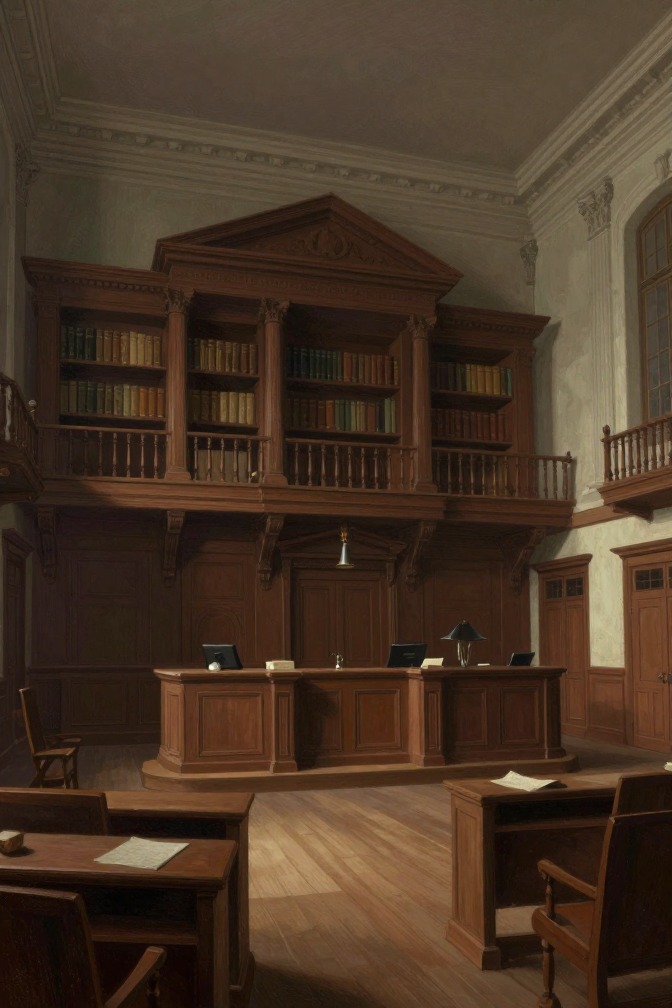
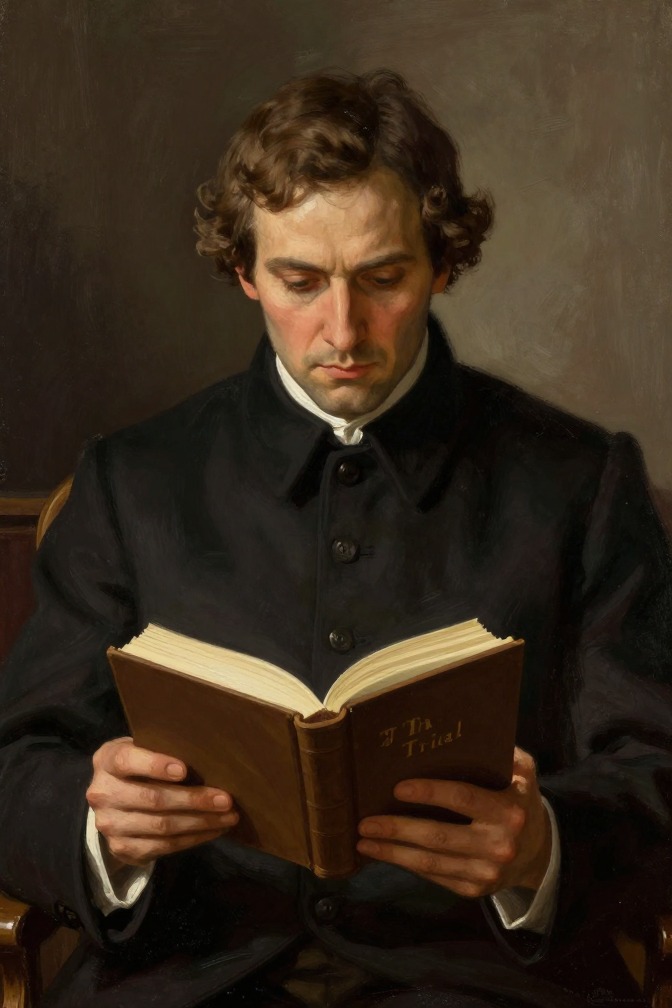
The relationship between Josef K. and the court is the central, antagonistic dynamic of Franz Kafka's novel, defining K.'s identity, his actions, and his ultimate fate. From his abrupt arrest on the morning of his thirtieth birthday to his execution in a quarry a year later, K. is locked in a struggle with an opaque, labyrinthine judicial system that he can neither understand nor escape. The court, which operates in attics and tenements, is an omnipresent yet invisible force that gradually consumes K.'s life, transforming him from a confident bank chief clerk into a desperate, isolated defendant. Their relationship is characterized by a profound asymmetry of power, a relentless procedural logic that defies reason, and a final, chilling revelation that the court demands not justice, but submission.