Yokohama is the coastal city where Yozo and Tsuneko attempt their double suicide, an event that marks the decisive turning point in Yozo's life and leads to his arrest, hospitalization, and permanent estrangement from his family.
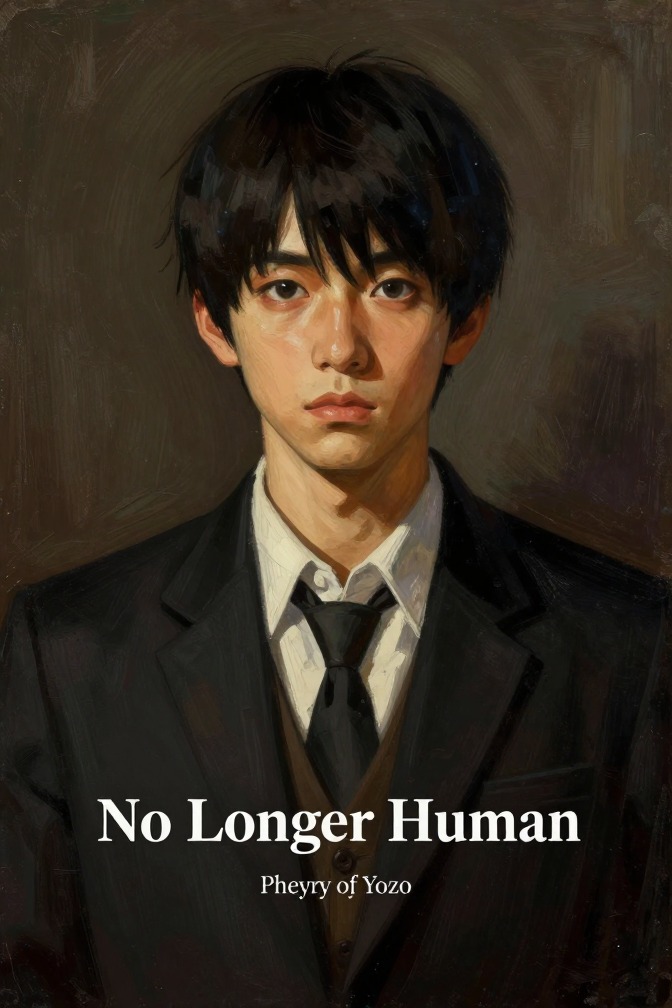
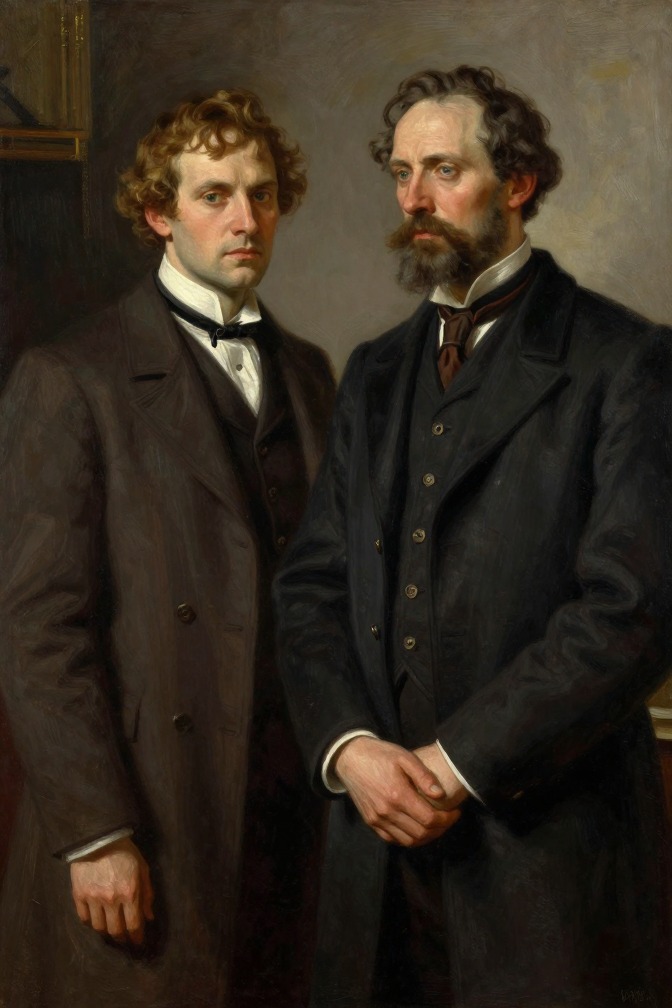
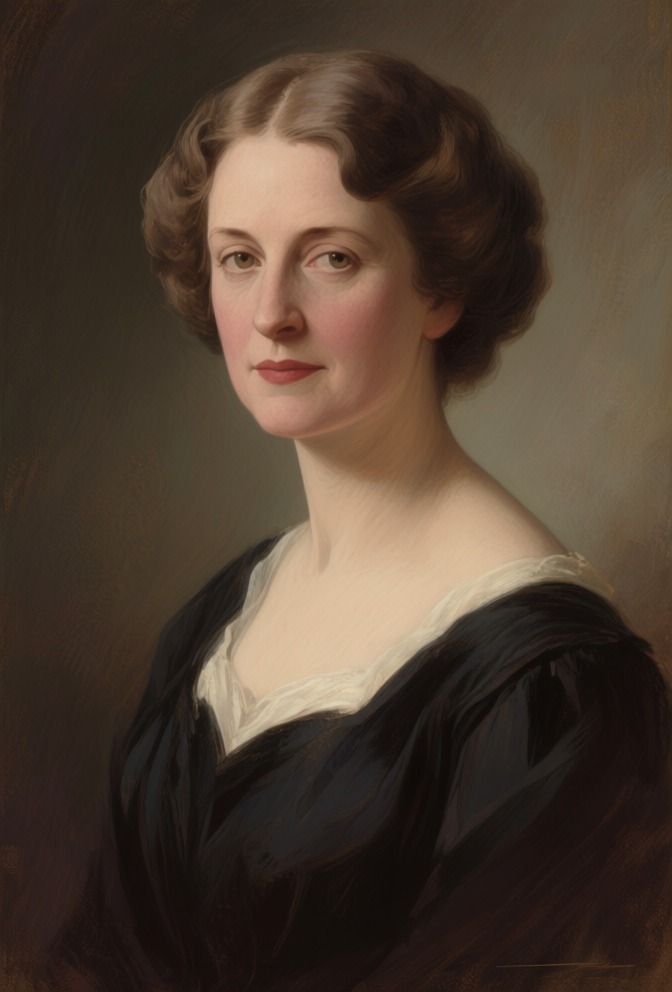
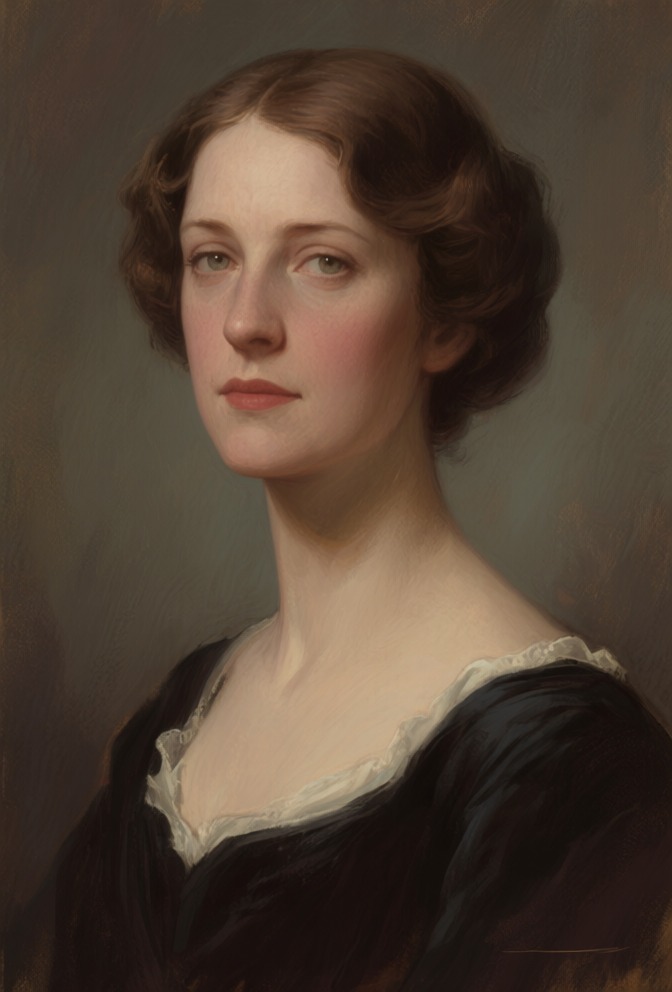
The three photographs of Yozo, presented in the prologue of No Longer Human, serve as a visual prologue to his life of shame, each capturing a distinct phase of his alienation and culminating in a face so devoid of individuality that it seems to belong to a non-human entity.
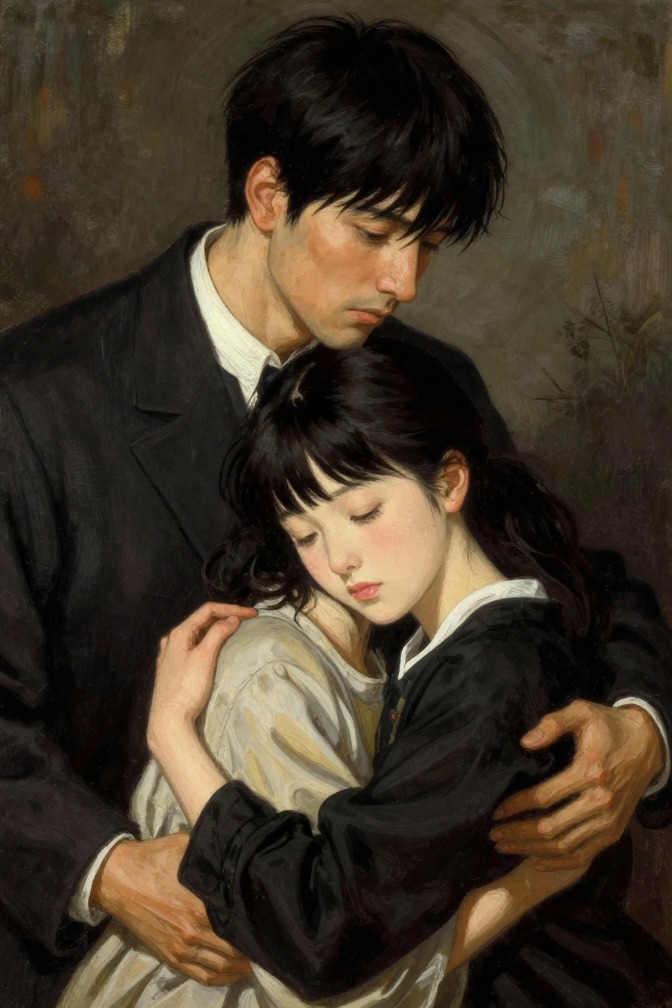
Yozo's relationship with Shigeko, the young daughter of his mistress Shizuko, is a brief but deeply revealing bond that exposes his longing for innocent connection, his terror of being seen, and the final collapse of his fragile domestic peace. Shigeko calls him "Daddy" without hesitation, and her trusting presence offers Yozo a rare, unguarded happiness—yet her innocent question about God and her wish for her real father back shatter his illusion of safety, confirming his conviction that he is fundamentally disqualified from human love.
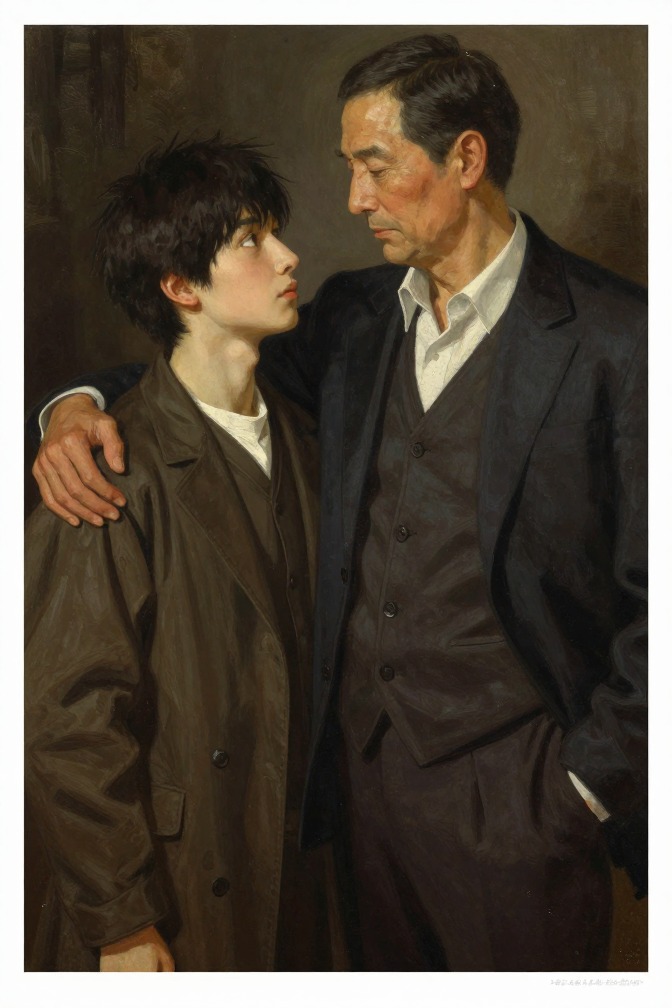
Yozo's relationship with his father is a central, oppressive force in his life, defined by fear, a desperate need for approval, and a fundamental failure of communication that shapes his tragic trajectory. The father, a wealthy politician, is a distant and intimidating figure whose authority Yozo never dares to challenge, yet whose approval he craves. This dynamic is established in childhood and persists until the father's death, which paradoxically leaves Yozo feeling empty and devoid of the suffering that had defined his existence.
Yozo's relationship with the Comrade girl is a fraught entanglement born of his involvement in the Marxist Reading Society, marked by his passive acquiescence, her aggressive pursuit, and his profound emotional detachment, ultimately serving as another instance of his inability to form genuine human connections.
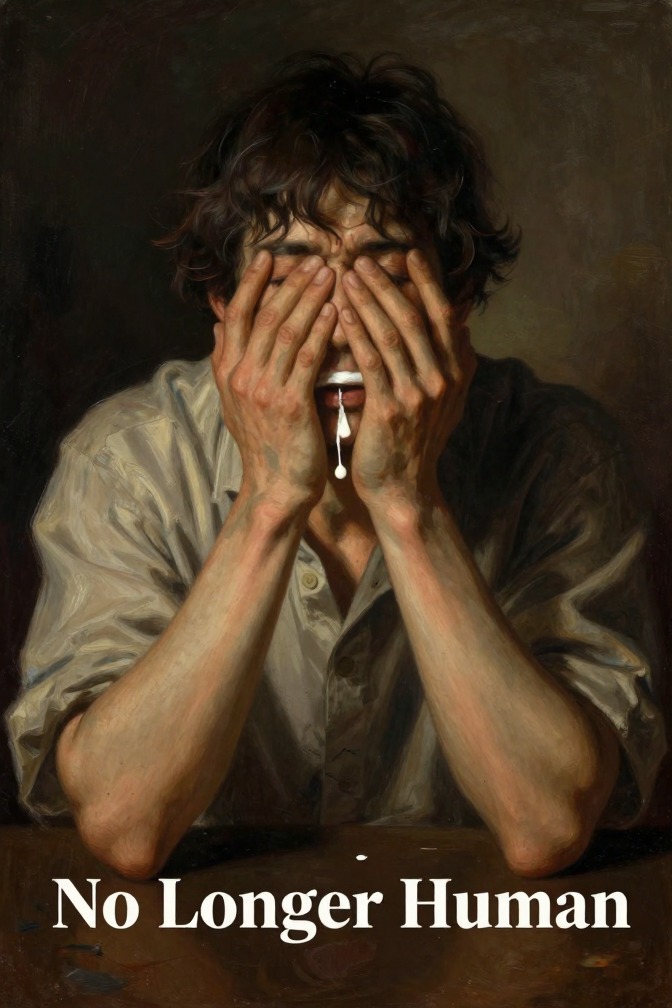
Morphine addiction represents the final and most degrading stage of Yozo's self-destructive trajectory in *No Longer Human*, a state that strips away his last vestiges of autonomy and social functioning, replacing alcohol as his primary means of escaping the terror of human existence.
The flarepistol is a bronze 37-millimeter signal pistol the man discovers aboard the wrecked sailboat Pájaro de Esperanza, which he uses both as a weapon and as a fragile emblem of hope and celebration in the post-apocalyptic world.
The lightning is a recurring motif and literal event in Cormac McCarthy's The Road, appearing both as a destructive natural force that scars a man it strikes and as a symbolic element in the man's dreams and the boy's nightmares, representing the inescapable violence and trauma of their world.
The first-aid kit is a crucial object recovered from the wrecked sailboat Pájaro de Esperanza, providing the man with the means to suture his own severe leg wound after an archer's attack and to treat the boy's life-threatening fever, yet its contents prove limited and its discovery underscores the precariousness of survival in the post-apocalyptic world.
Karl is Josef K.'s uncle and former guardian, a small country landowner whose sudden visit to the bank precipitates K.'s engagement with the legal system by forcing him to retain the lawyer Dr. Huld, thereby setting in motion a chain of professional and personal complications that deepen K.'s entanglement with the court.
The Court offices in Titorelli's building are a secondary, attic-level branch of the mysterious Court that has arrested Josef K., discovered when K. visits the painter Titorelli and exits through a hidden door behind the painter's bed. This location reveals the pervasive, almost absurd reach of the Court, which occupies attics in tenement buildings throughout the city, and its shabby, poorly lit, and cramped conditions starkly contrast with the grand, intimidating authority the Court otherwise projects.
The examining judge's notebook is a shabby, misshapen school exercise book that serves as the sole official record of Josef K.'s case during his first cross-examination, embodying the court's arbitrary, secretive, and degraded procedures.
The Bank is the prestigious financial institution where Josef K. works as a chief clerk, a position that defines his social standing, professional identity, and daily life. It serves as a crucial counterpoint to the opaque and irrational Court, representing the rational, hierarchical world of commerce and law that K. understands and has mastered. However, as his trial progresses, the Bank transforms from a sanctuary of order into a site of vulnerability, where his authority is eroded, his reputation is threatened, and the pressures of his legal case intrude upon and destabilize his professional existence.
The relationship between Josef K. and Dr. Huld, the lawyer his uncle Karl brings him to, is a central axis of K.'s trial, defined by K.'s growing impatience with the lawyer's passive, obfuscatory methods and his eventual decision to dismiss him. Dr. Huld represents the established, secretive, and ultimately ineffective legal defense available within the Court's system, a system he claims to navigate through personal connections but which yields no tangible progress for K. The relationship culminates in a tense confrontation where K. formally withdraws his case, a decision that is both an assertion of his own agency and a recognition of the lawyer's impotence.
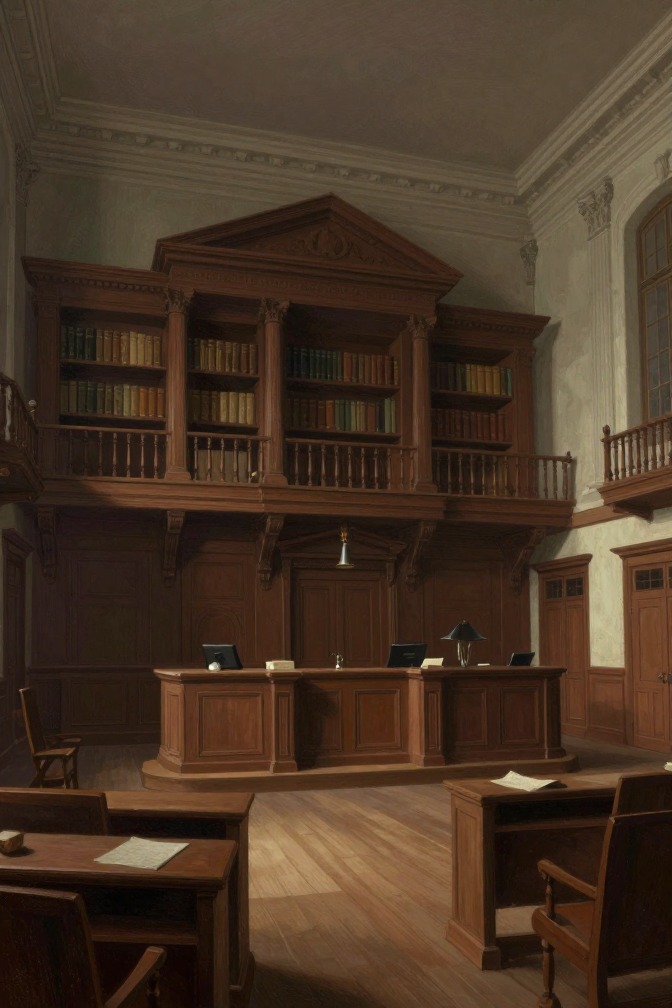
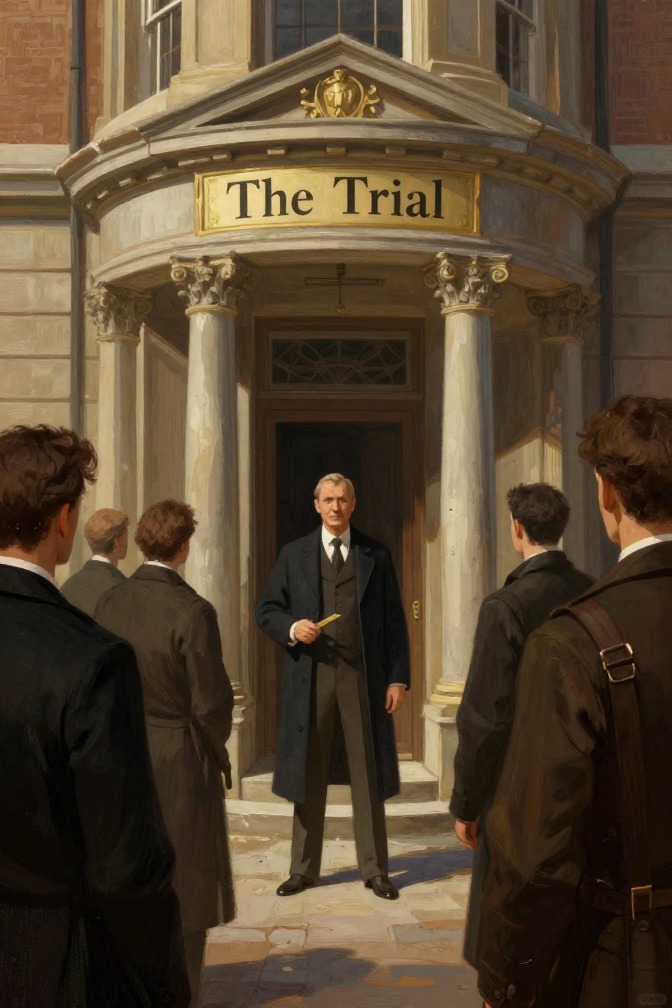
The relationship between Josef K. and the court is the central, antagonistic dynamic of Franz Kafka's novel, defining K.'s identity, his actions, and his ultimate fate. From his abrupt arrest on the morning of his thirtieth birthday to his execution in a quarry a year later, K. is locked in a struggle with an opaque, labyrinthine judicial system that he can neither understand nor escape. The court, which operates in attics and tenements, is an omnipresent yet invisible force that gradually consumes K.'s life, transforming him from a confident bank chief clerk into a desperate, isolated defendant. Their relationship is characterized by a profound asymmetry of power, a relentless procedural logic that defies reason, and a final, chilling revelation that the court demands not justice, but submission.
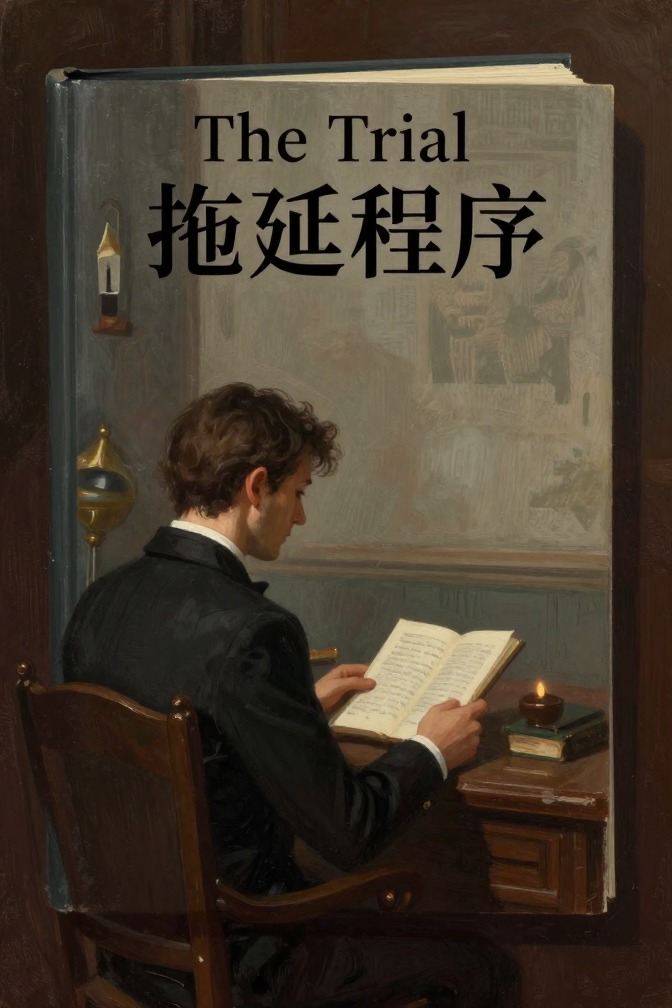
Defer proceedings is a strategy described by the painter Titorelli to Josef K. as one of two possible ways to avoid conviction in the court, consisting of keeping the trial permanently in its earliest stages through continuous personal contact with the court.
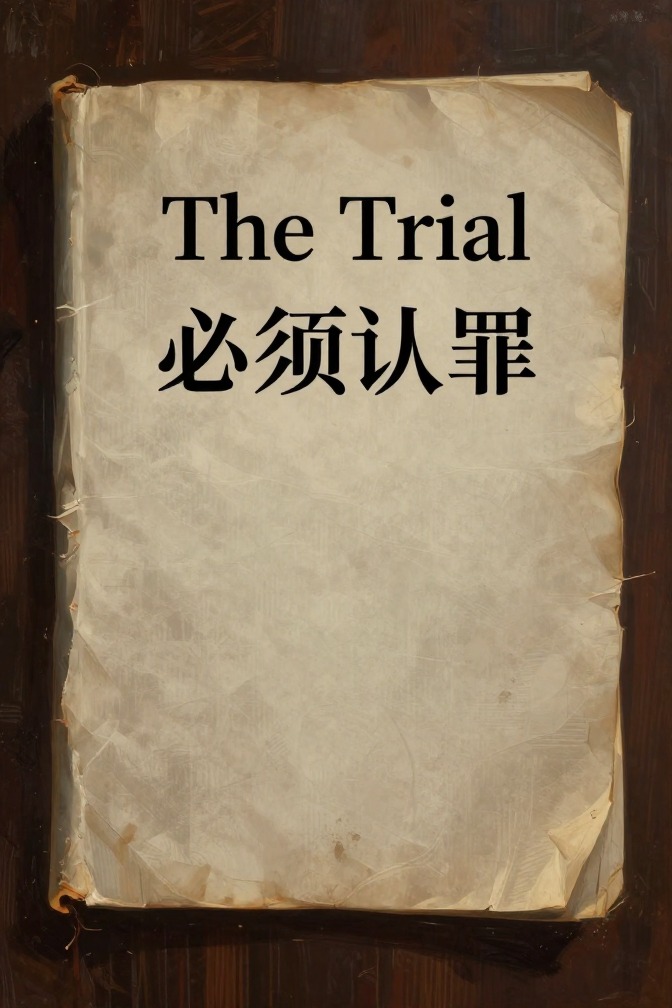
The rule 'Must confess guilt' is a central, unspoken principle of the Court in Franz Kafka's *The Trial*, which holds that a defendant's confession is the only effective path to even a temporary reprieve, while stubborn denial only worsens one's position. This rule is articulated by various figures within the Court's orbit—from the court usher's wife Leni to the painter Titorelli—and is consistently reinforced by the Court's procedures and the behavior of its officials, who treat any assertion of innocence as a sign of obstinacy and a tactical error. The rule operates in direct opposition to Josef K.'s initial strategy of proclaiming his innocence and challenging the Court's authority, and his failure to confess is presented as a key reason for the failure of his case.
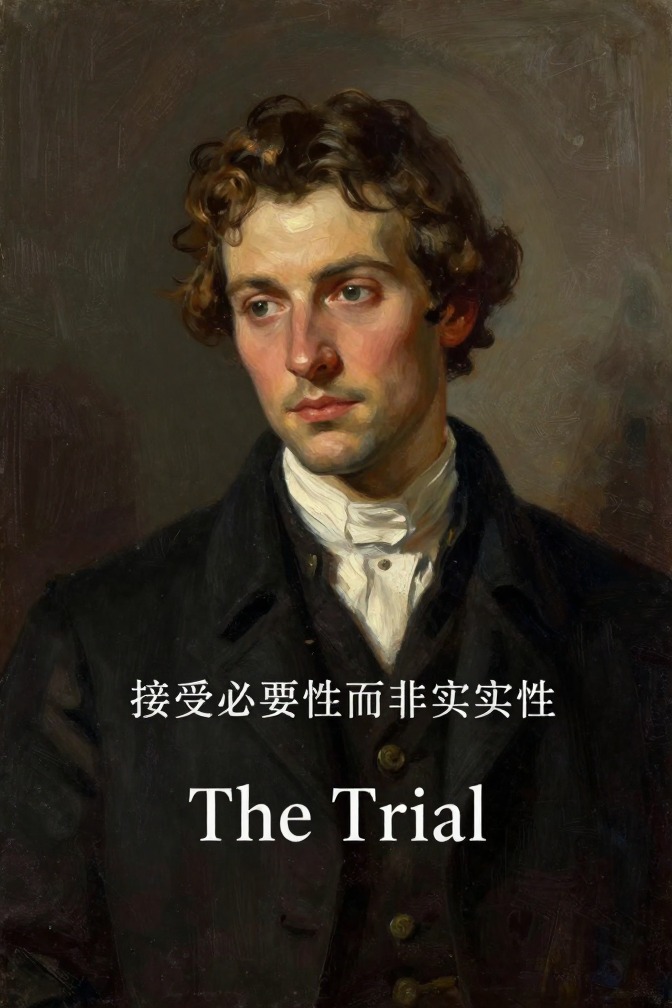
The rule 'Accept necessity not truth' emerges from the priest's interpretation of the Parable of the Doorkeeper in the cathedral, where he instructs Josef K. that one need not accept everything as true, only as necessary, a principle that encapsulates the court's epistemological demand and becomes K.'s final, bitter insight into the lie that governs the world.
The rule of 'Rearrest possible' is a central procedural principle in Josef K.'s trial, articulated by the painter Titorelli, which states that after an apparent acquittal, the defendant remains permanently vulnerable to re-arrest because the charges are never truly extinguished and the court never forgets.
Complaint leads to punishment is a rule within the court system of Franz Kafka's The Trial, stating that any complaint made by a defendant against court officials will result in the flogging of those officials, regardless of the merits of the complaint or the defendant's intentions.
Alameda was the Decker family's housekeeper during Theo's early childhood in New York, remembered for rescuing him from a dangerous entrapment inside a Murphy bed and for her presence in the household before his father's departure forced her dismissal.
Cosmo is the elderly, grizzled gray terrier belonging to Welty Blackwell, who becomes a loyal companion to Pippa Blackwell after Welty's death in the museum bombing. His presence in the household underscores themes of loyalty, loss, and the quiet continuity of love across generations.
Denese is the Greyhound bus driver who, during Theo Decker's cross-country escape from Las Vegas to New York with his dog Popper, discovers the animal on board but chooses to allow it to remain, a small act of mercy that keeps Theo from being stranded in rural Illinois.
Hadley is a minor character in Theo Decker's Las Vegas high school years, a talkative, letter-jacket-wearing army brat who serves as a foil to Theo's drug-addled, transient social circle. She represents the normal, disciplined life Theo might have led, and her brief interactions with him highlight his alienation and the social chasm between them.
Horst is a German-born, New York-based art dealer and junkie who moves in the same black-market circles as Boris Pavlikovsky. A cultivated connoisseur of Dutch and Flemish painting, he lives in a decaying Fifth Avenue townhouse filled with valuable artworks and a shifting crowd of addicts and trust-fund kids. He is the man who first handled The Goldfinch after Boris stole it, and his associate Sascha later double-crosses him by taking the painting to Amsterdam. Horst’s relationship with Boris is one of wary mutual respect, and his deep knowledge of the painting—which he first saw as a boy in the Mauritshuis—makes him a key figure in the story’s art-world underworld.
Kitsey Barbour, the youngest daughter of the wealthy Park Avenue Barbour family, is a beautiful, socially adept, and emotionally detached young woman who becomes Theo Decker's fiancée. Their engagement, born from mutual convenience and a shared desire to please her grieving mother, masks a deeper incompatibility and Kitsey's ongoing, secret relationship with Theo's childhood acquaintance Tom Cable, ultimately revealing the transactional and fragile nature of their bond.
Margaret Blackwell Pierce, Welty Blackwell's half-sister, is a formidable and manipulative figure who, after the museum bombing, takes custody of the injured Pippa and moves her to Texas, overriding Hobie's wishes and severing the girl's connections to New York.
Moira DeFrees is a dealer in nineteenth-century watercolors, a close friend of James Hobart, and a fixture in the New York antiques and society world who becomes a maternal figure and confidante to Theodore Decker after his return from Las Vegas.
Saffi Caspersen is a minor character in Theo Decker's Las Vegas high school years, a Danish student who stands out for her beauty, intelligence, and a brief, unrequited interest in Boris Pavlikovsky. She represents a path of normalcy and high achievement that Theo and Boris, in their self-destructive spiral, cannot reach.
Samantha Barbour, the cool and composed matriarch of the Barbour family, is a figure of immense social grace and emotional restraint. Her life is defined by a series of profound losses—the drowning of her husband and son, and the earlier death of her son Andy's friend, Theo Decker's mother—which she navigates with a stoicism that masks a deep, private grief. Her relationship with Theo, who she takes in after the museum bombing, evolves from a formal arrangement into a genuine, if understated, maternal bond, offering him a stability he desperately needs while she herself retreats from the world.